GSM-NONP Progress Report June 2026
Springer B., Burt J.
Robogenesis / intoishun
Olympic National Park
Washington State, USA
*This report will be updated as sequencing data is received. Results will be added along with additional comments. Last updated September 12, 2026.
June continues our ongoing survey of macrofungal diversity within Olympic National Park. Hopefully this will be the last month where Brodie is making solo collections. As with the previous monthly reports, the collections presented here are intended to represent a broad sampling of the fungi encountered in this region rather than an attempt to exhaustively document every fruiting species present at a given location. Going forwards I can confirm I have maintained monthly trips to the area for study, and I aim to equal or exceed these trips moving into fall!
One of the benefits of maintaining these reports month by month is that the project is beginning to document not only diversity, but also seasonality. March represented the tail end of winter conditions, April and May carried us through the spring transition, and June begins to push the survey toward a different assemblage of fungi and habitats. Over time, these repeated surveys should provide a clearer picture of when particular genera, species, and ecological groups appear throughout the park. At the very least for us, but I think again general study is helpful overall.
We are continuing to refine the way collections are documented. Photography and sequencing remain the foundation of the project, while microscopy, field characters, substrate and habitat information, and other diagnostic observations are being incorporated more consistently where they are useful. The reporting format itself will continue to evolve alongside the study.
As always, this report should be considered a working record rather than a finished taxonomic product. Some names will change. Some collections that initially appear ordinary may produce interesting sequencing results, while others may prove to represent familiar and widespread species. Both outcomes are useful to a long-term survey for me!
With that said, onto June.
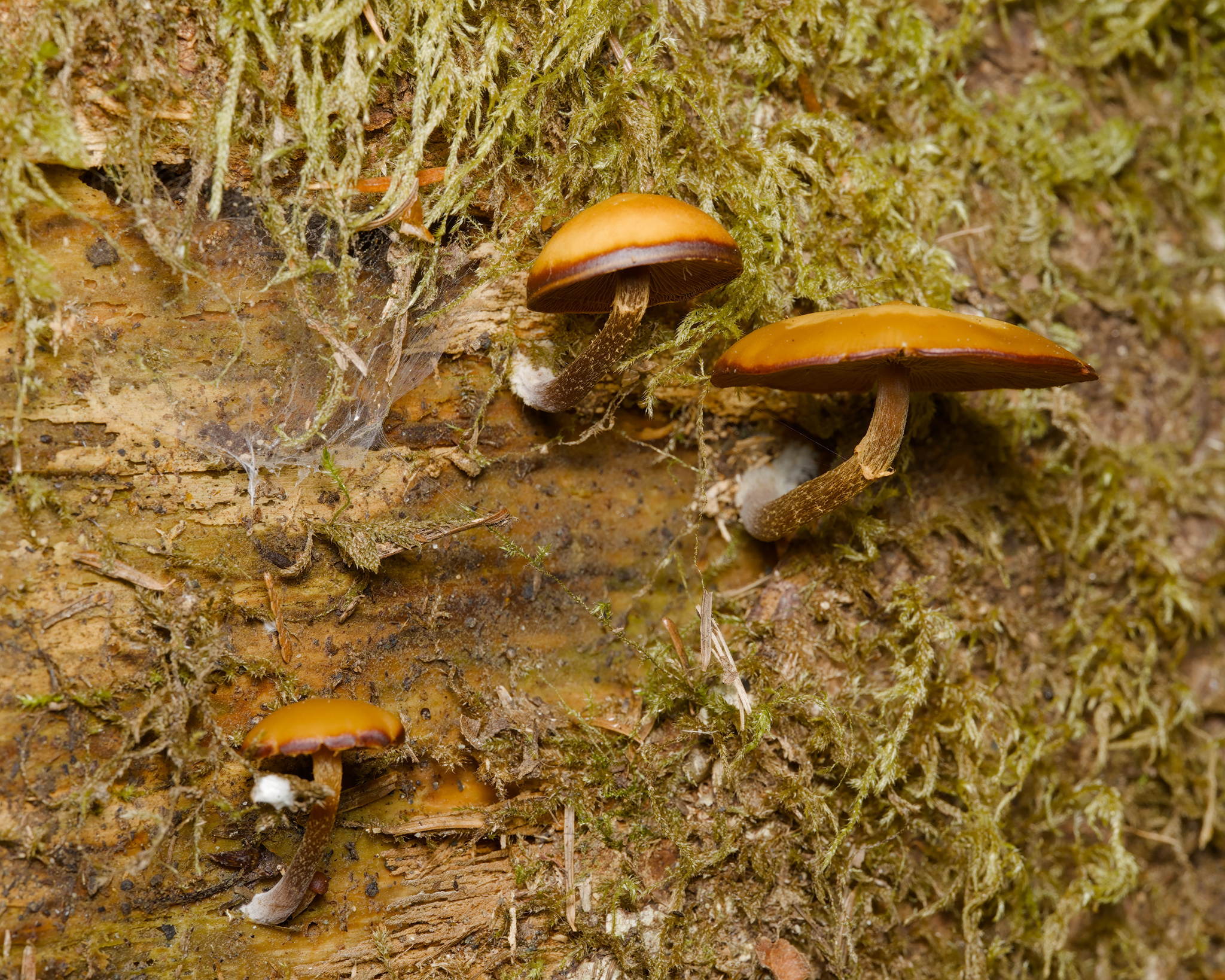
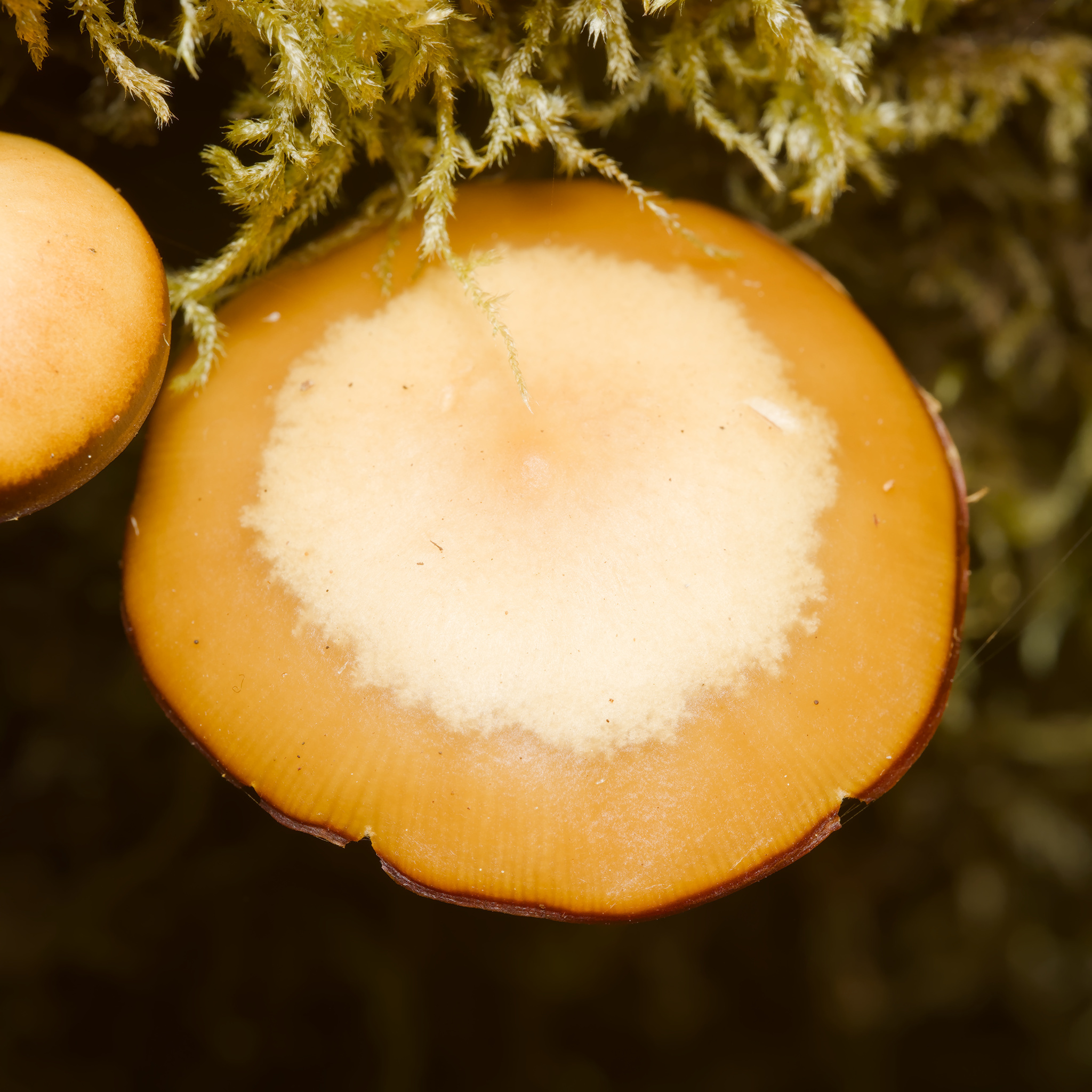
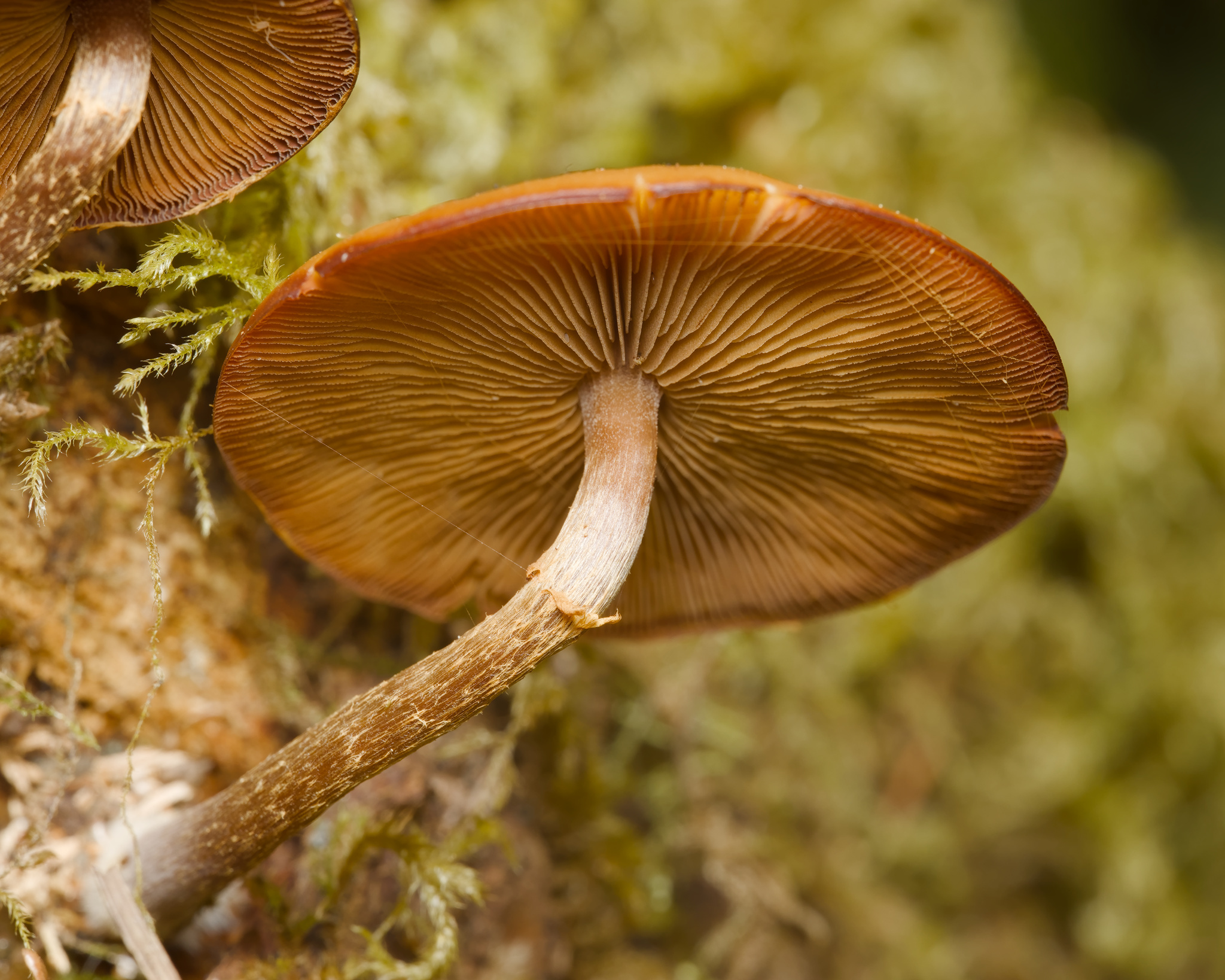
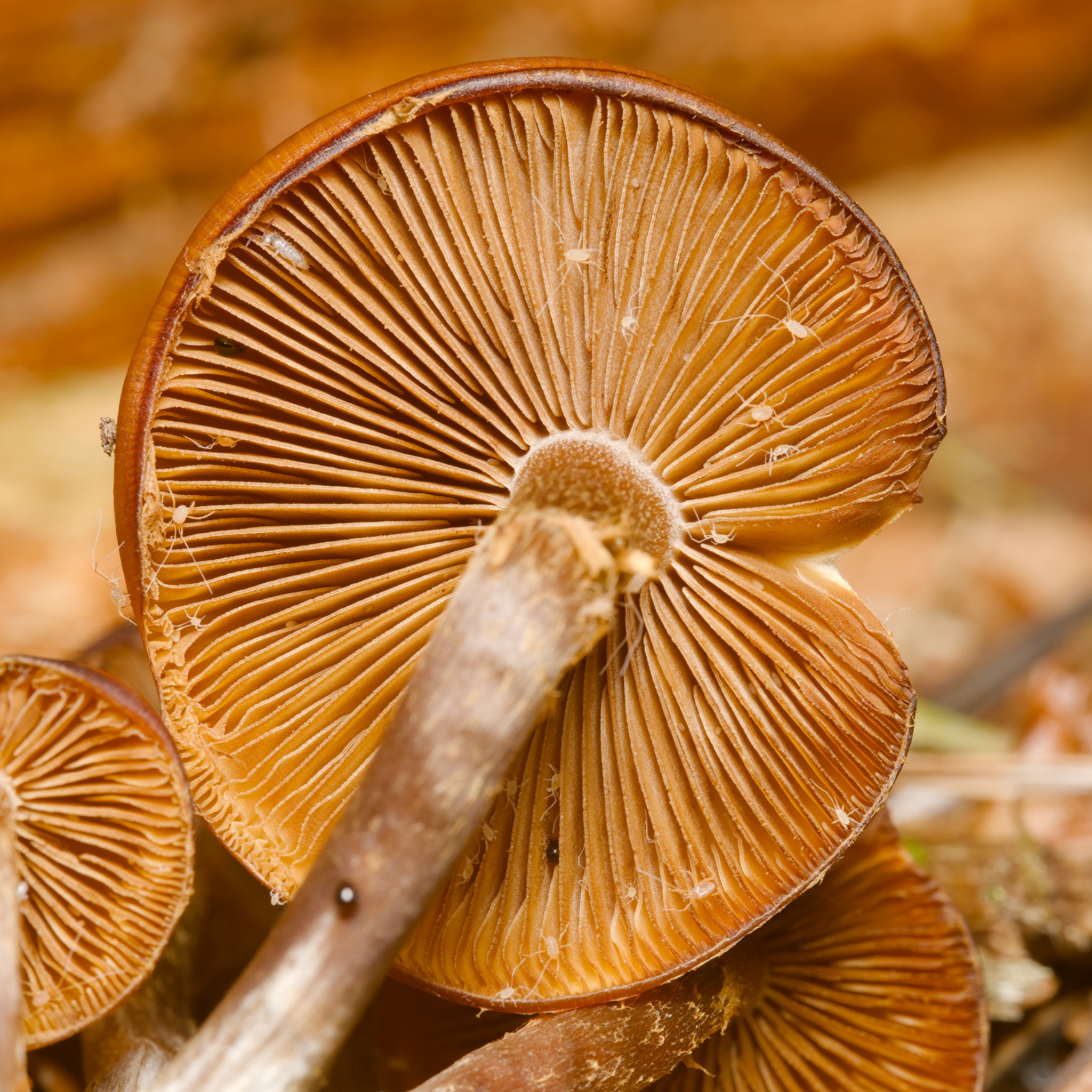
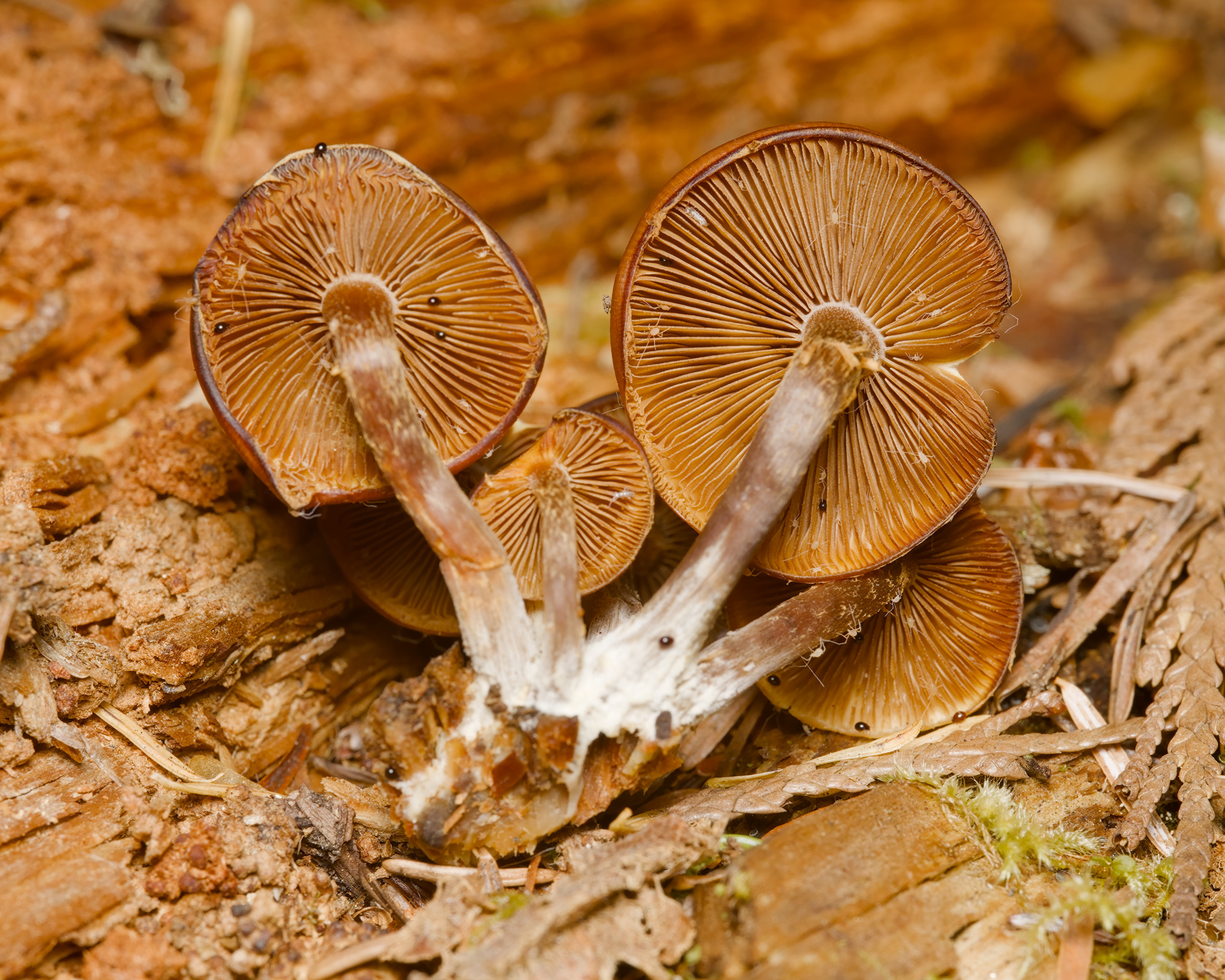
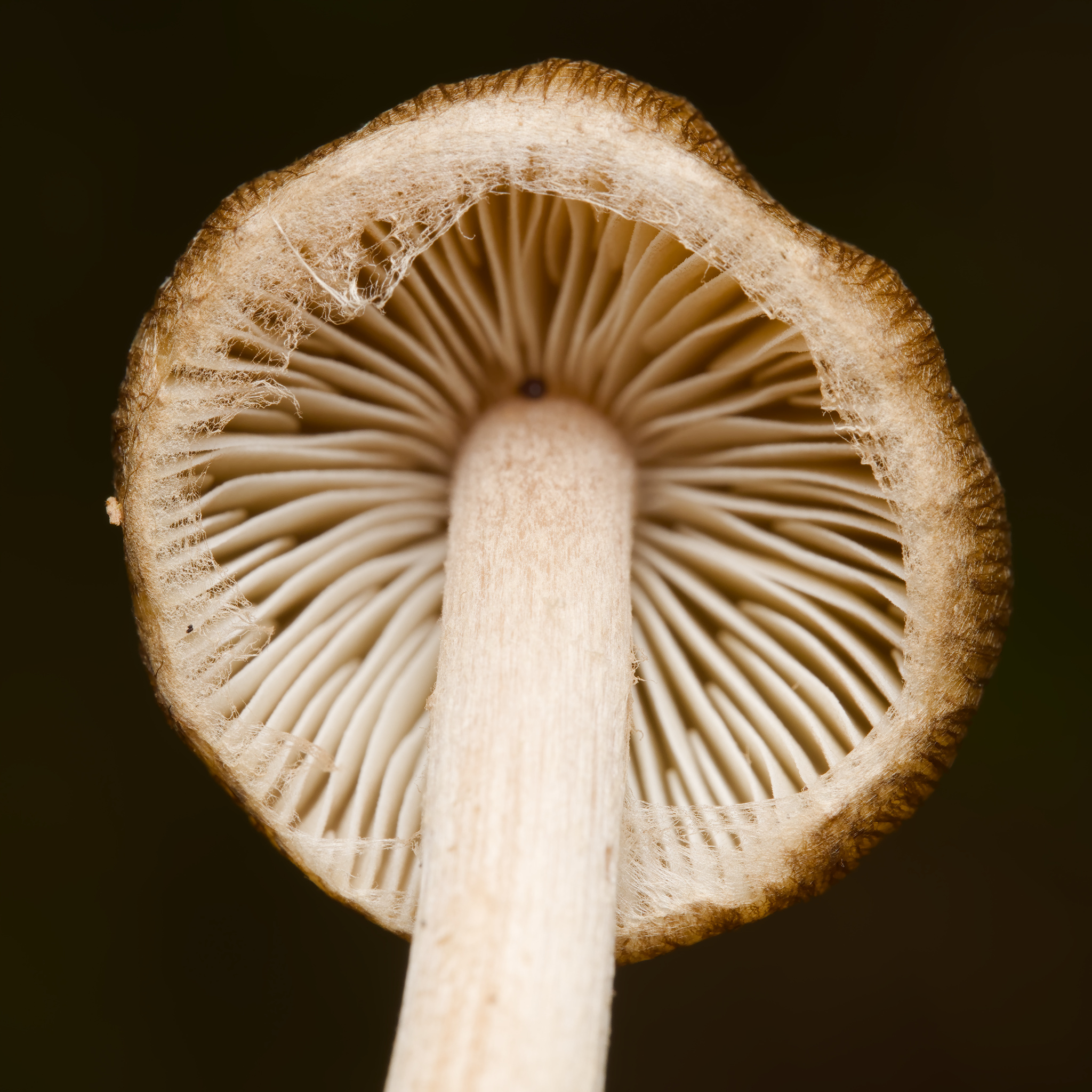
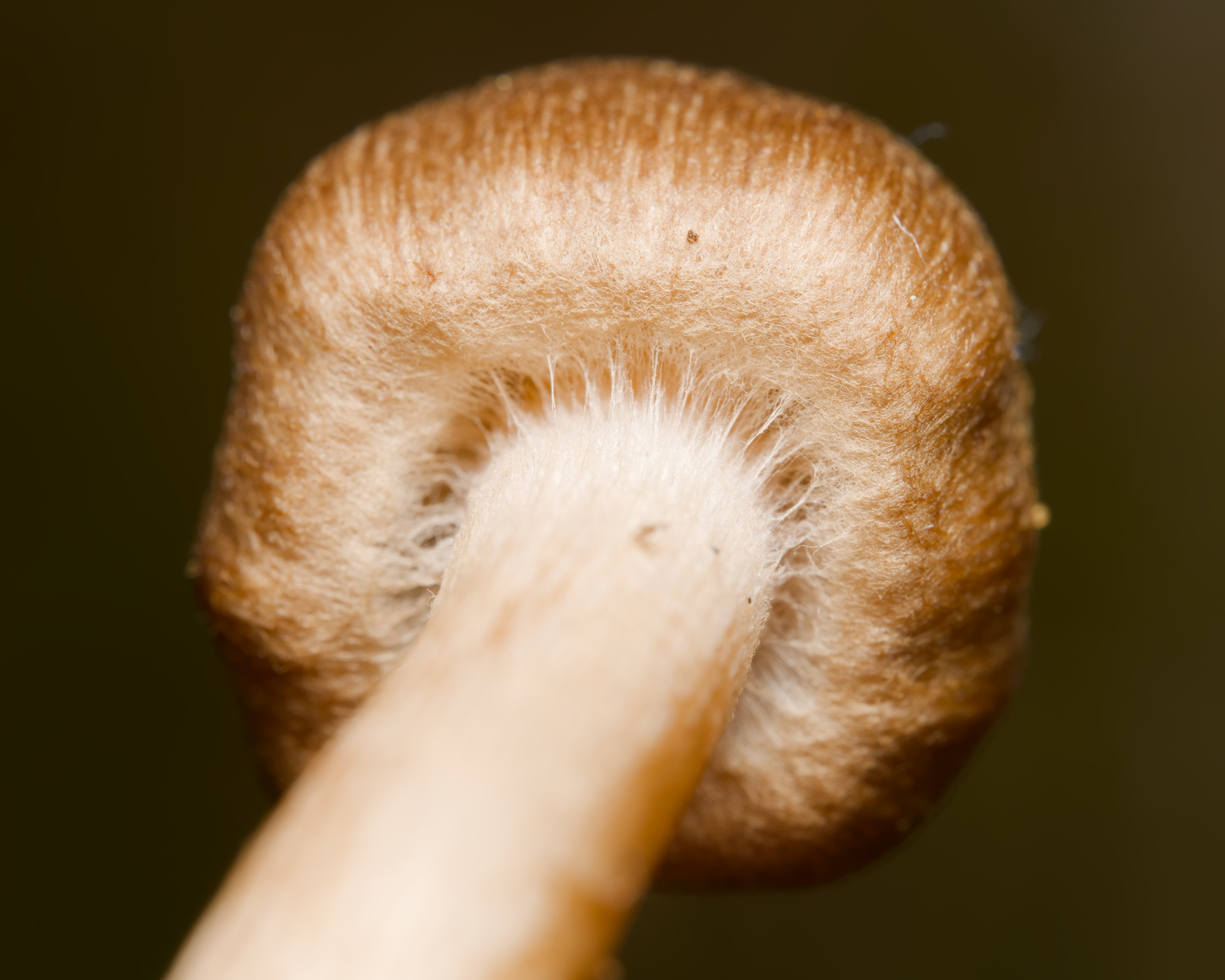
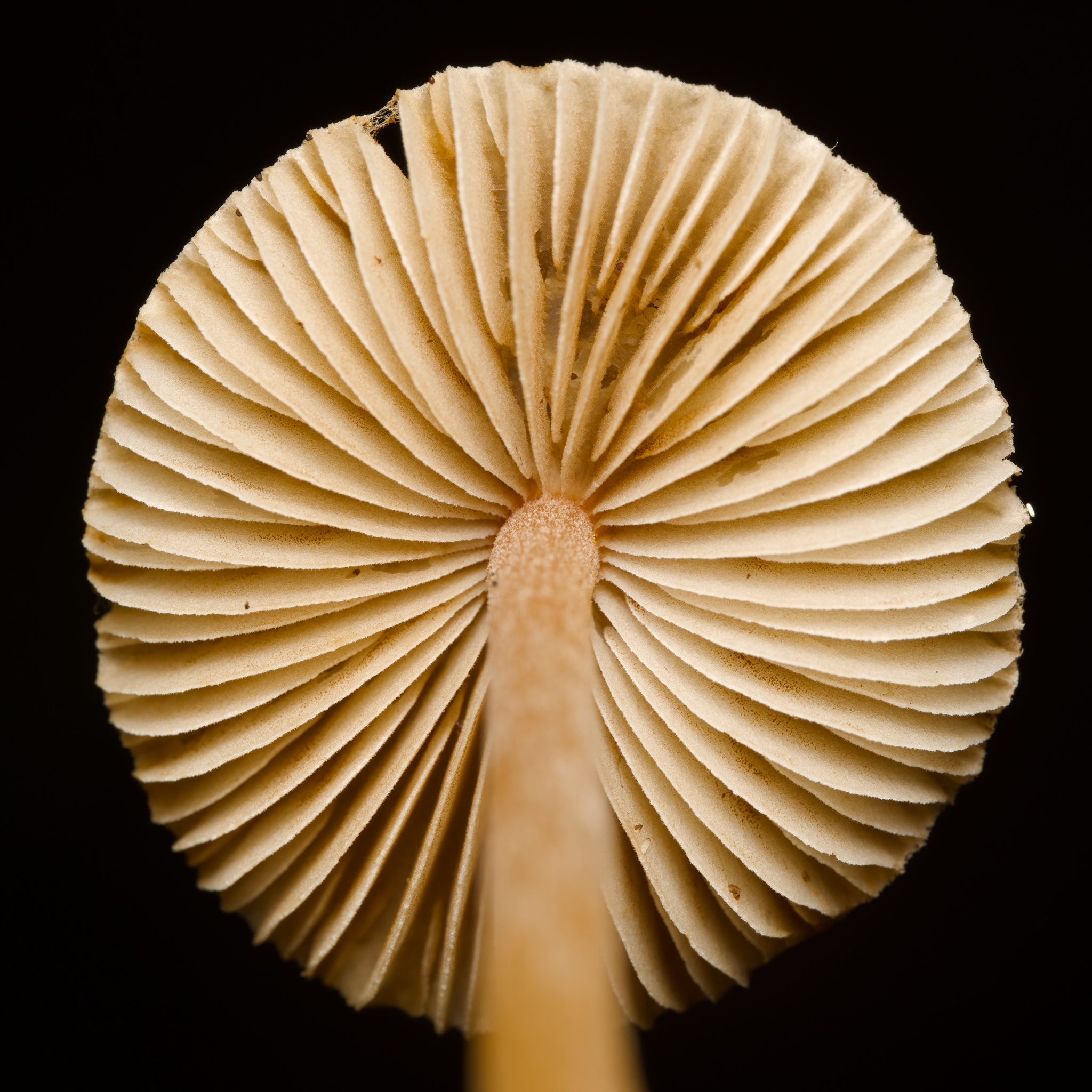
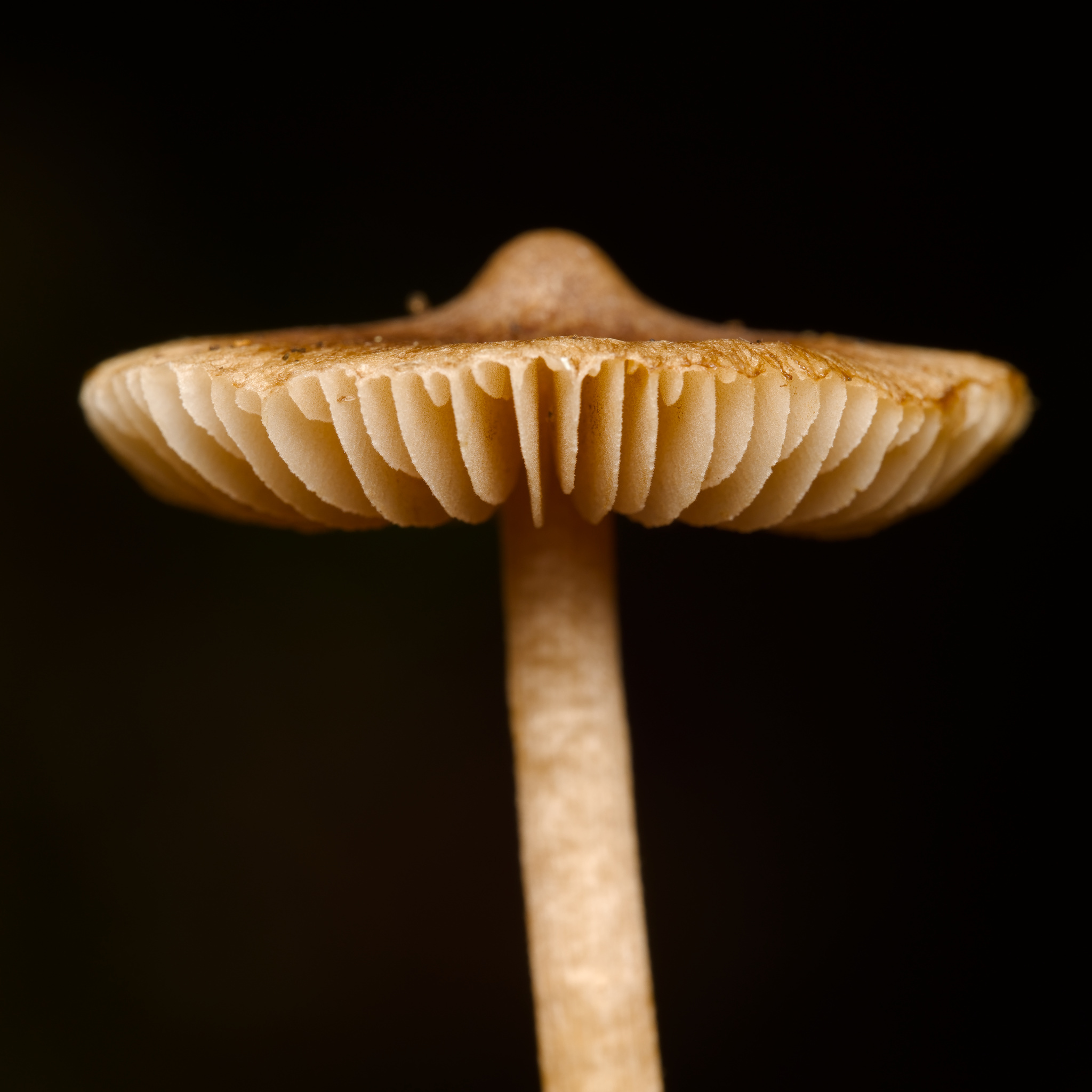
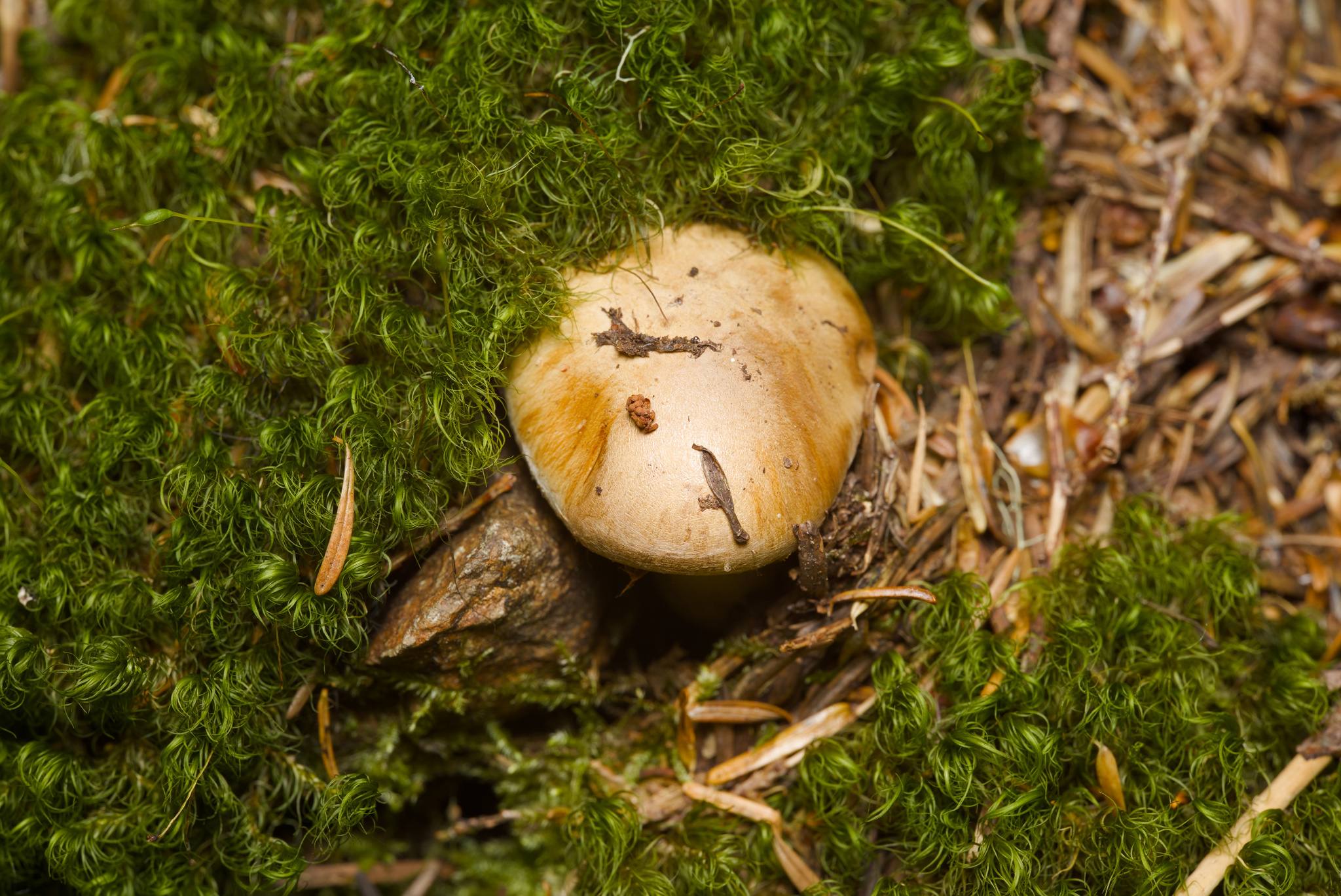
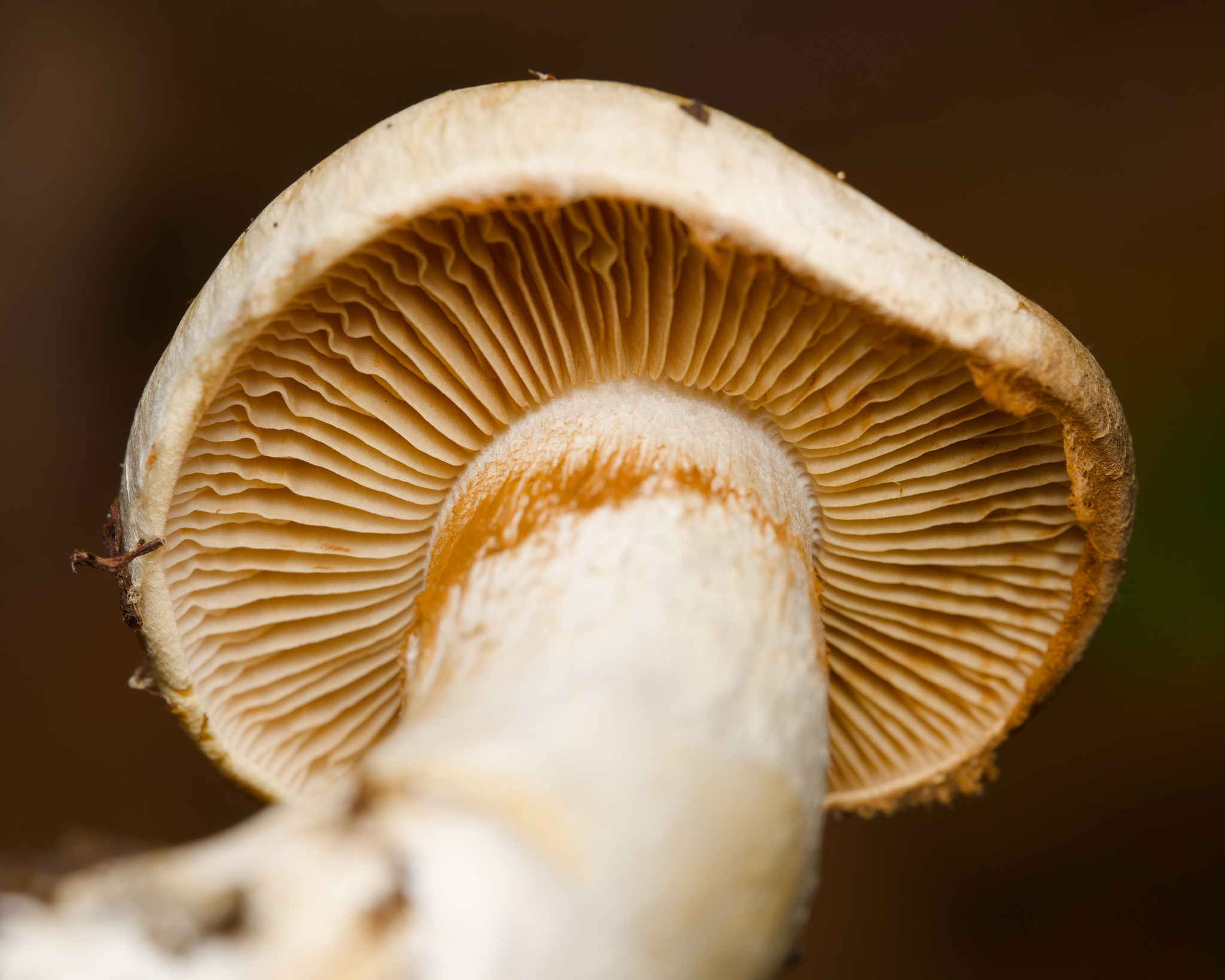
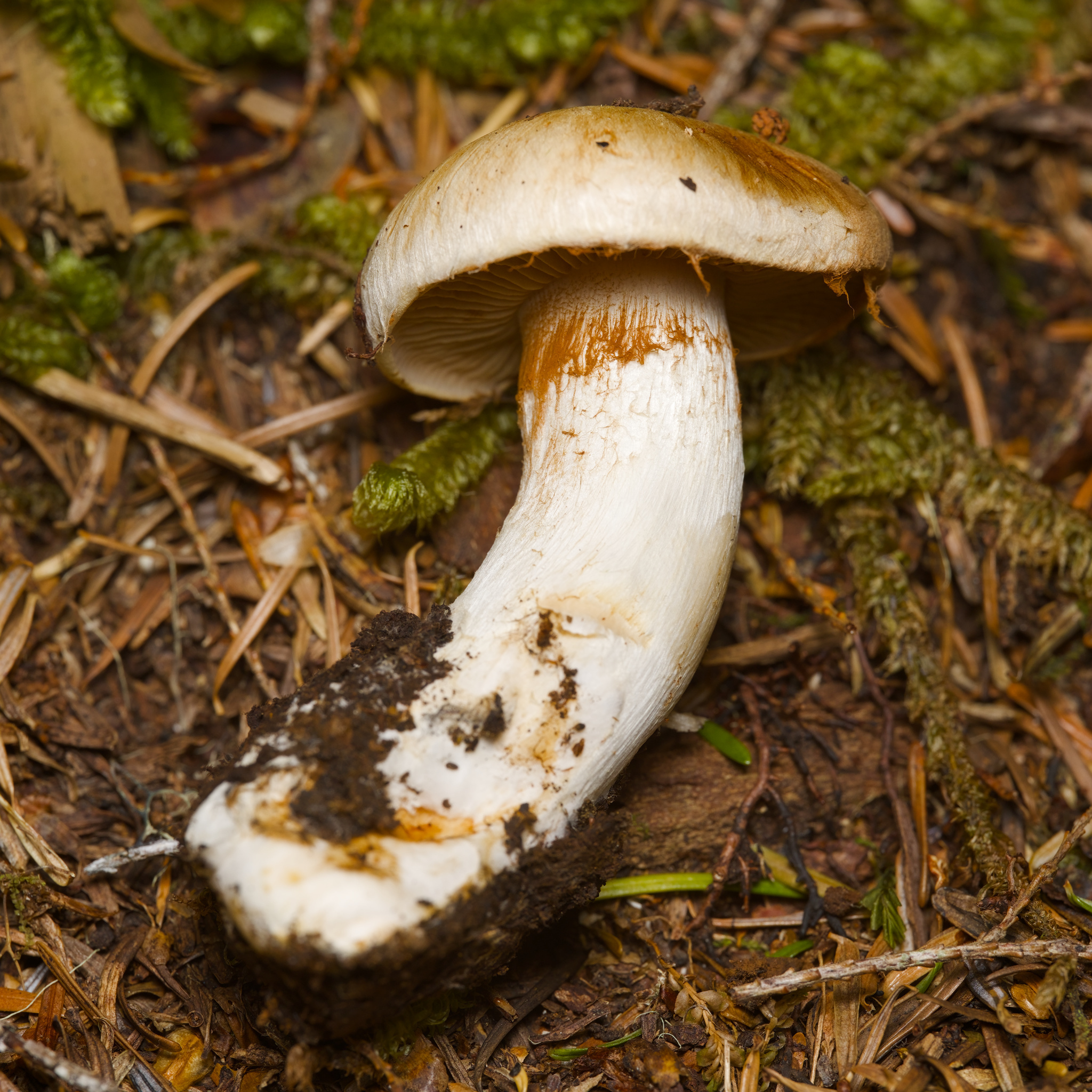
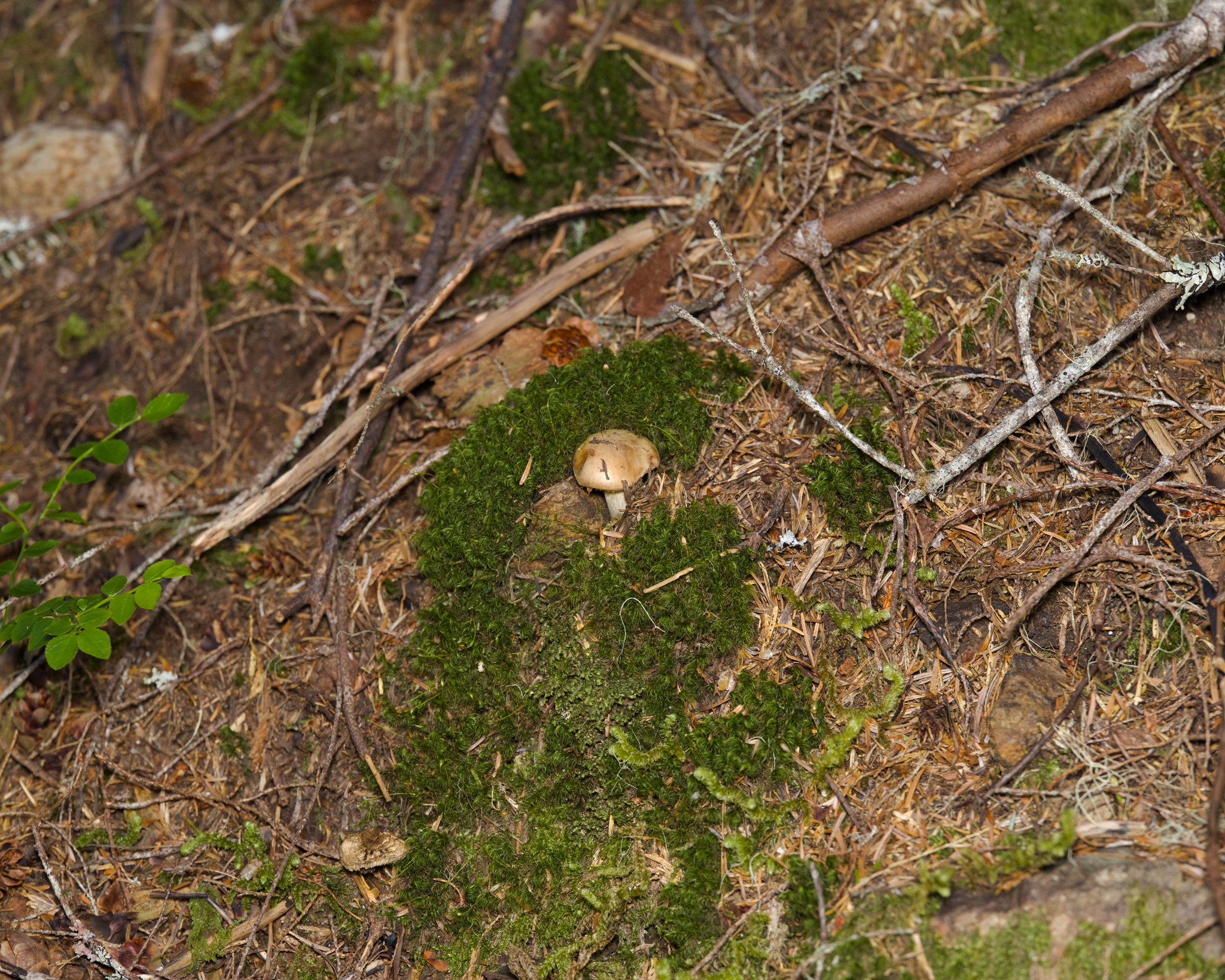
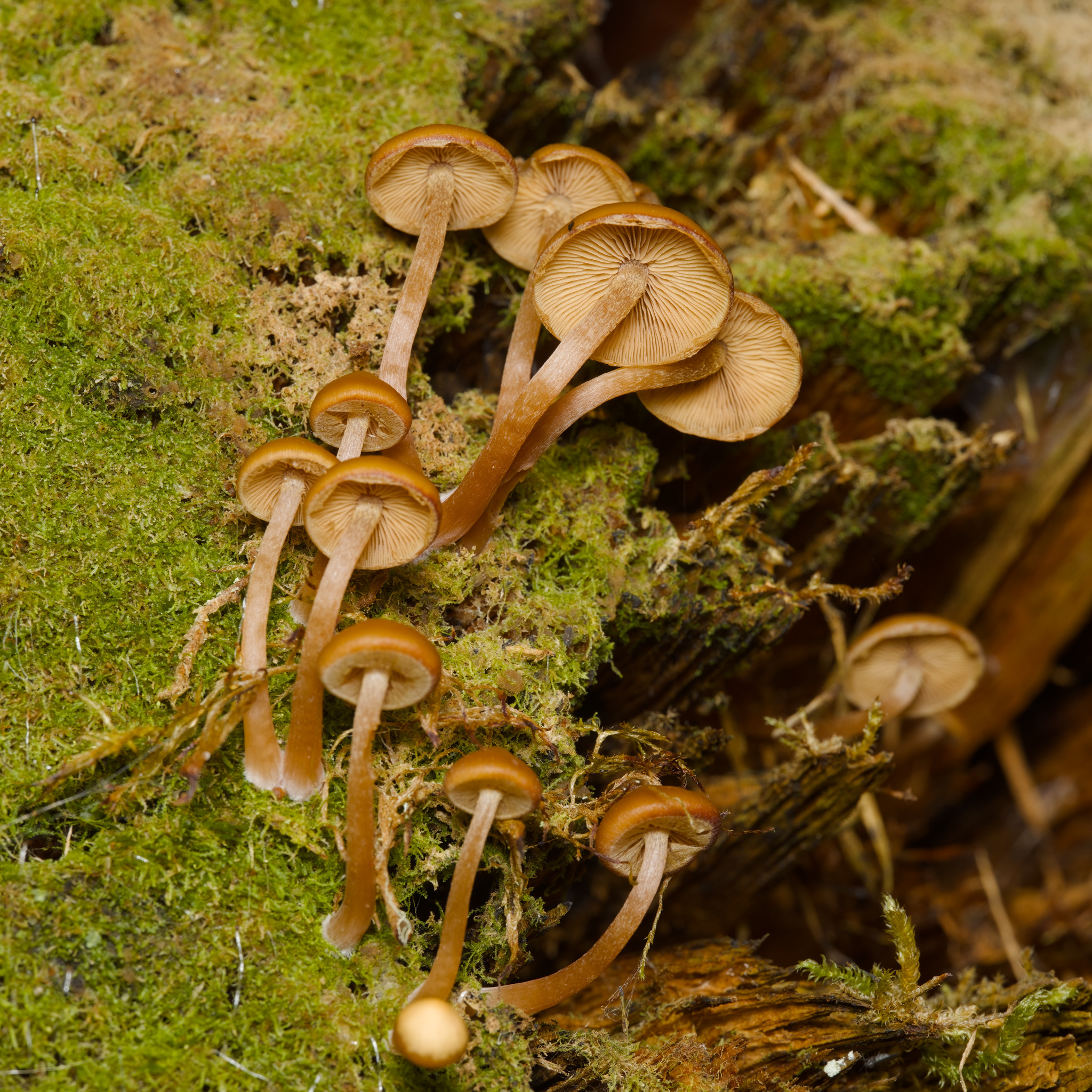
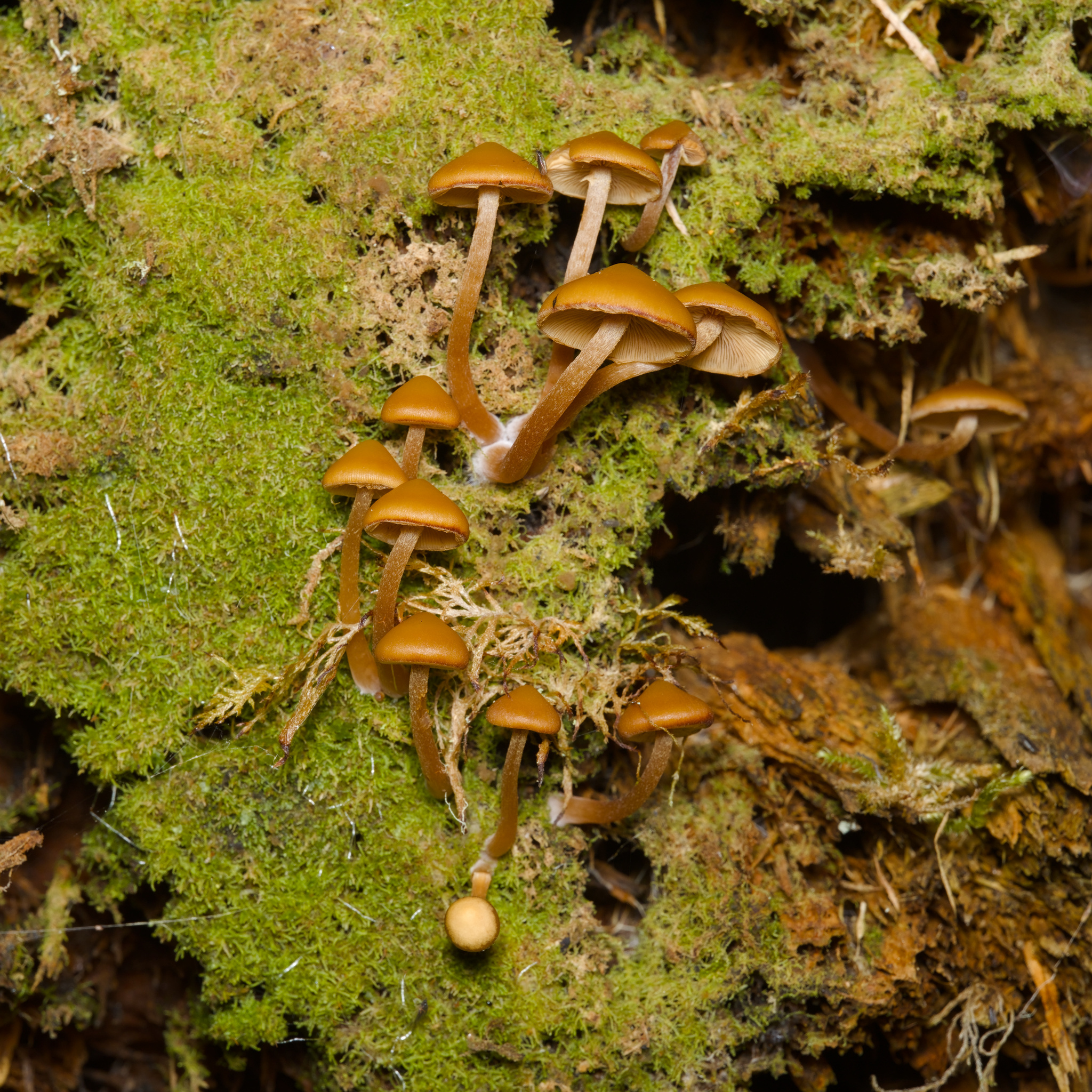
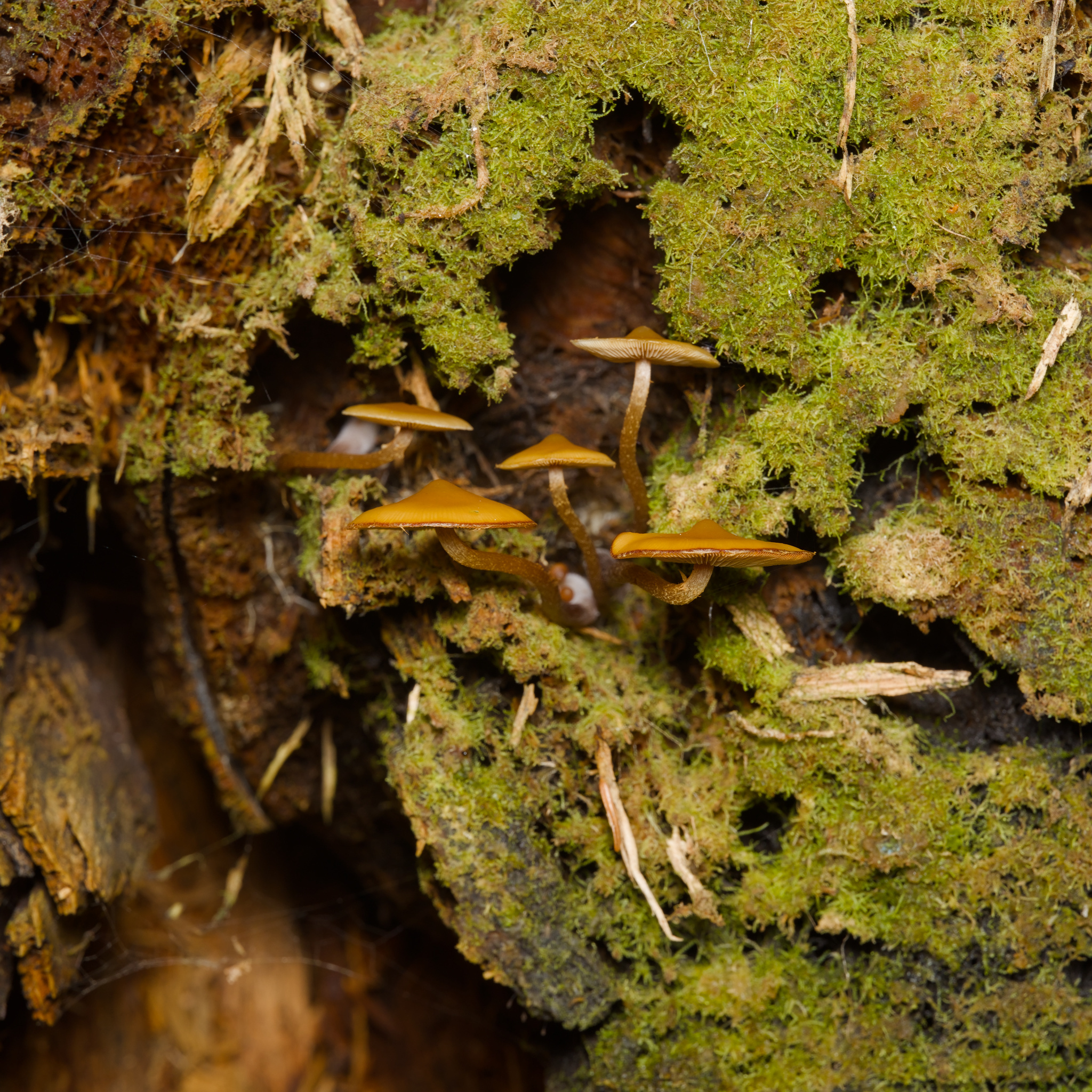
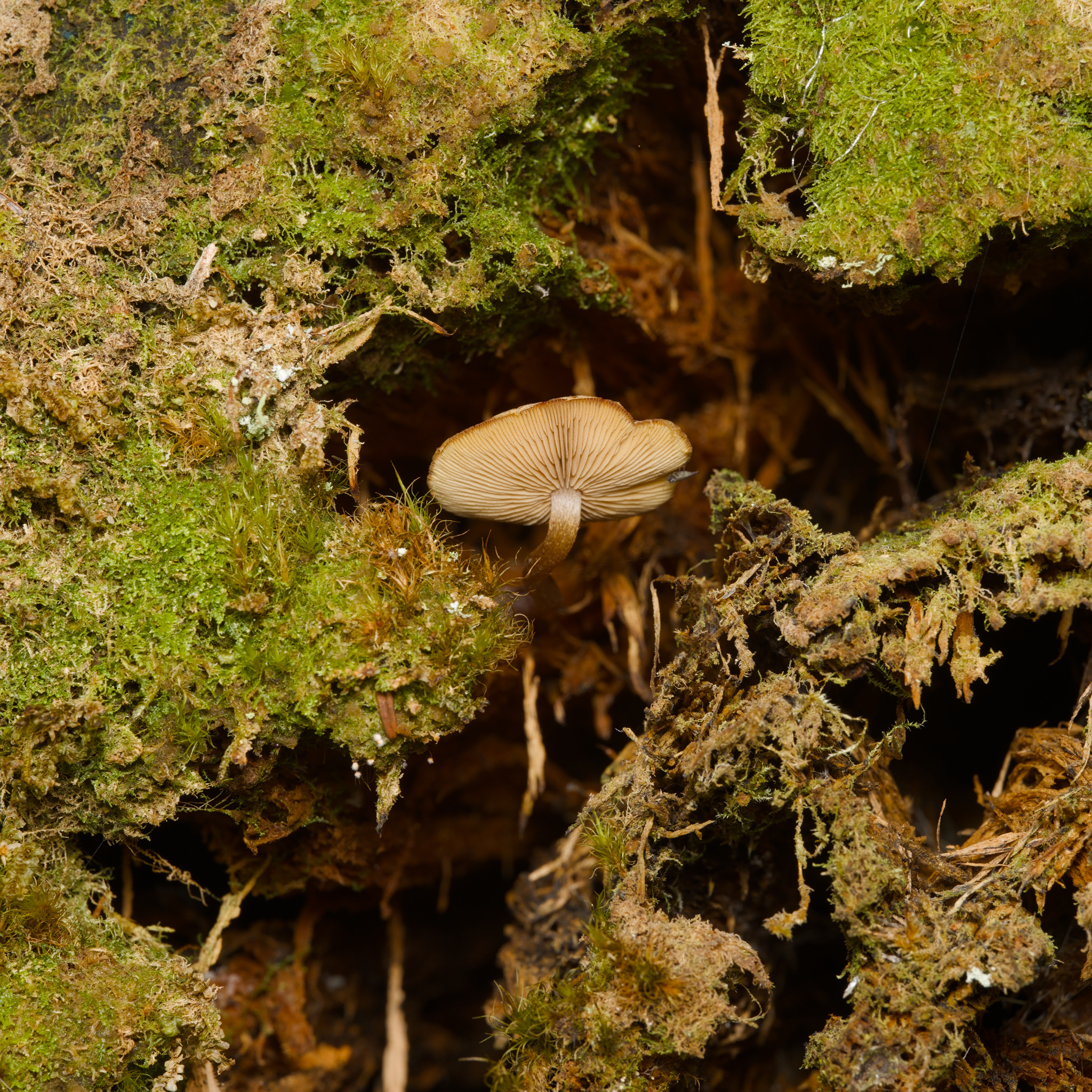
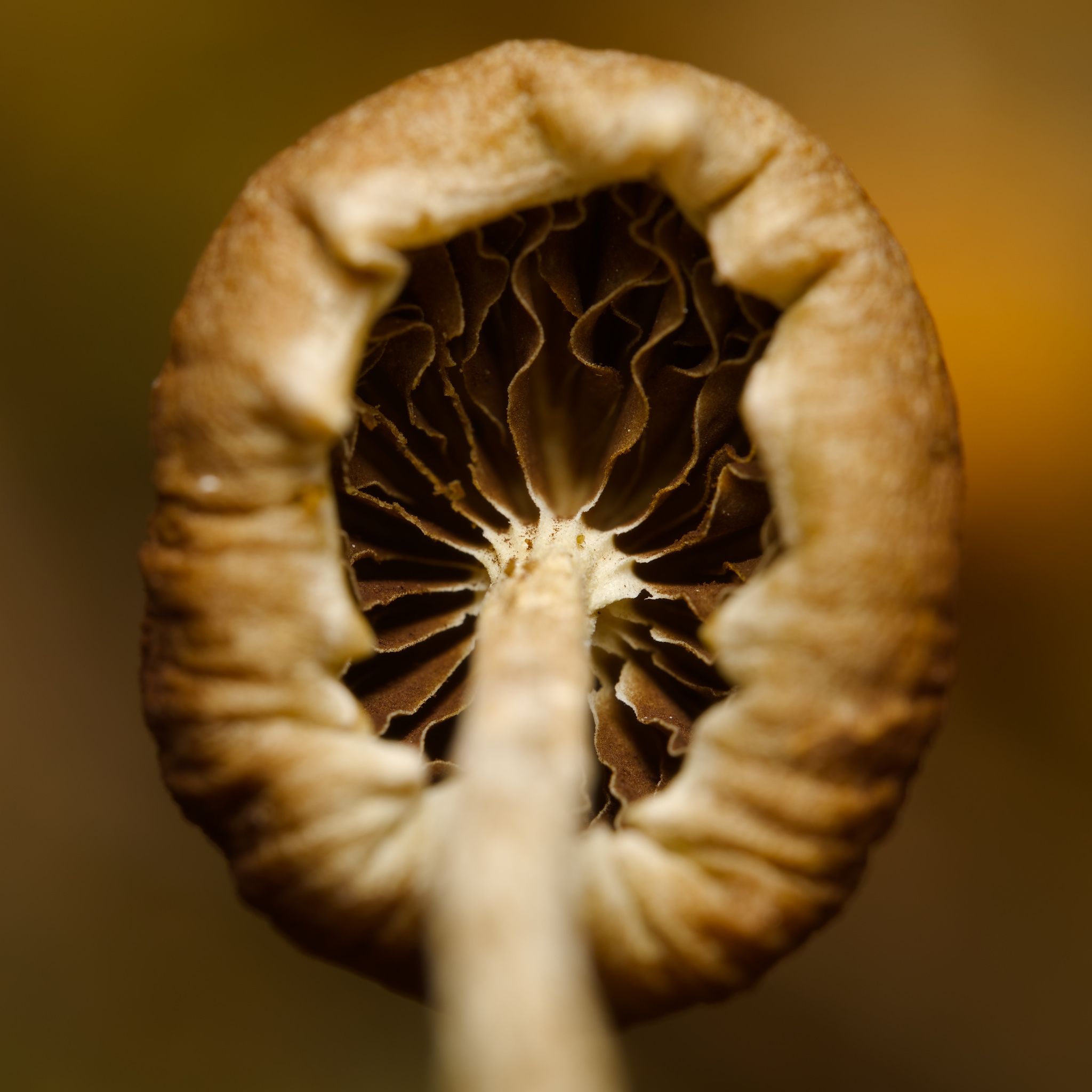
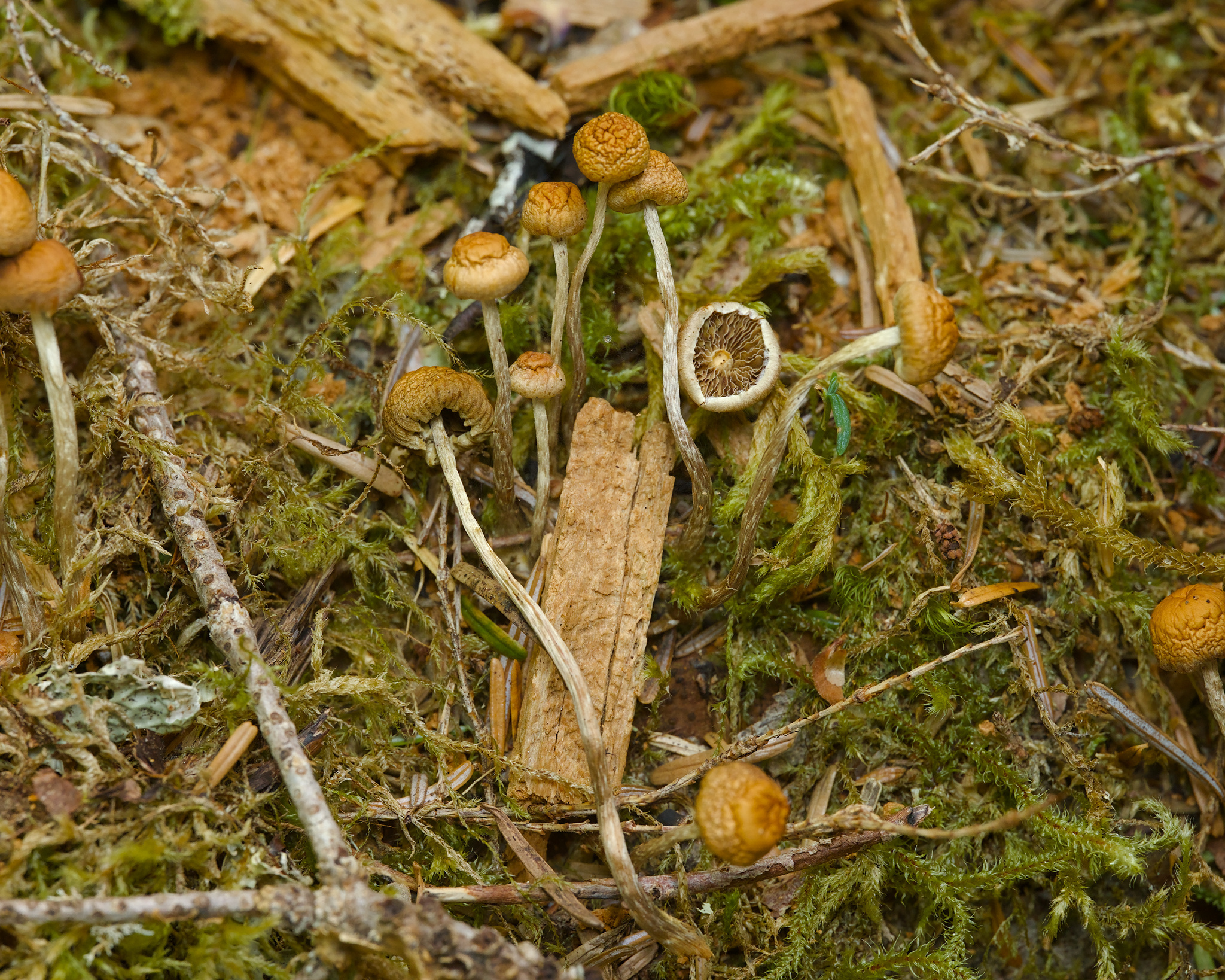
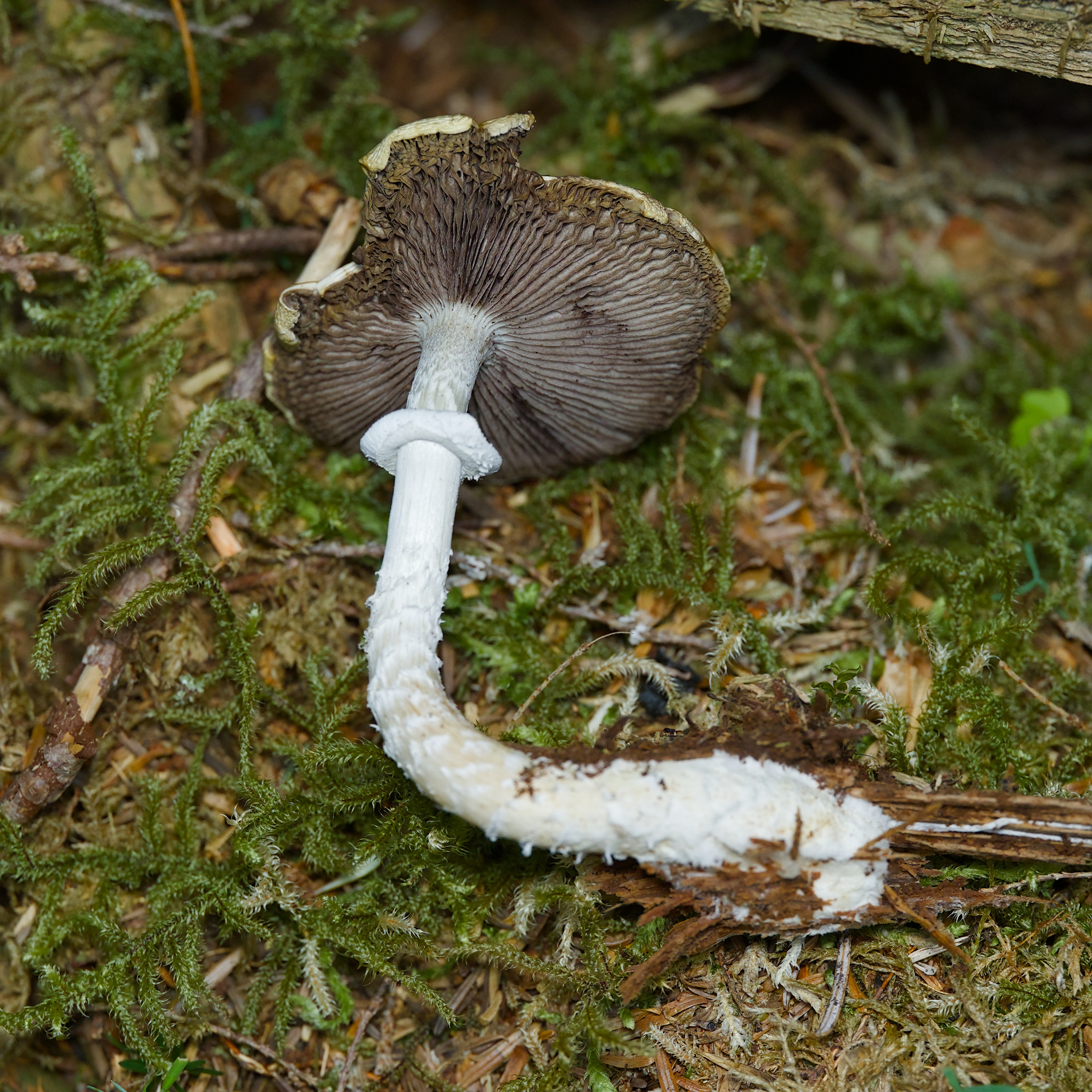
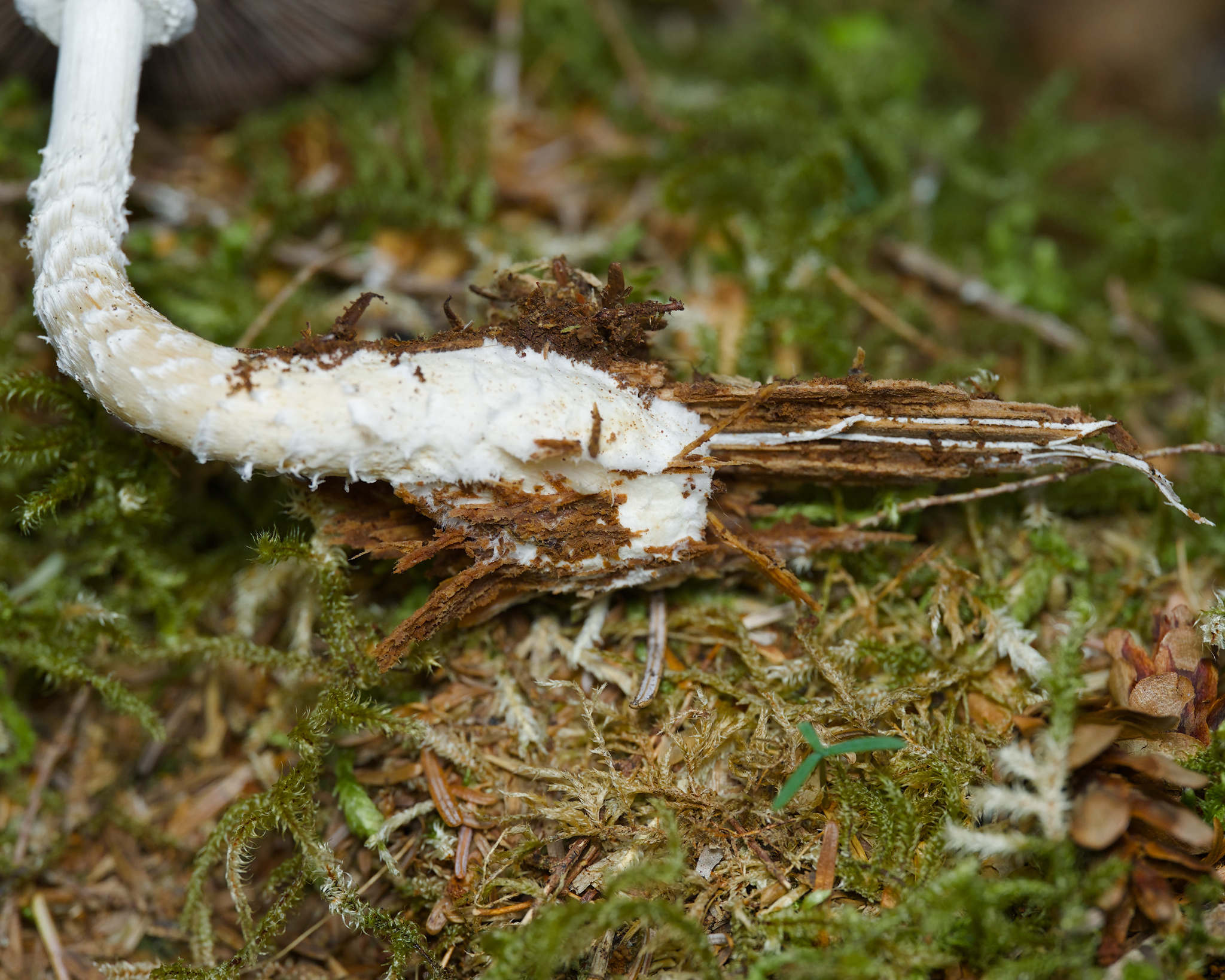
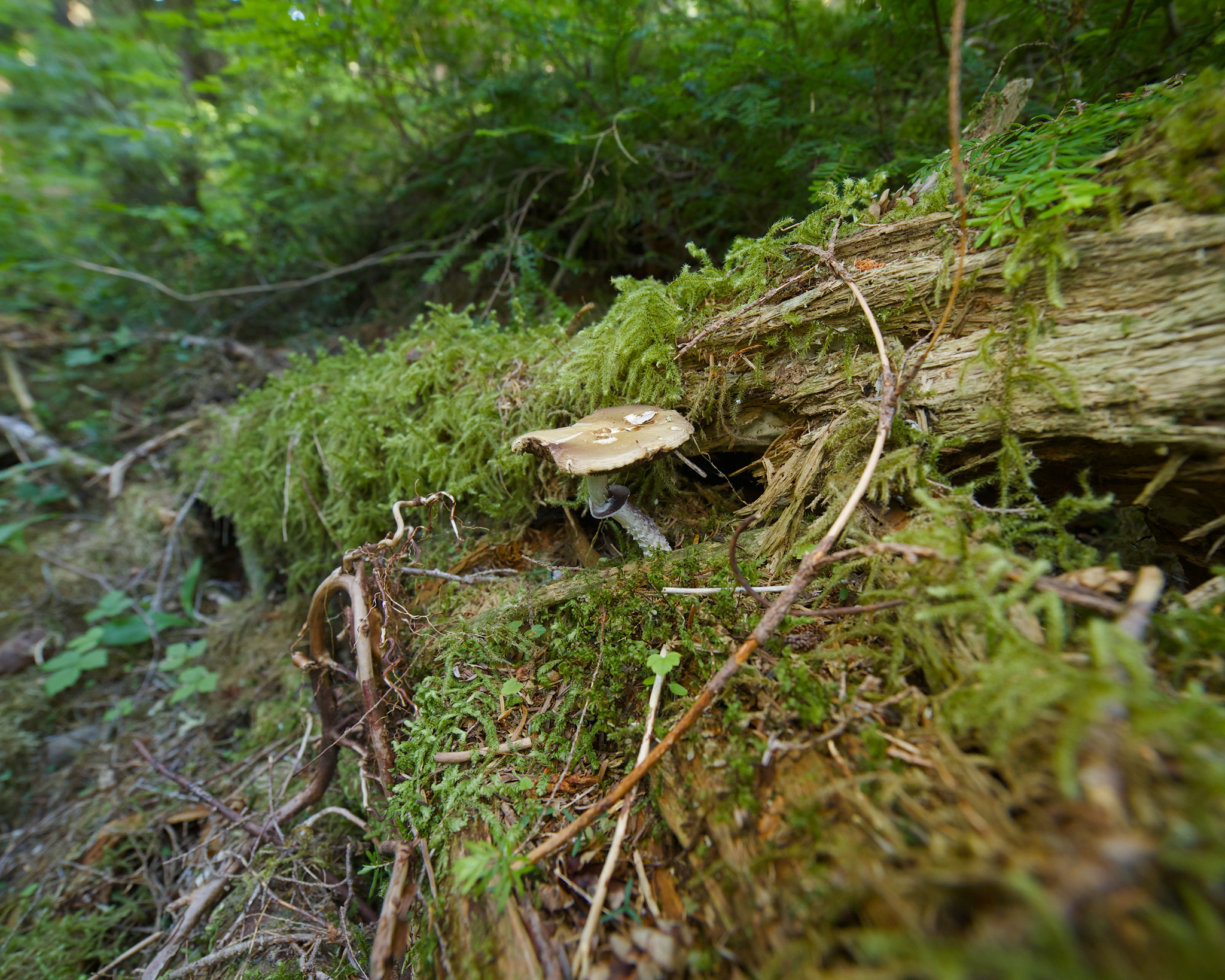
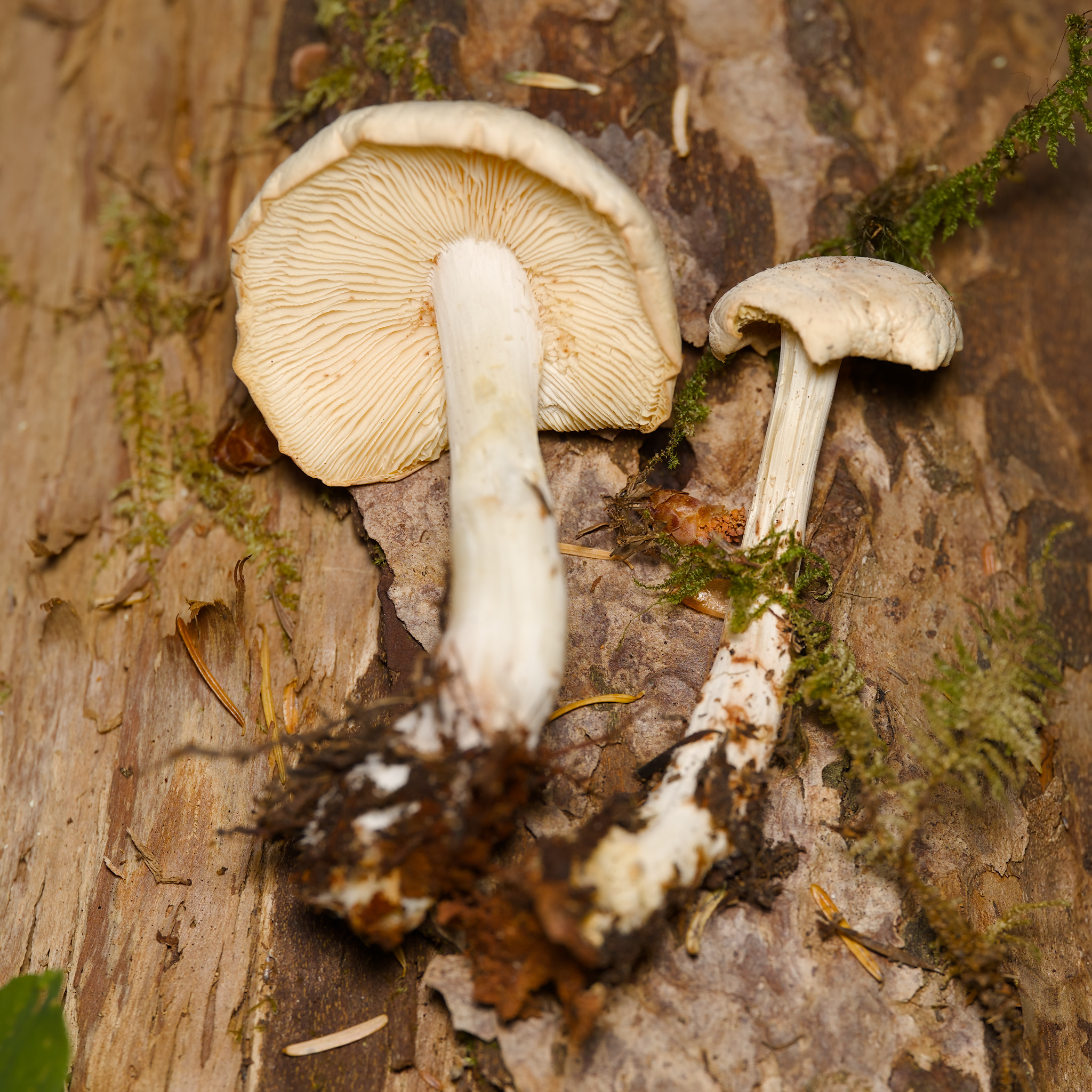
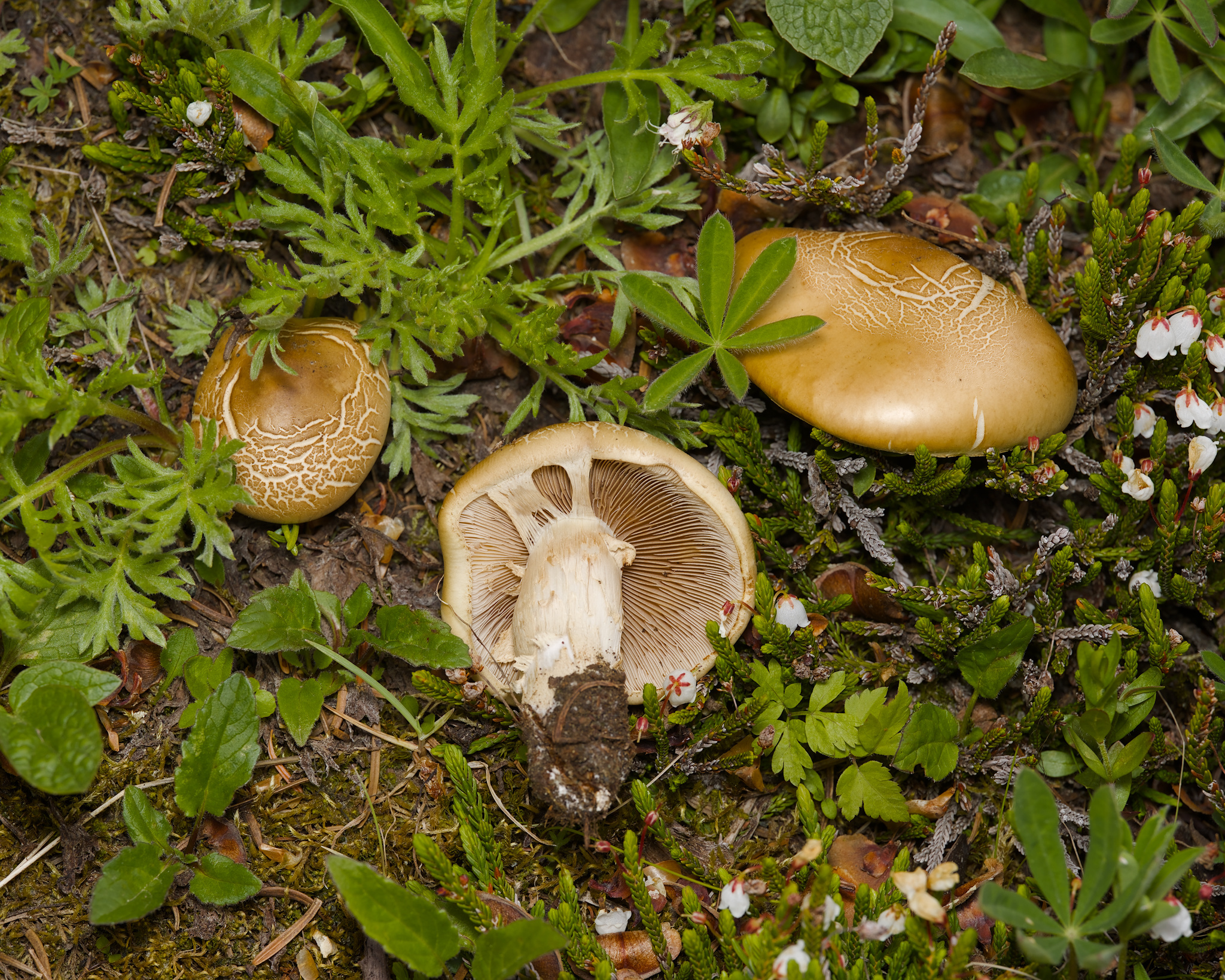
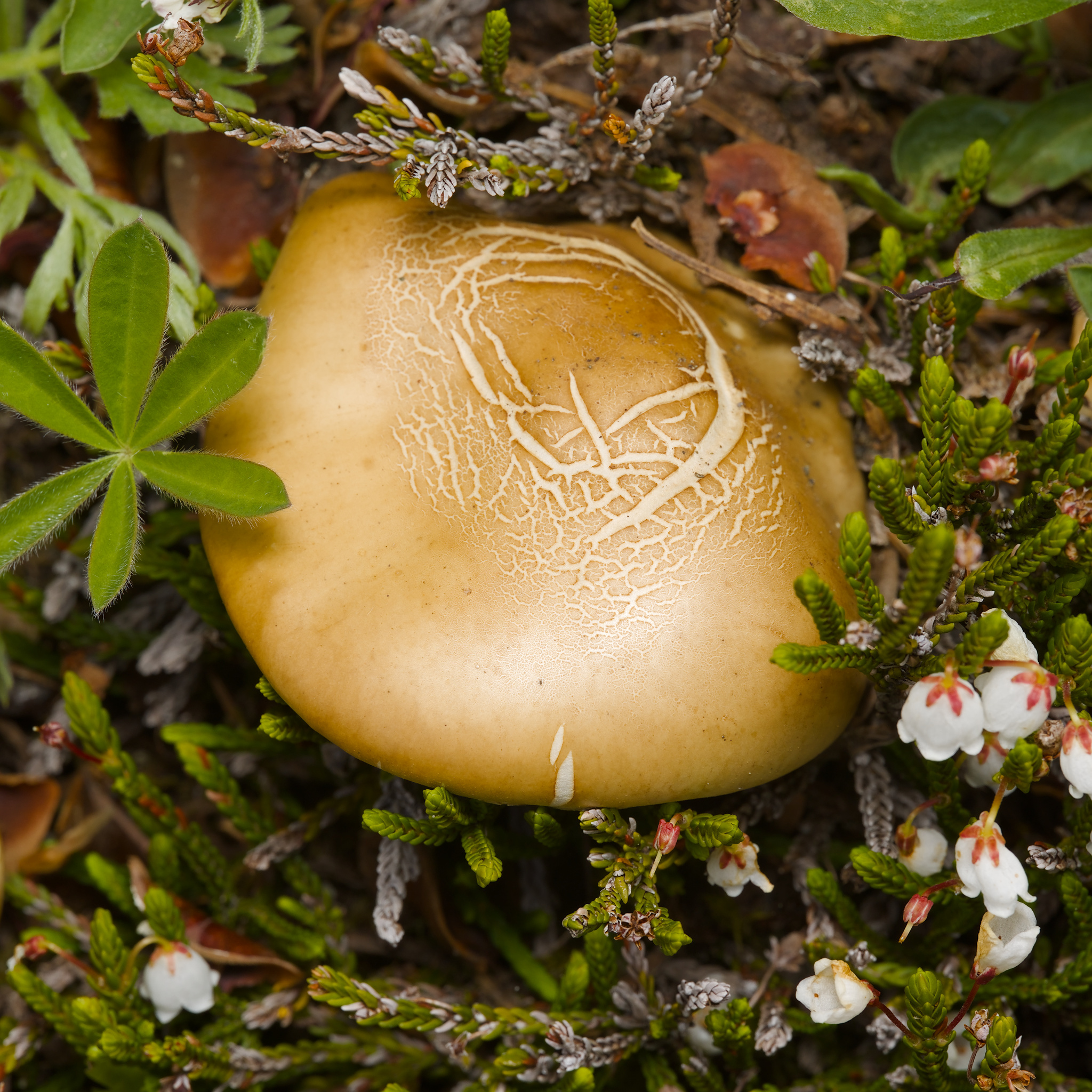
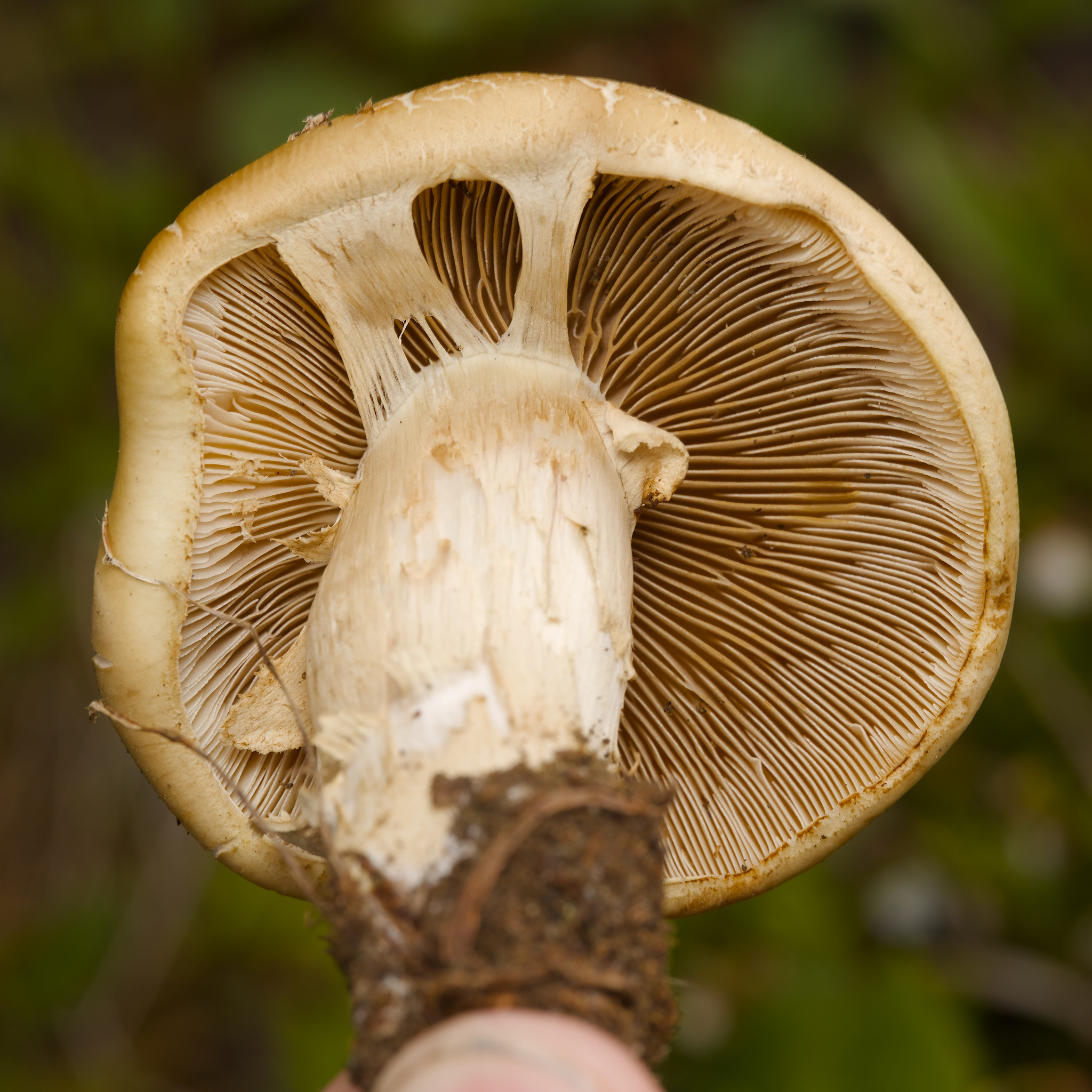
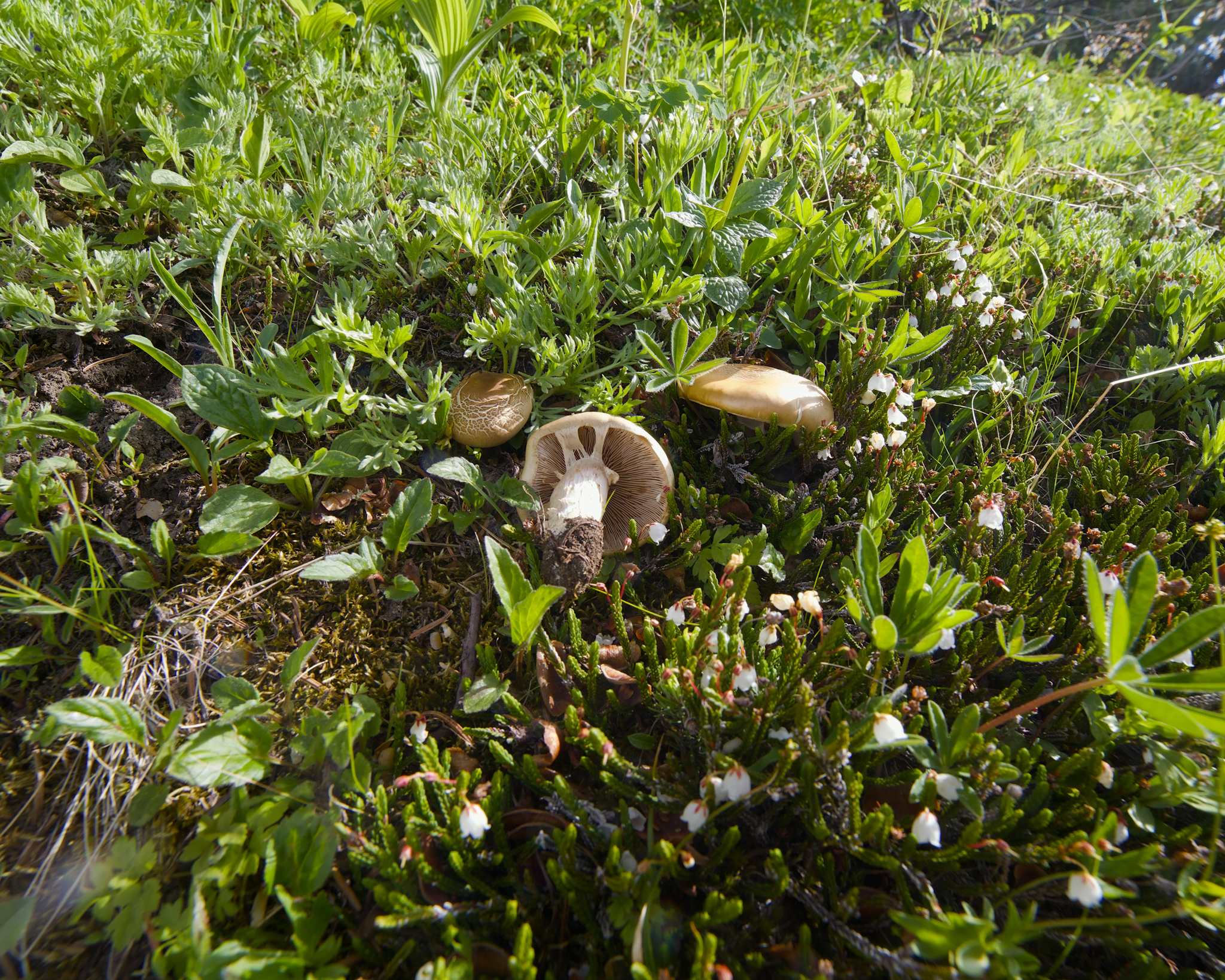
For our first collection of June we have this bunch of
Kuehneromyces. Some recent interactions with friends and some photos from Europe leave me wondering how often either of our common species are mixed with
Galerina. Not confused with but, actually mixed together on a log. For here I think we are still assuming this will come back with a sequence similar to the other PNW
K. mutabilis sequences.
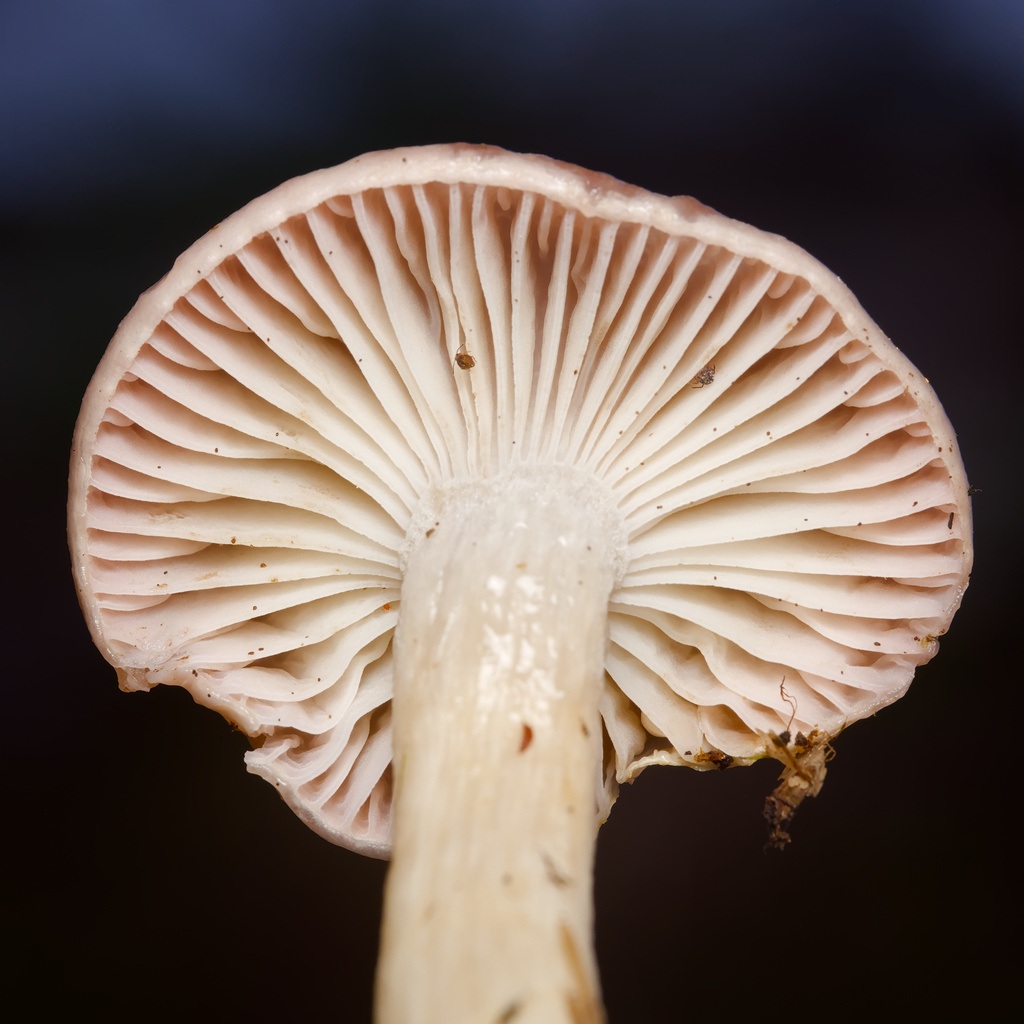
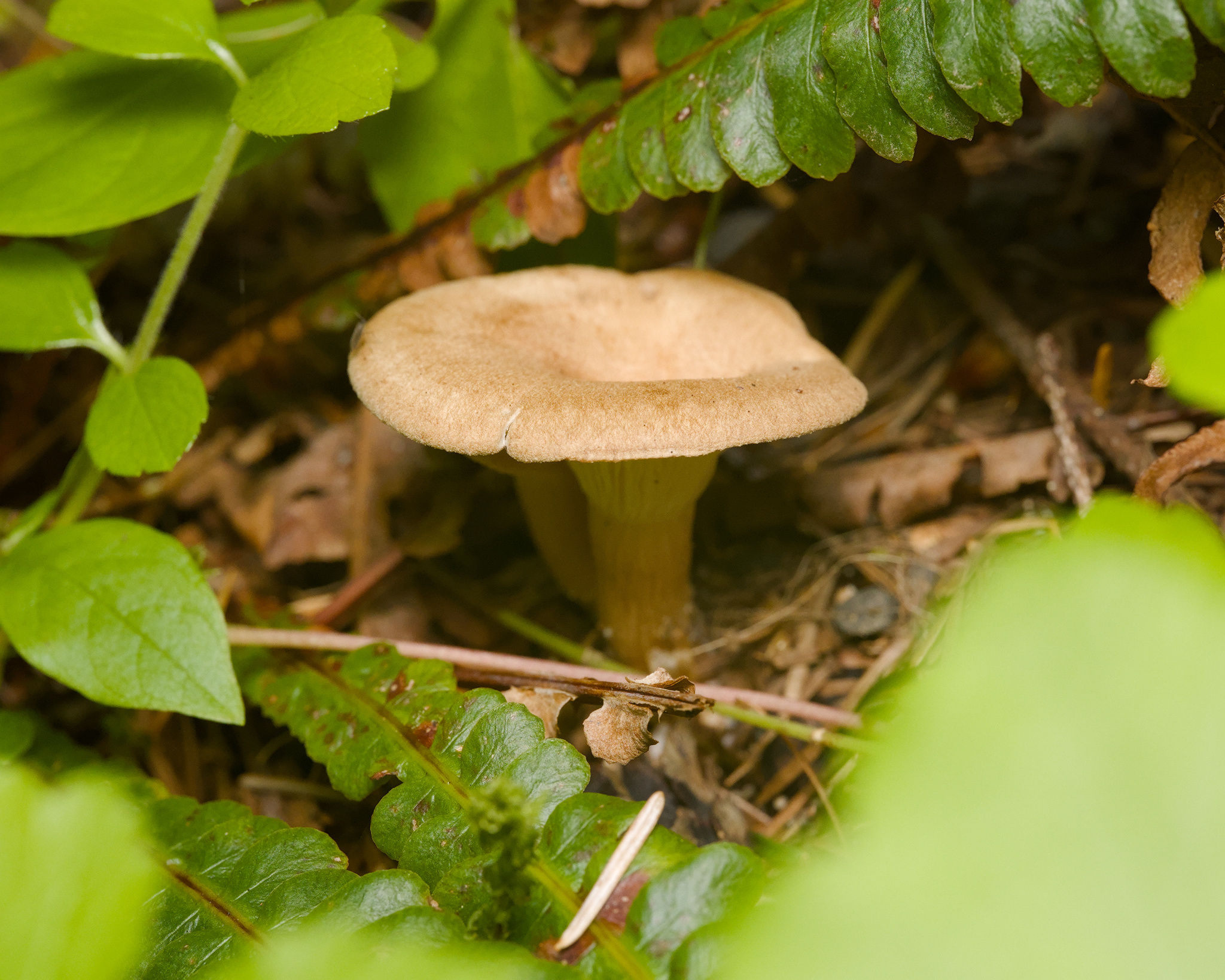
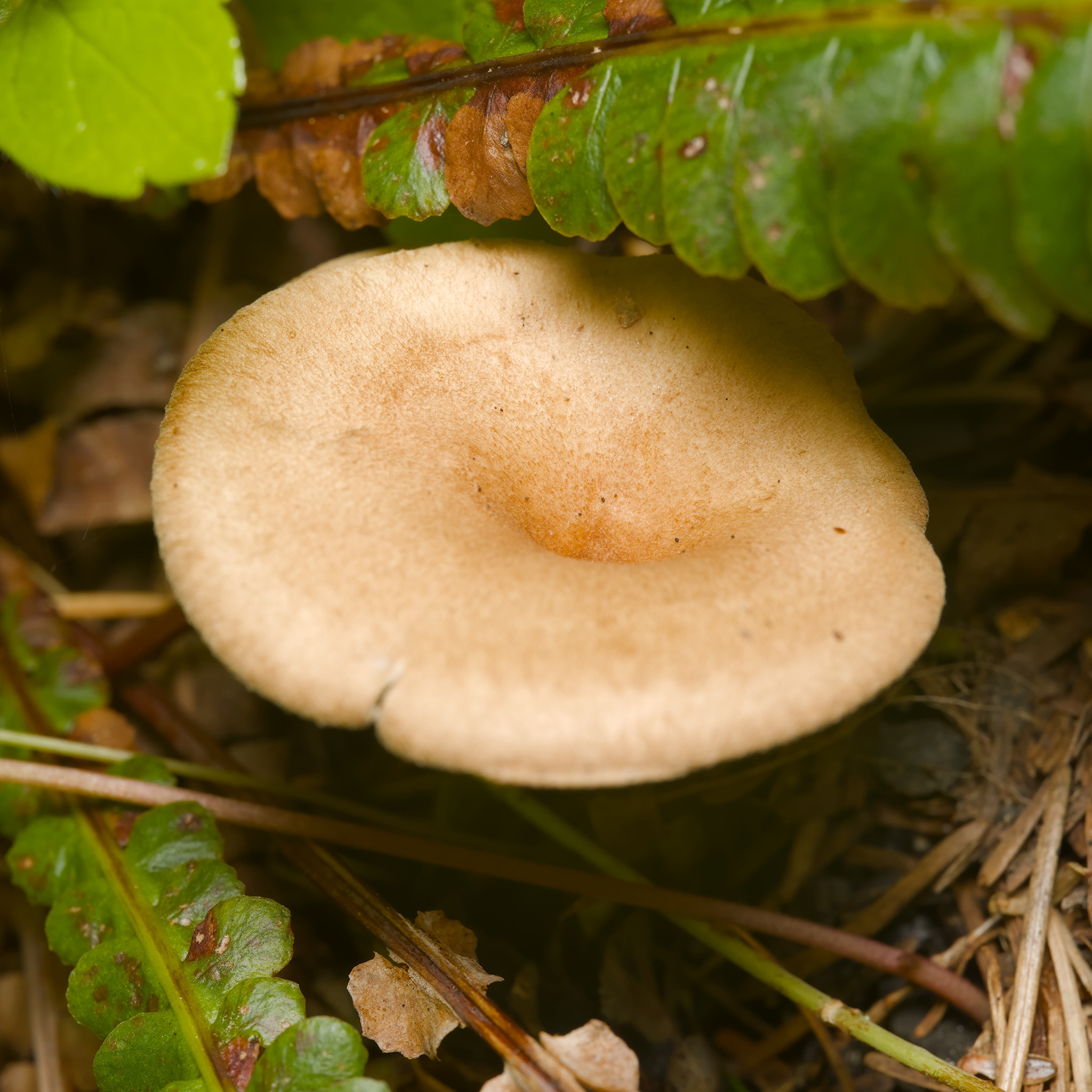
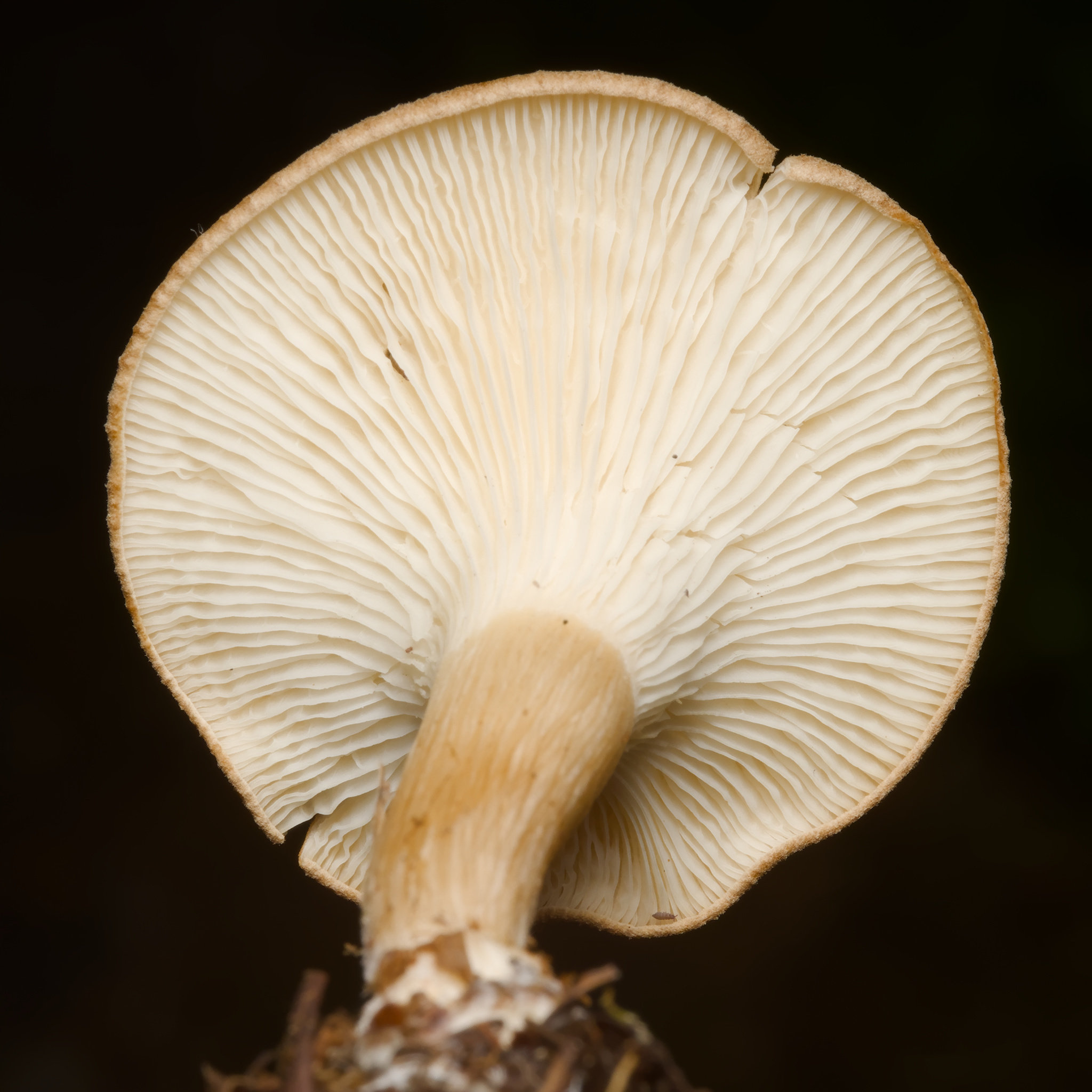
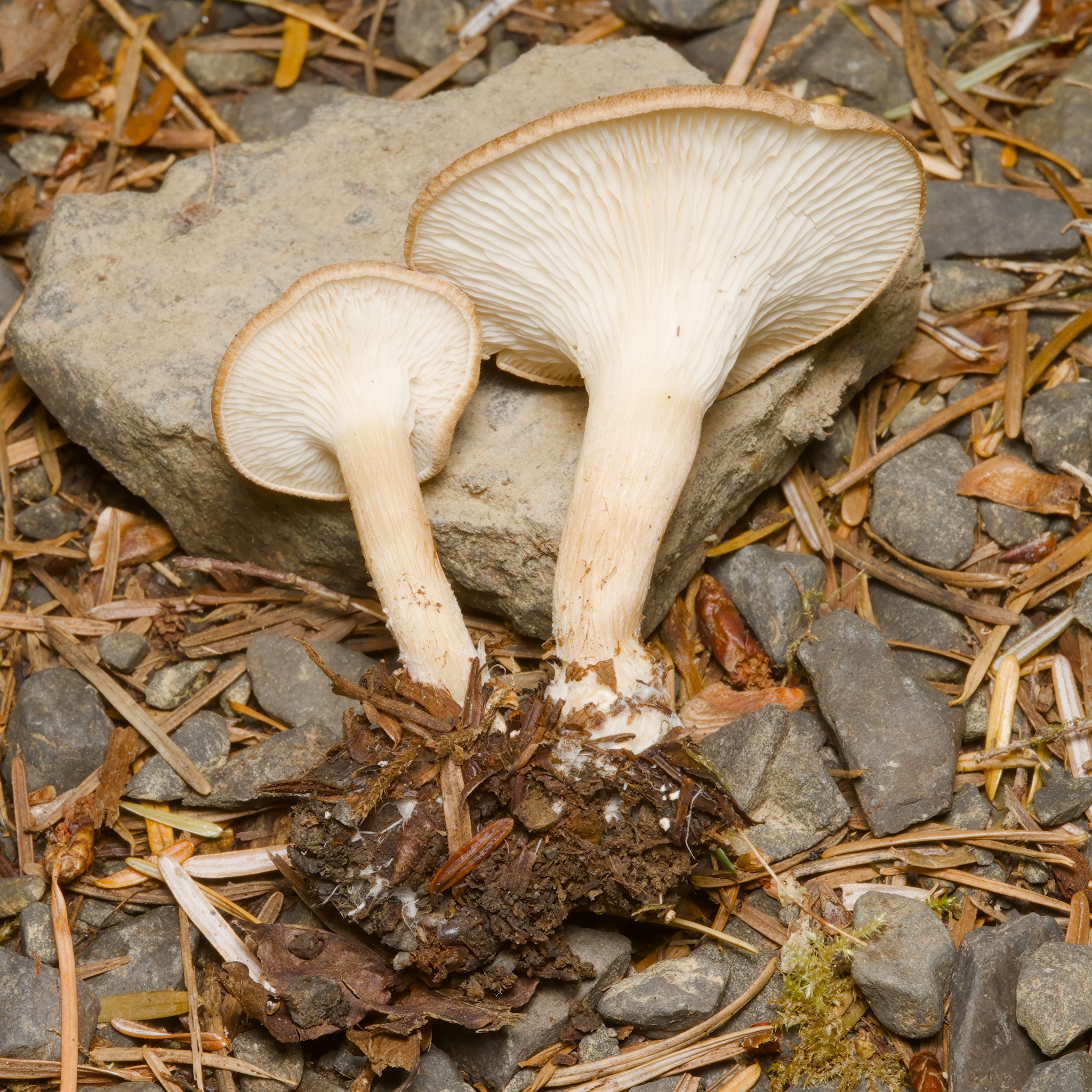
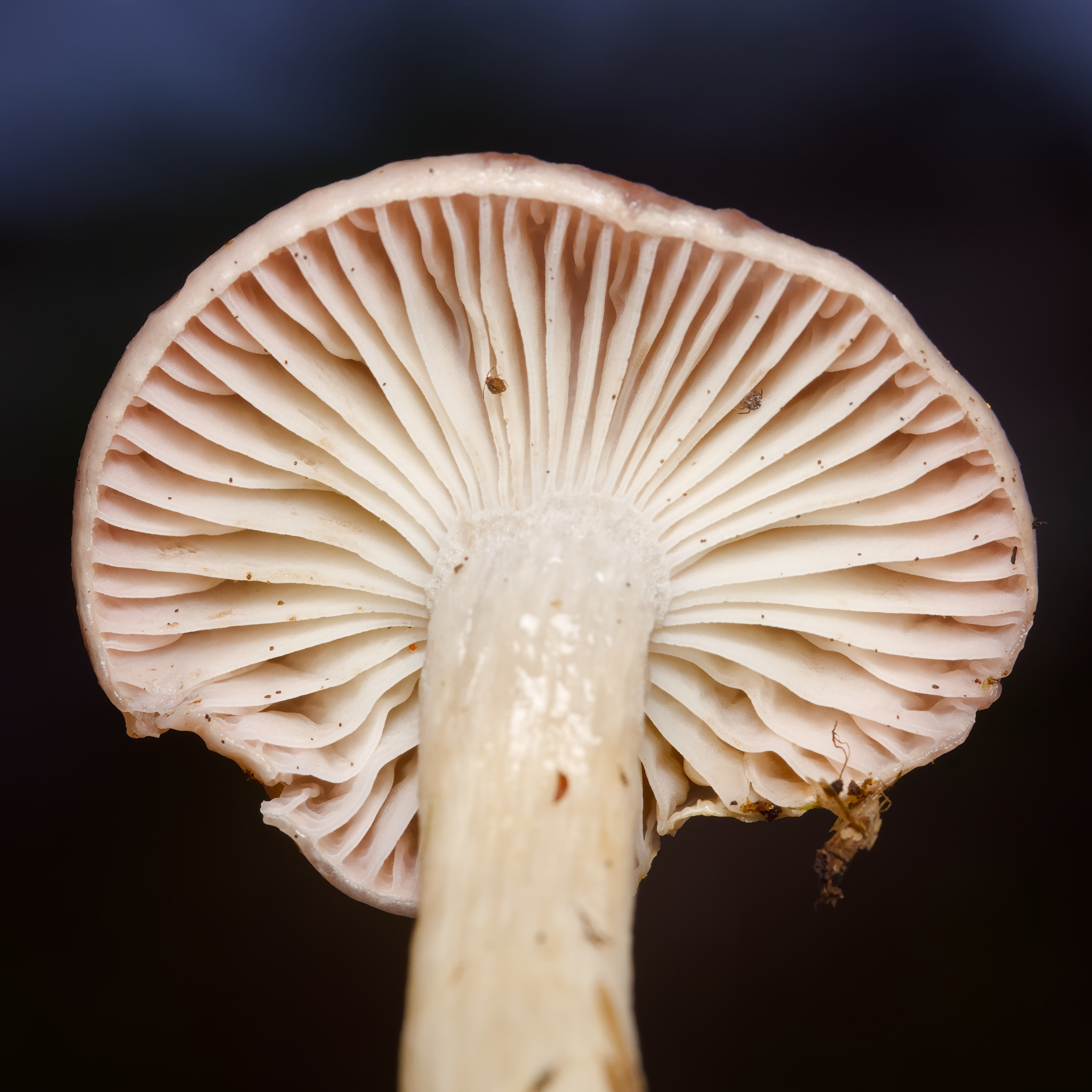
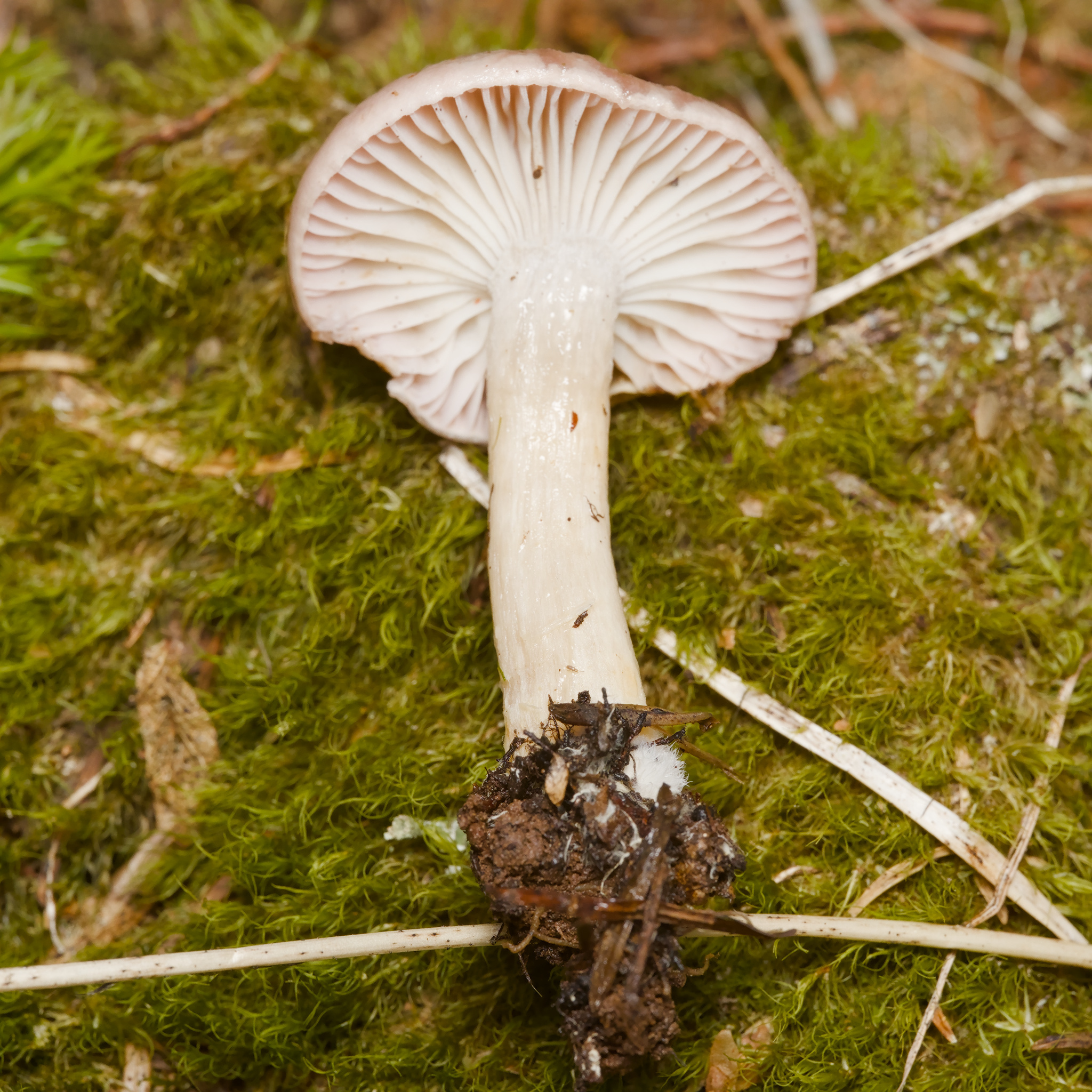
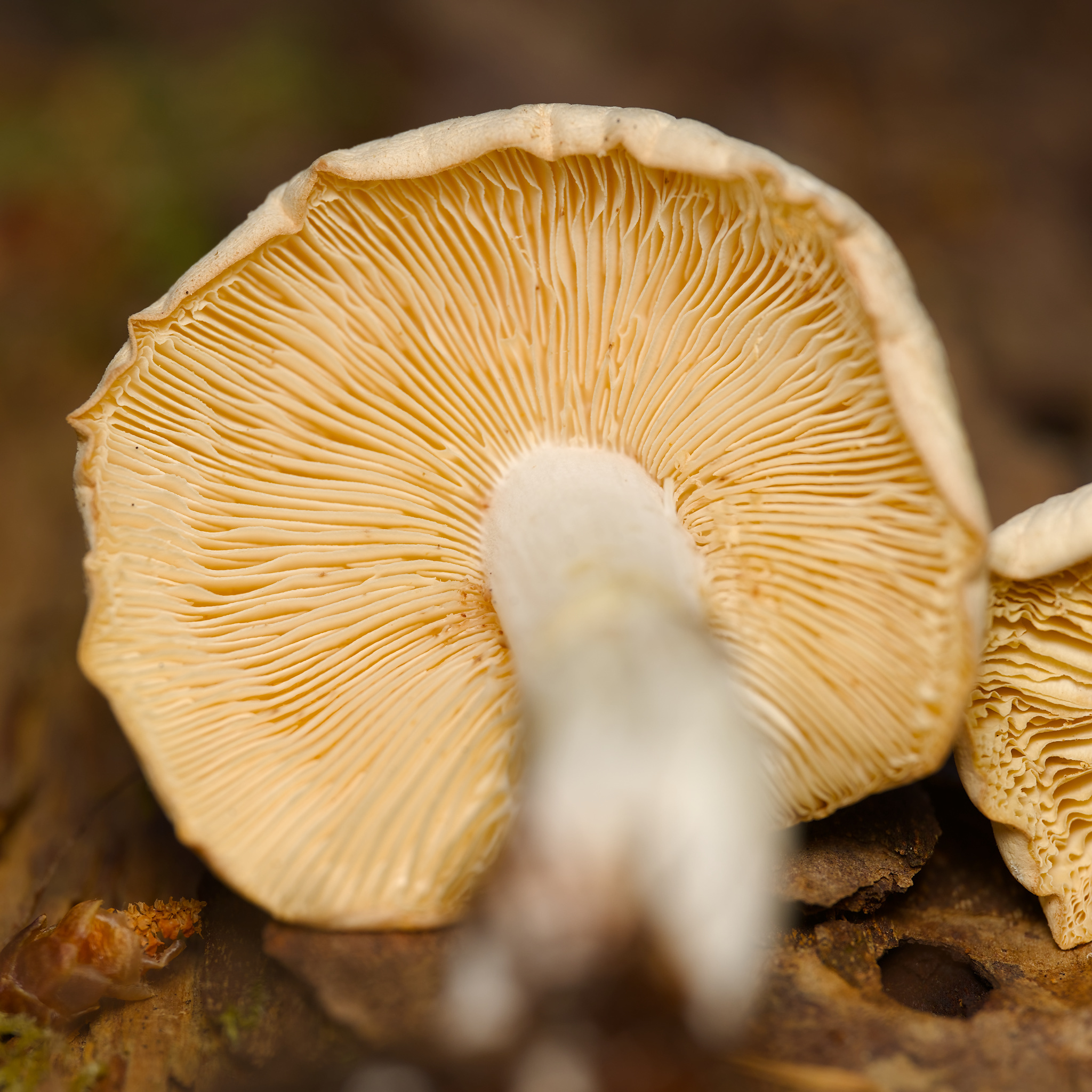
Very pretty clitocyboid thing that I am assuming is an
Infundibulicybe. I wasn't there to smell it but maybe Brodie can add a note as to odor. I enjoy most clitocyboid mushrooms with Paralepista being one of my favorite genera. We may want to rule out other clitocyboids here, with the business of life the sequence may beat us to it.
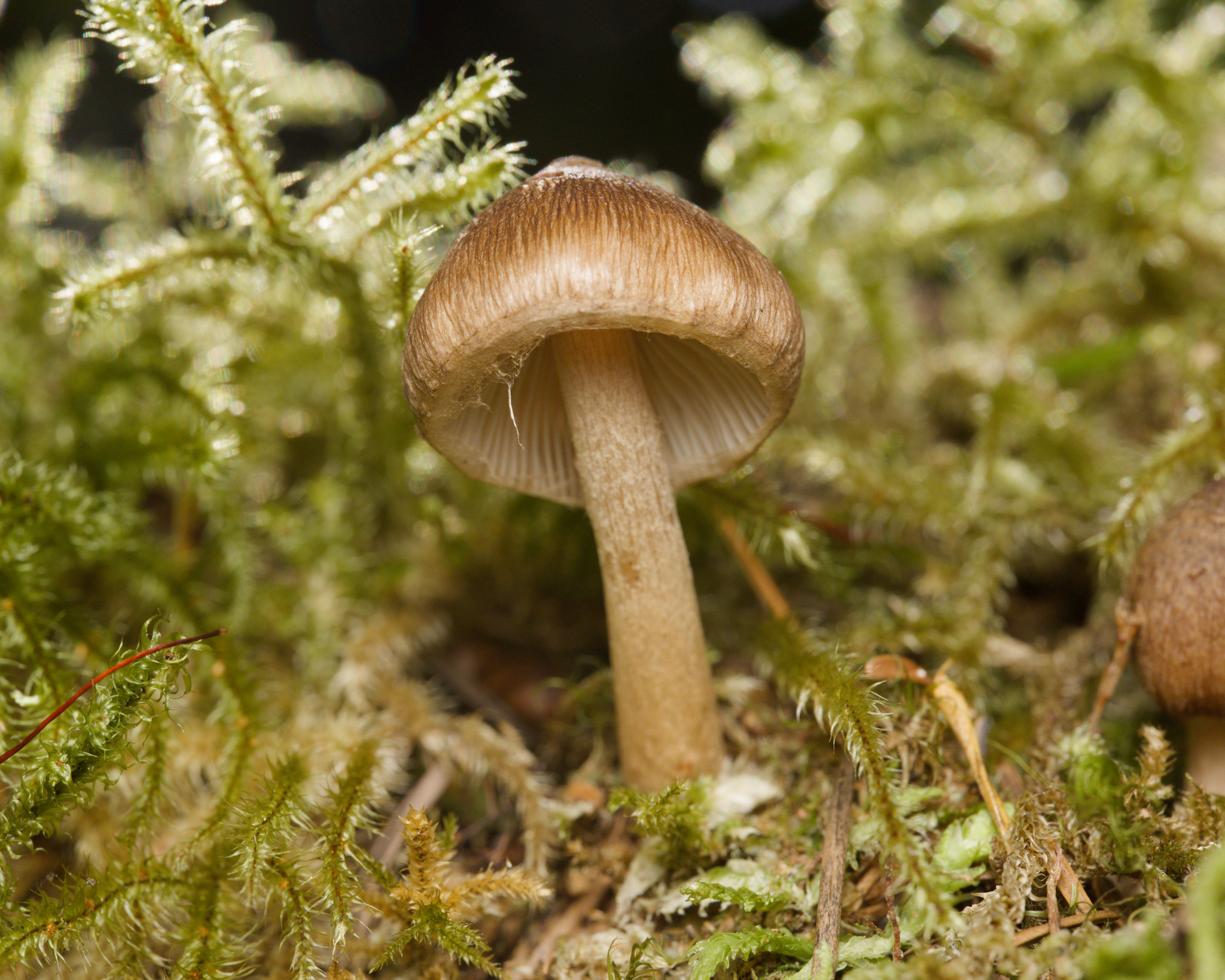
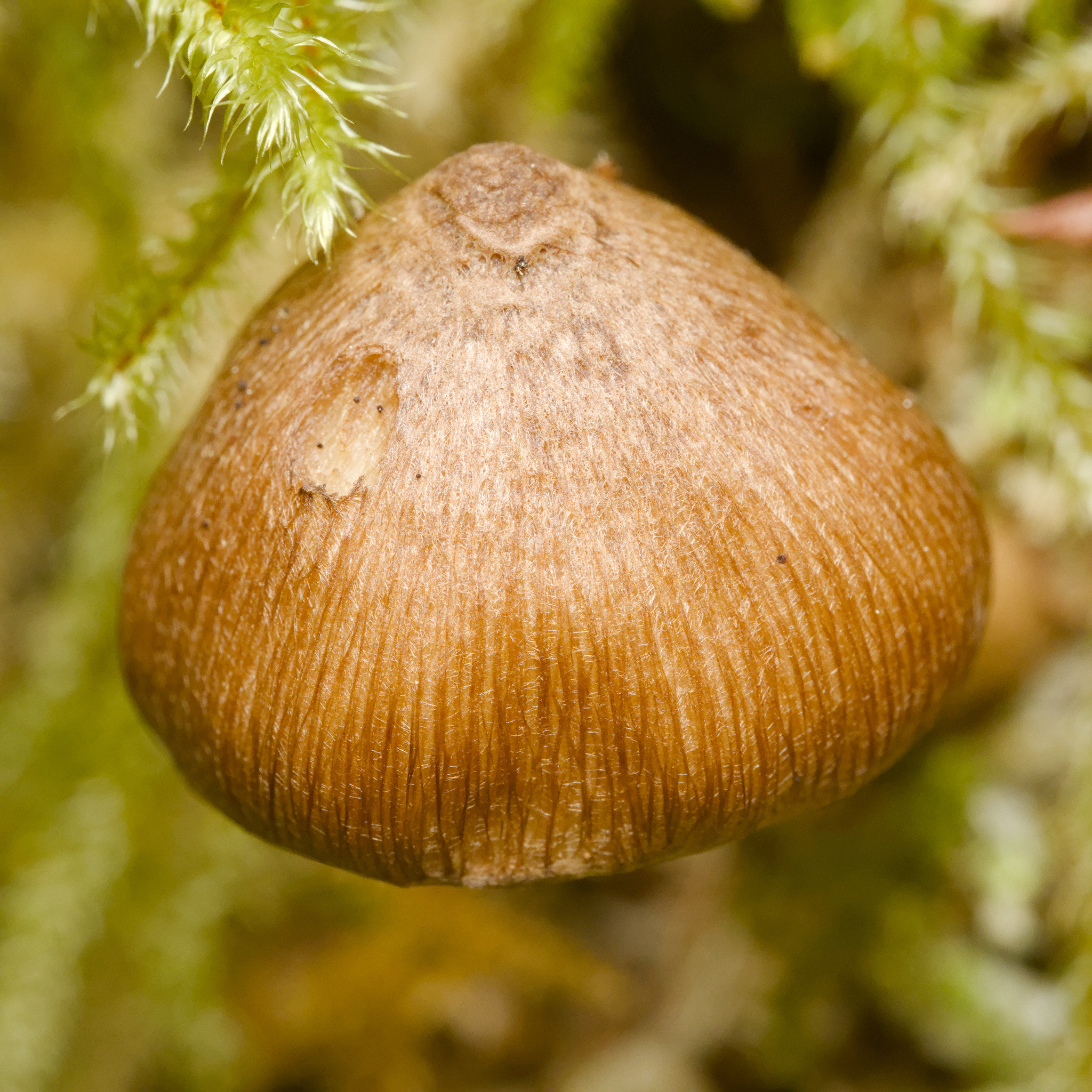
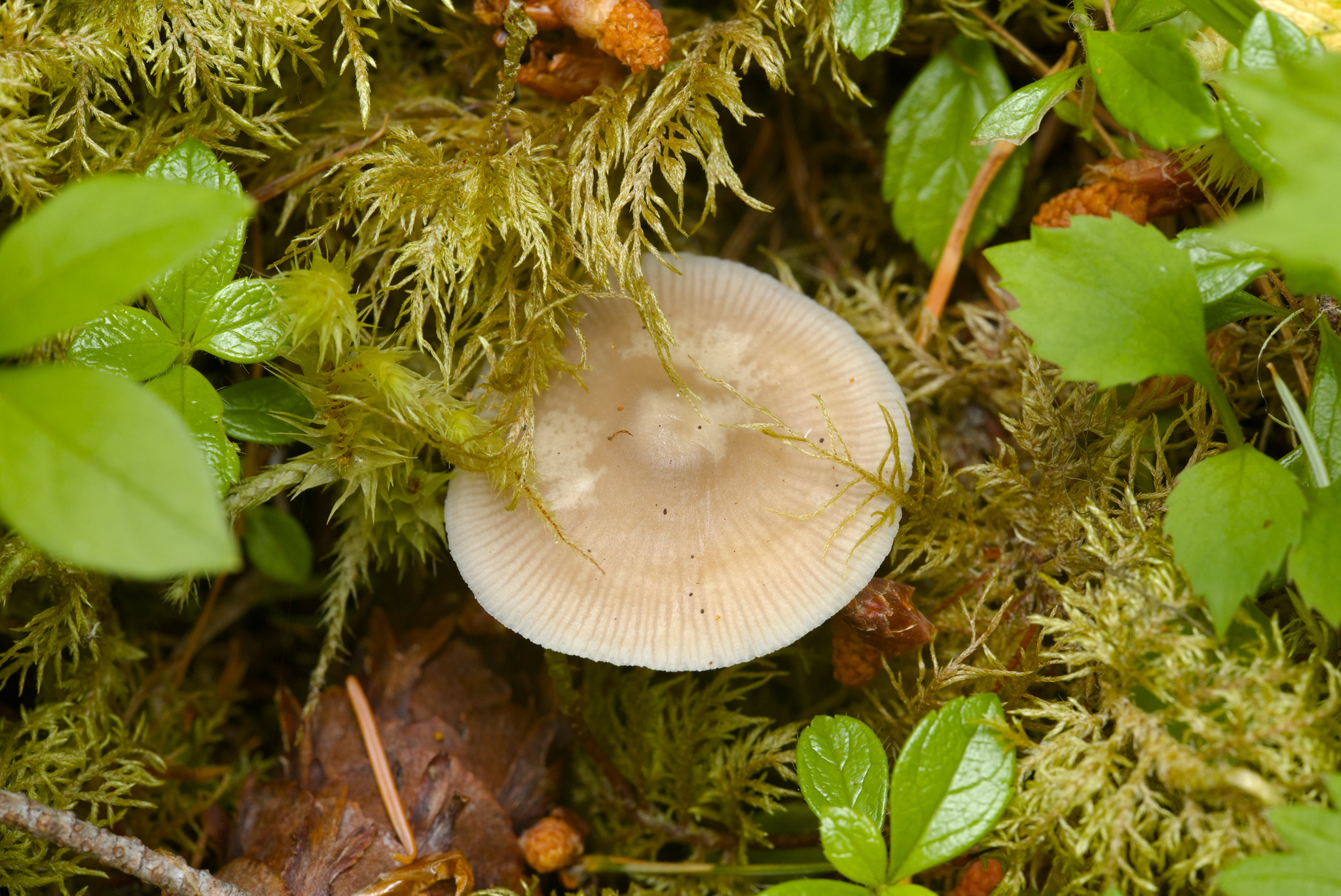
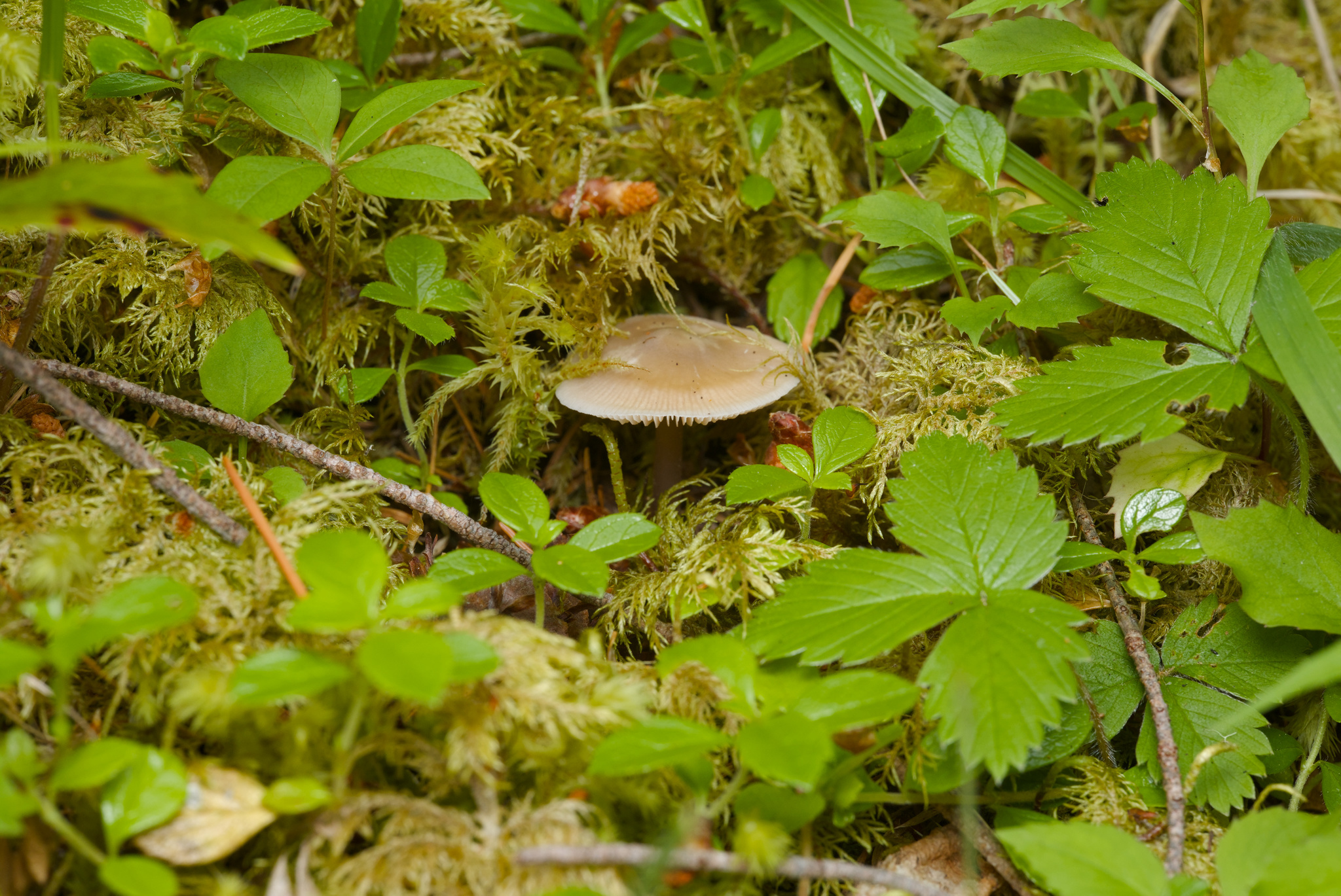
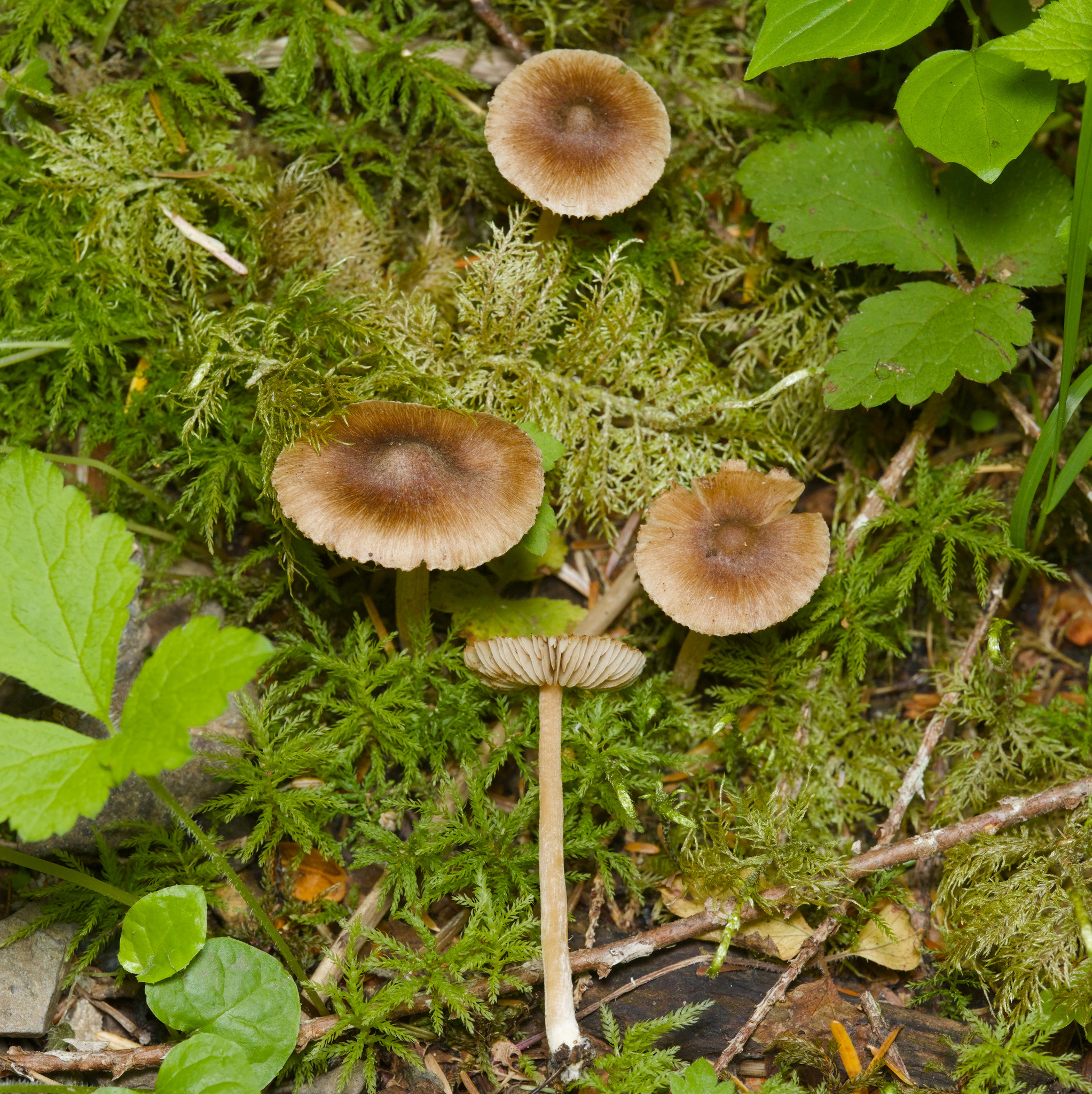
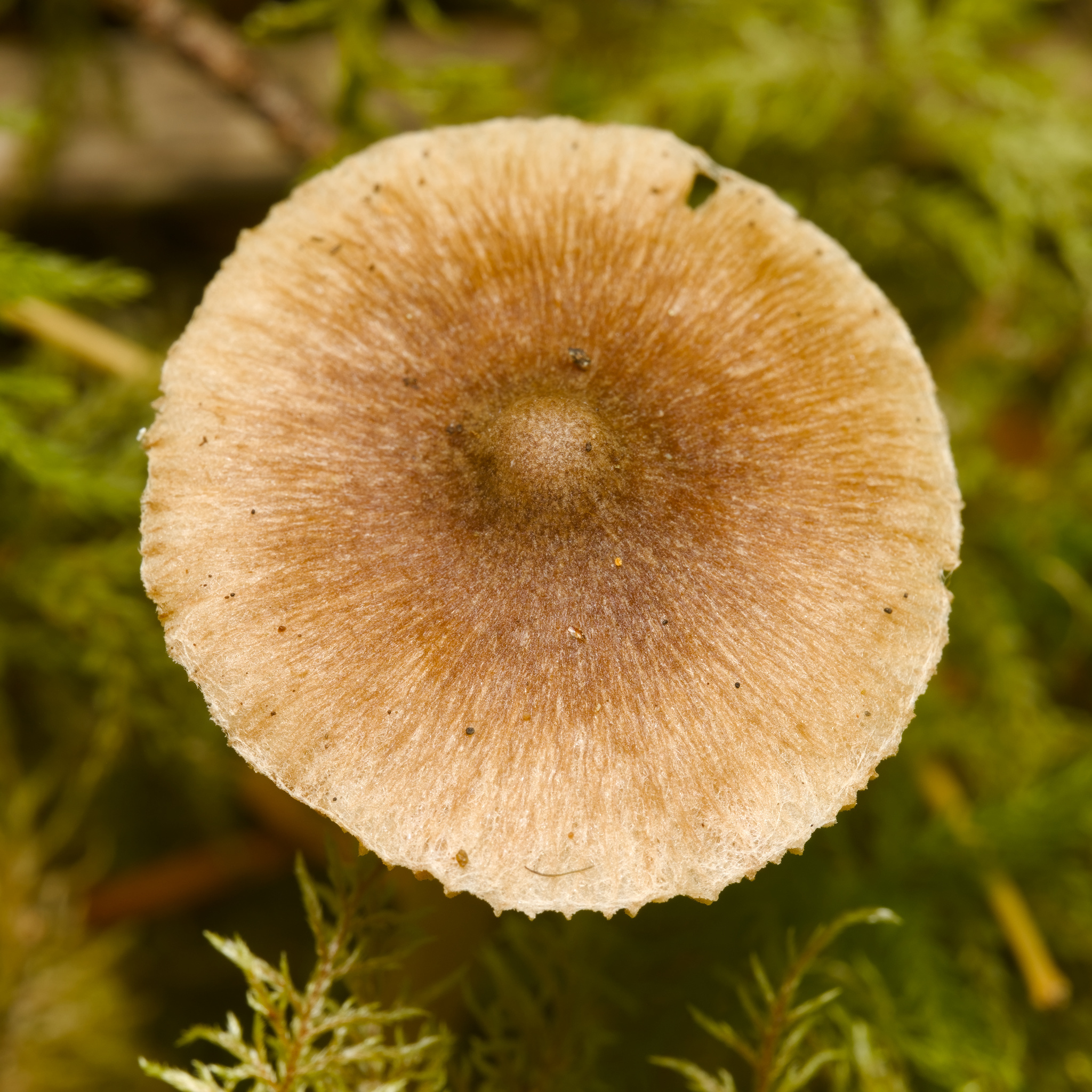
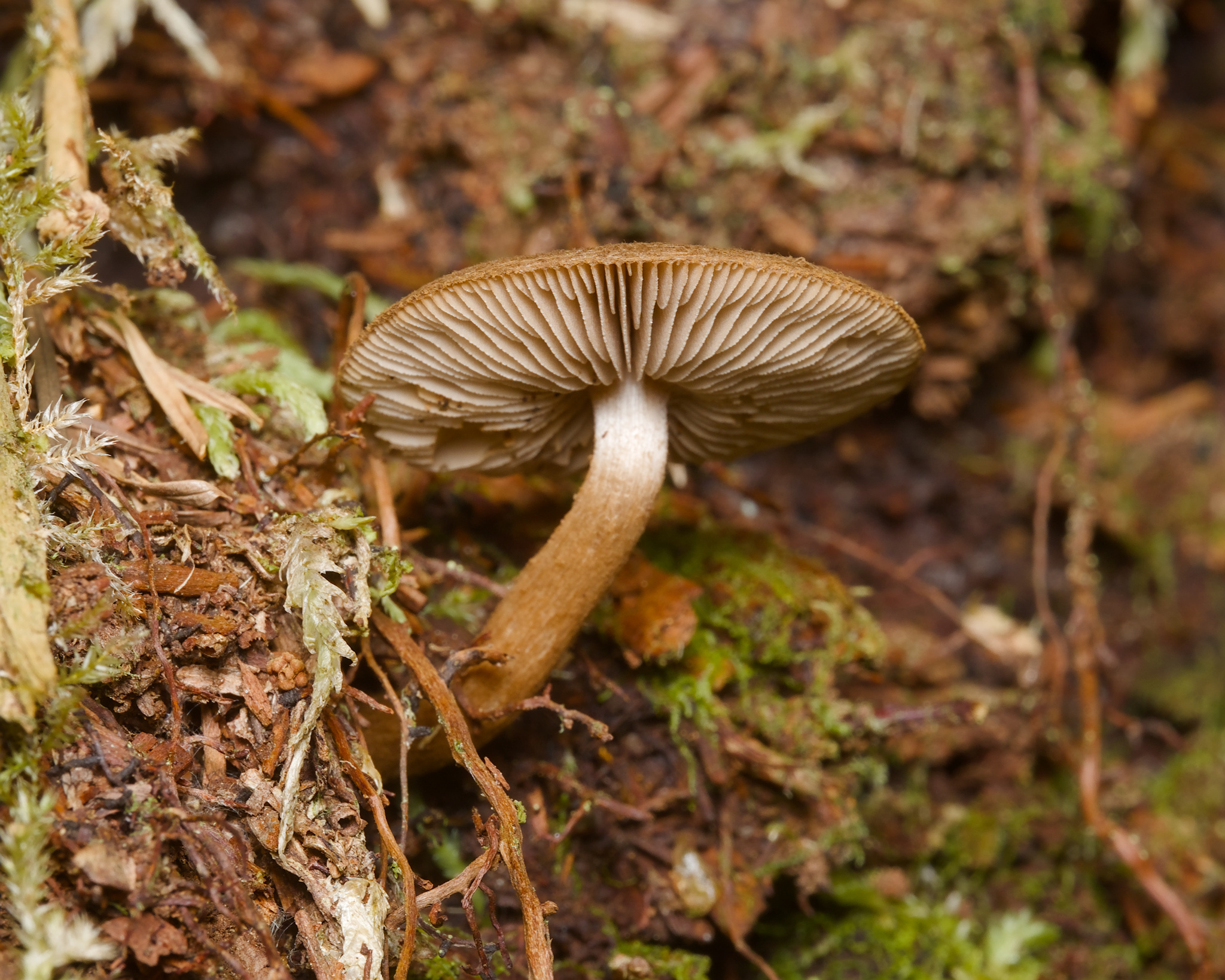
Small cute inocyboid deal for number 3. It's funny, I think as with most people, I struggle to pin down random
Inocybaceae. However I would say that it is almost always easy to spot that it's in the family. It would be more funny if the assumption was wrong here, but I don't think it is. Perhaps section
Marginatae as Andrew has suggested or hard maybe on
Pseudosperma.
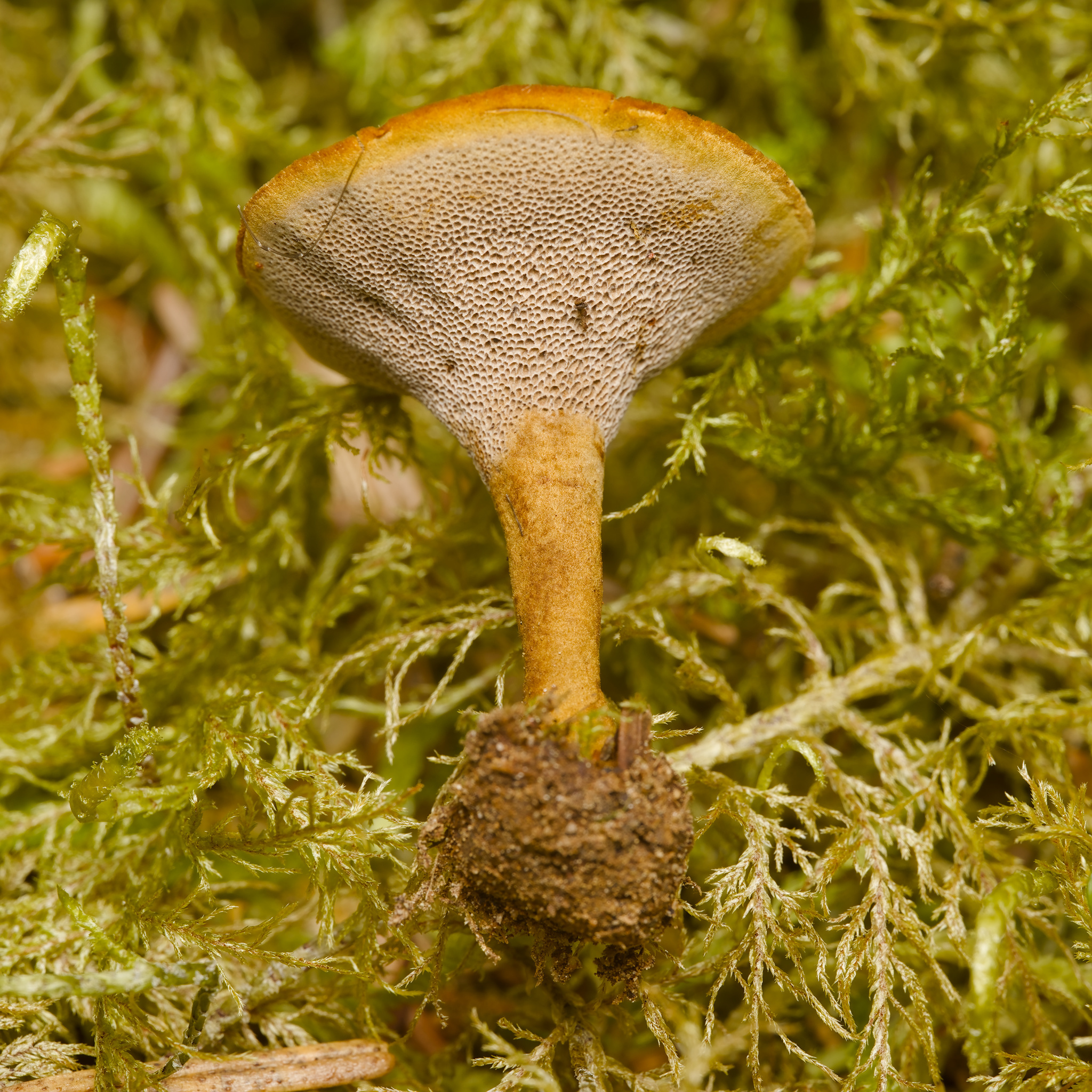
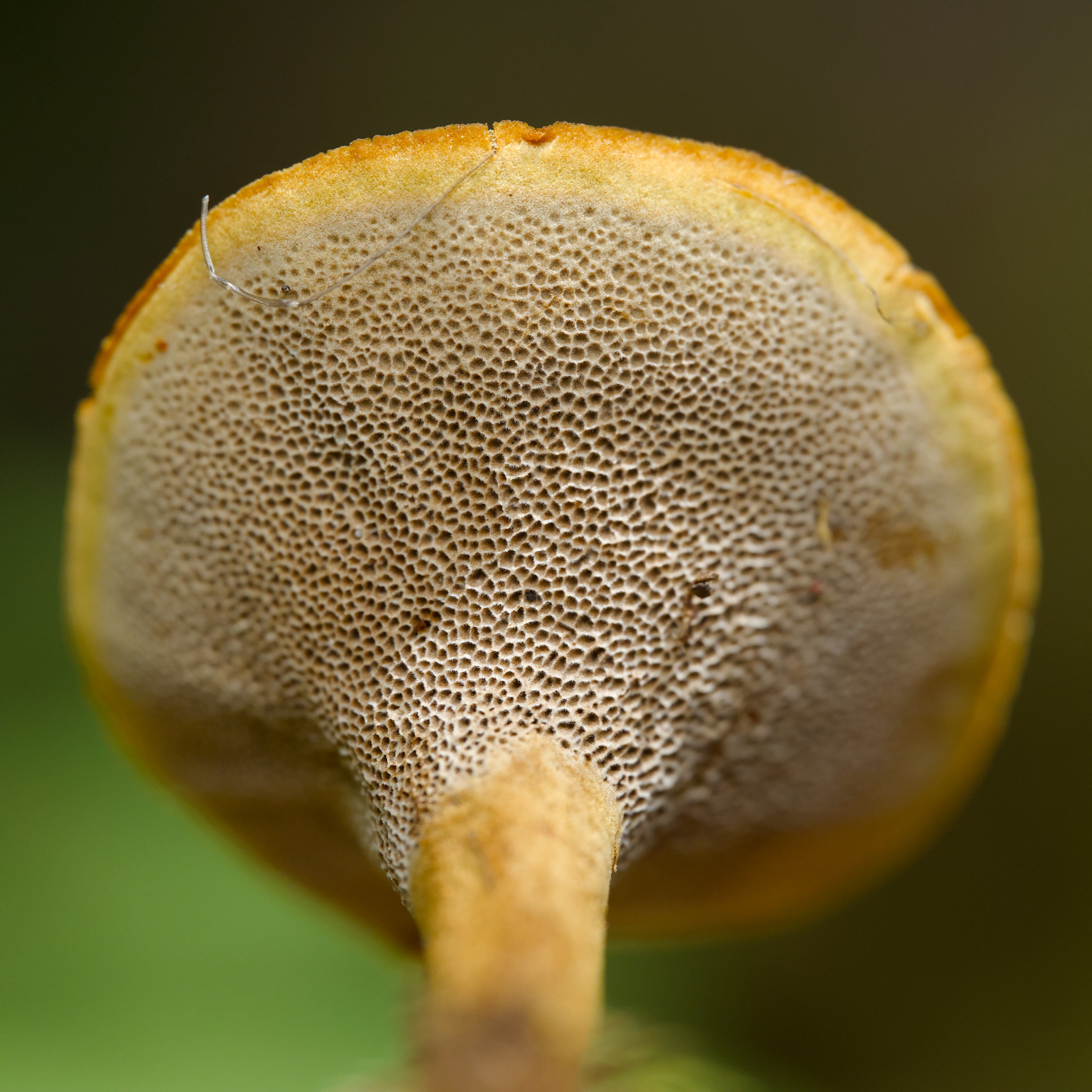
I think our current ID here is
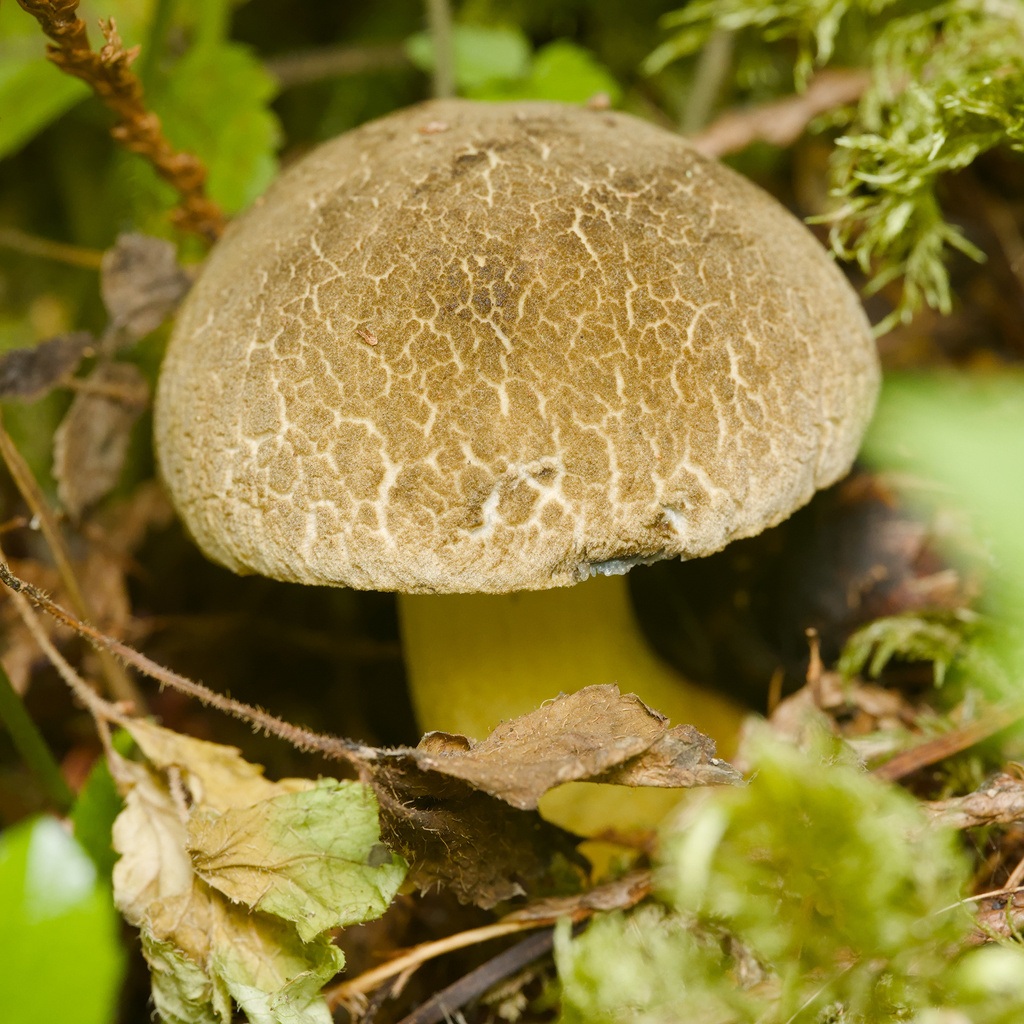
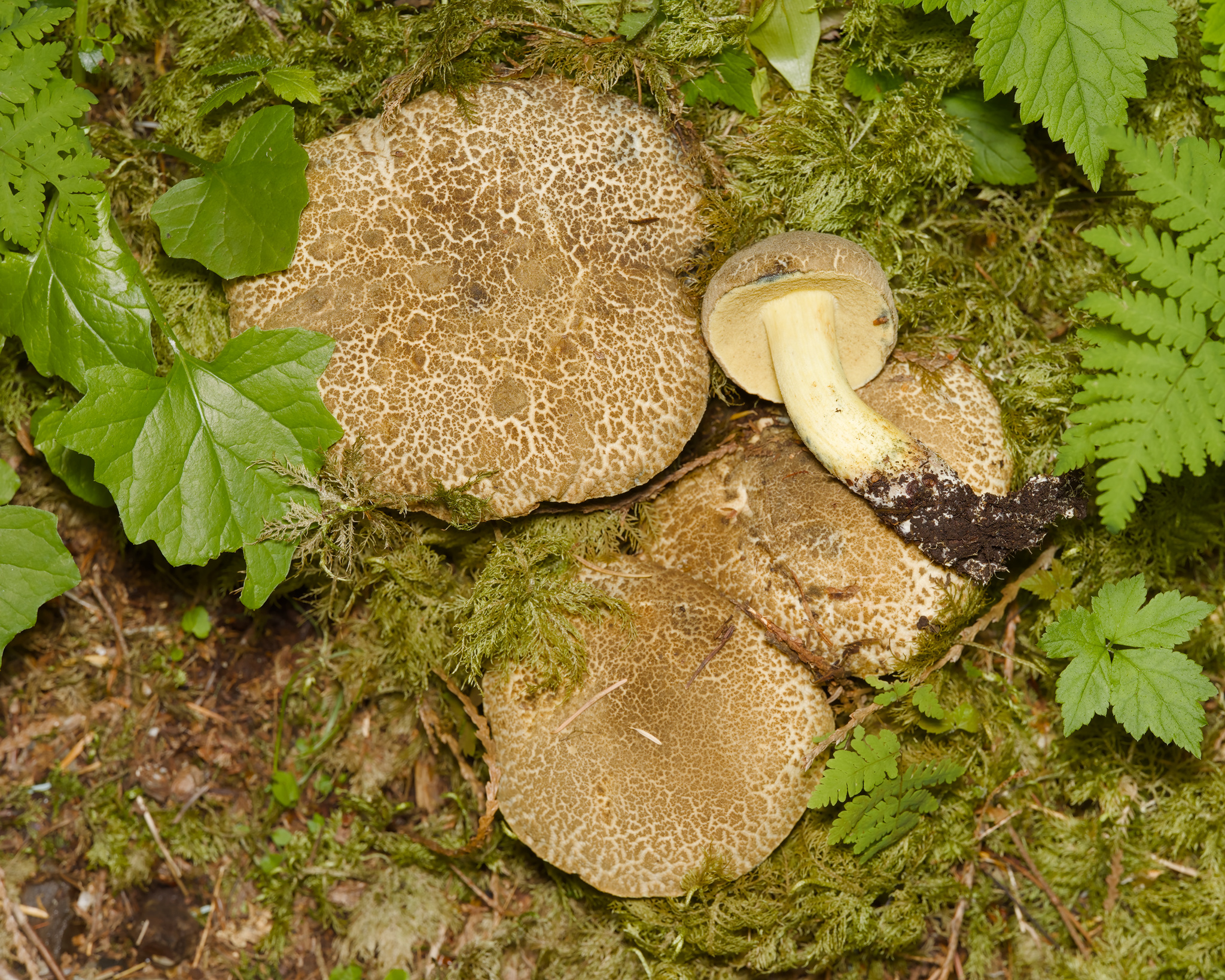
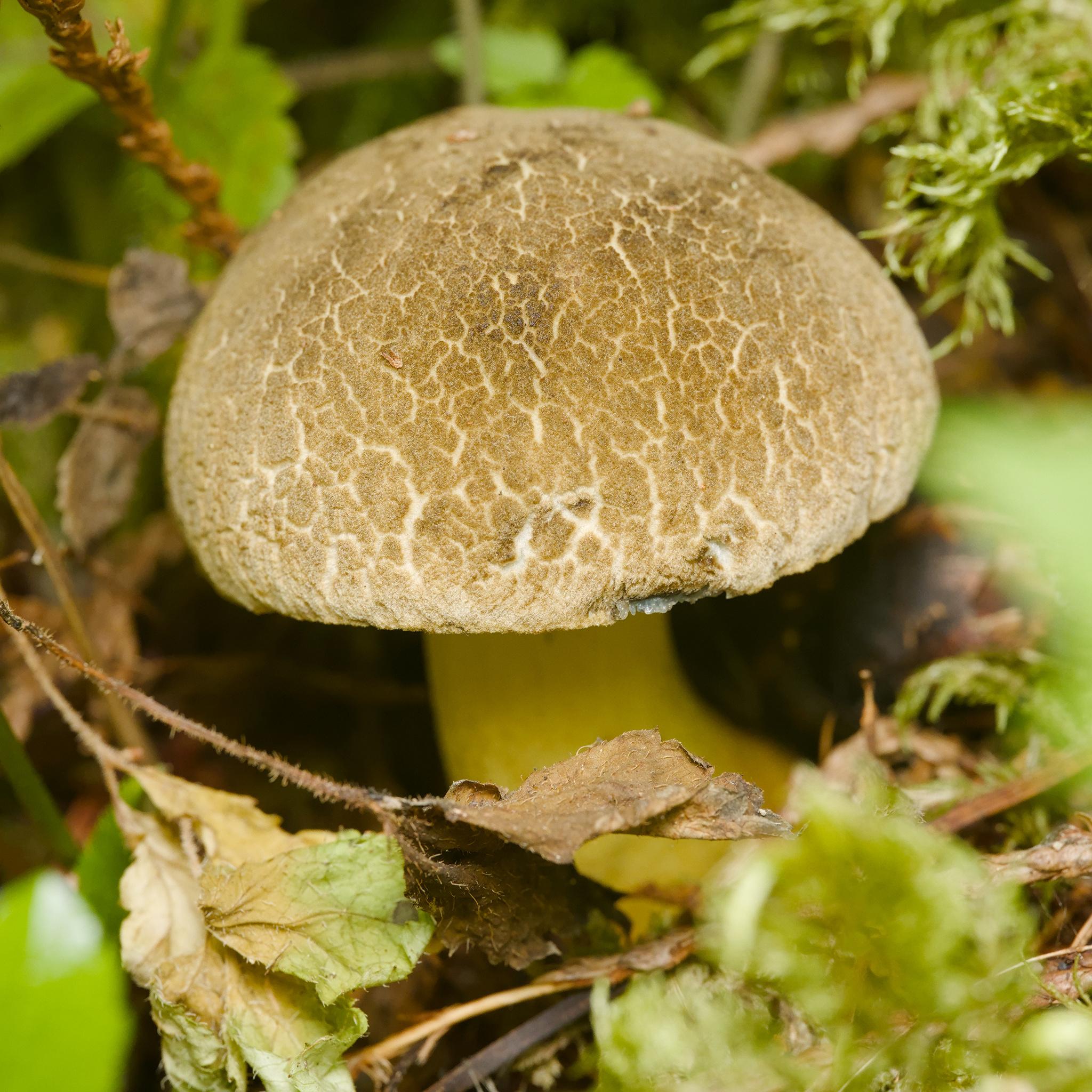
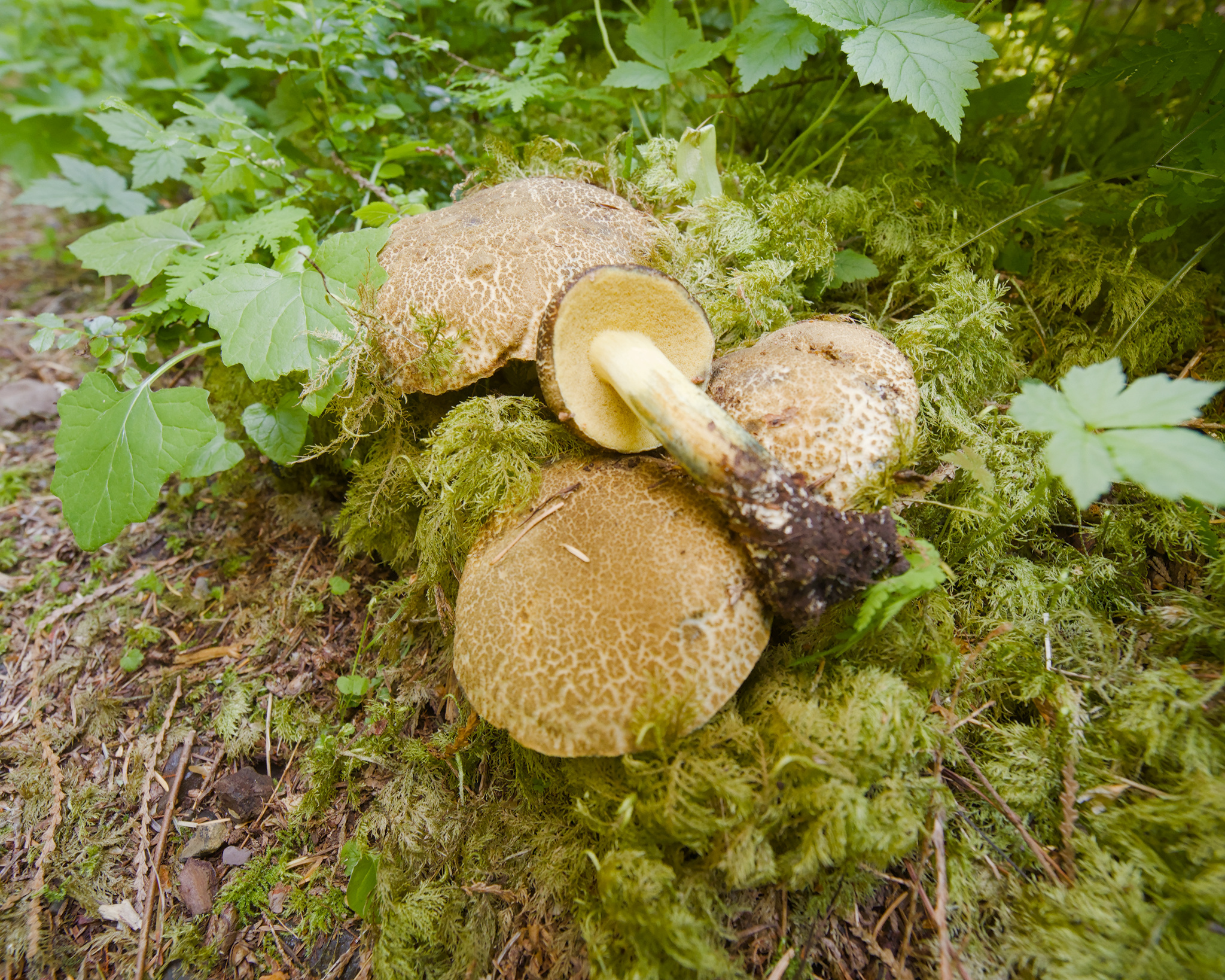
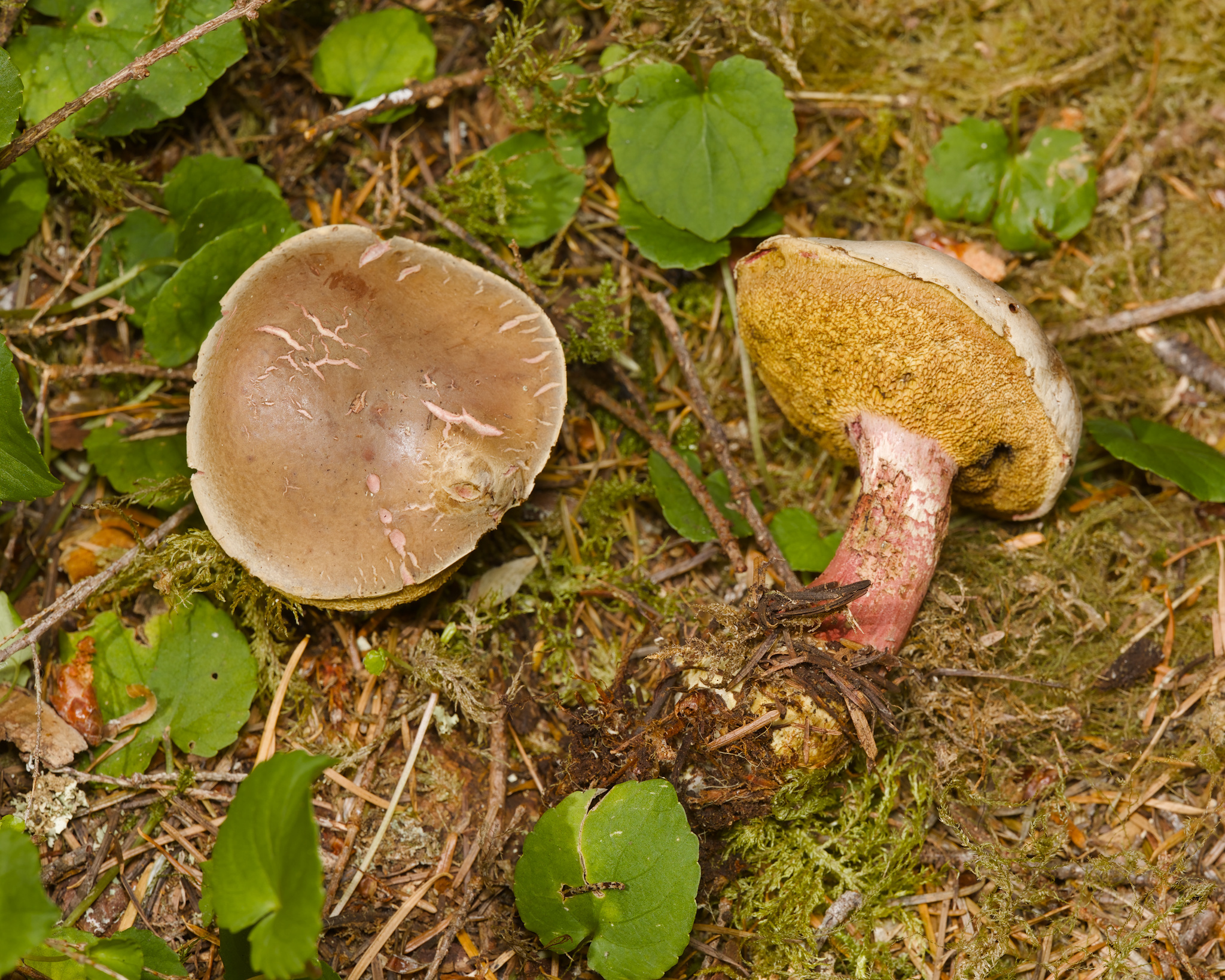
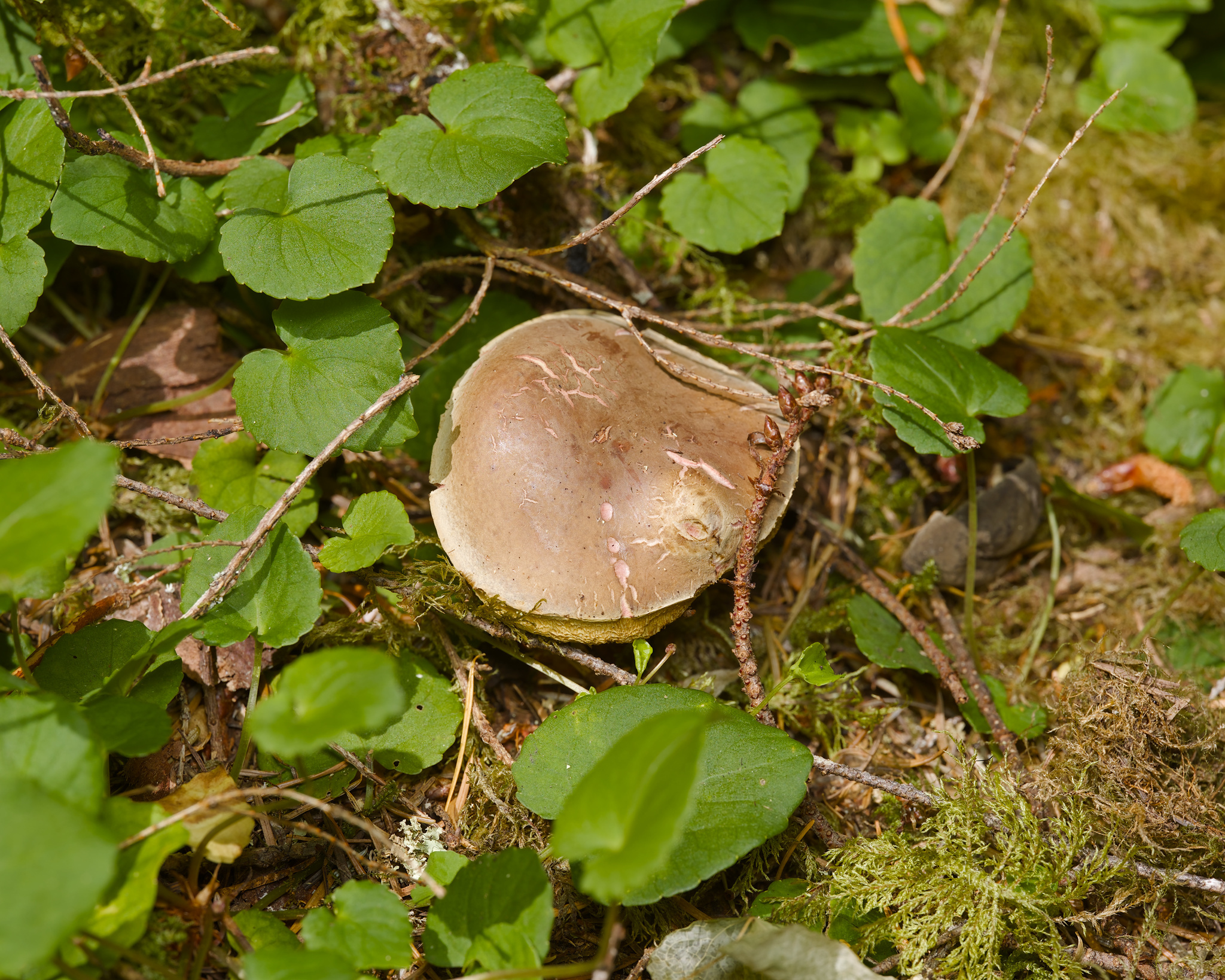
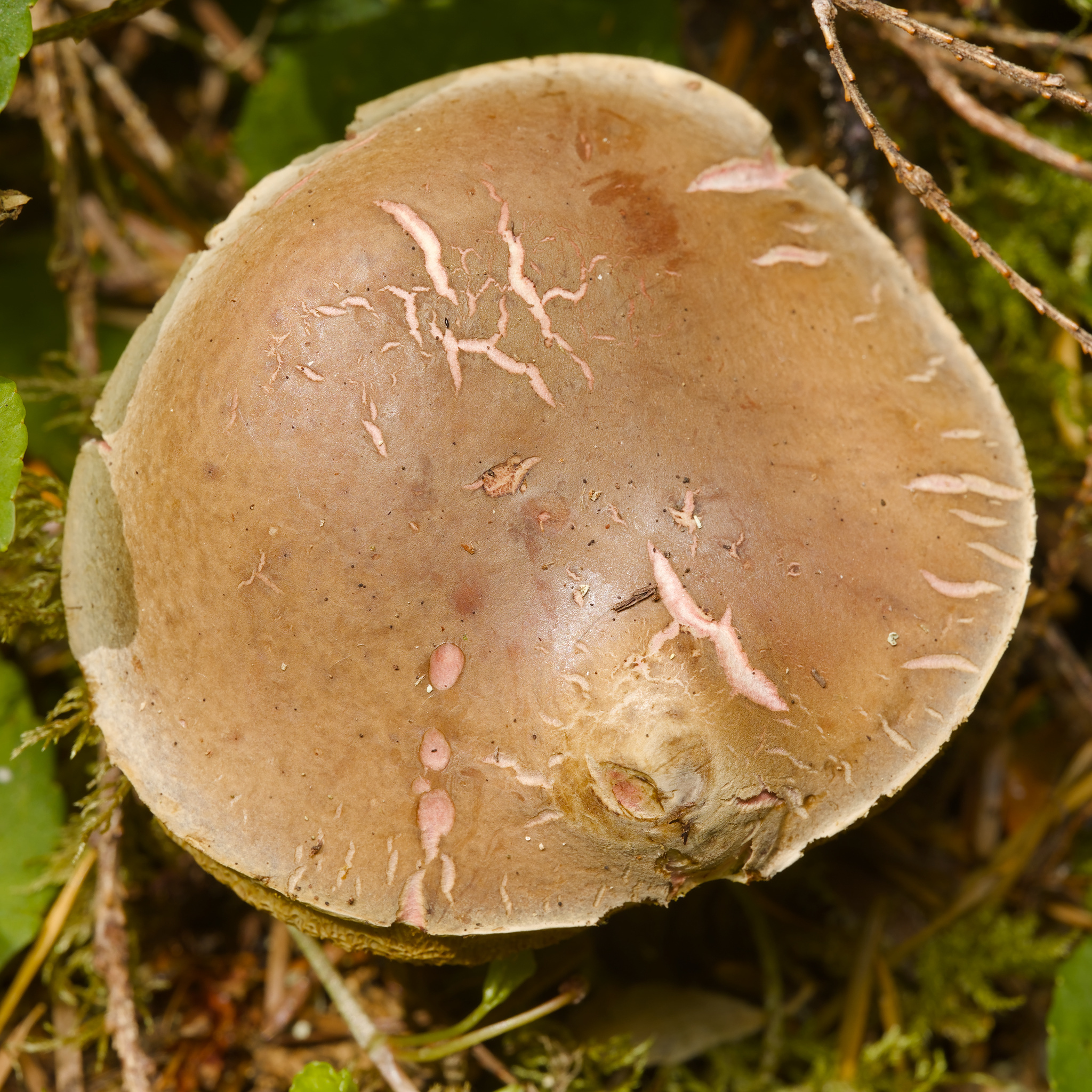
Caloboletus, with C. conifericola suggested by Andrew. Seems good to me, as stated previously I am not a bolete specialist, but I do enjoy them. It will be nice to try and get a few sequences from various families and genera for the survey.
I love
Hygrophoraceae, as any repeat reader should know, and this
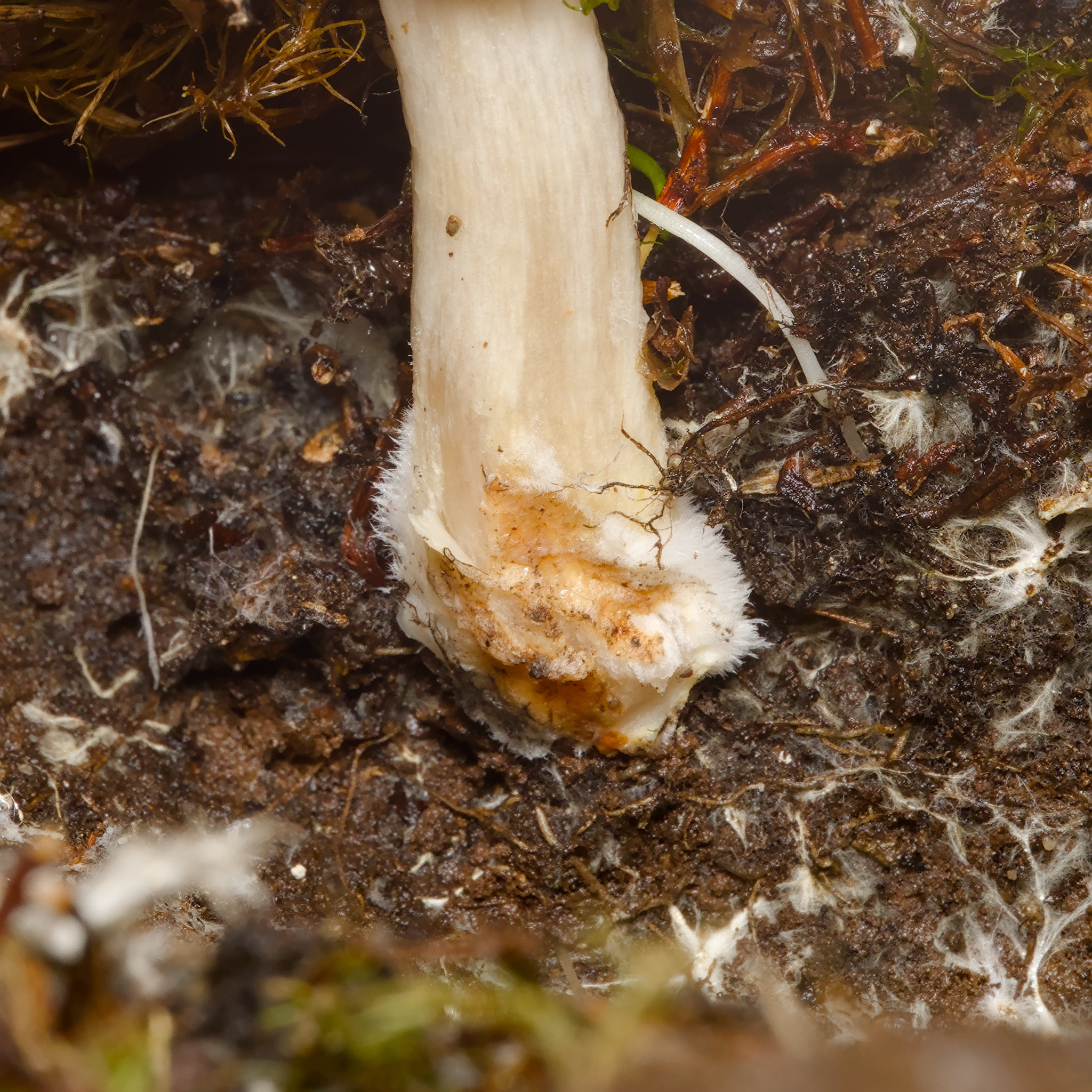
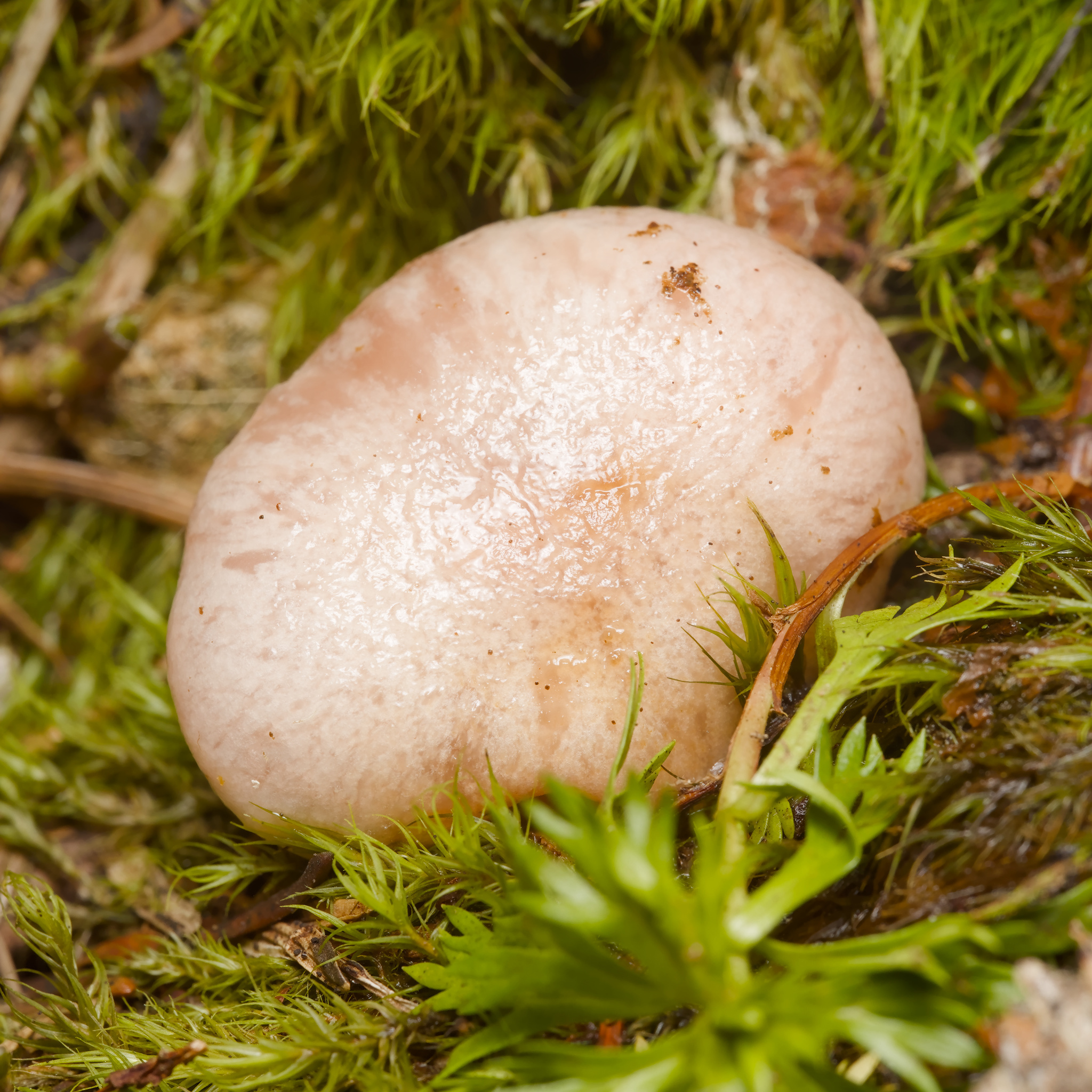
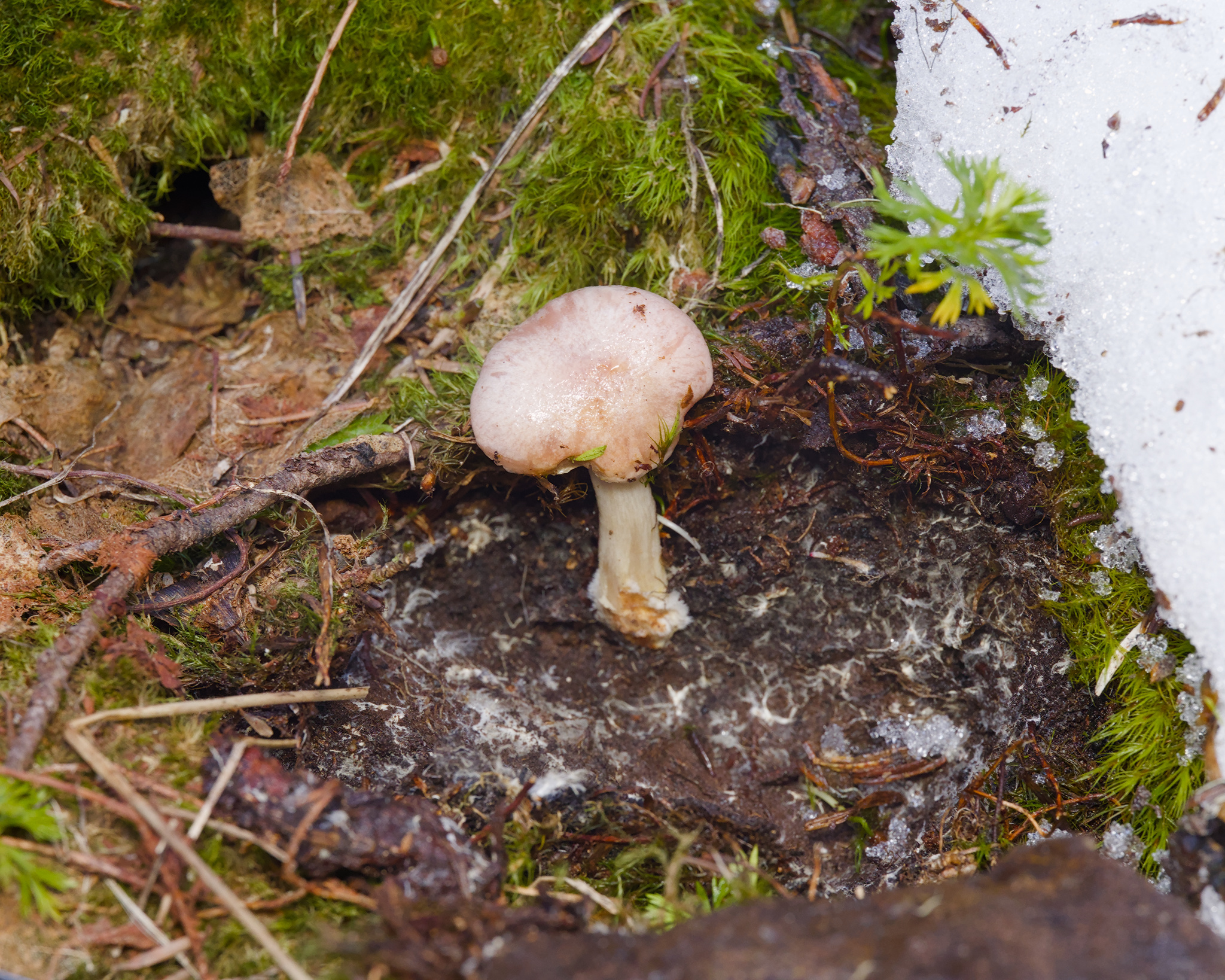
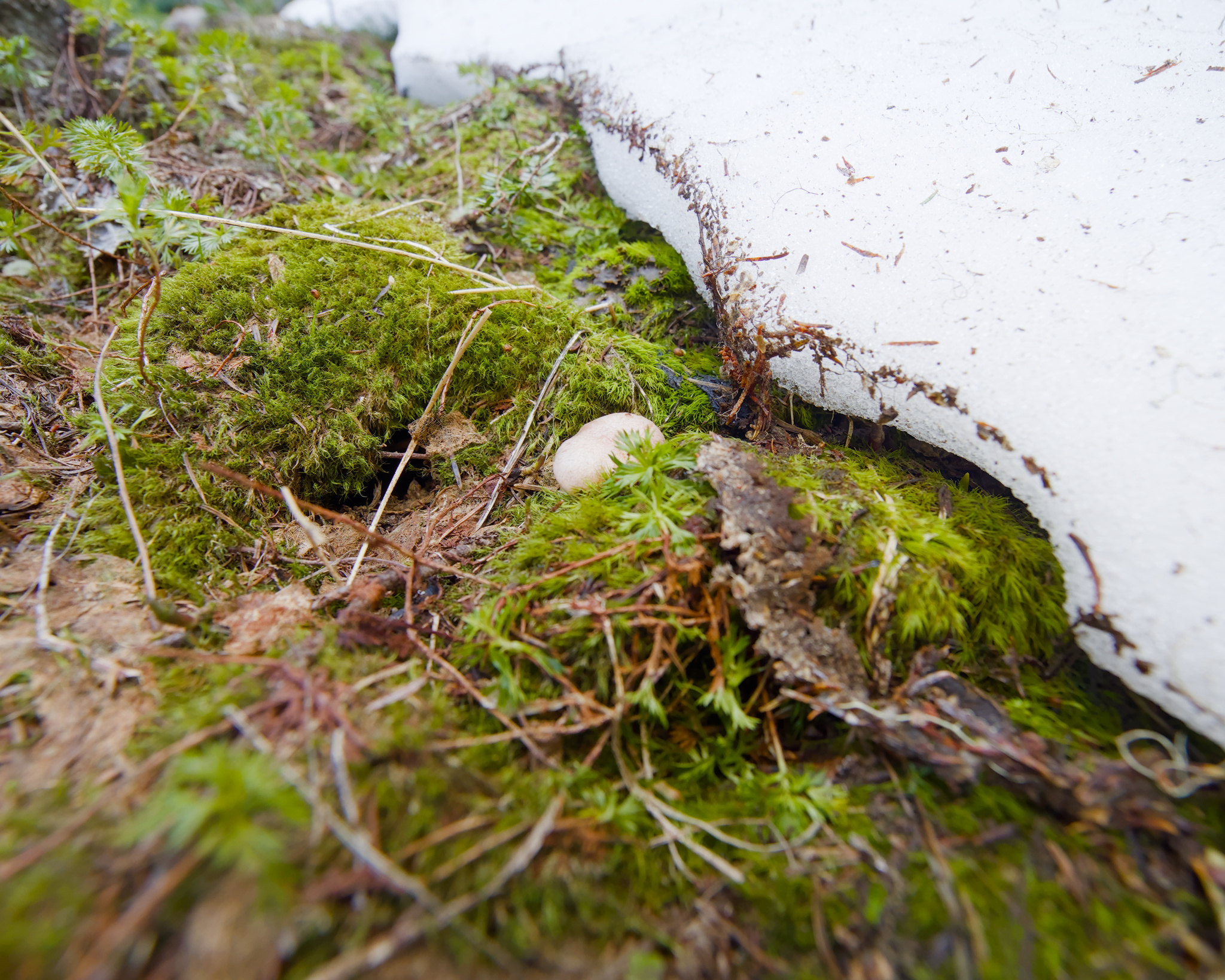
Hygrophorus is no exception! Brodie took some great photos that show it growing right next to the snowbank here. Based on description and popular photos, I'd have to assume this is
H. goetzei or similar. Maybe a slightly paler species.
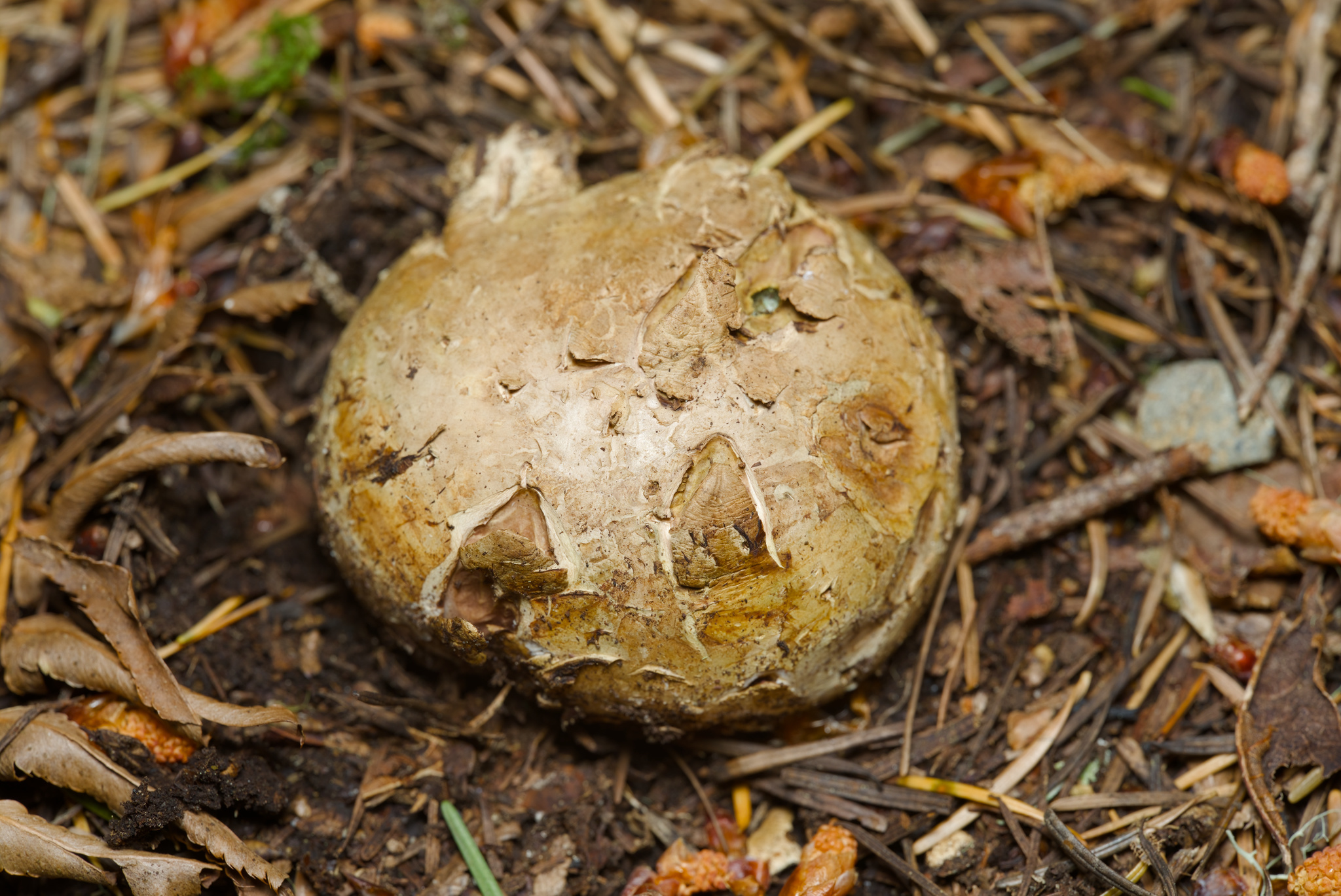
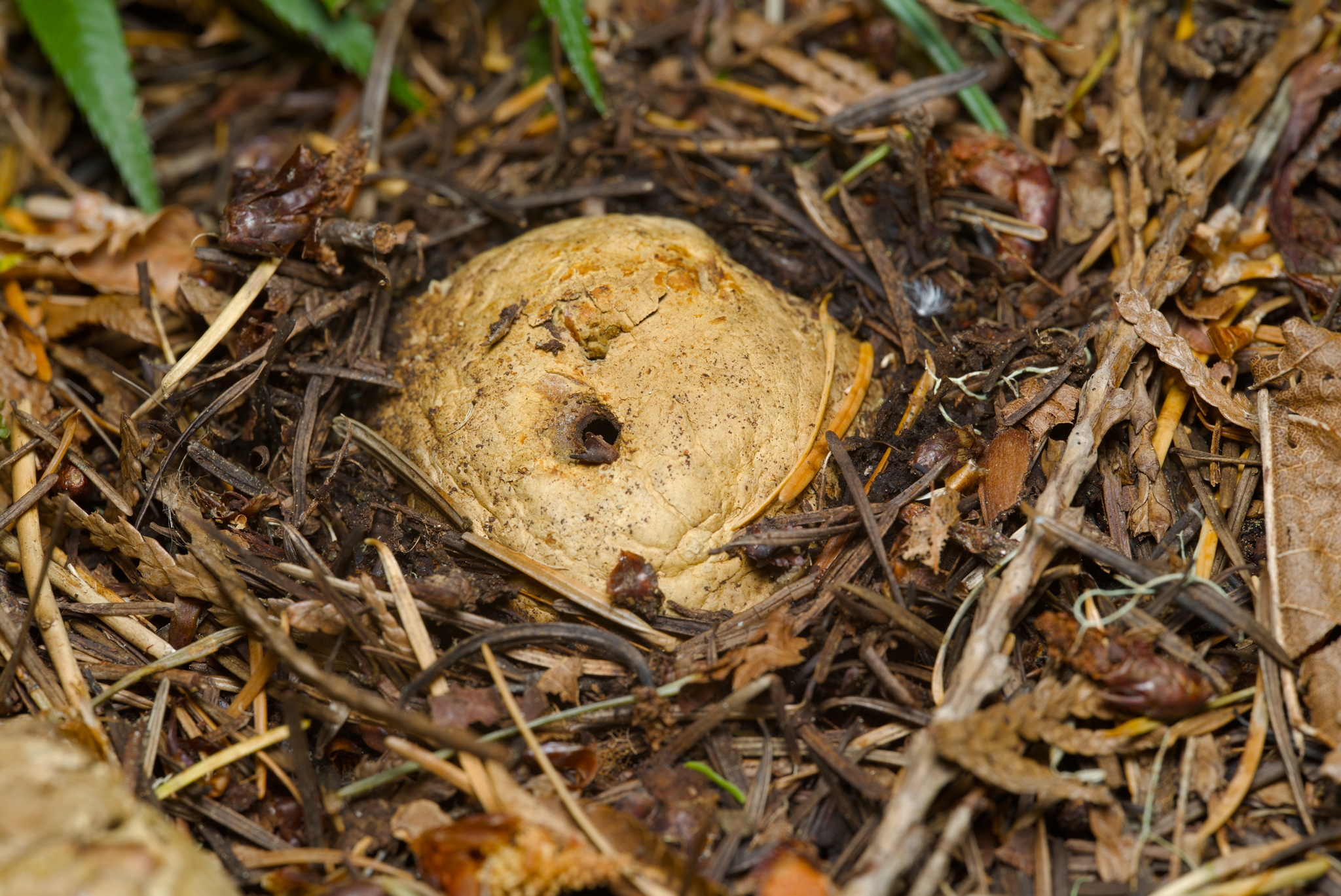
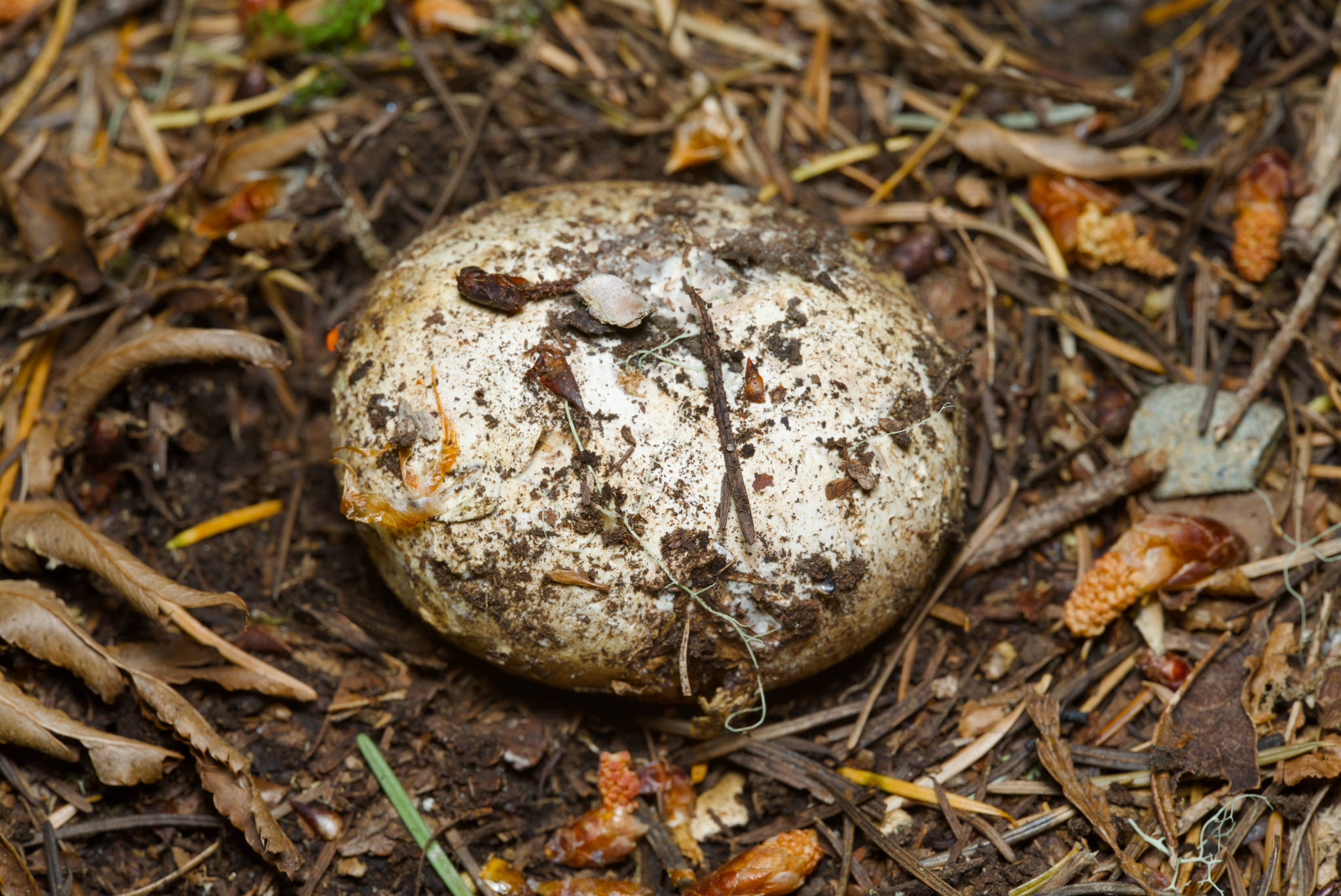
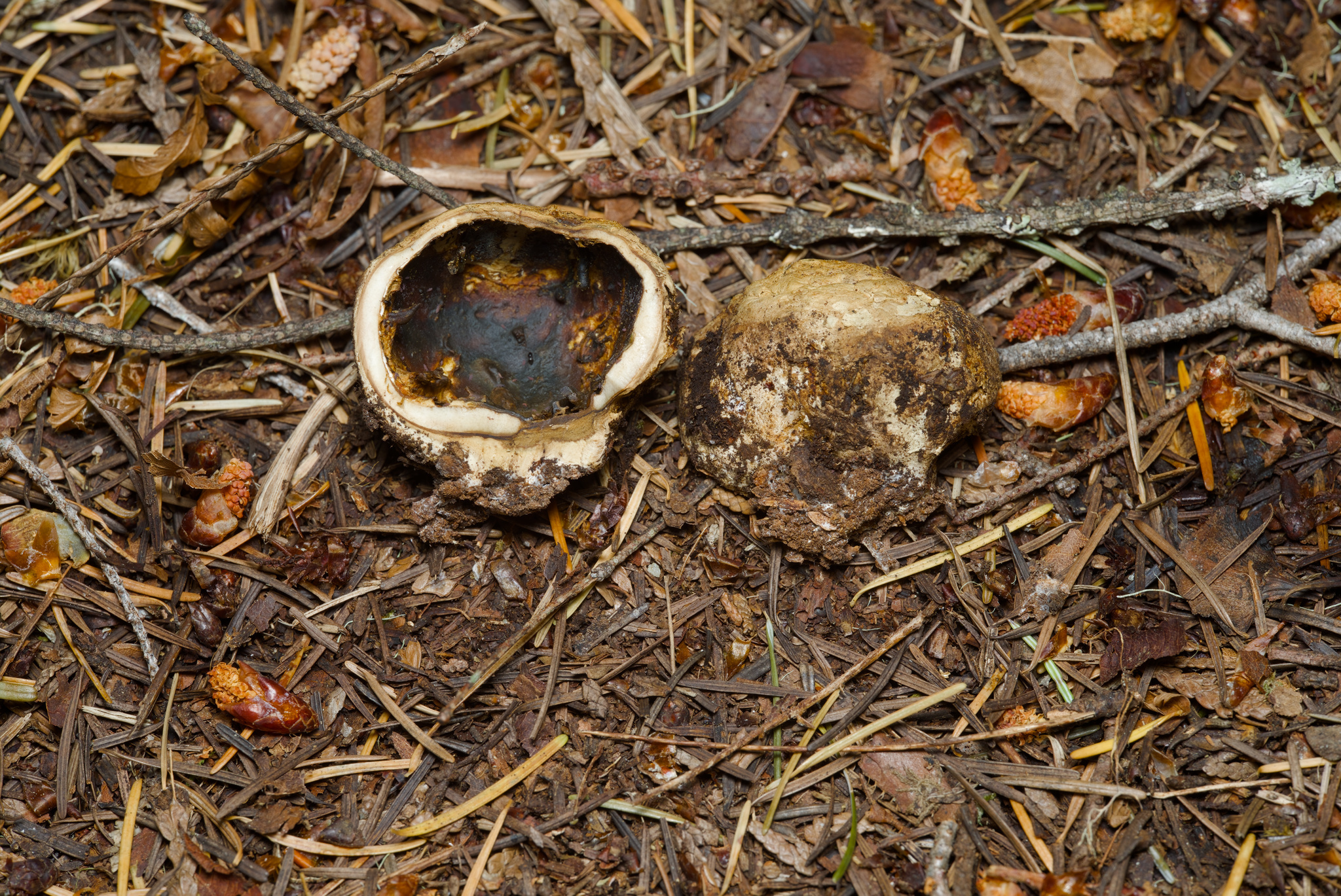
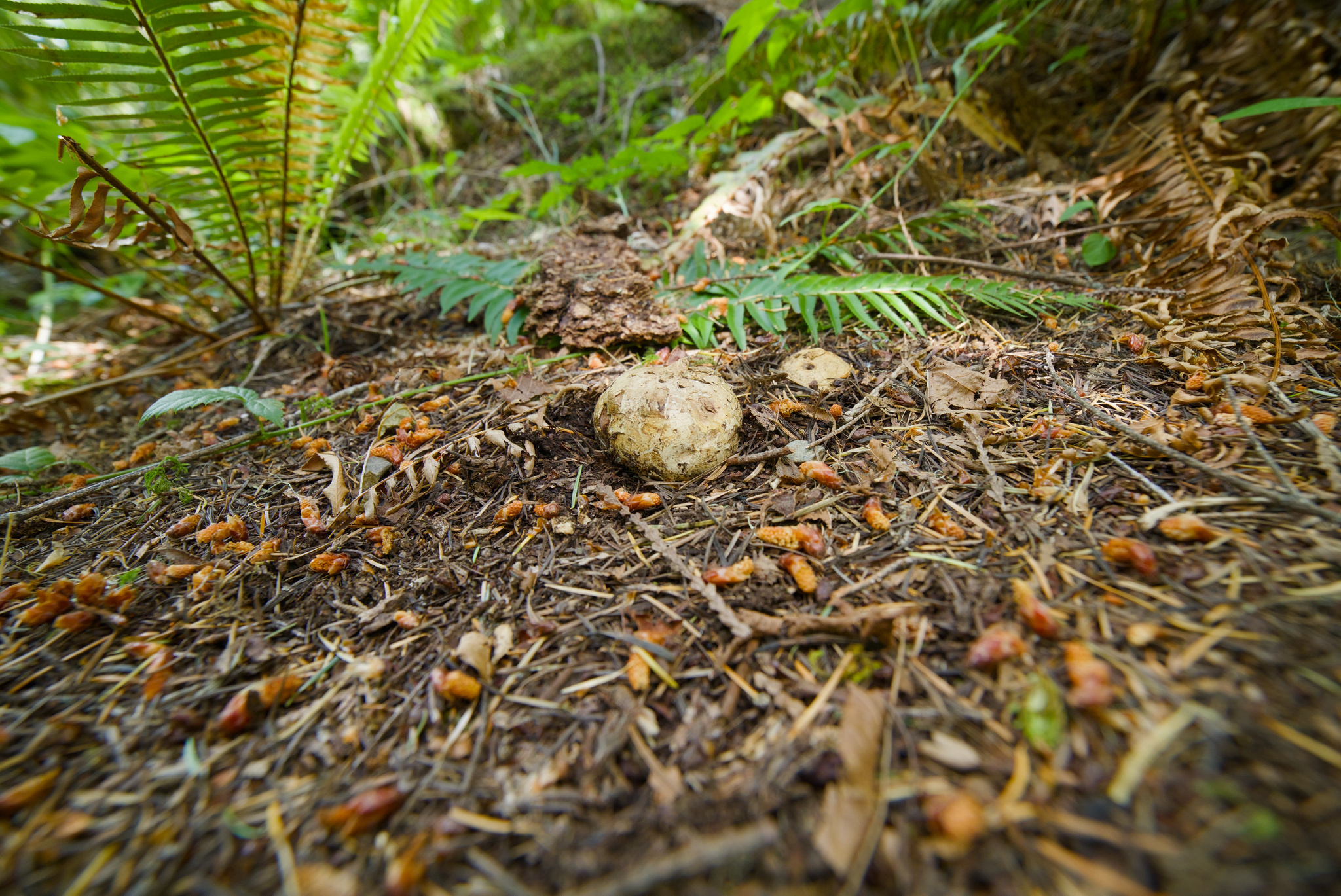
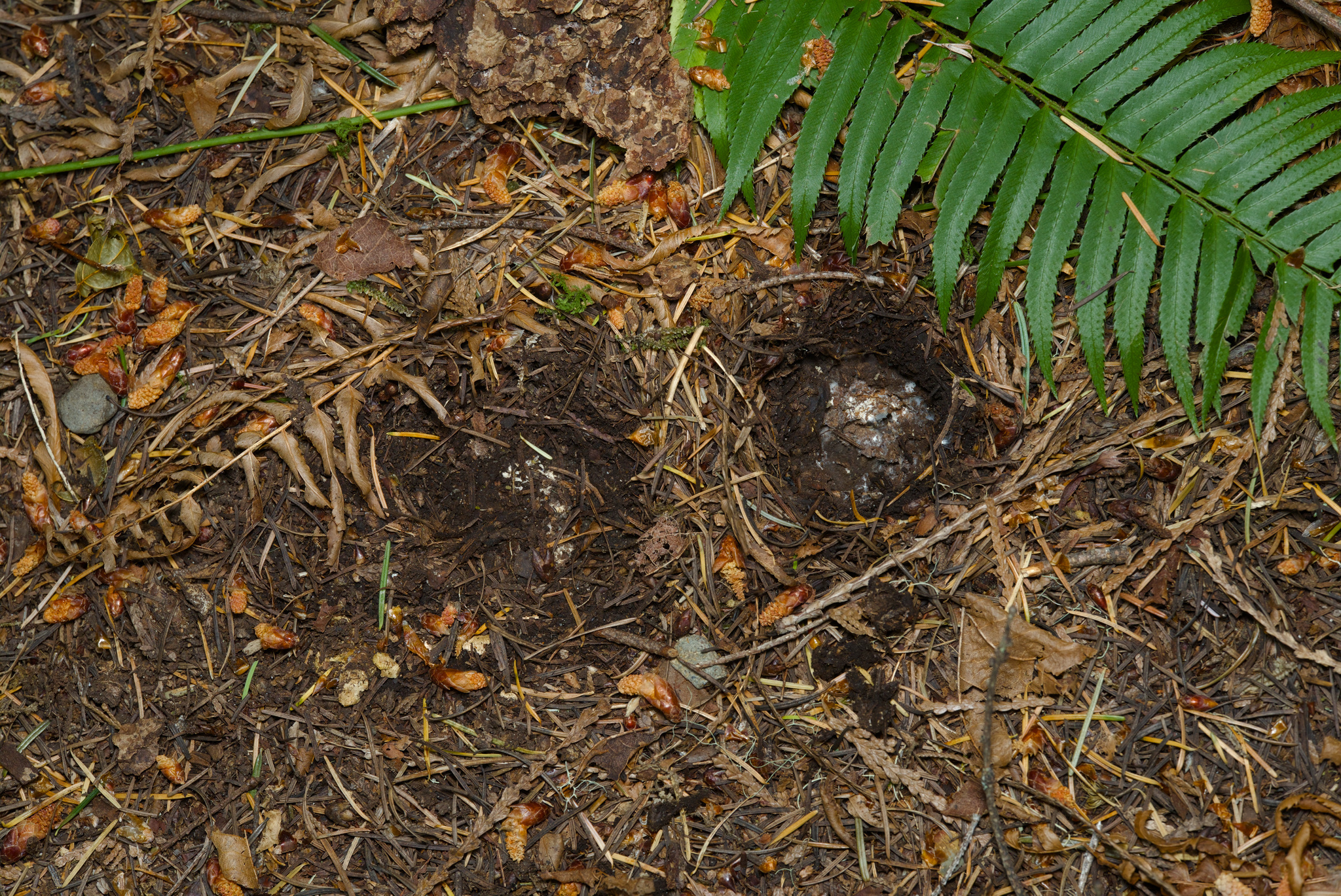
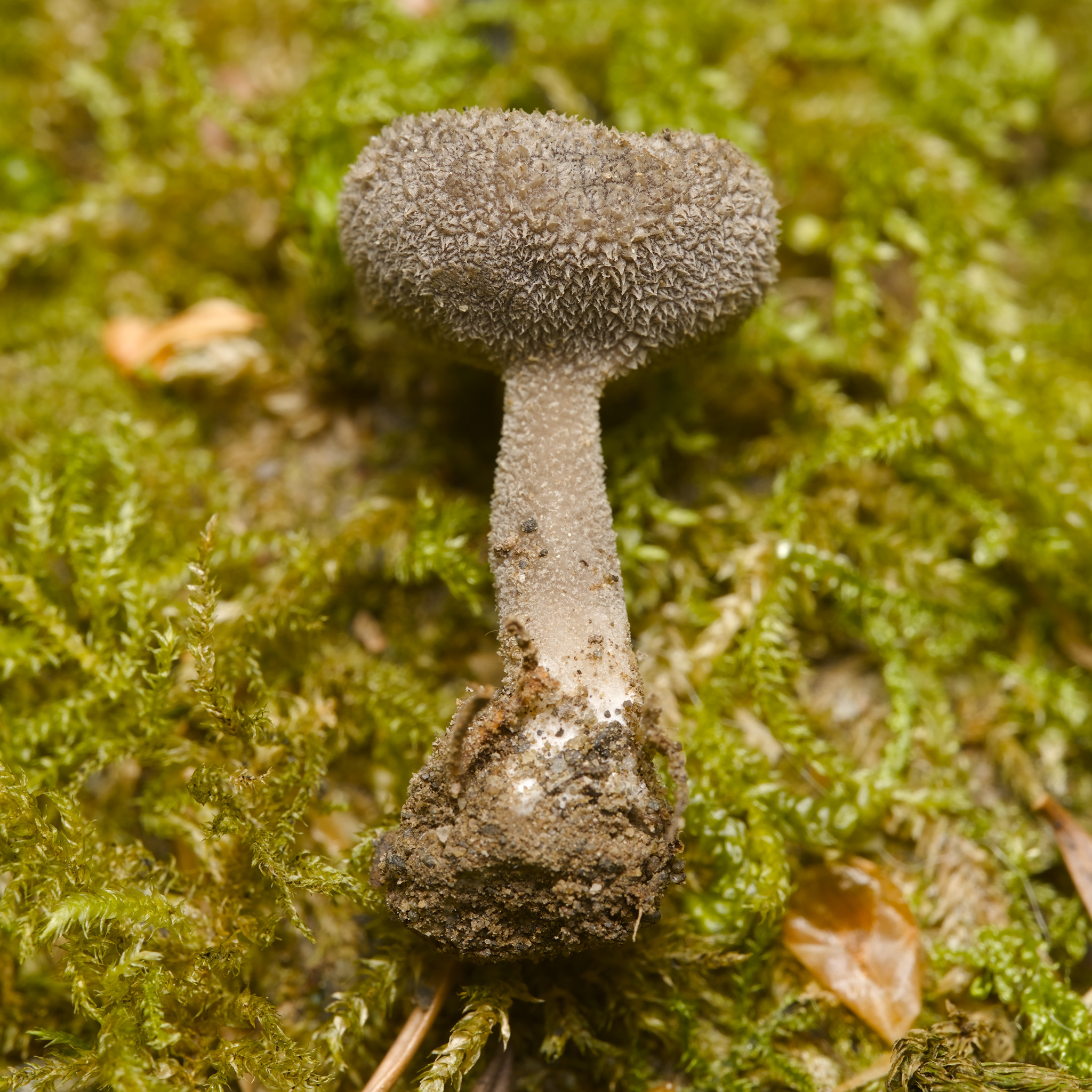
I think we have settled here that this is an old Bovista or something that direction and not a Scleroderma.
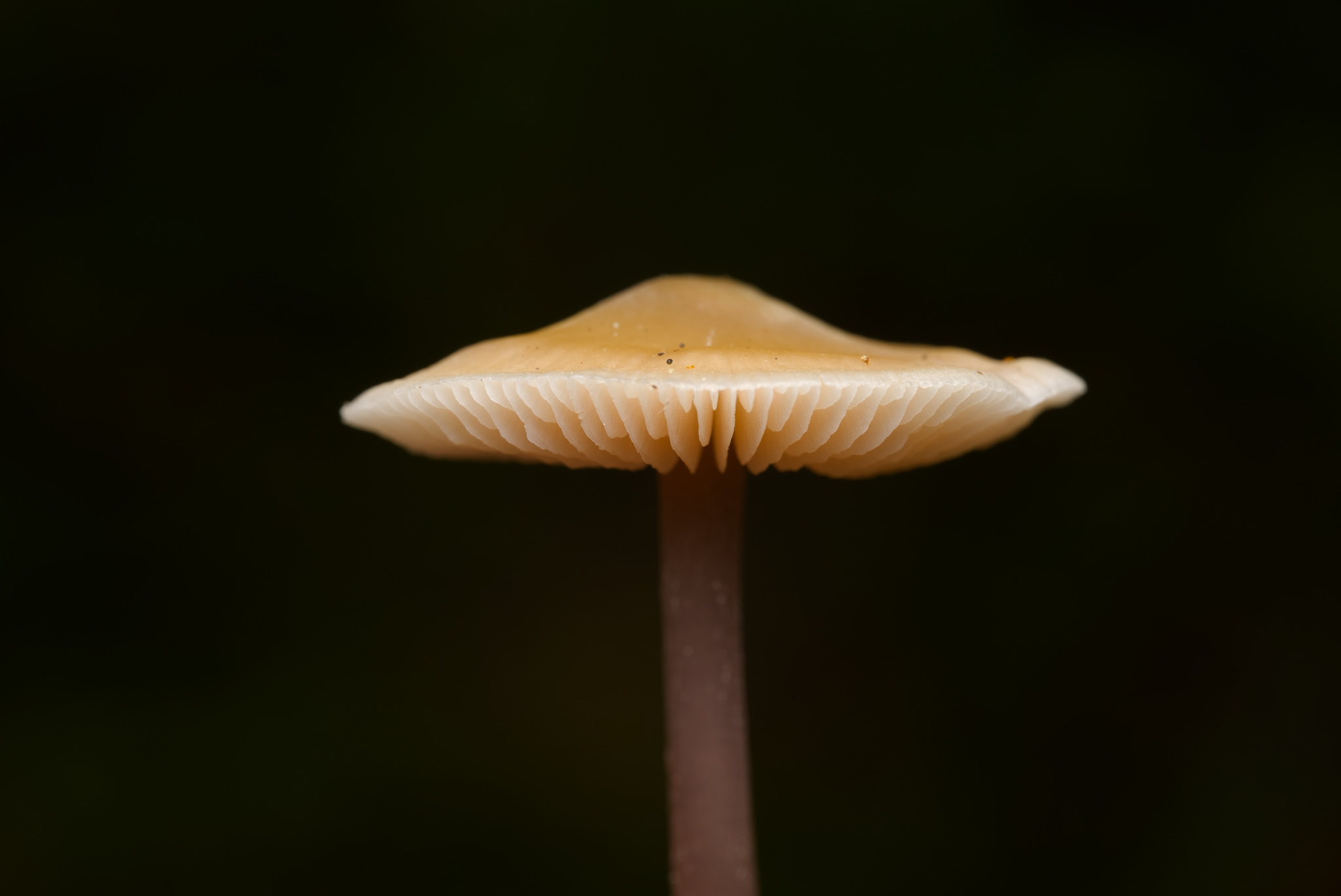
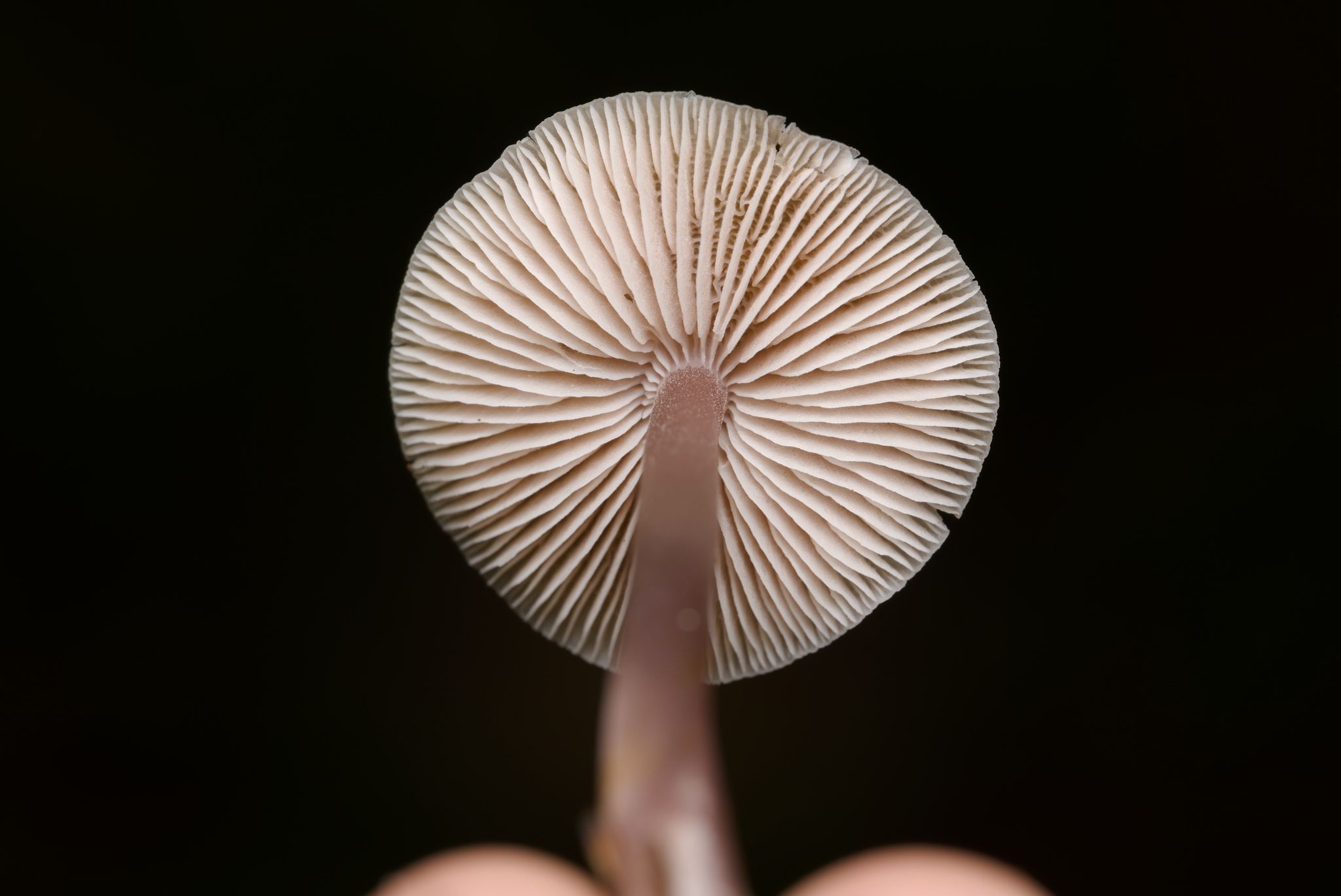
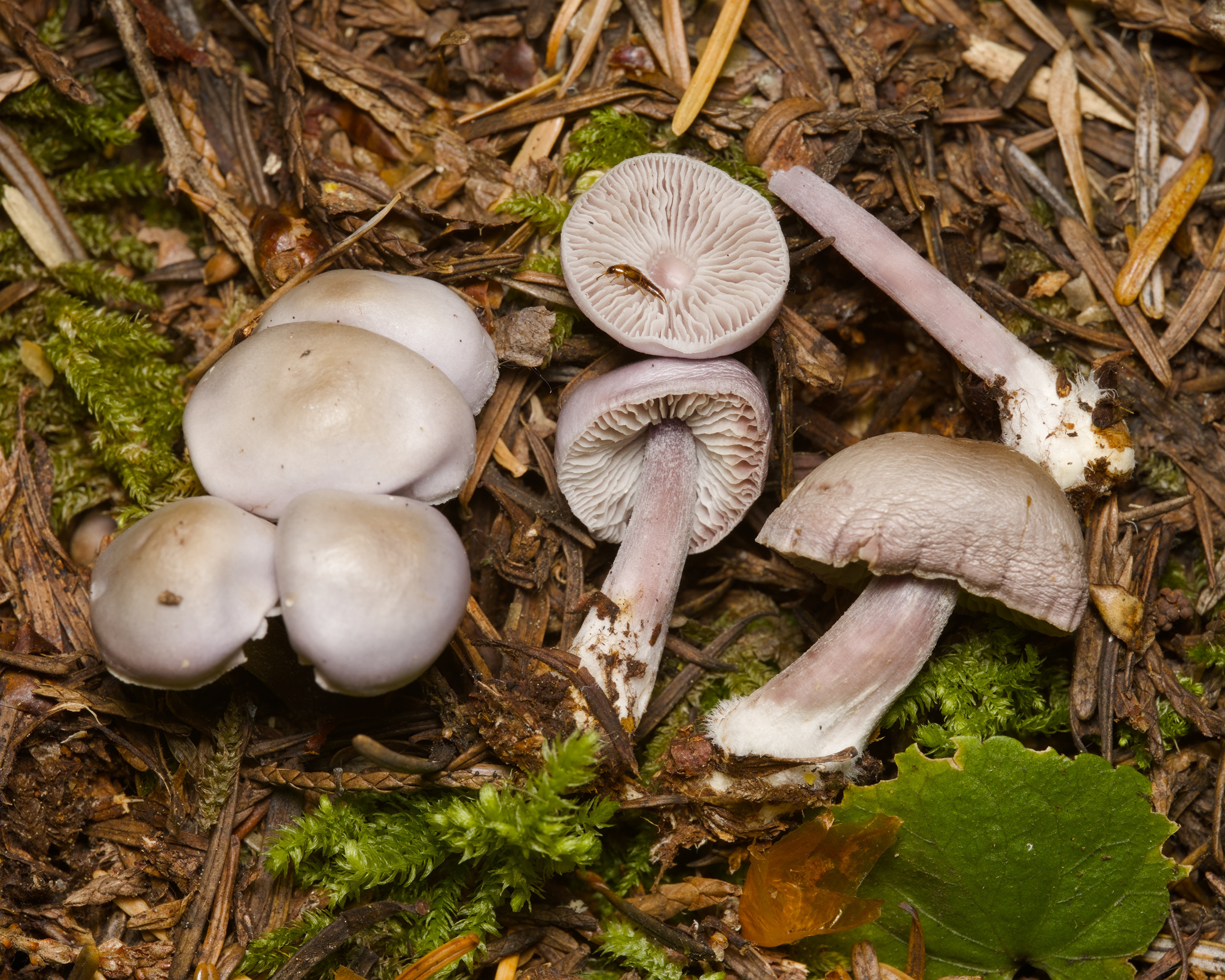
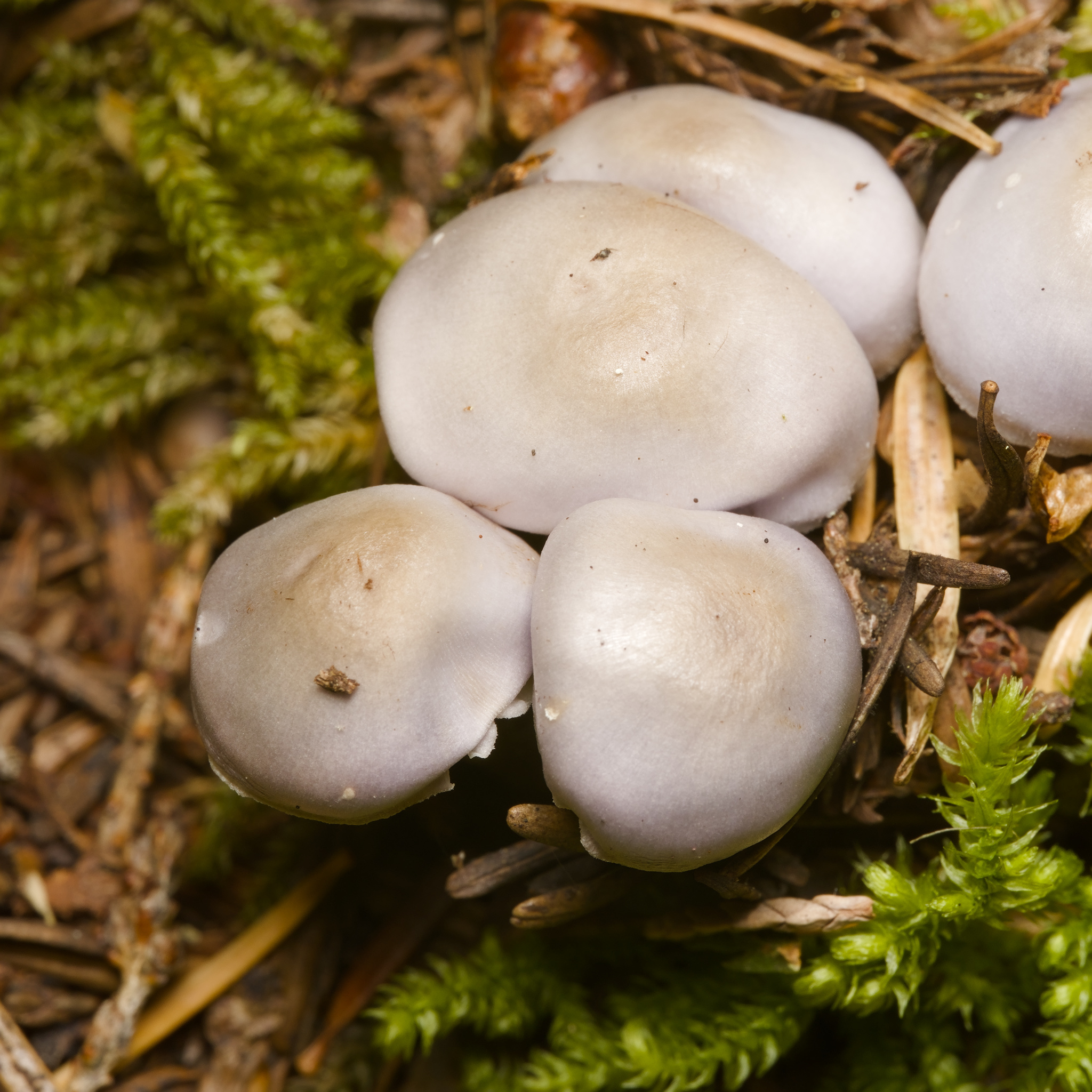
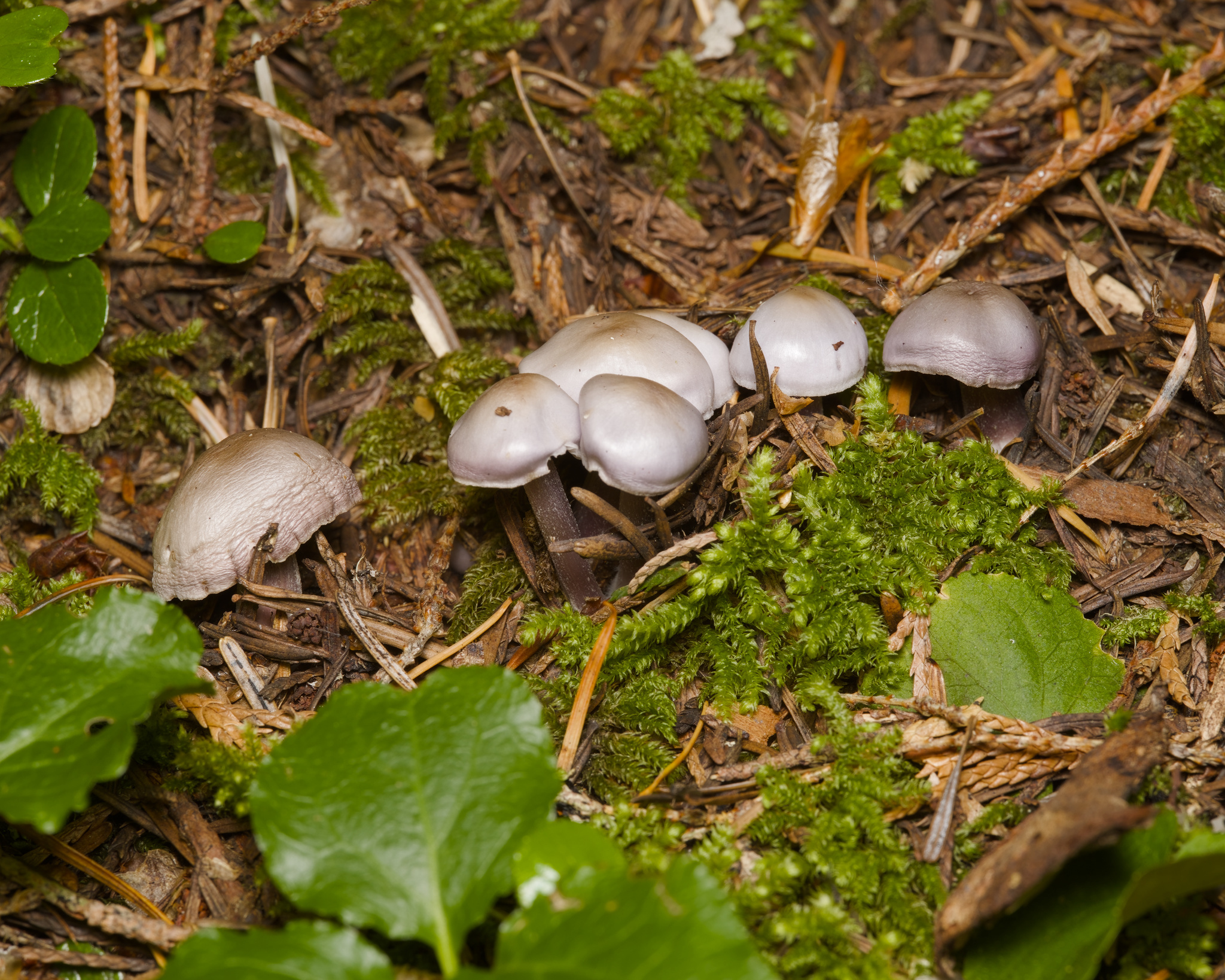
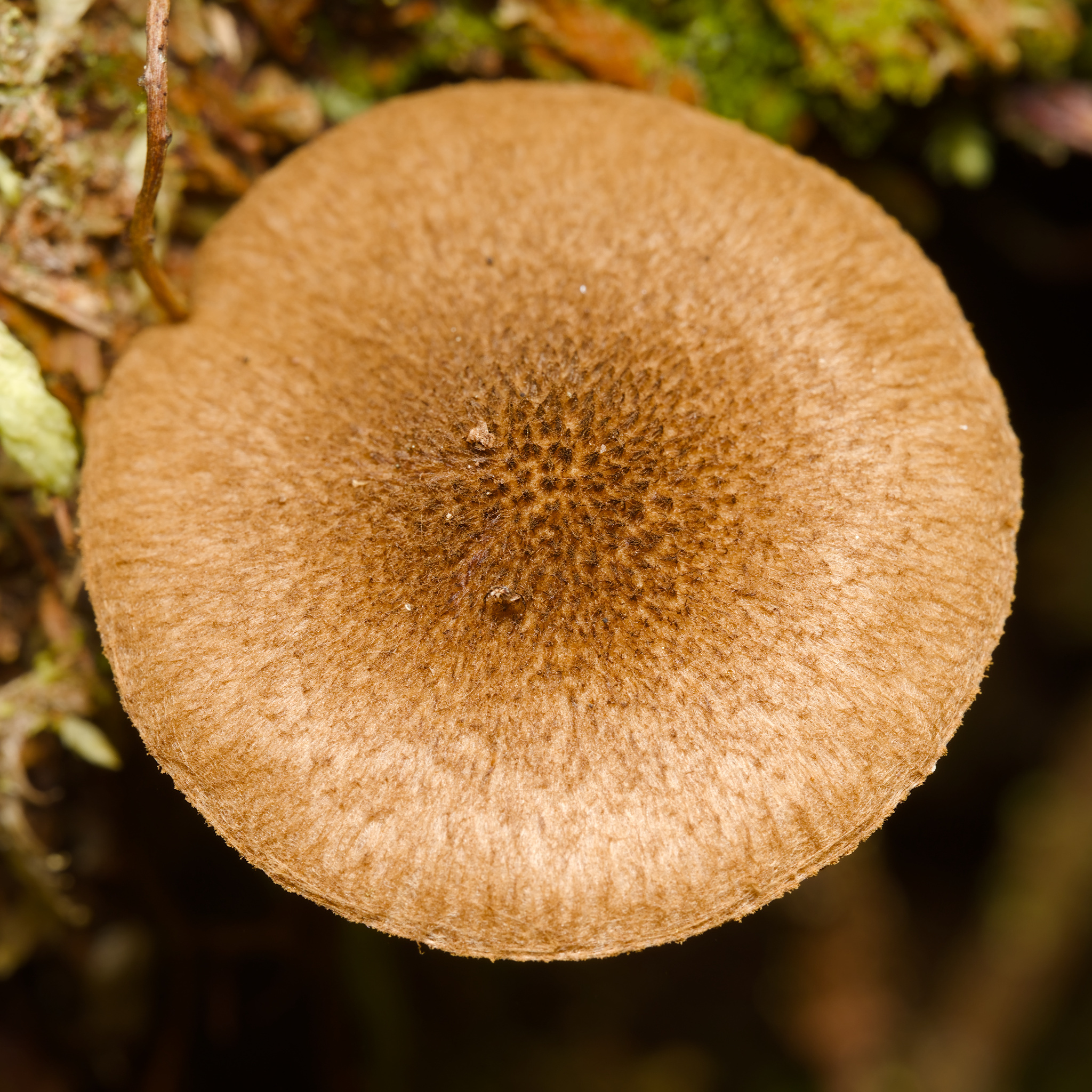
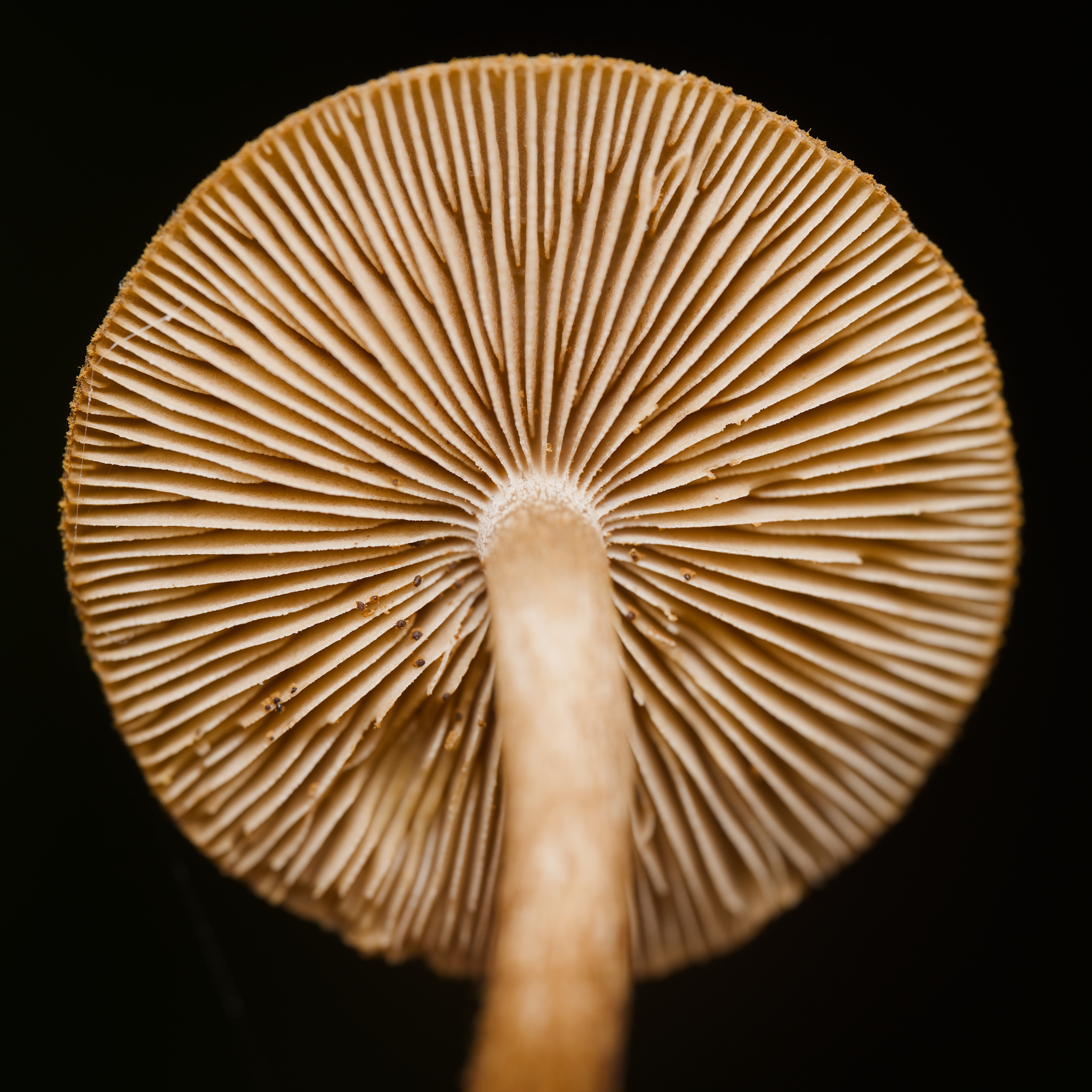
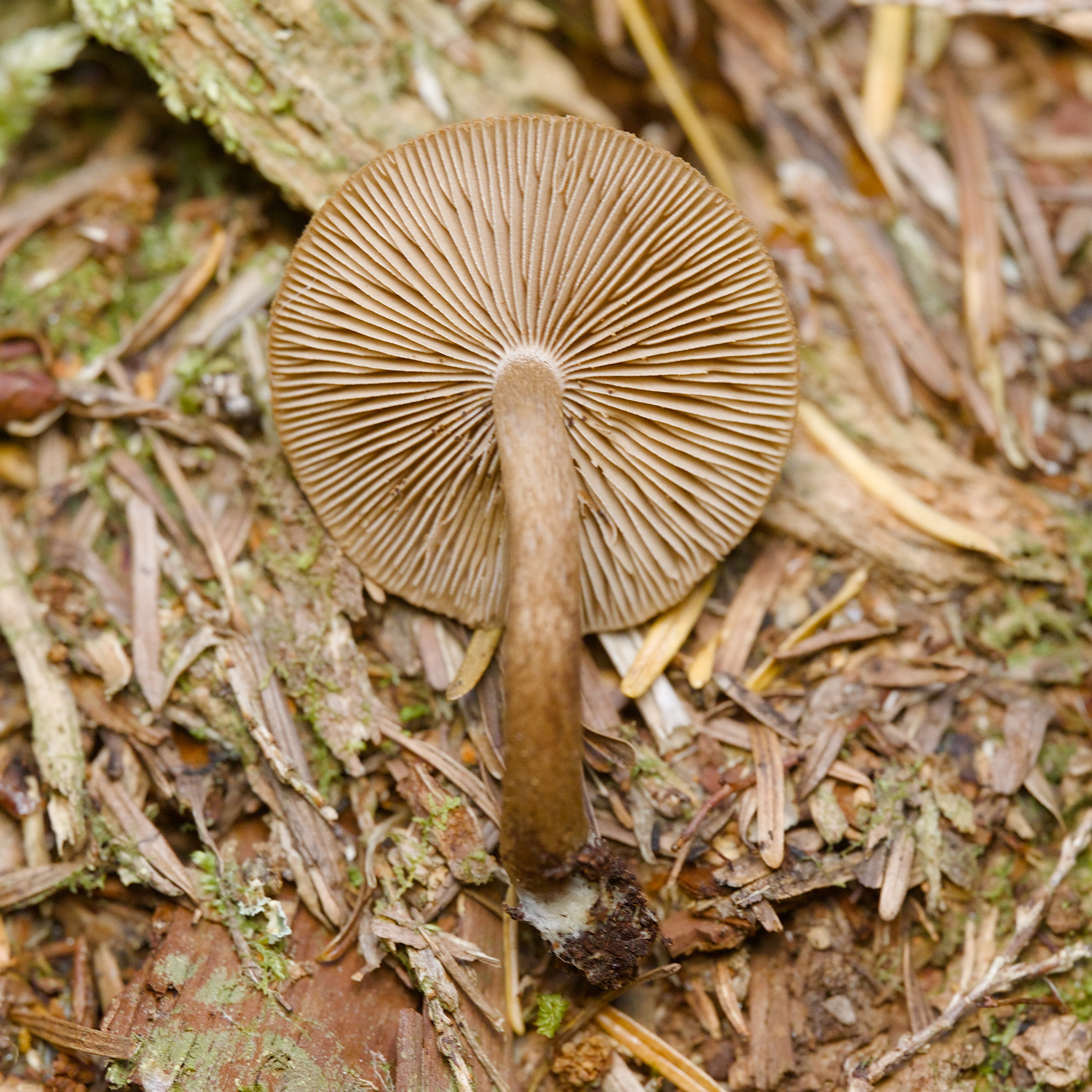
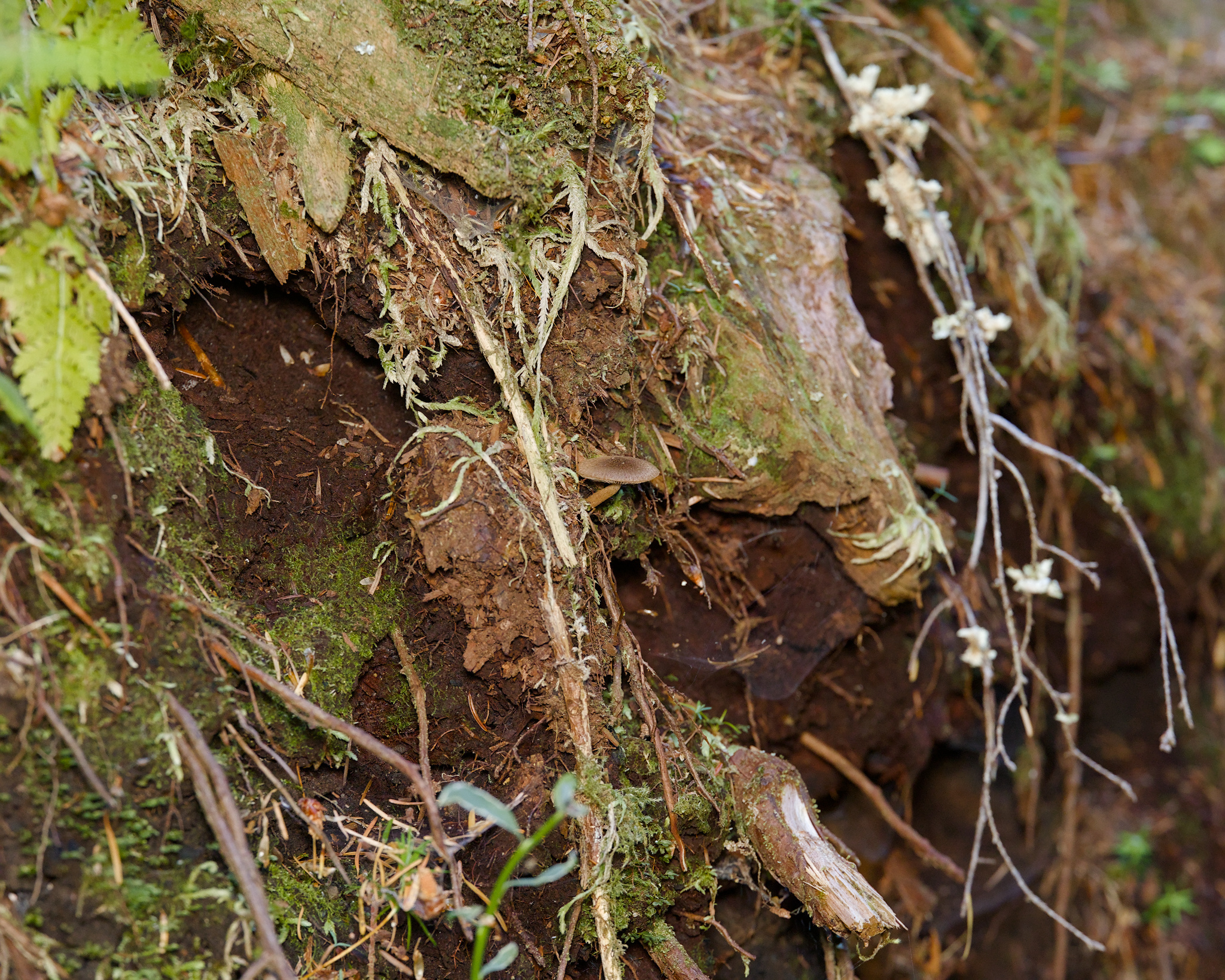
Lovely little Mycena pura group member. Stipe, cap, and stature are dissimilar to our previous collections in the group, and we have at least one other collection in this report that is also different. It would be nice to see all different sequencing results, or find two different morphologies for one of its members, etc. I think this might be out most "typical" example of the species, but that's a bit of a silly comment at this point. I think I might not consider all members of this subsection to be in the same group, this one yes, maybe no for others.
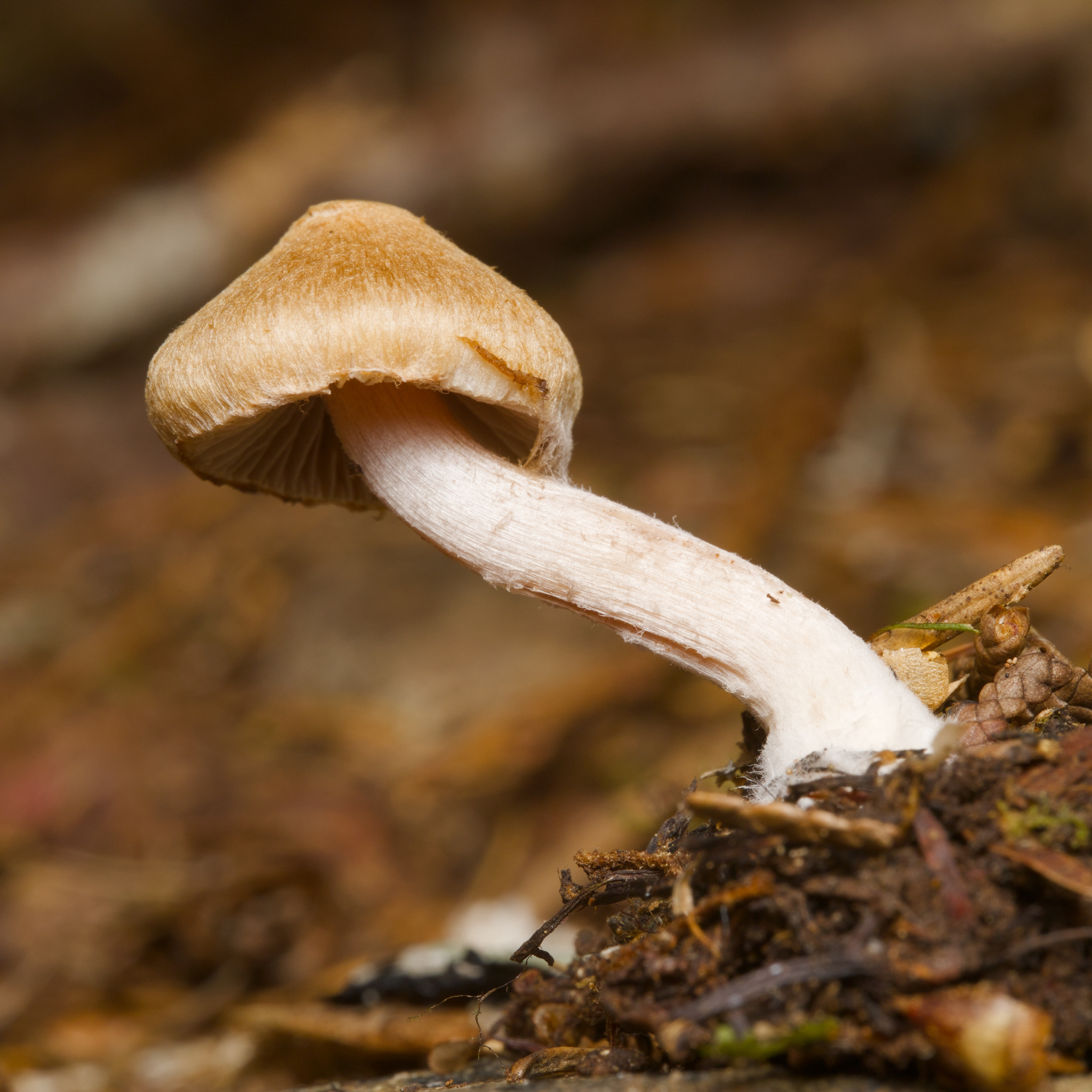
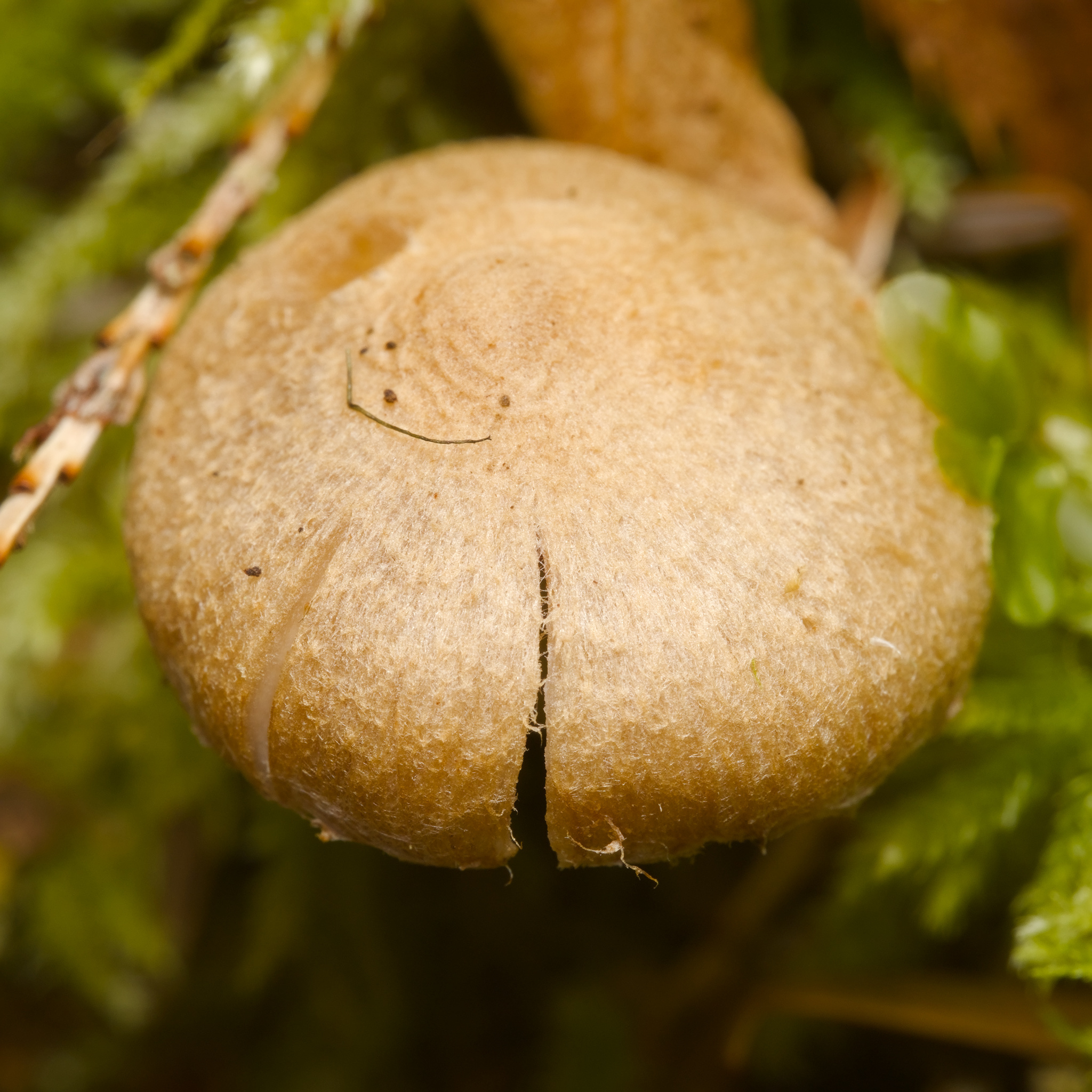
We had a bit of back and forth about this collection but have settled for
Inocybaceae at the moment, and that sounds good. Umbonate cap, fibrous, seems to have feasible color and texture elsewhere. Just a bit more slender and differently colored than more specific options I would be familiar with.
I do think this is much closer to
H. elastica than some of our prior Spring collections, which we now have confirmation are closest to or are
H. compressa. iNat has as of today, merged the previous temp. code with that taxon. Either way, this is almost certainly the other direction, possibly
H. 'elastica-PNW03' as that appears to be the most common code here. Although, I would say these lanky ones are somewhat different in morphology, this specimen also roughly matches collections I have made or observed in the fall in the same habitat.
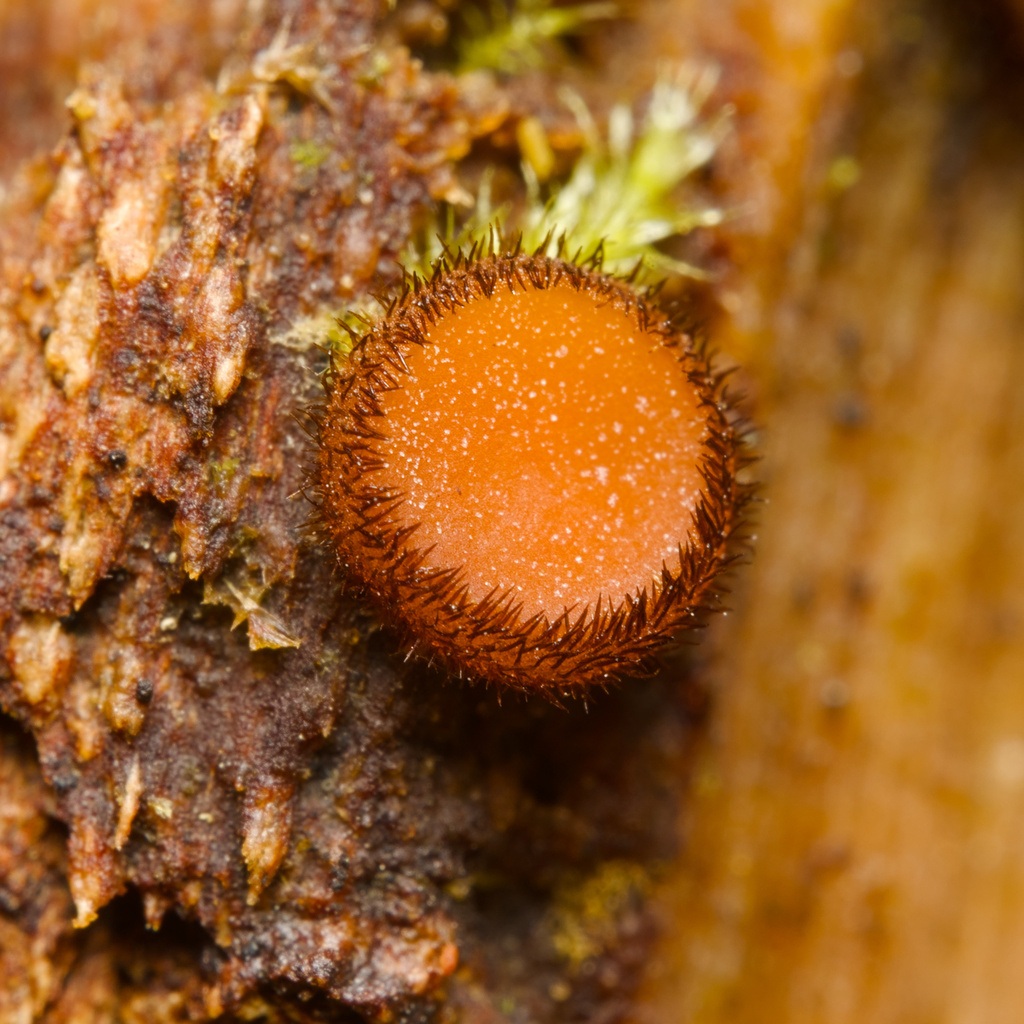
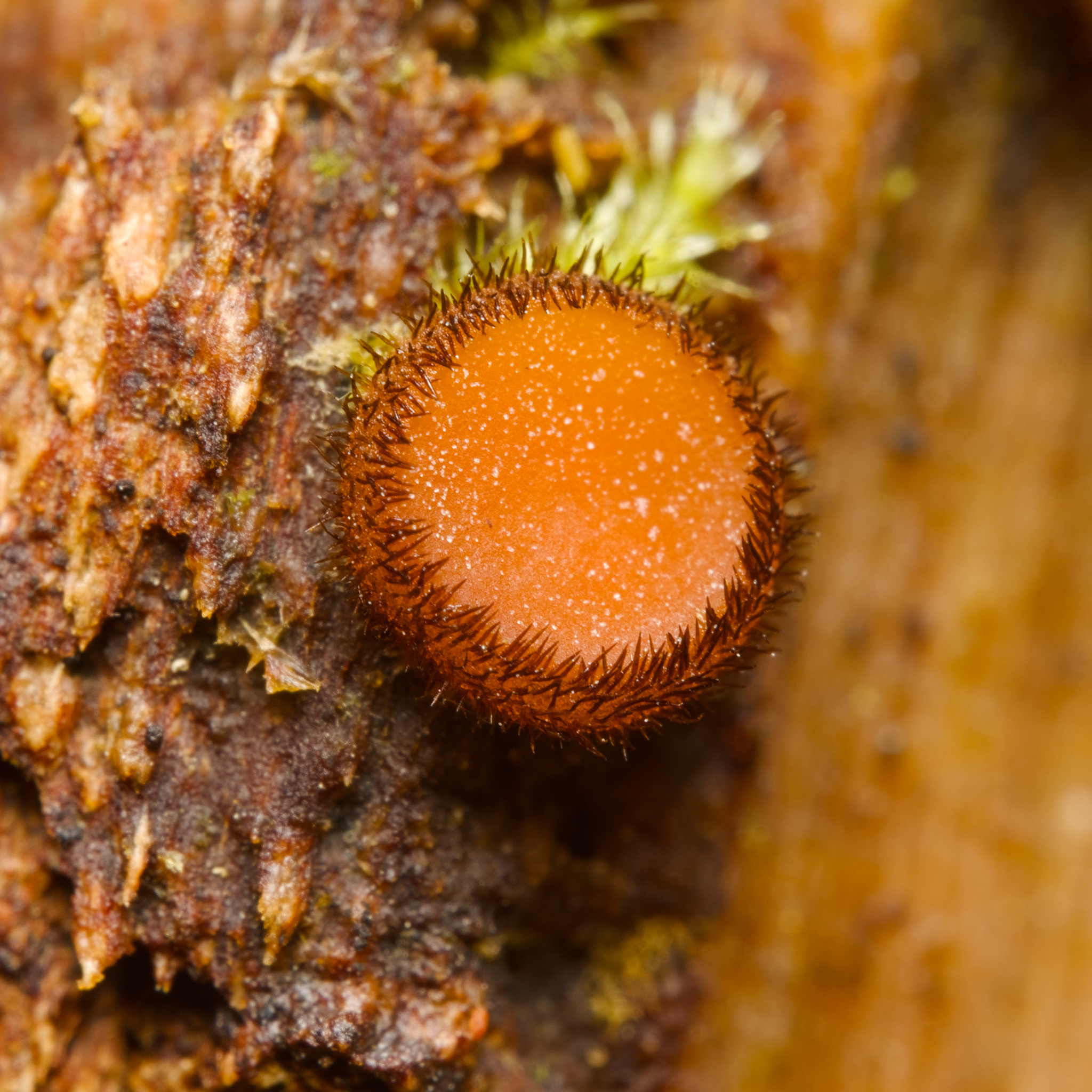
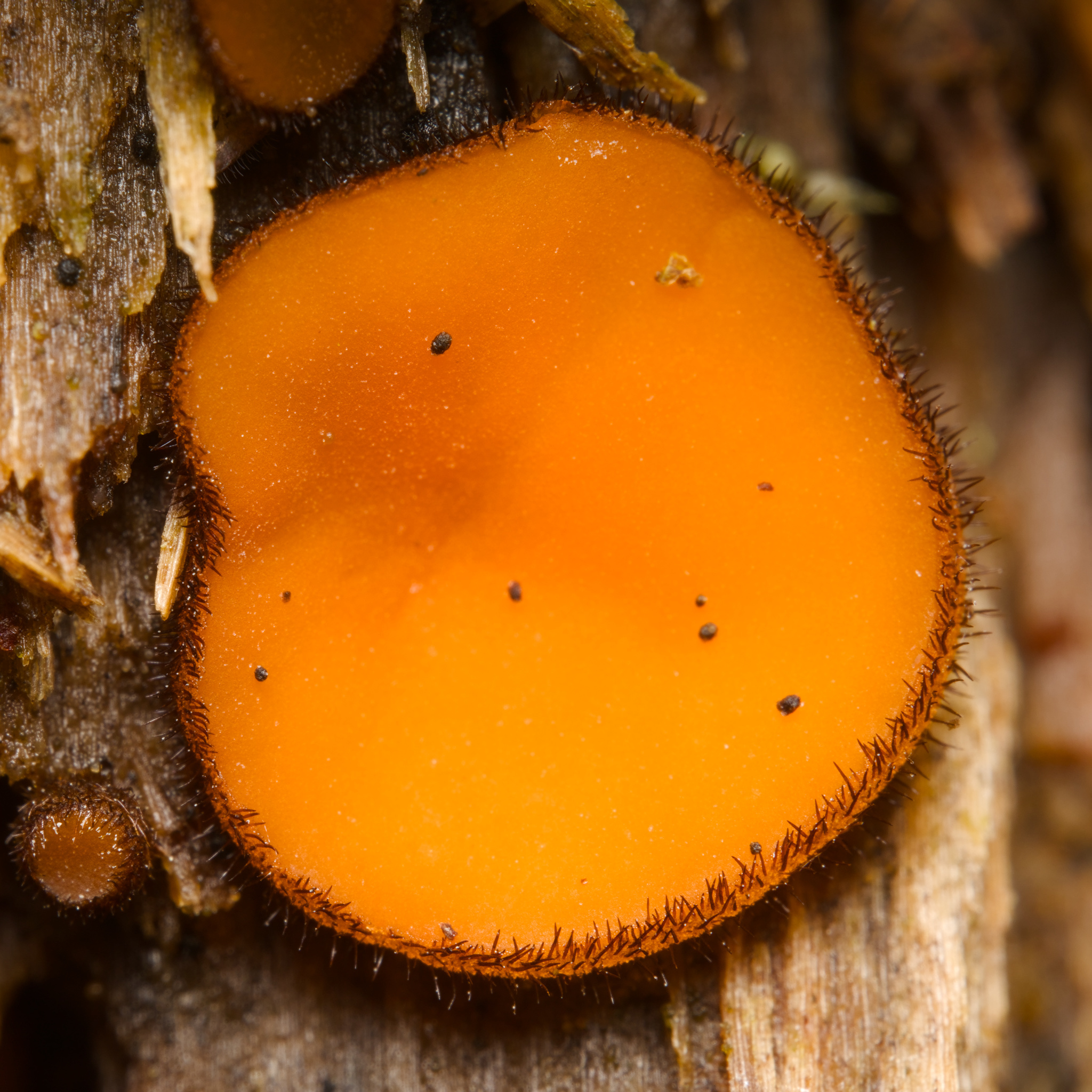
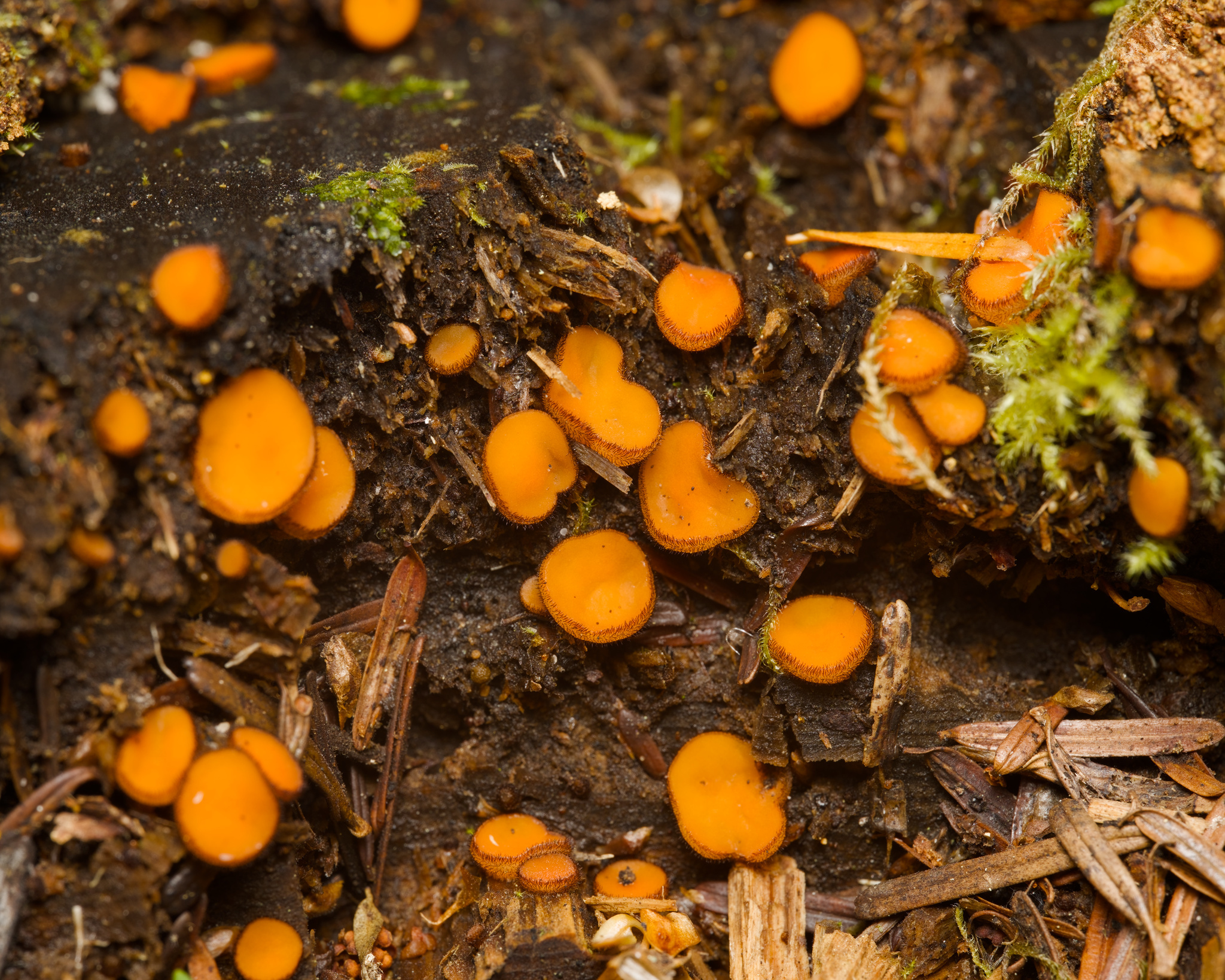
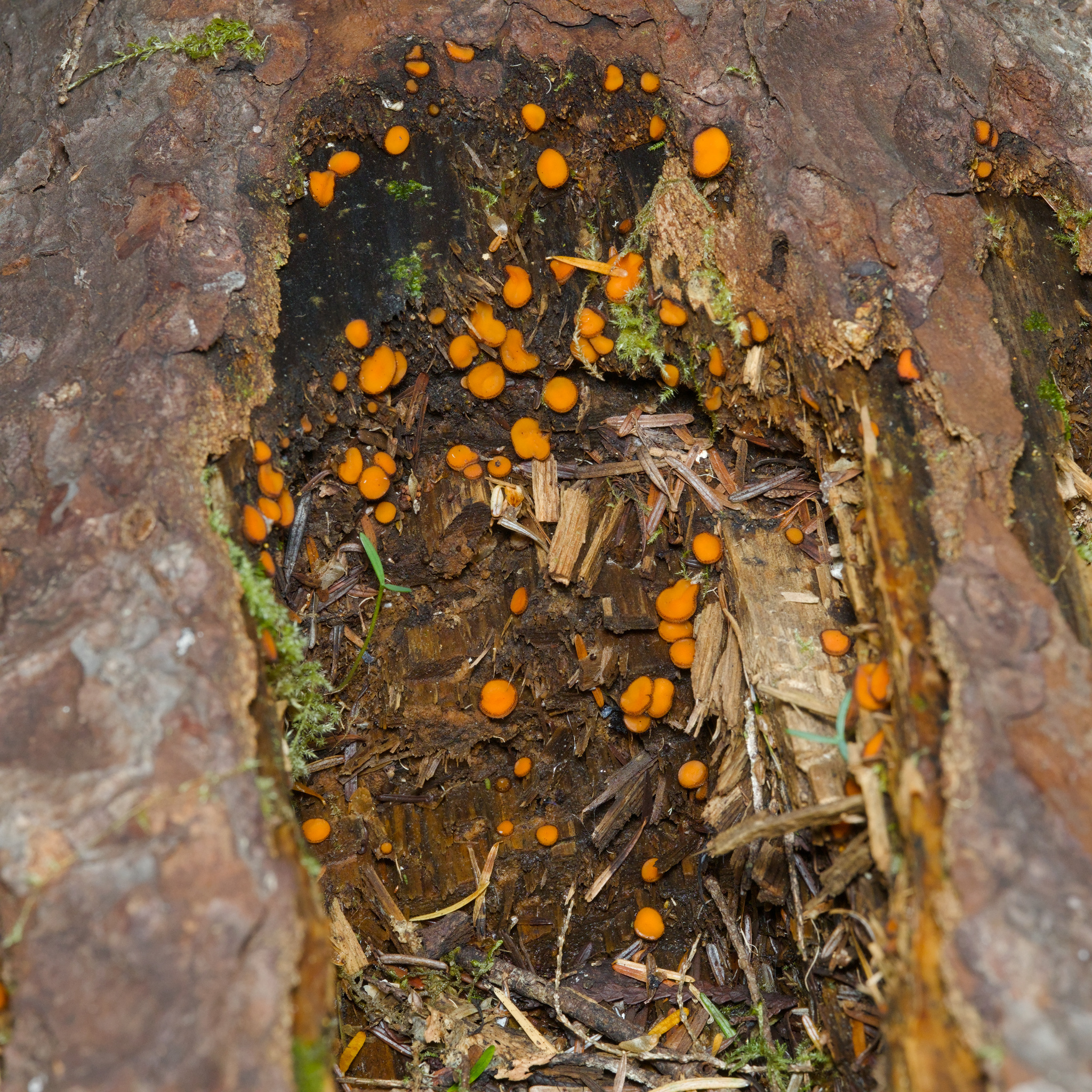
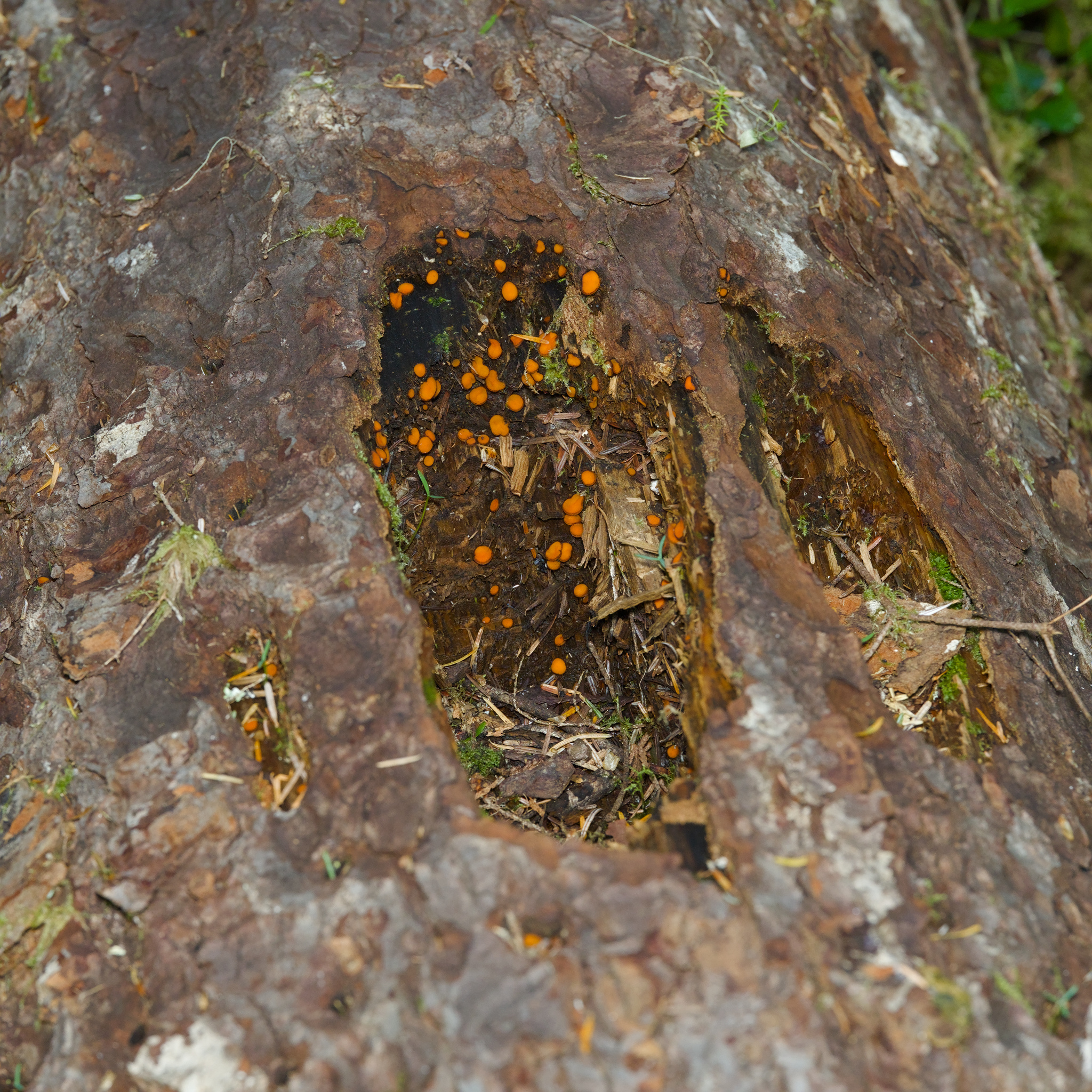
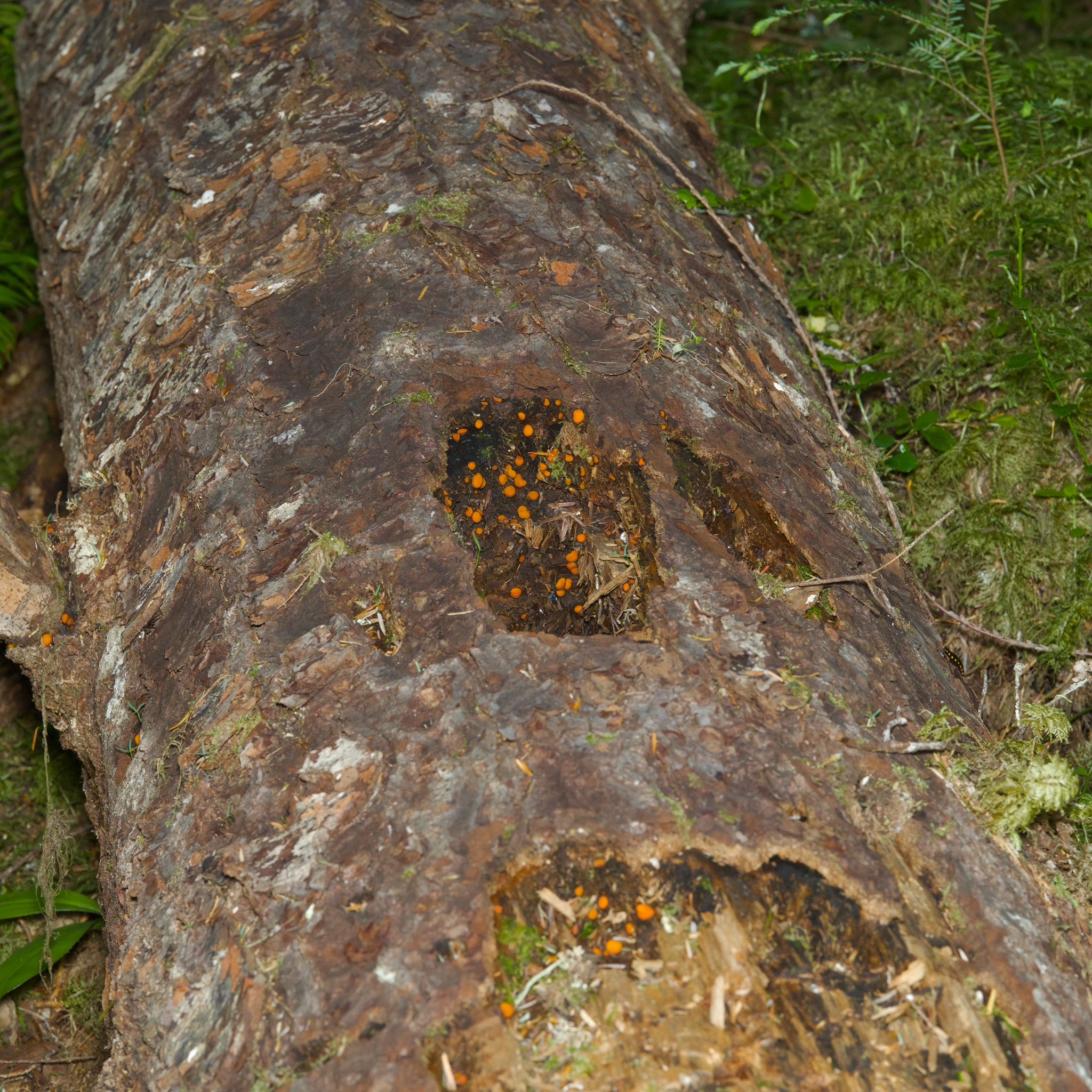
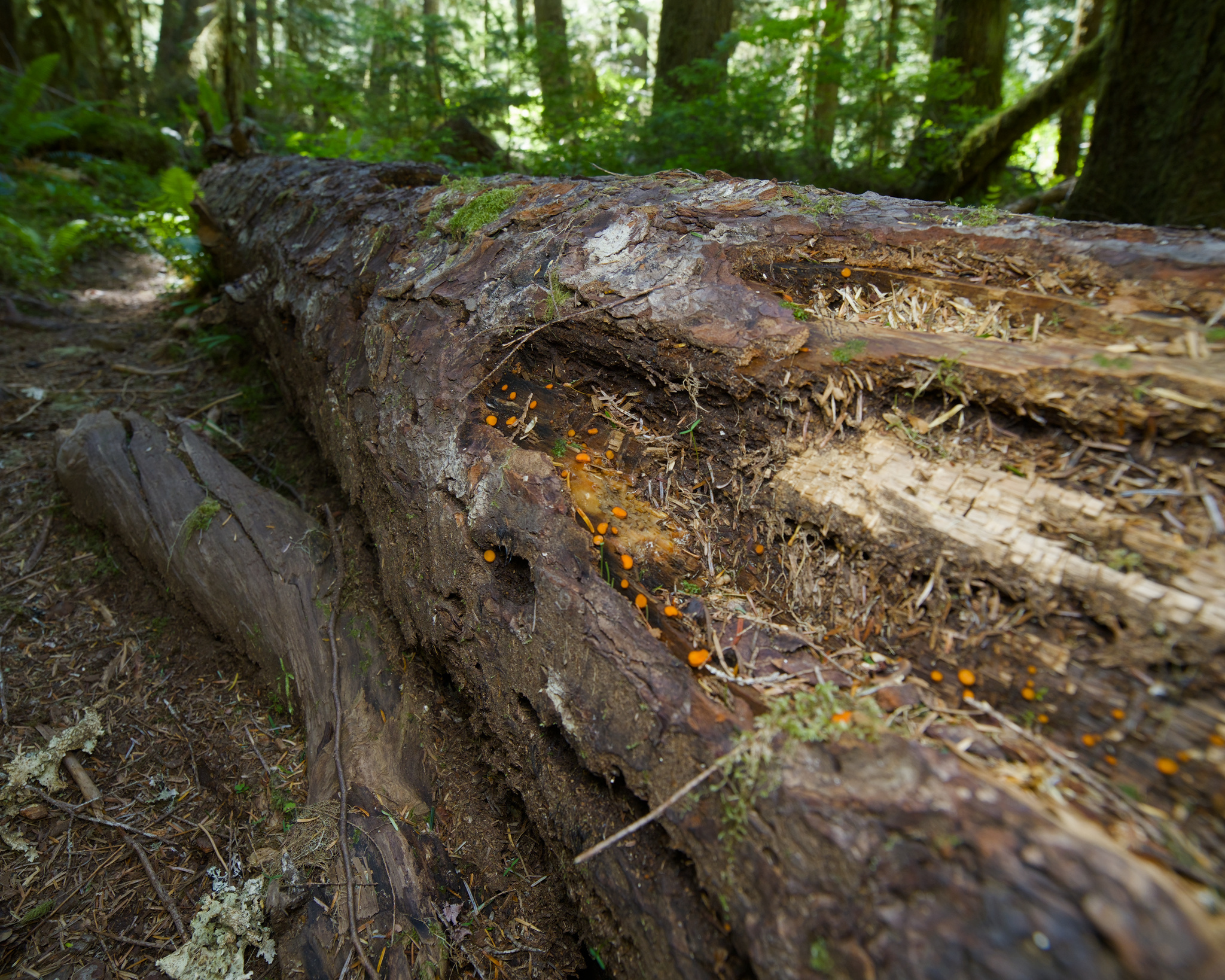
Eyelash cups! These are one of 16 or so local orange species of
Scutellinia, at least that was the estimate around a year ago. In the past I heard, some people were claiming there are differences in lash length or density/amount, as well as color and size to a small degree, however I highly doubt there is much consistency. I believe that is also Yi-Min's opinion, as he has made a few posts about the genus here in WA. That would be in a more PNW centric scope too, there are clear differences in lash morphology and size, etc. among more clearly described orange species. It is no surprise that many species in this genus are orange and hairy, as those are two fairly common traits in the family
Pyronemataceae. I think some of these would be good candidates for microscopy also, once we make more of an effort there. There currently are some lovely, very orange, micro photos on the iNat page for this genus. My last note would be that I believe hairs or lashes here are more prominent and longer when all species are young, and that they recede to the margin of the cup and become less prominent with age in most species. Meaning these would be fairly mature examples in the above collection, excluding smaller ones with more prominent hairs. It would be cool to see if we can establish any clear marker there, for lash length.
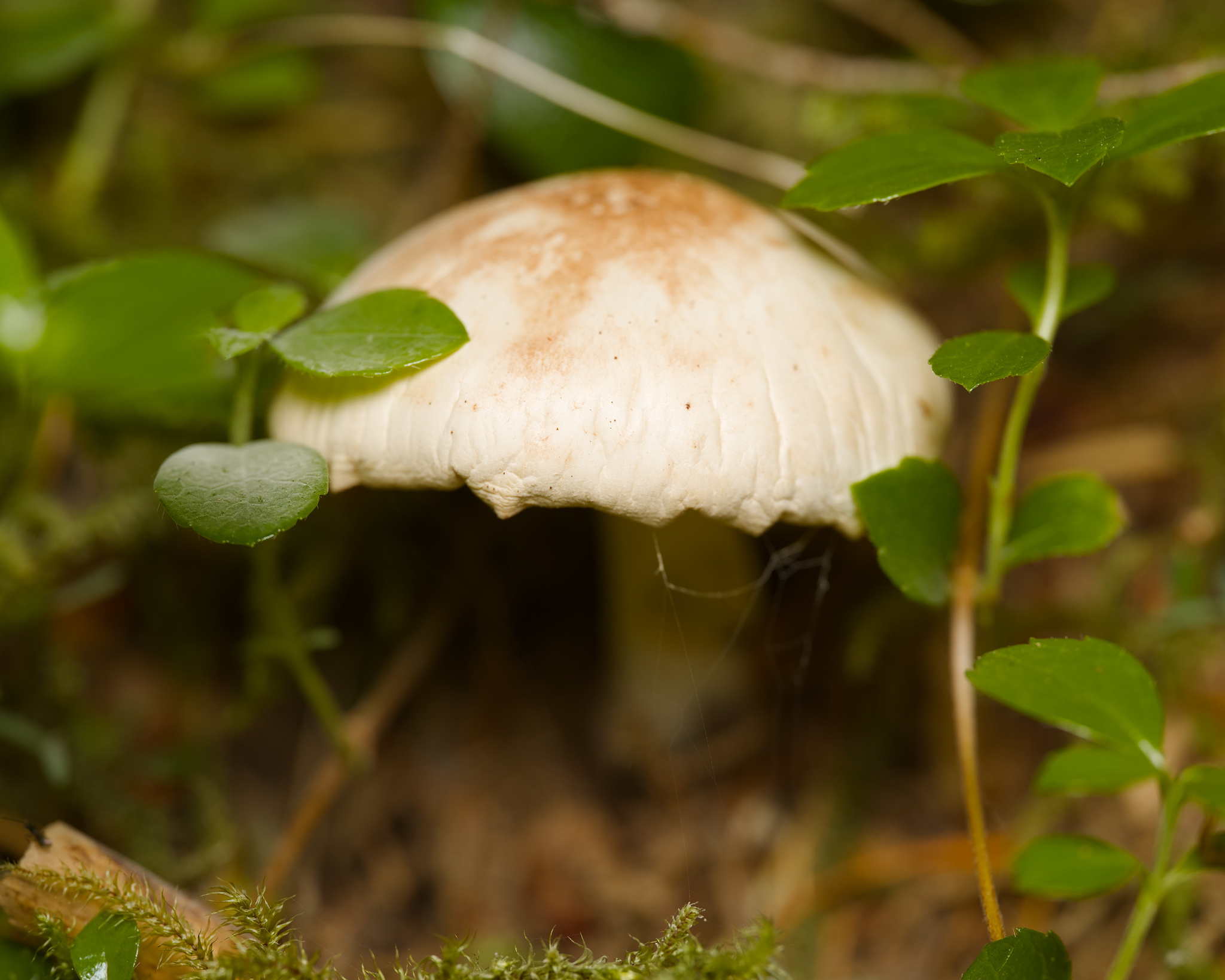
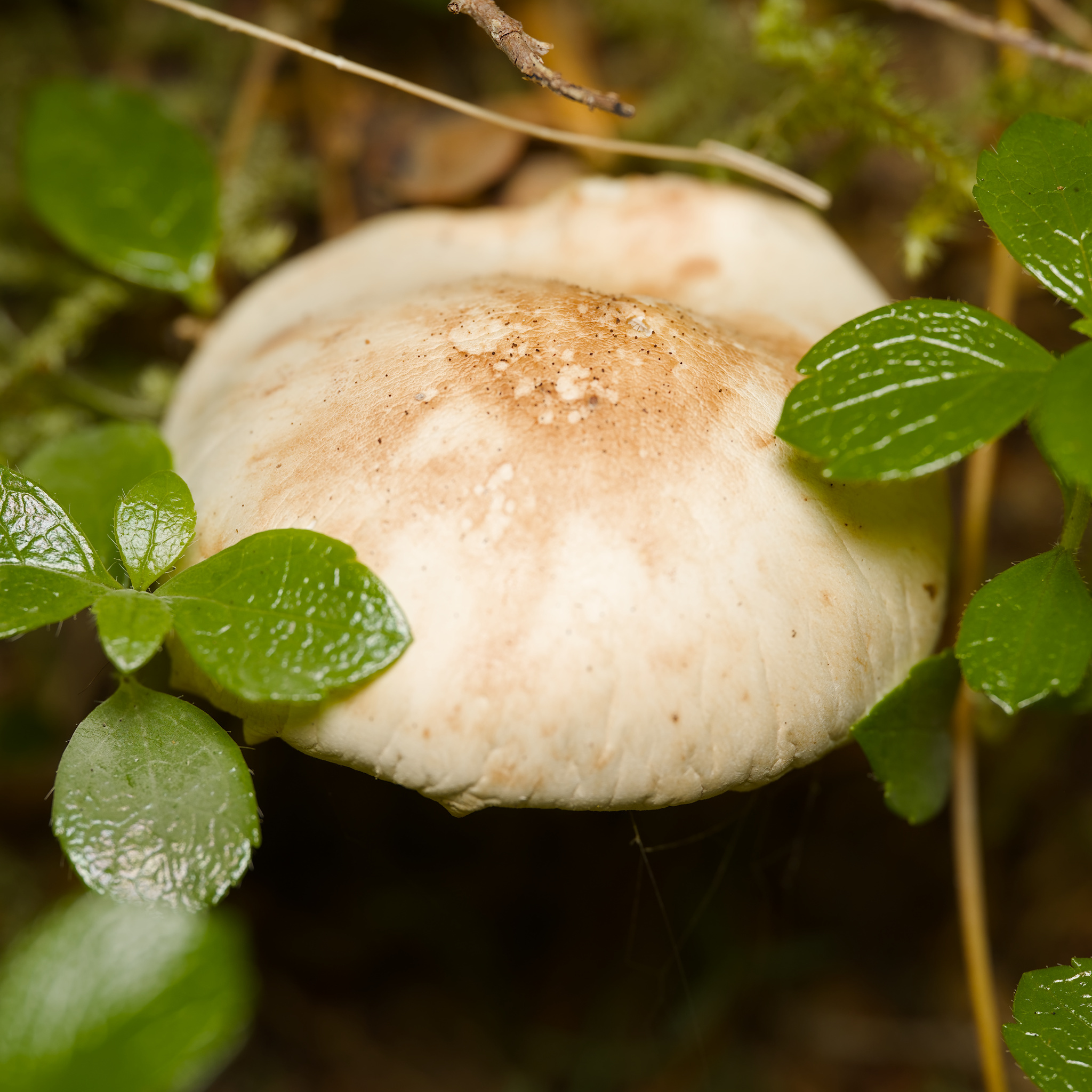
I am currently accepting the
Inocybe ID here but will await DNA to confirm the species Andrew has suggested. I think the only other feasible assumption is Cort, however all the textures here, including cortina, seem Inocybaceae to me also.
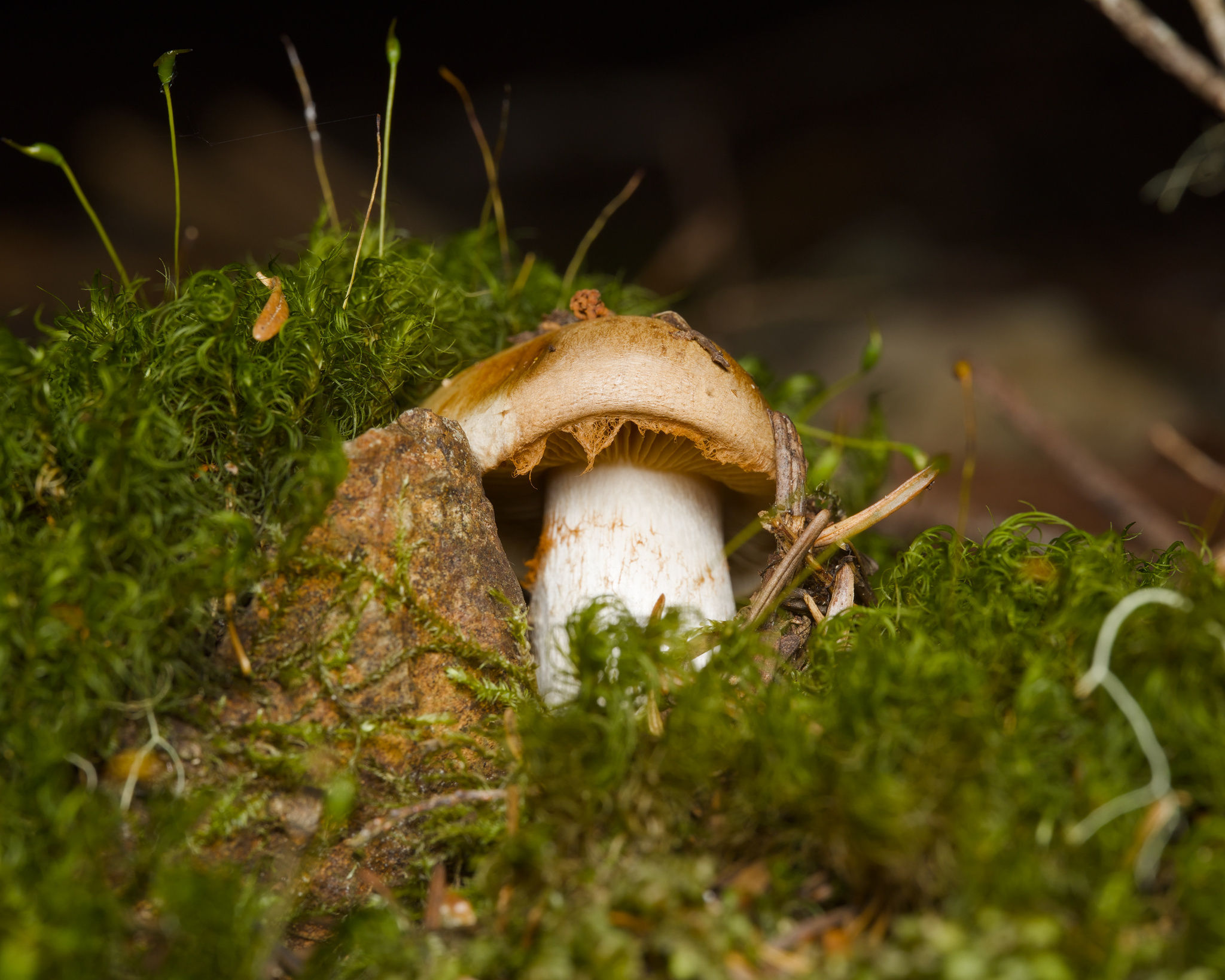
This lovely
Cortinarius /
Cortinariaceae resembles many of the beige corts we have found along the coast later in the Summer. We have found multiple large C. caperatus clusters, and another beige cort that more closely resembles this one. I think at least one is currently a
Thaxterogaster, there are multiple beige species described from WA that match that direction. The clean look of the stipe outside of the fluffy cortina and spore, makes me question that direction a bit. I am no pro in the family so I will have to run this by someone that is, unless DNA comes back first. Would simply have to make notes about texture and habitat here for our reference.
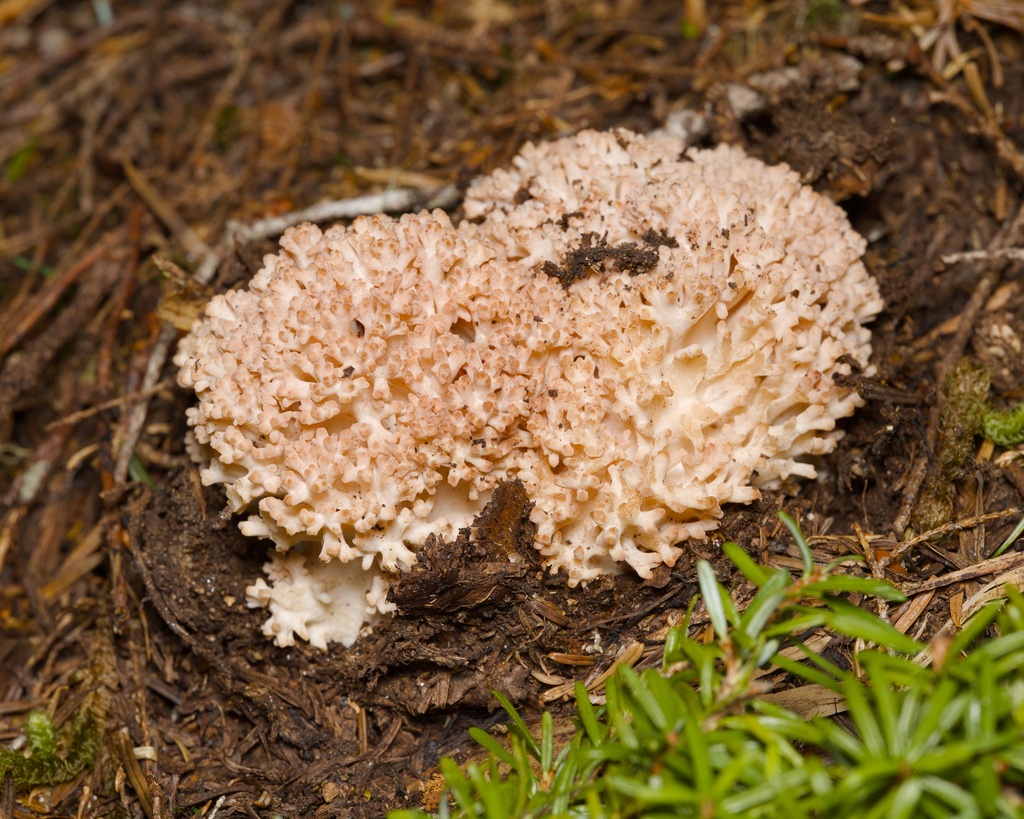
As many of the people reading this will likely know, I adore the family
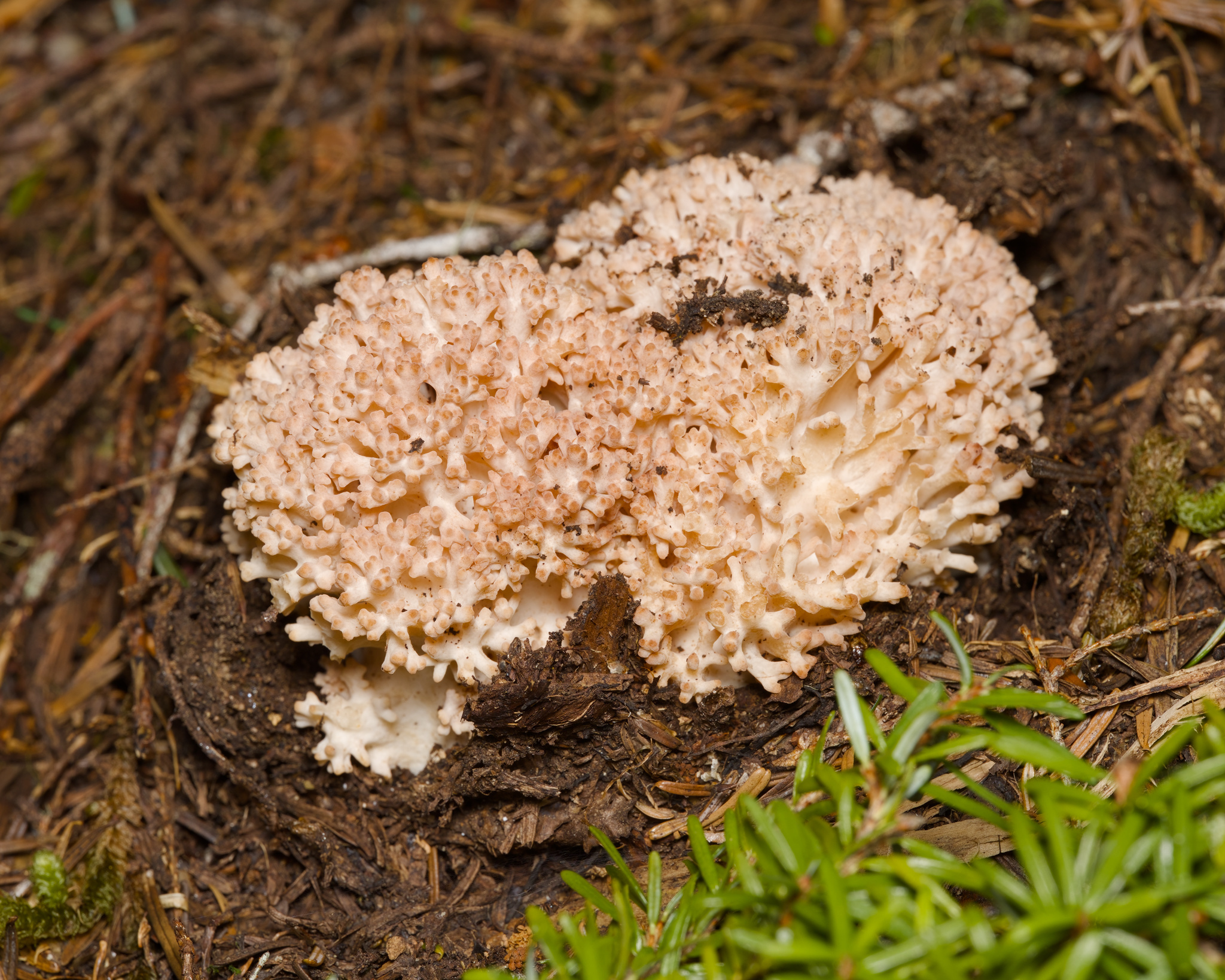
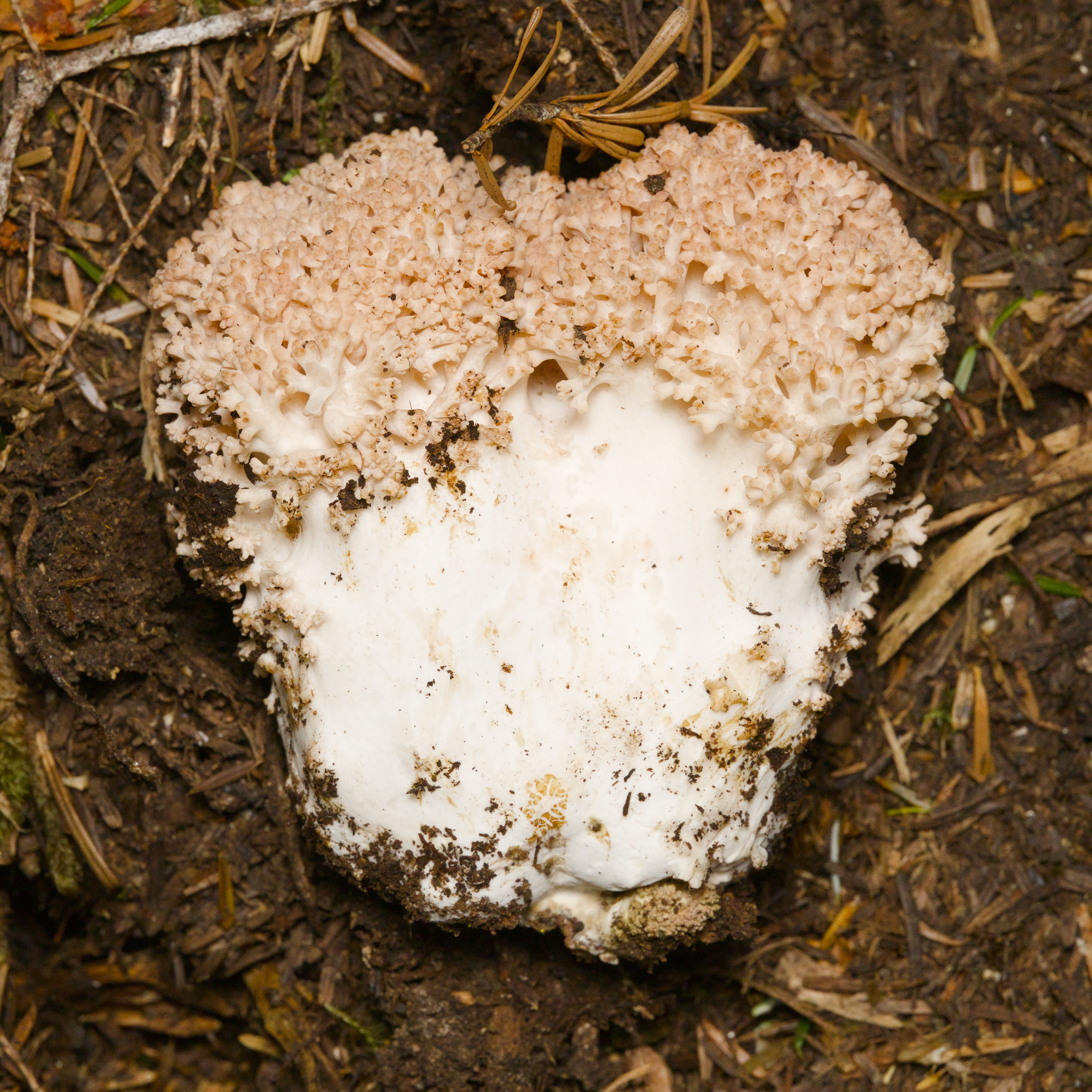
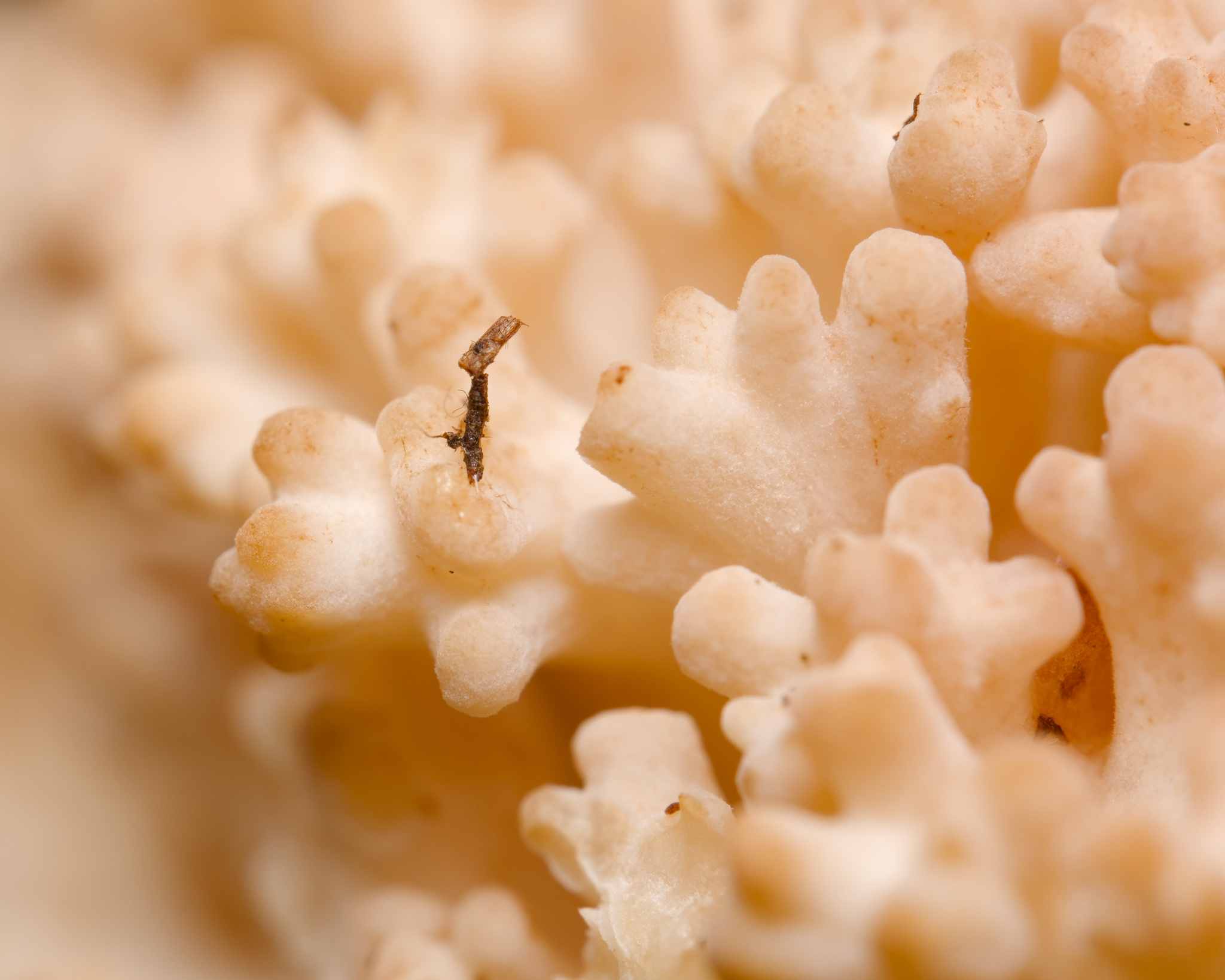
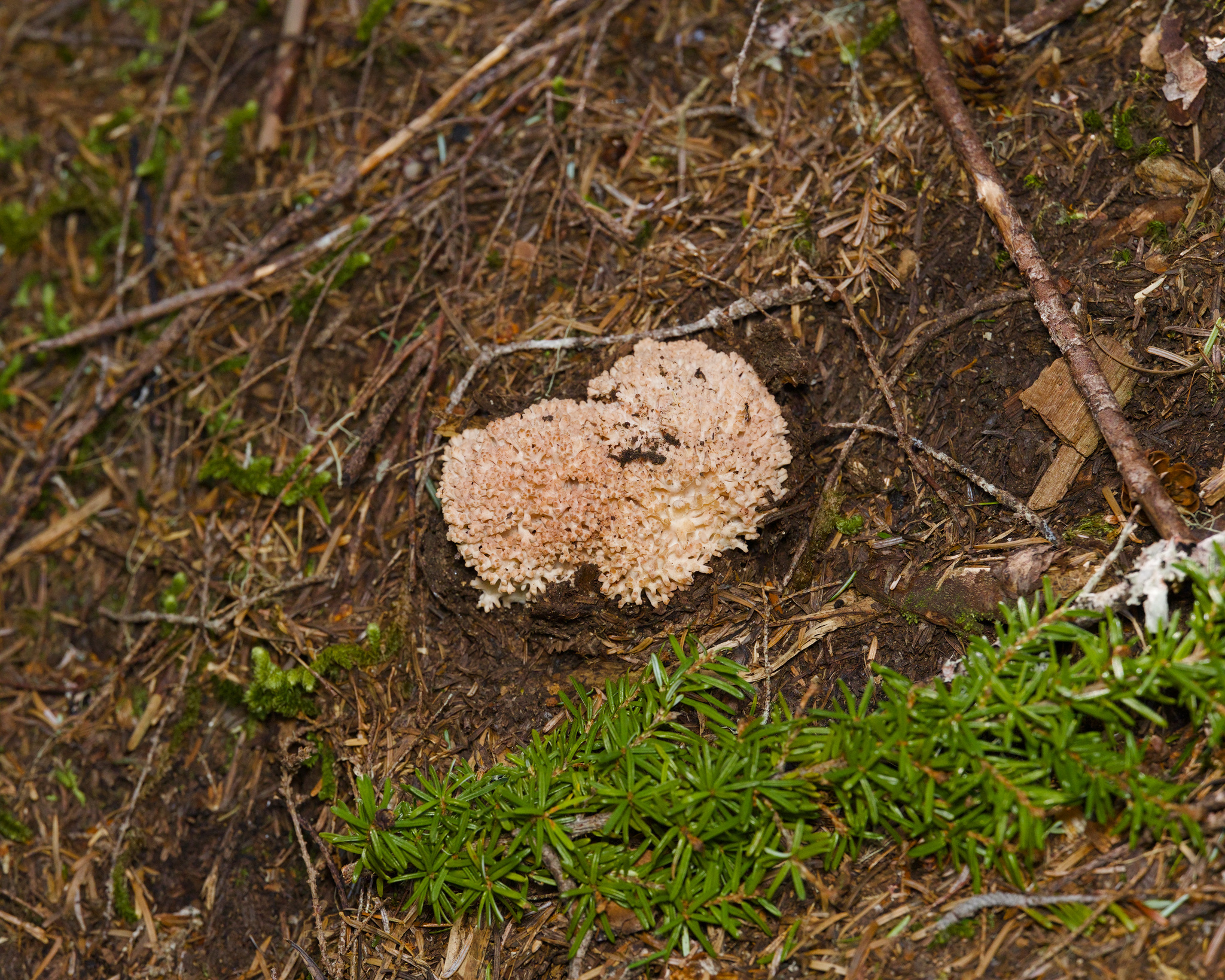
Gomphaceae. This lovely pinkish
Ramaria is no exception. Corals like this remain one of my main basidiomycete interests. Color and more bulbous stature, as well as context, suggest
subgenus Ramaria here. There are other colors in this subgenus, and this pale pink is present in others like Laeticolora, but this combination of stature and color is most common in Ramaria. All members of this subgenus are much more readily edible than others, per Dr. Efren, there are no exceptions and they're all suitable for eating. I am sure he would appreciate if I marked this one for microscopy also, even if it is a common species, it can be very key for future reference. Also shoutout to Martin on iNat, who will hopefully agree with this ID as-is and also come to see the DNA result. Although he may tend to prefer Laeticolora... we will certainly collect more of this precious genus!
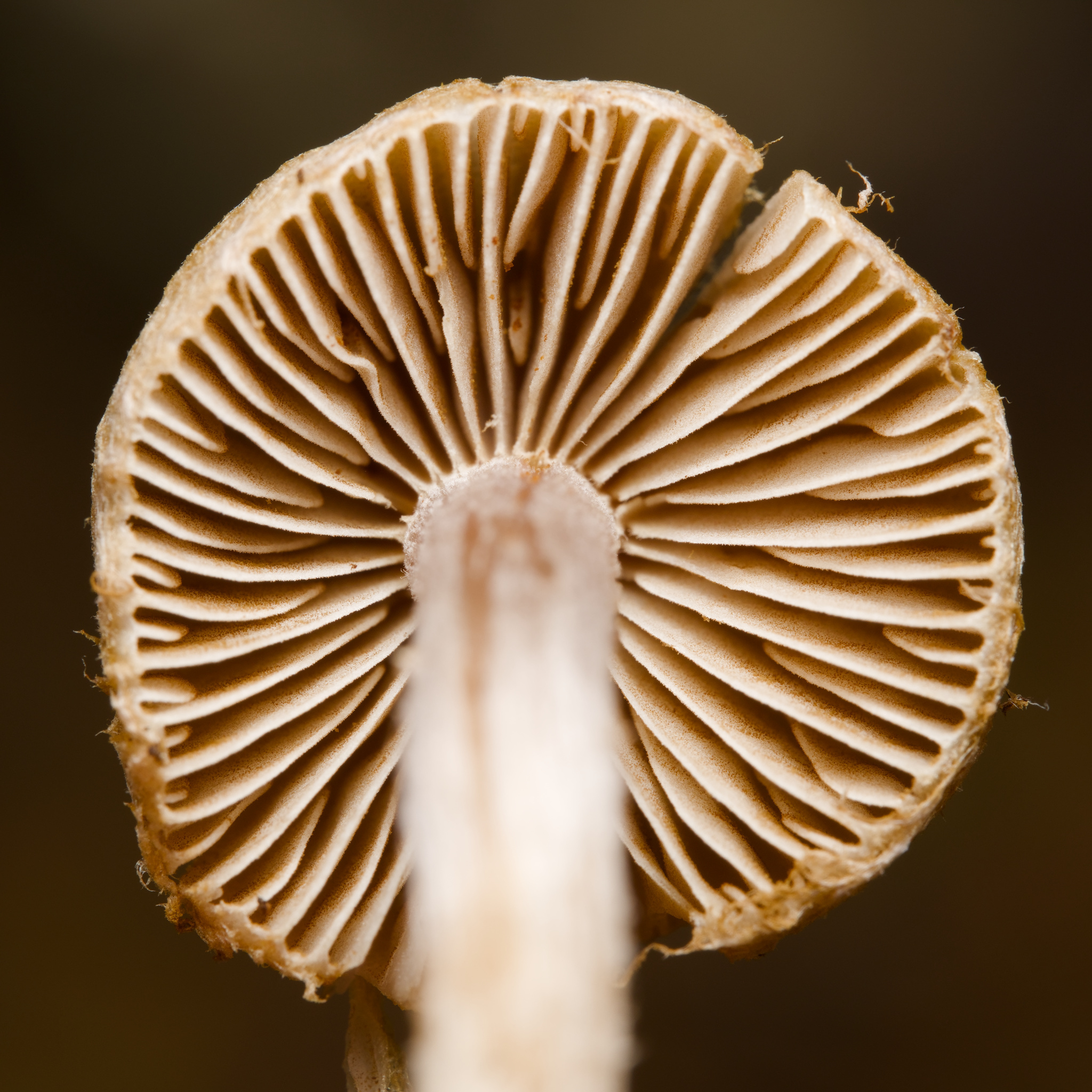
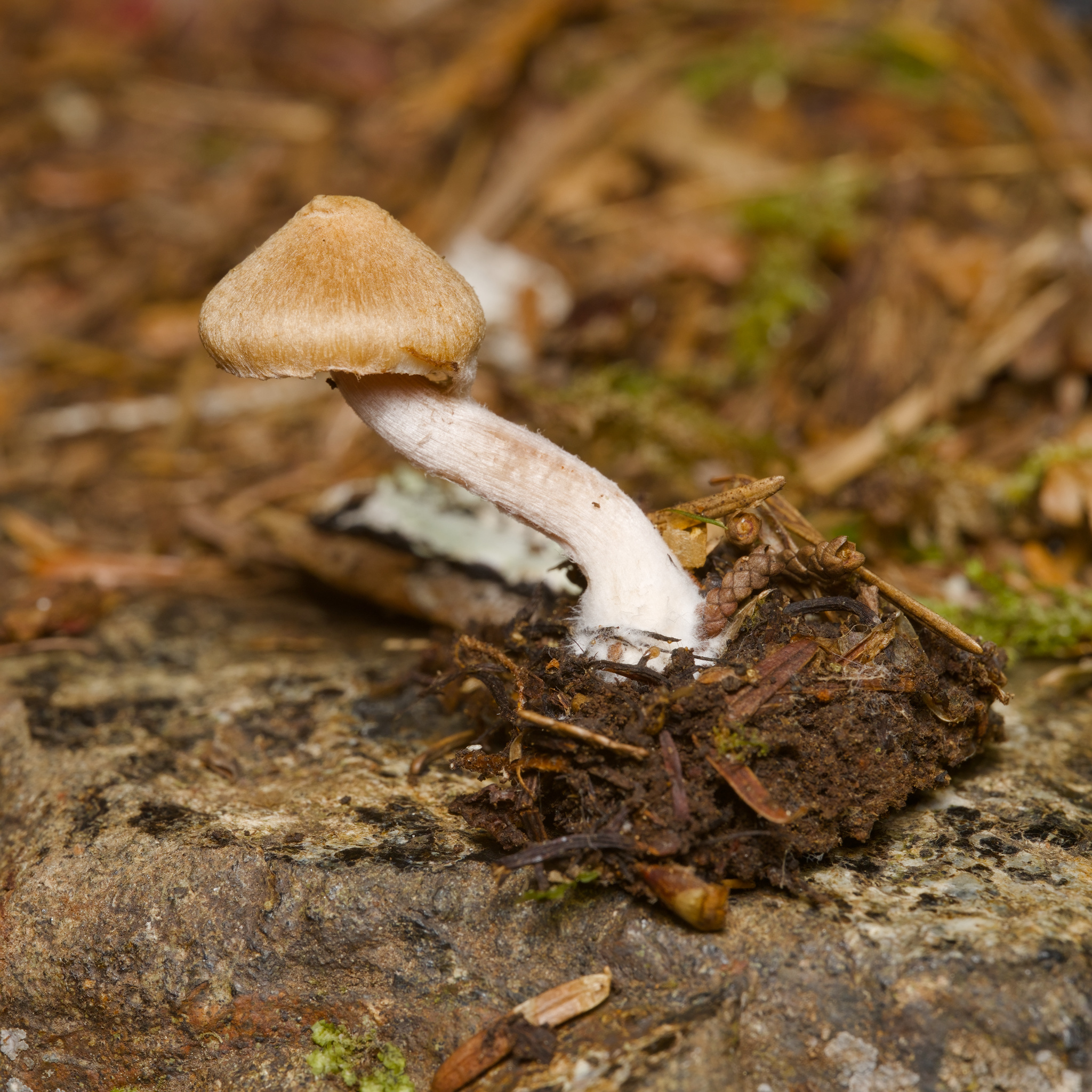
I think we are assuming this is
K. lignicola or similar. Fairly common to see this genus here, and we have made attempts to collect both/all common species. This being the smoothest and probably lightest colored one, and not sheathed.
Quite a robust and pale member of this group/subsection, and hopefully a different one! Despite its younger age, I still think these are fairly stout, especially compared to most other species in the genus.
Mycena subsection Purae is quite diverse and I think we have made a good effort in this study in both prior and future months, to document many of its local members. I do not believe this collection will return the same M. pura temp. code as our survey collection from March, or our latter examples of the group either. I think we will aim for around 5 separate codes for our study area if possible, as I think that number would align with the commonly found members here.
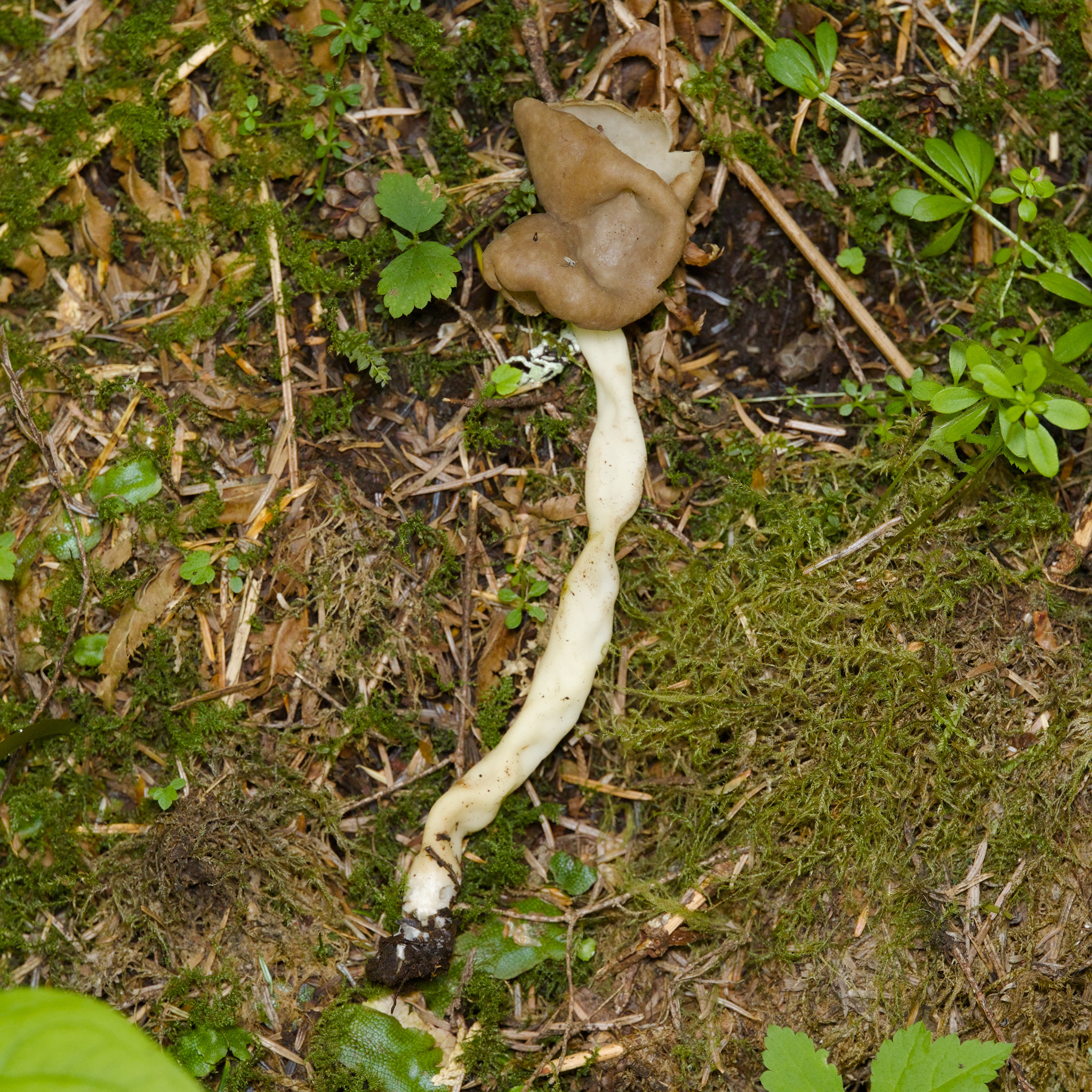
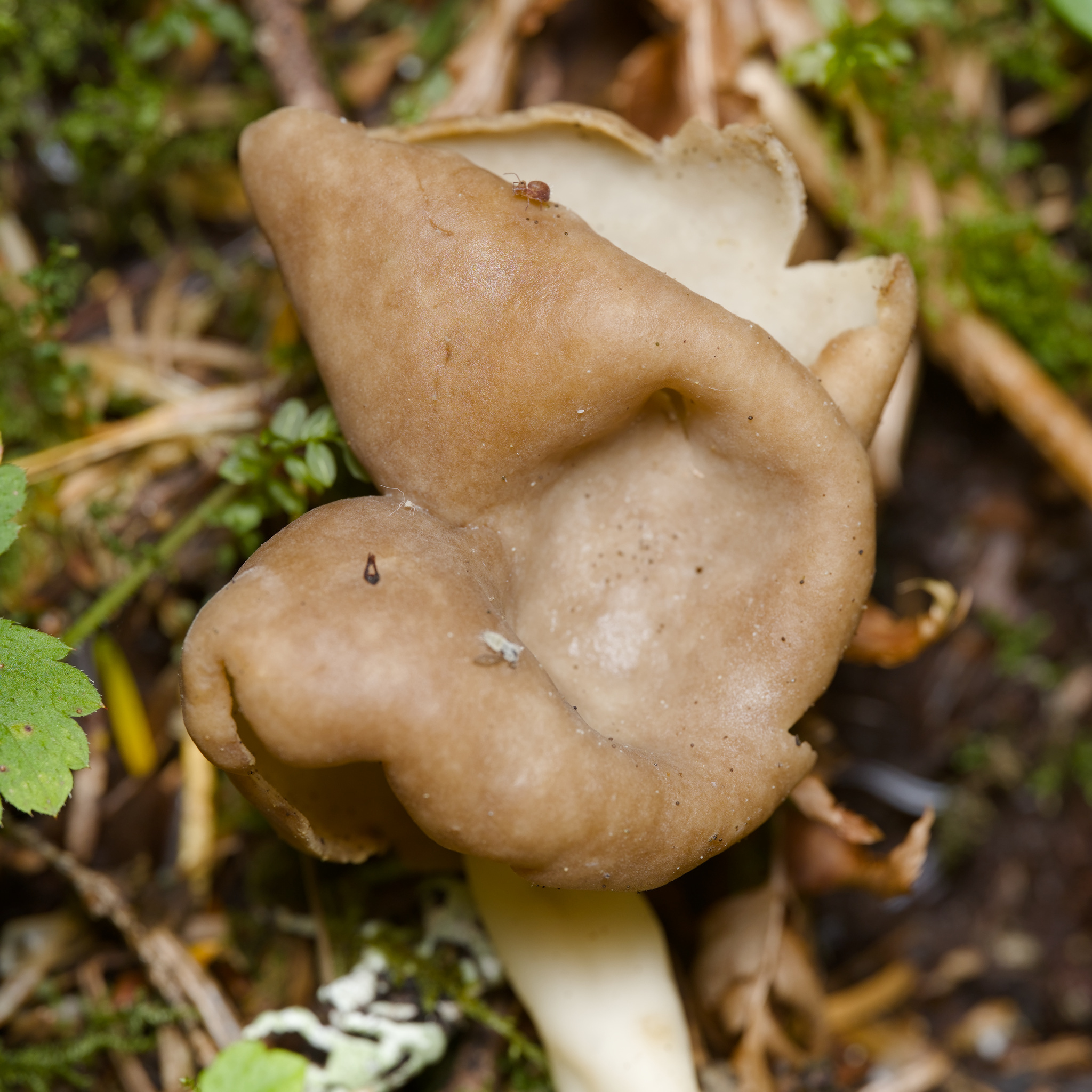
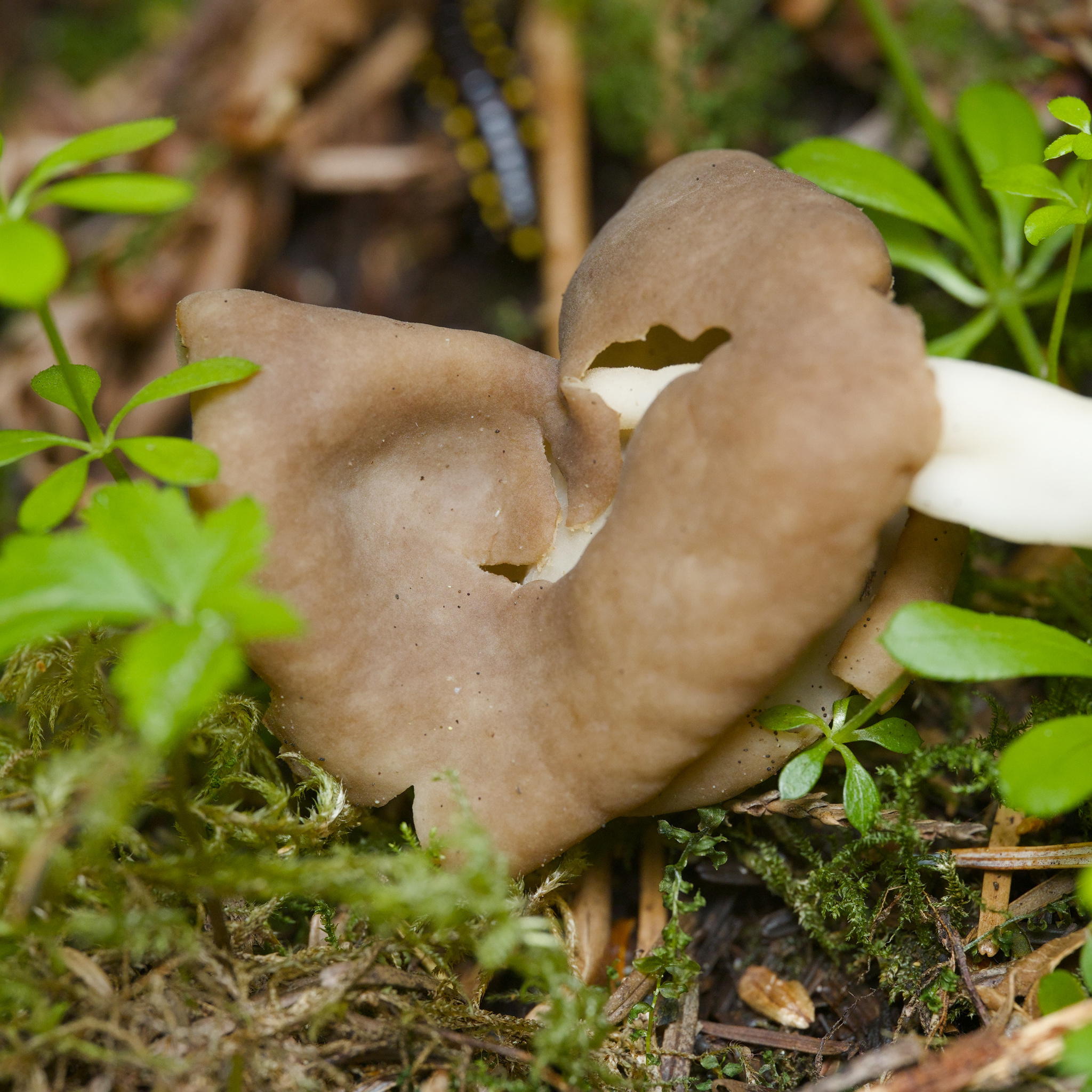
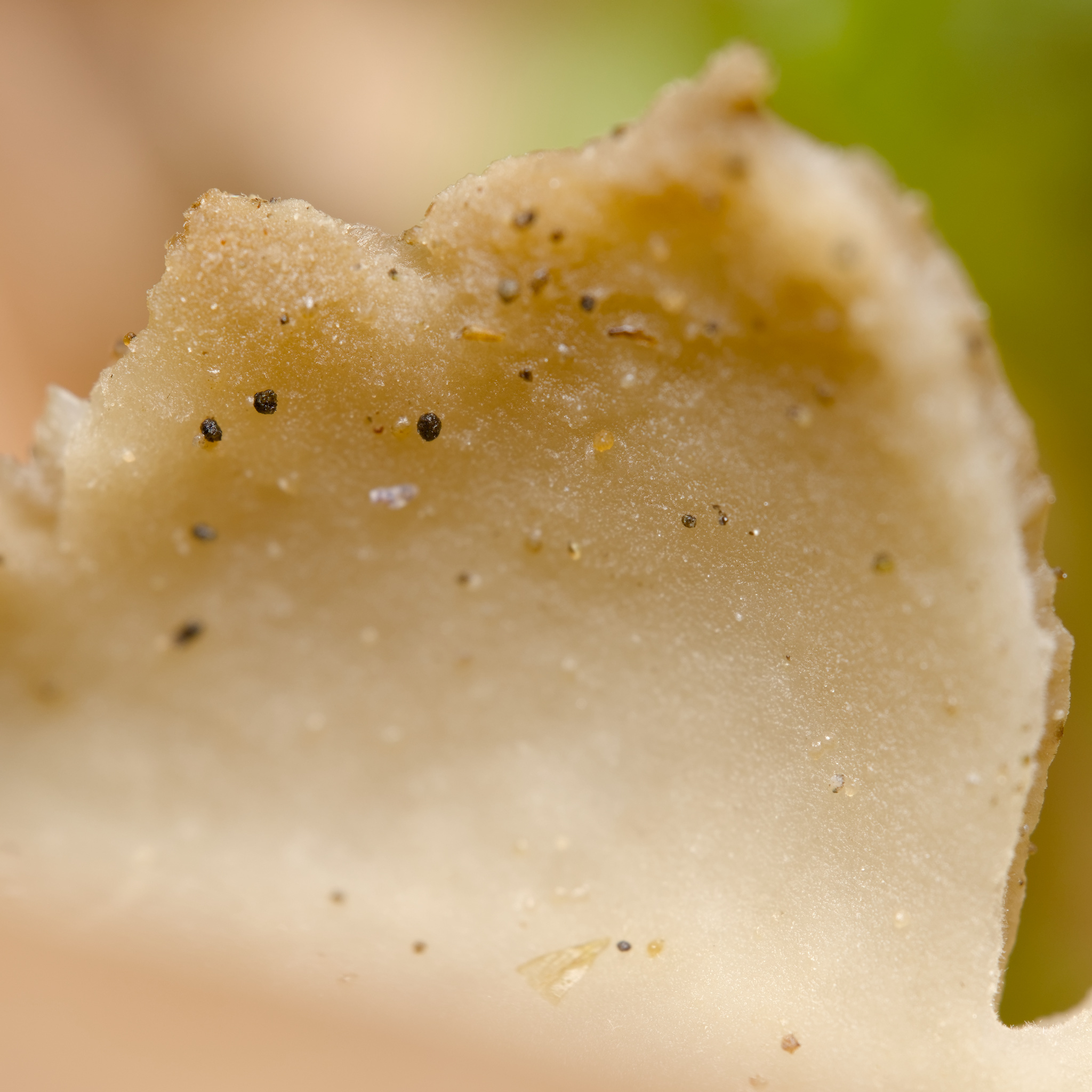
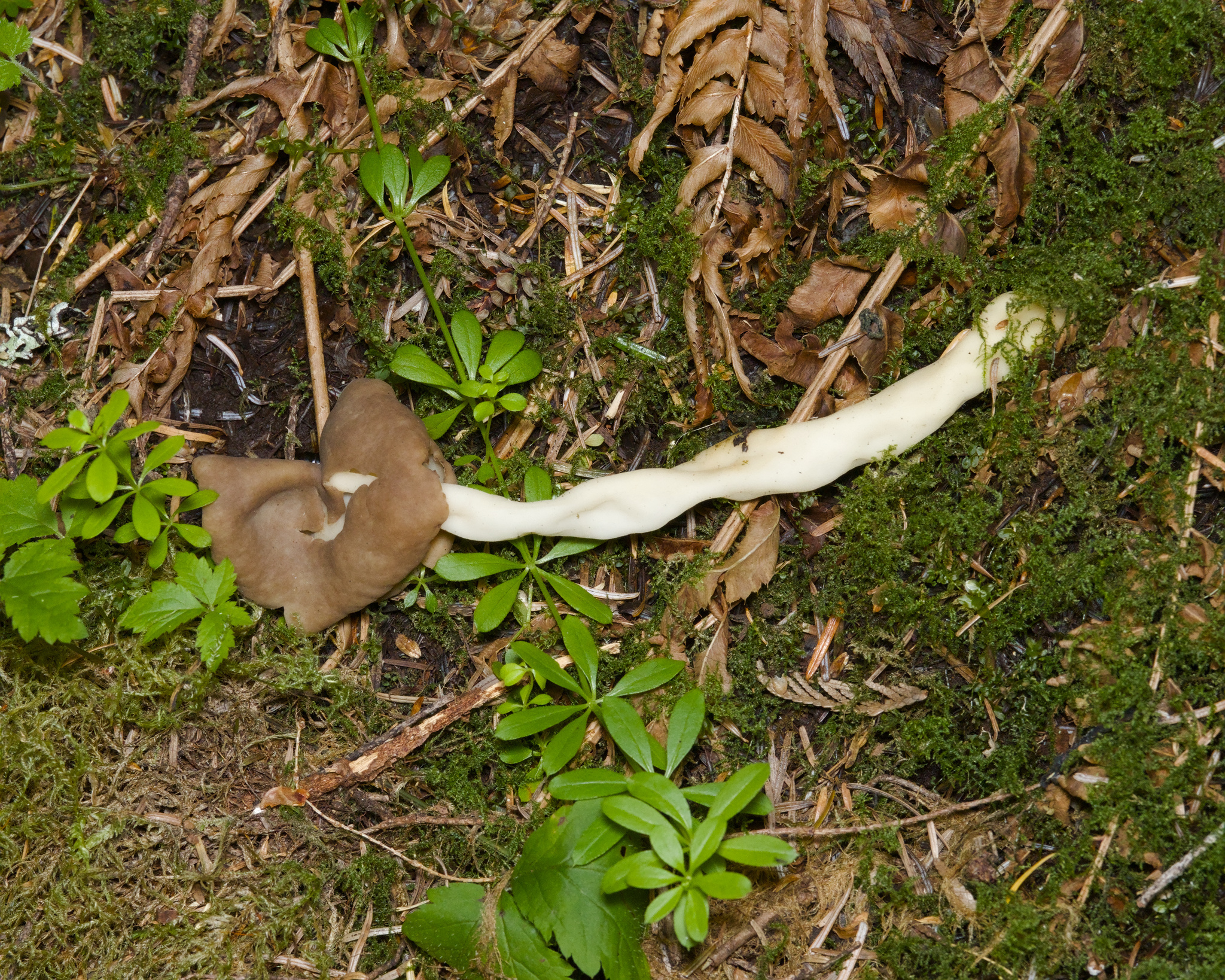
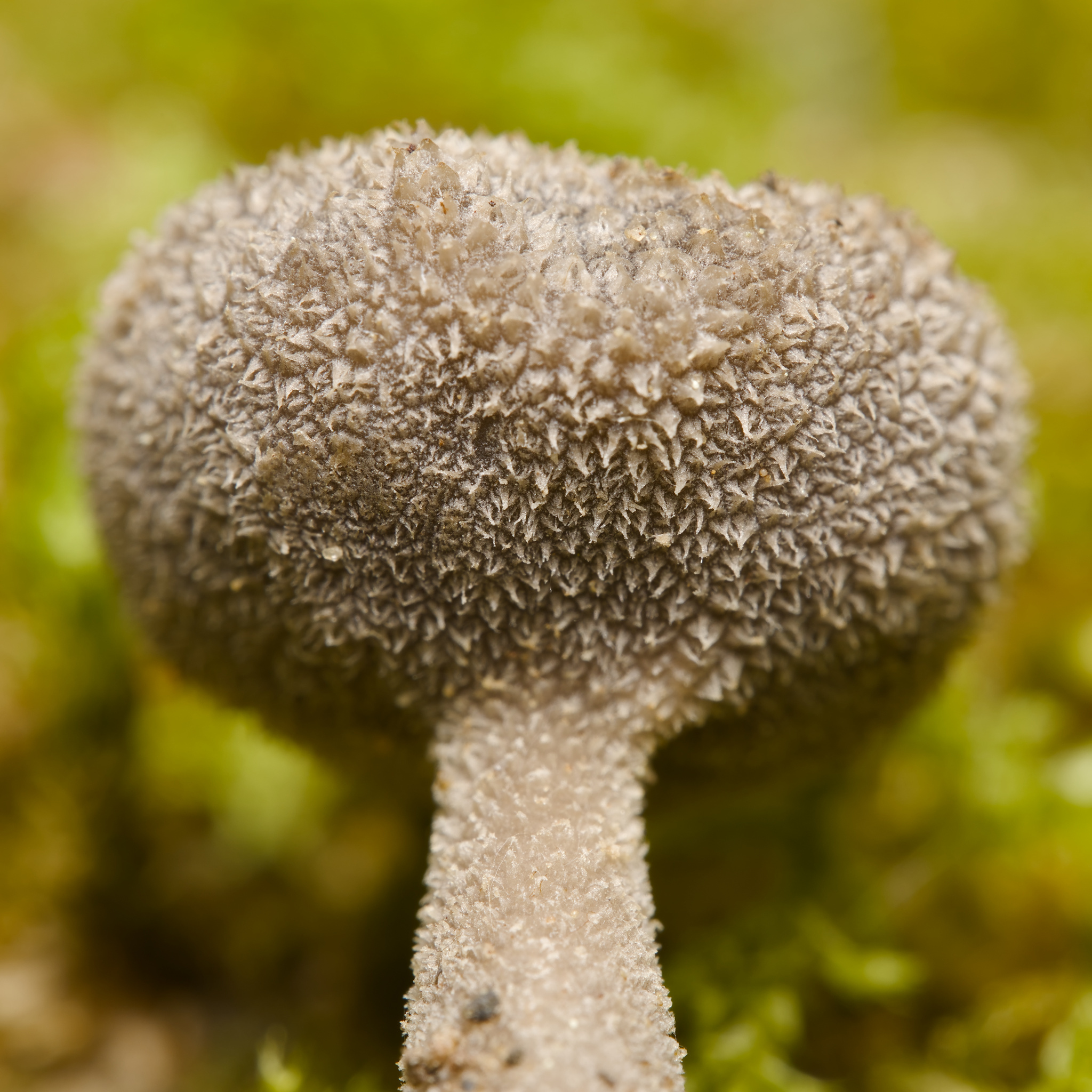
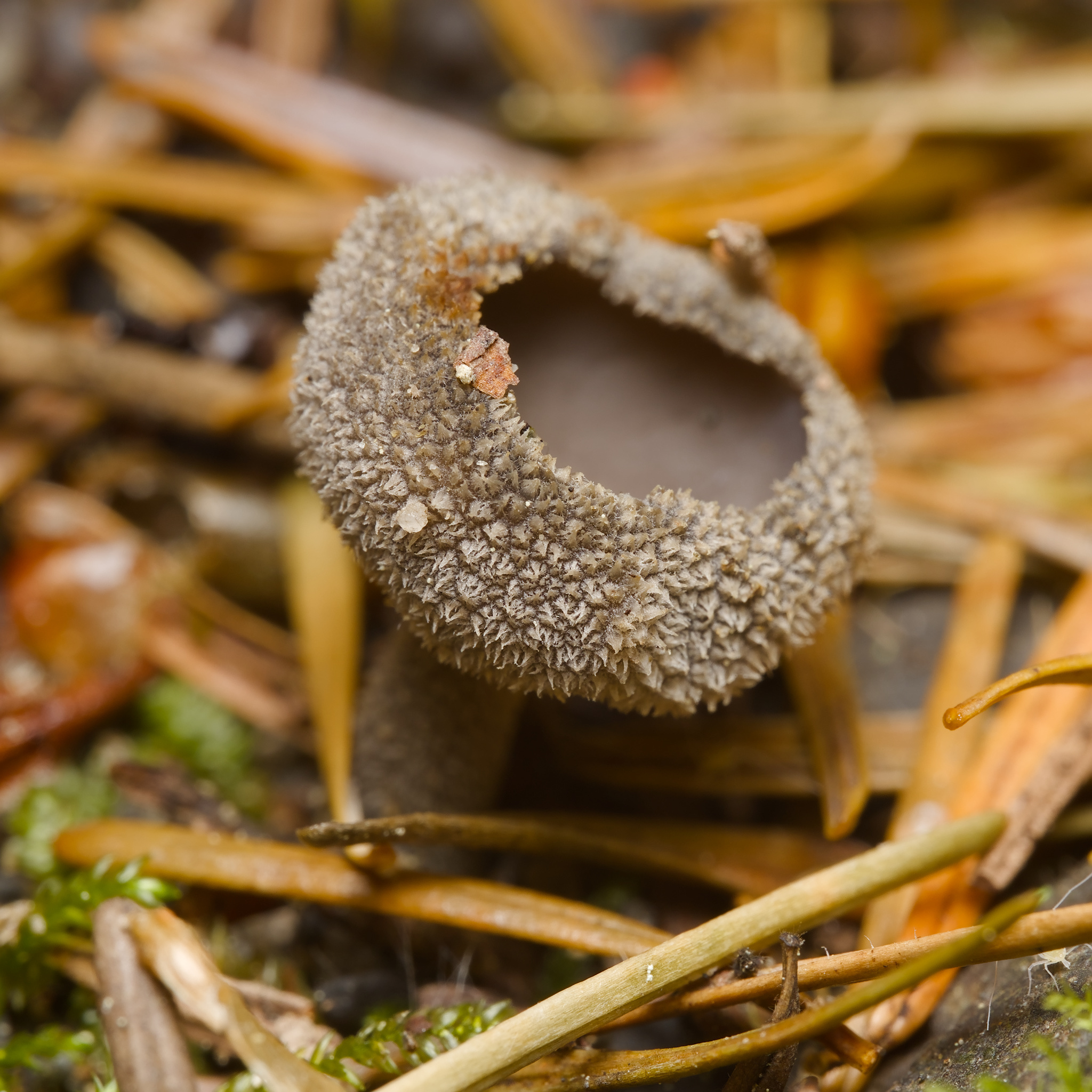
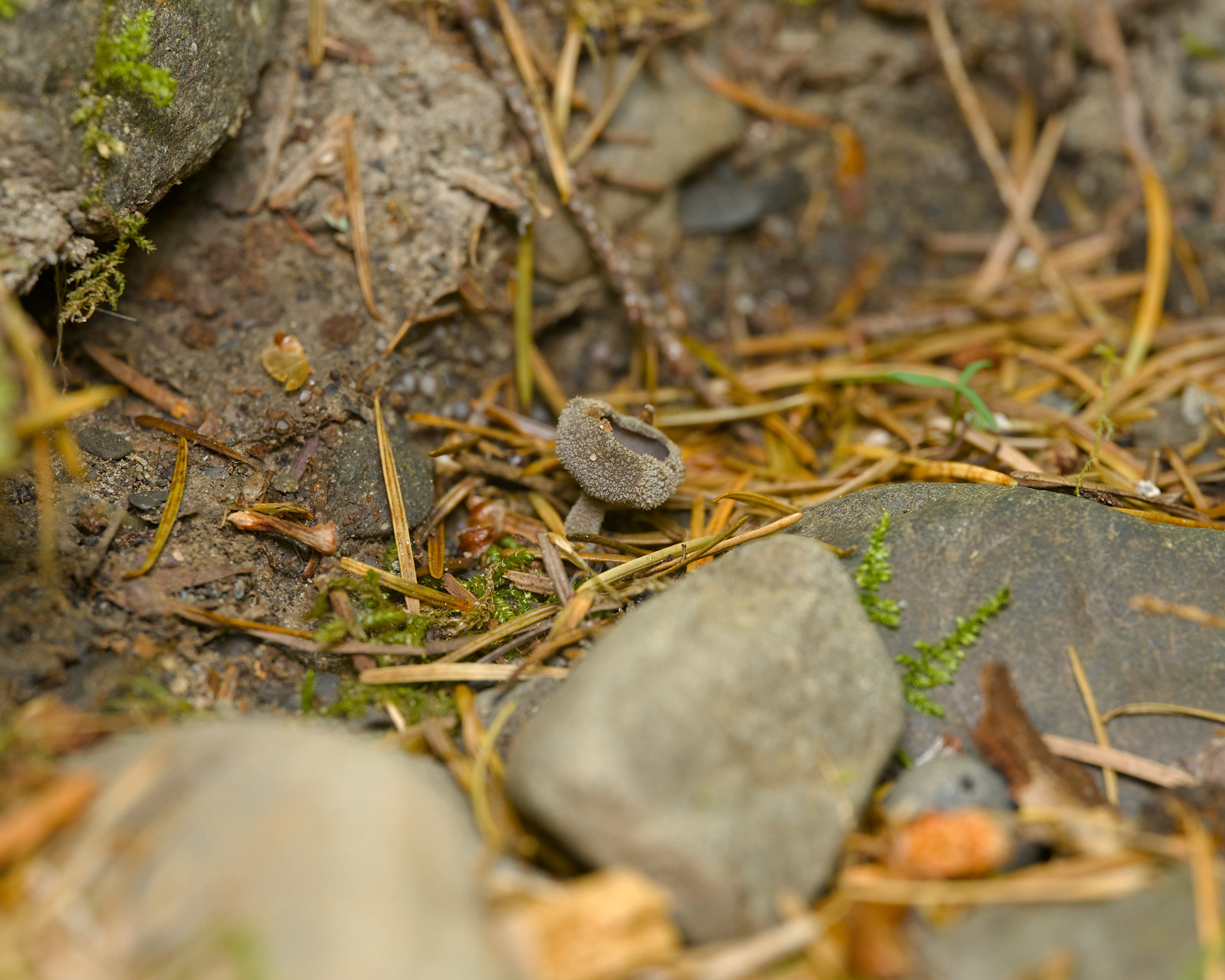
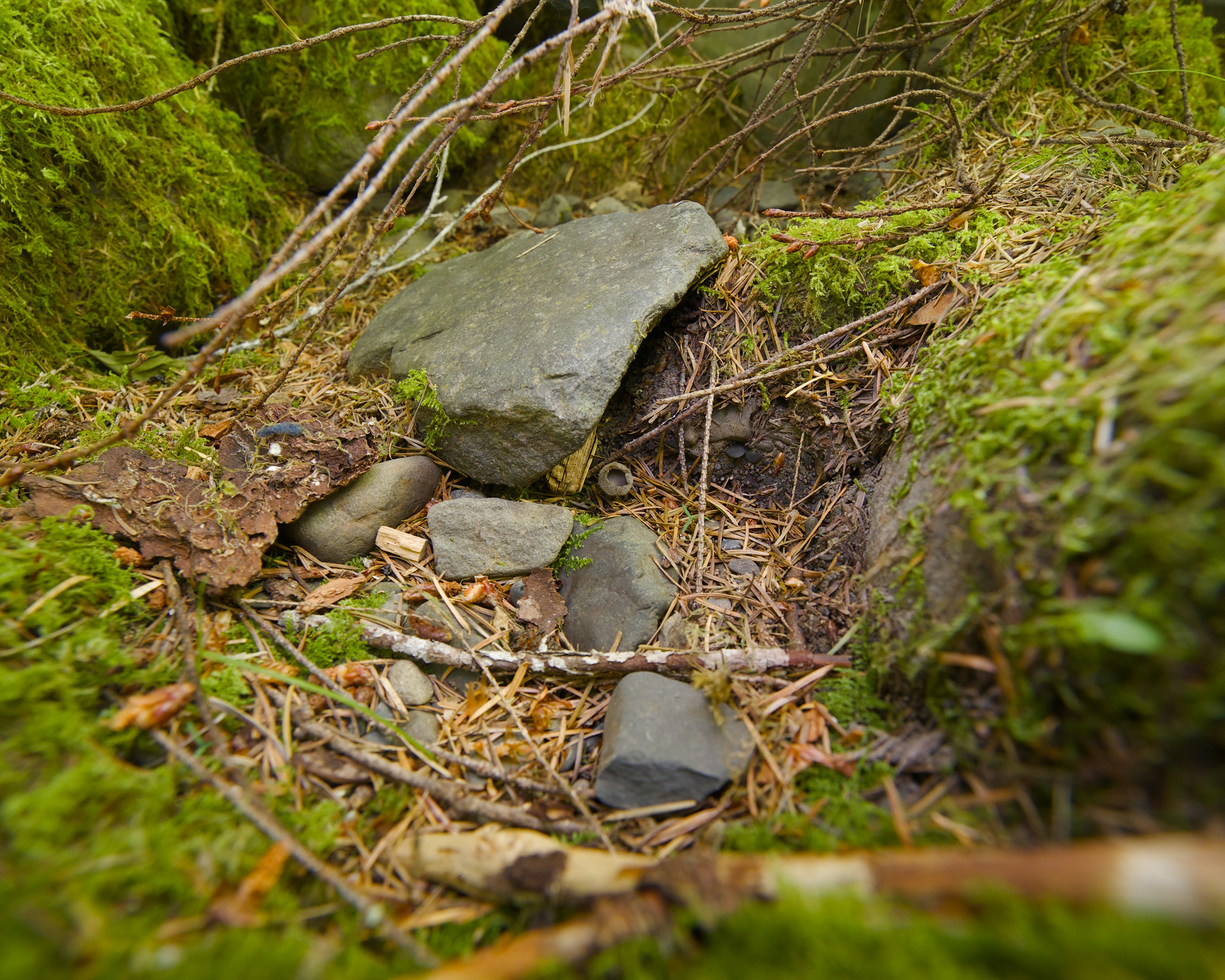
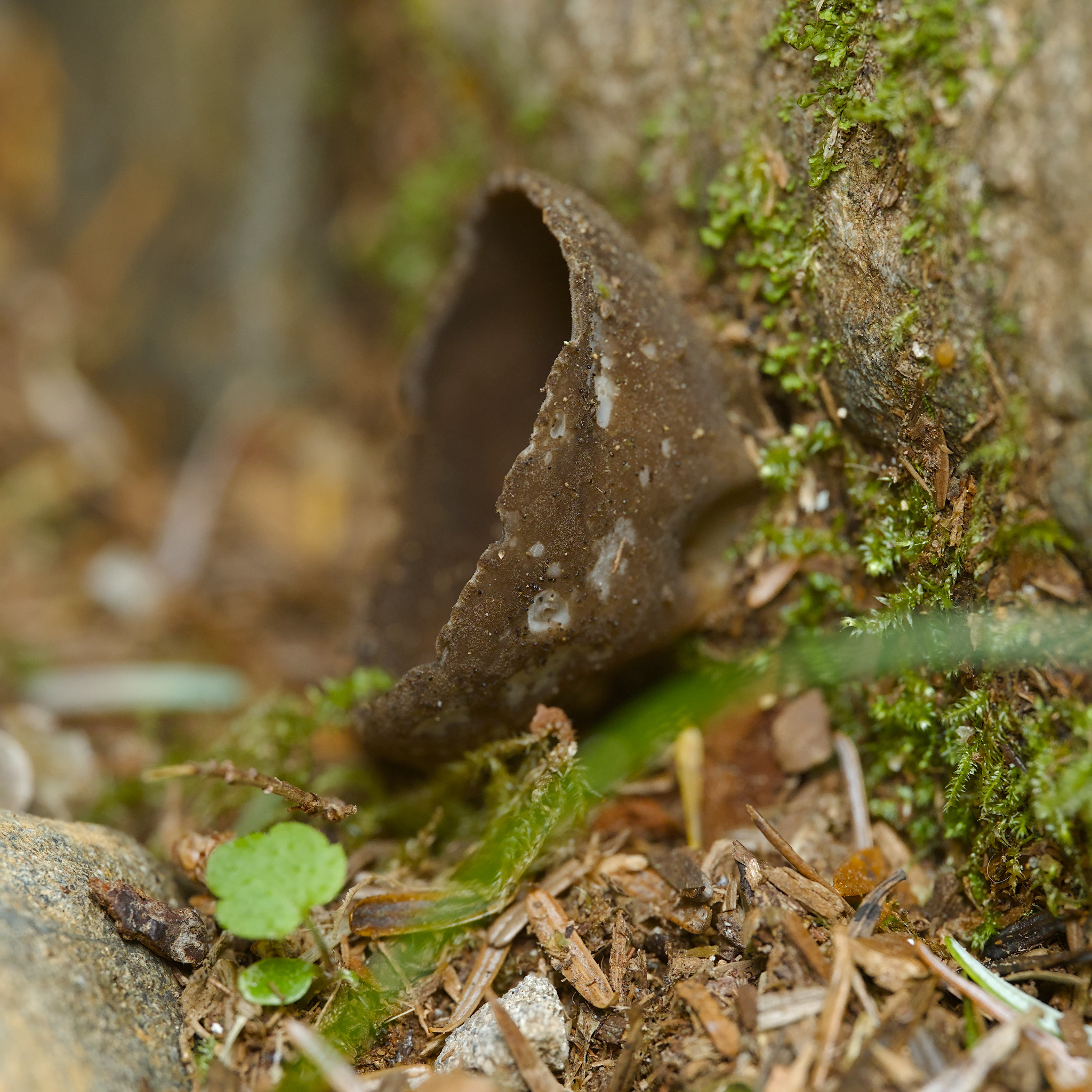
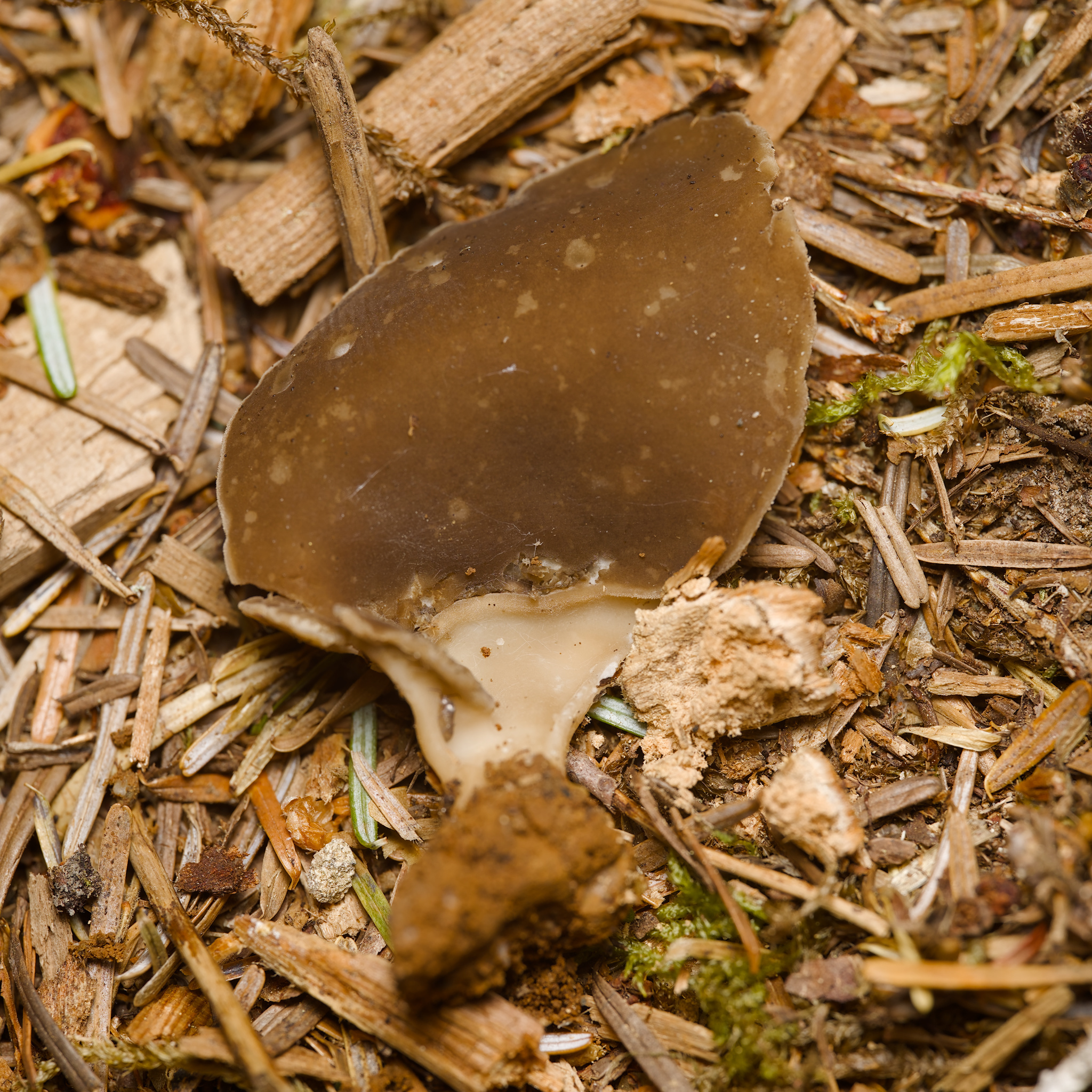
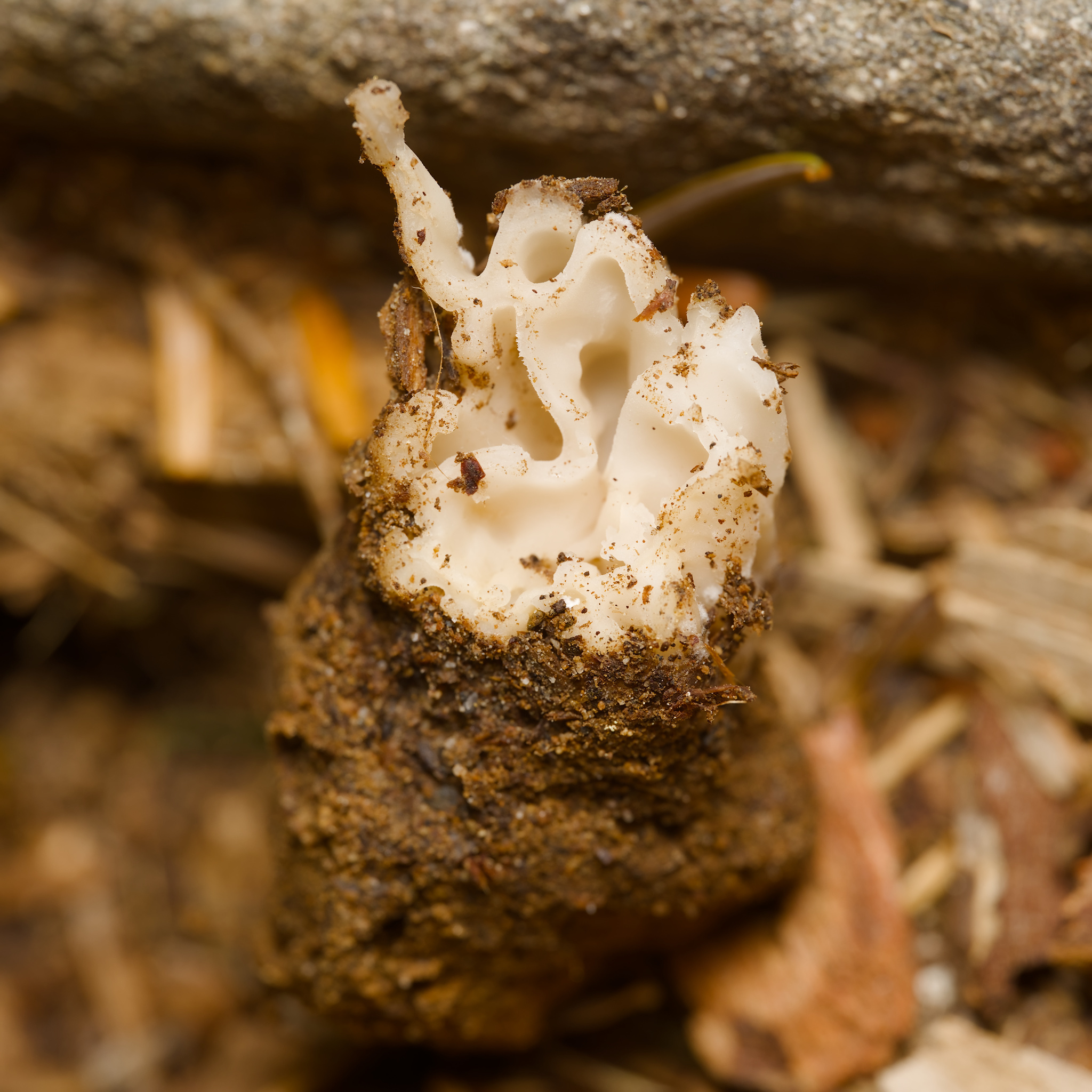
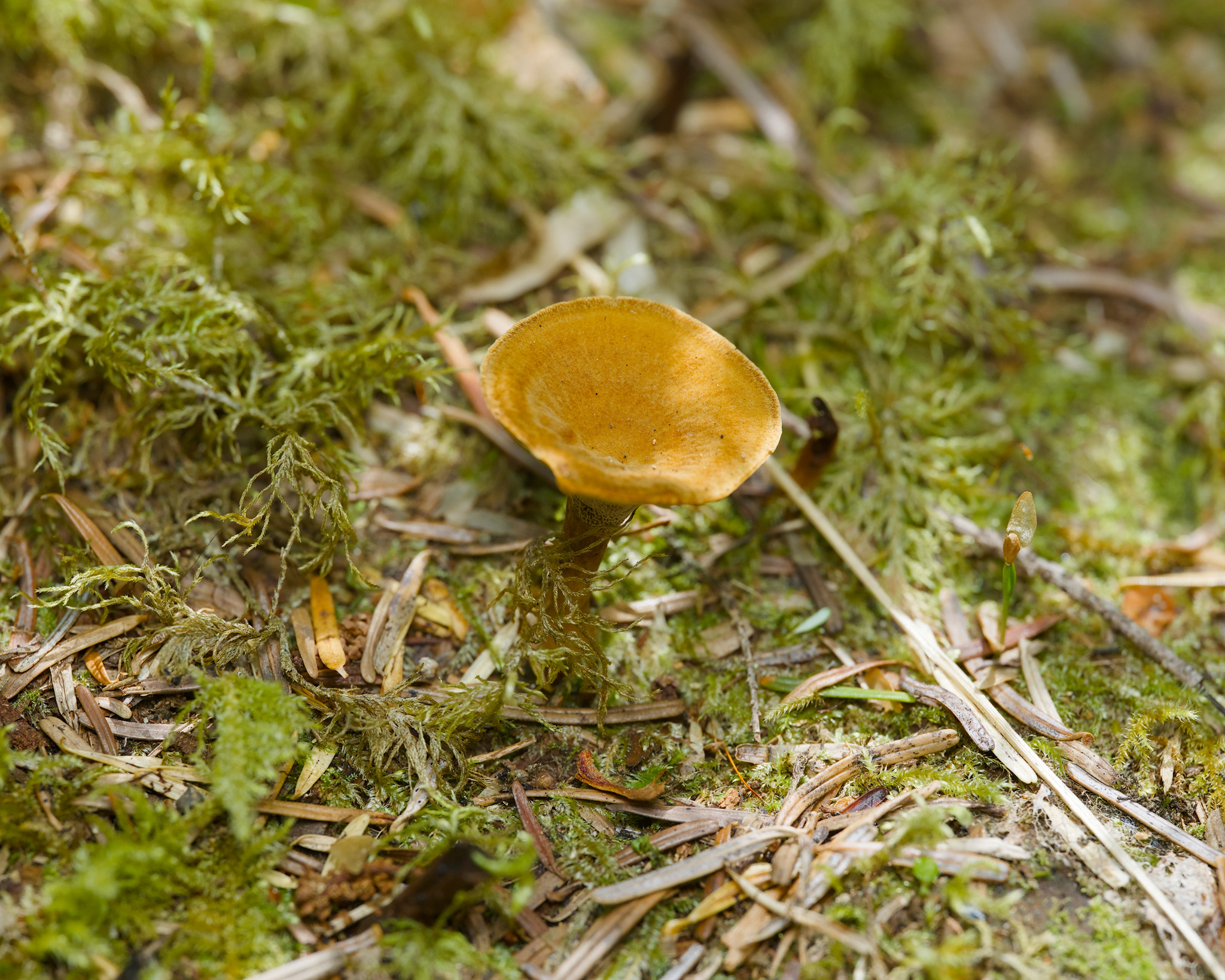
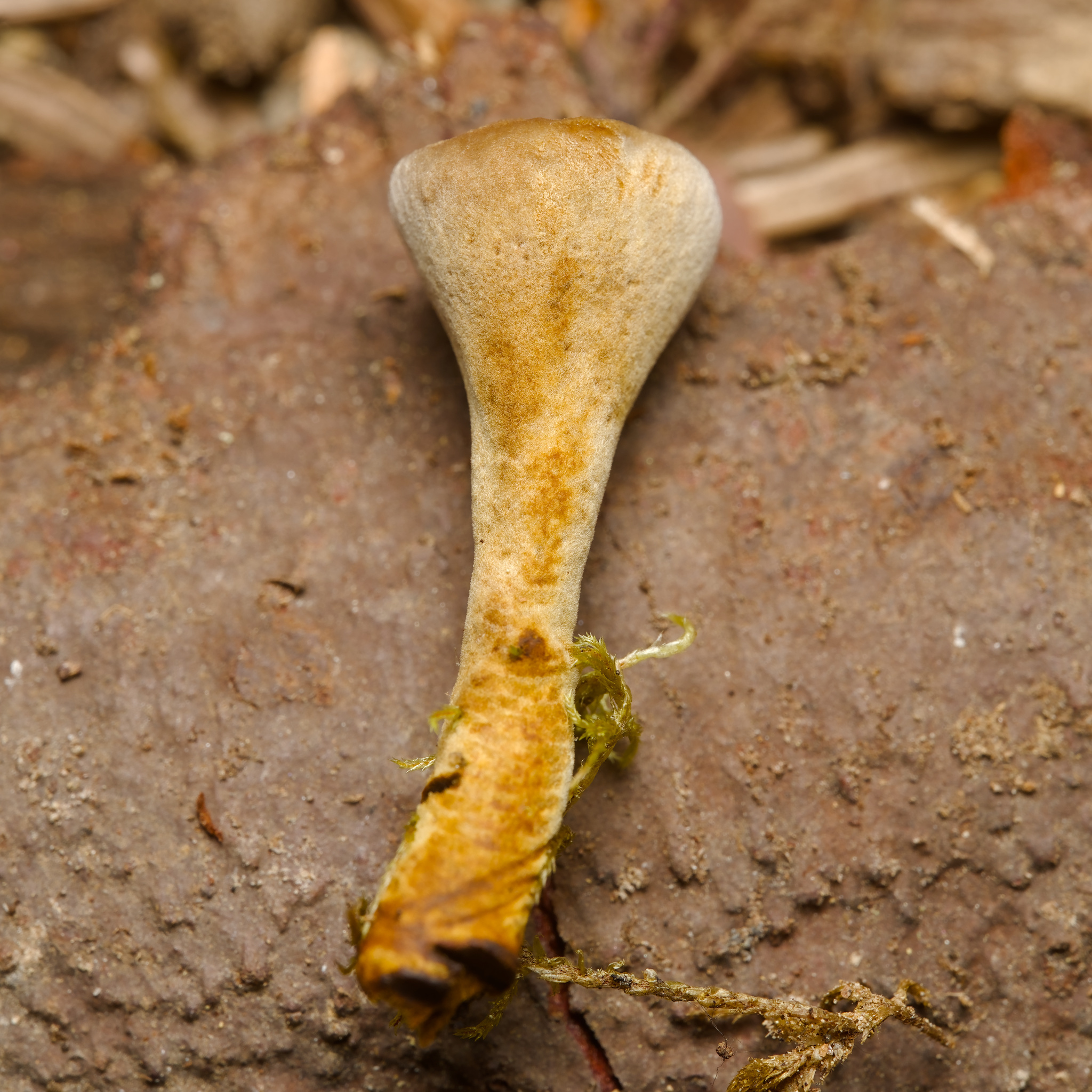
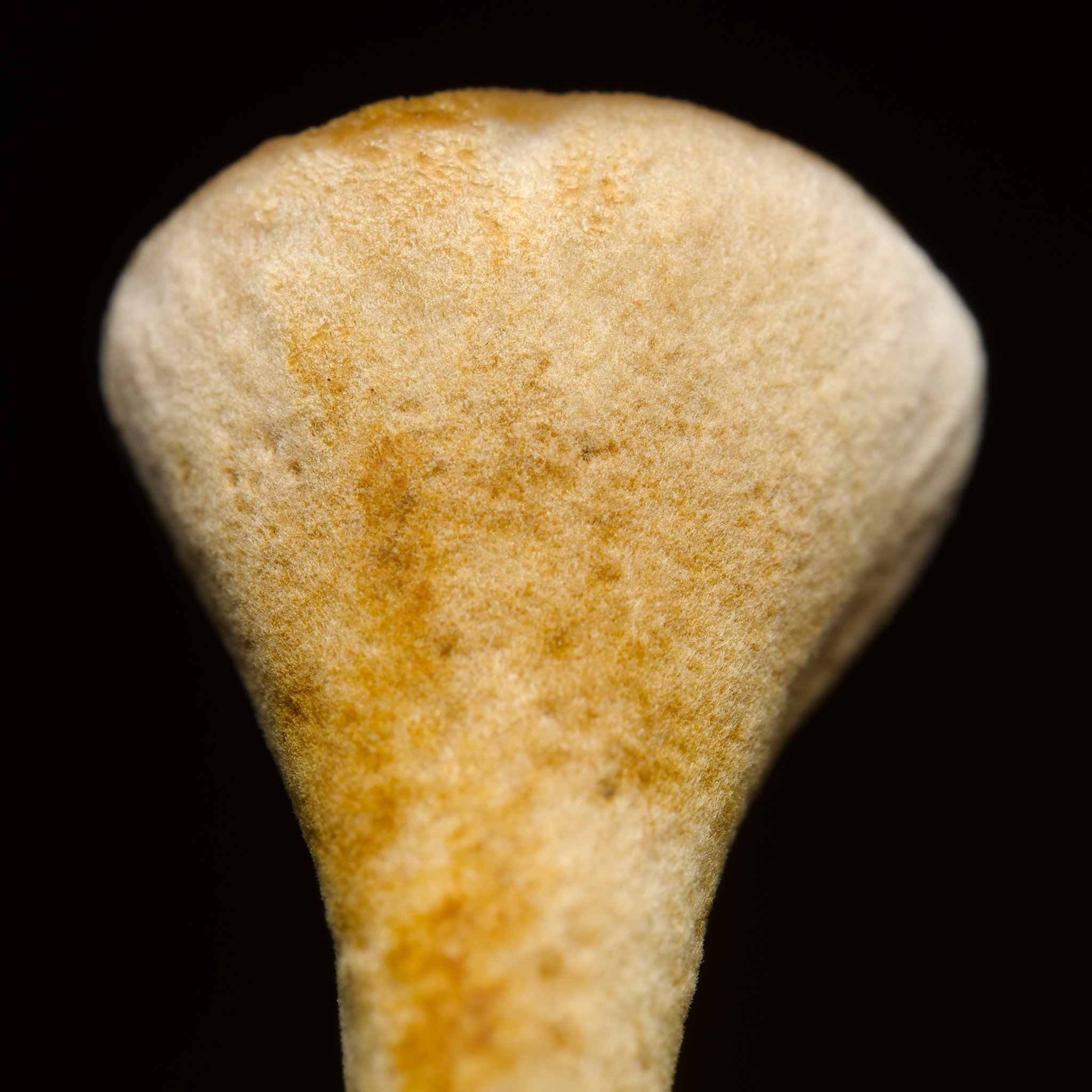
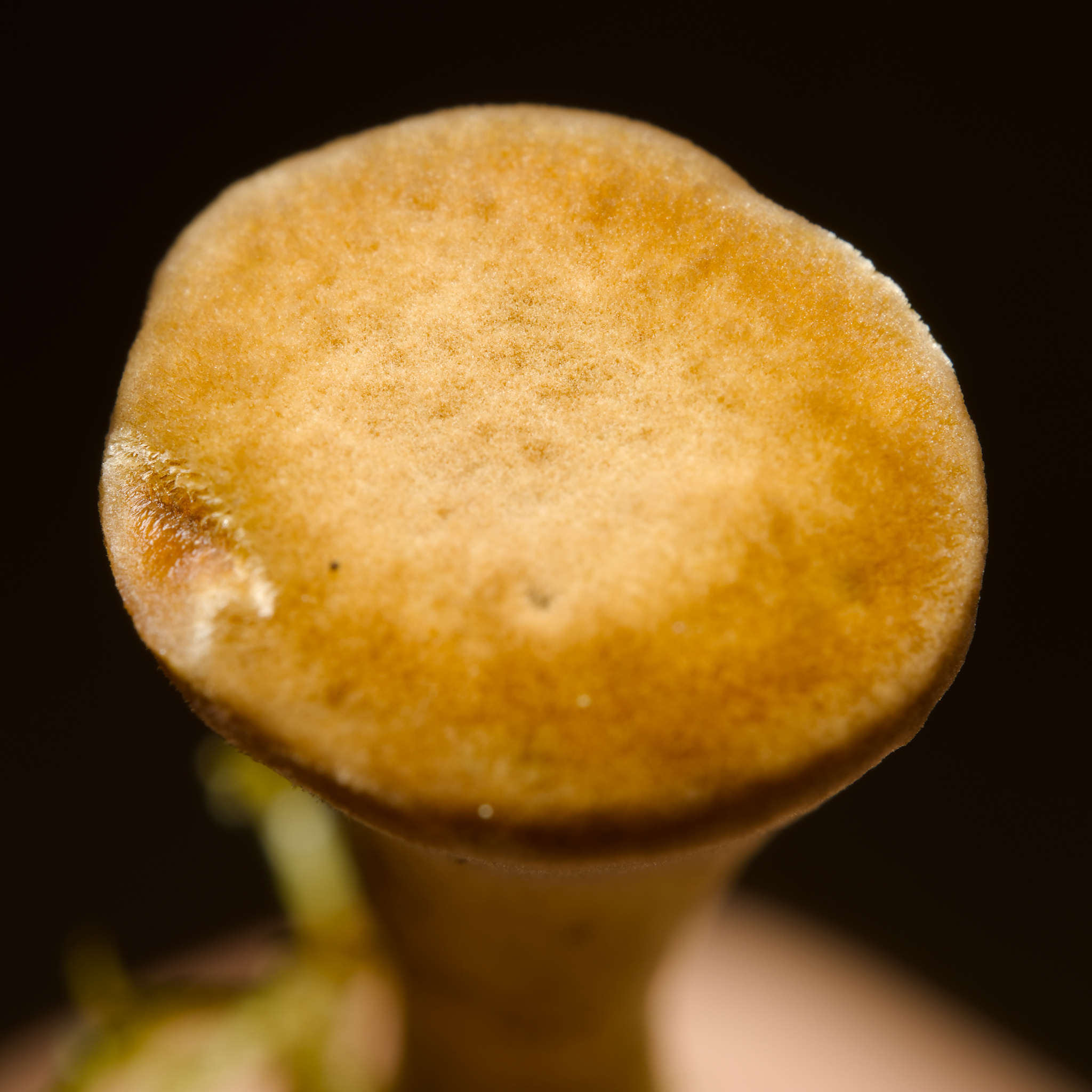
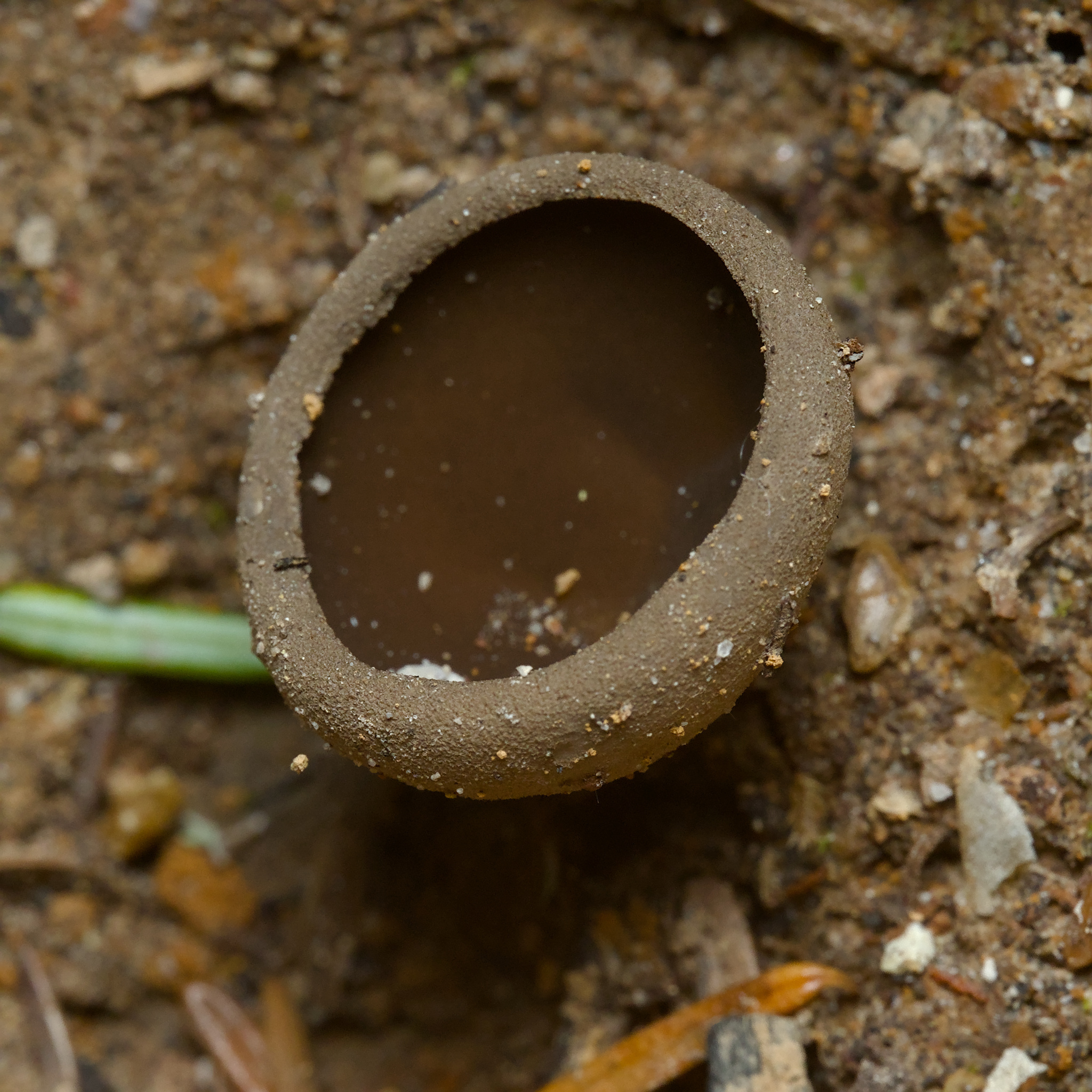
I am particularly excited to see this cup-shaped
Helvella as part of our survey work, Brodie knows that ascos are becoming a particular interest for me lately. This genus is extremely diverse but the more "regular" stipe and pubescence, along with color and obvious cup shape, leave us pointed towards
H. fibrosa and similar. Though that taxon is not very clearly documented in the west, so I think there is certainly room for temp. code. Maybe a new one. There are some comparable species, including a misapplied name or two, however I do agree that H. fibrosa is best for now. Especially with the color, darker.
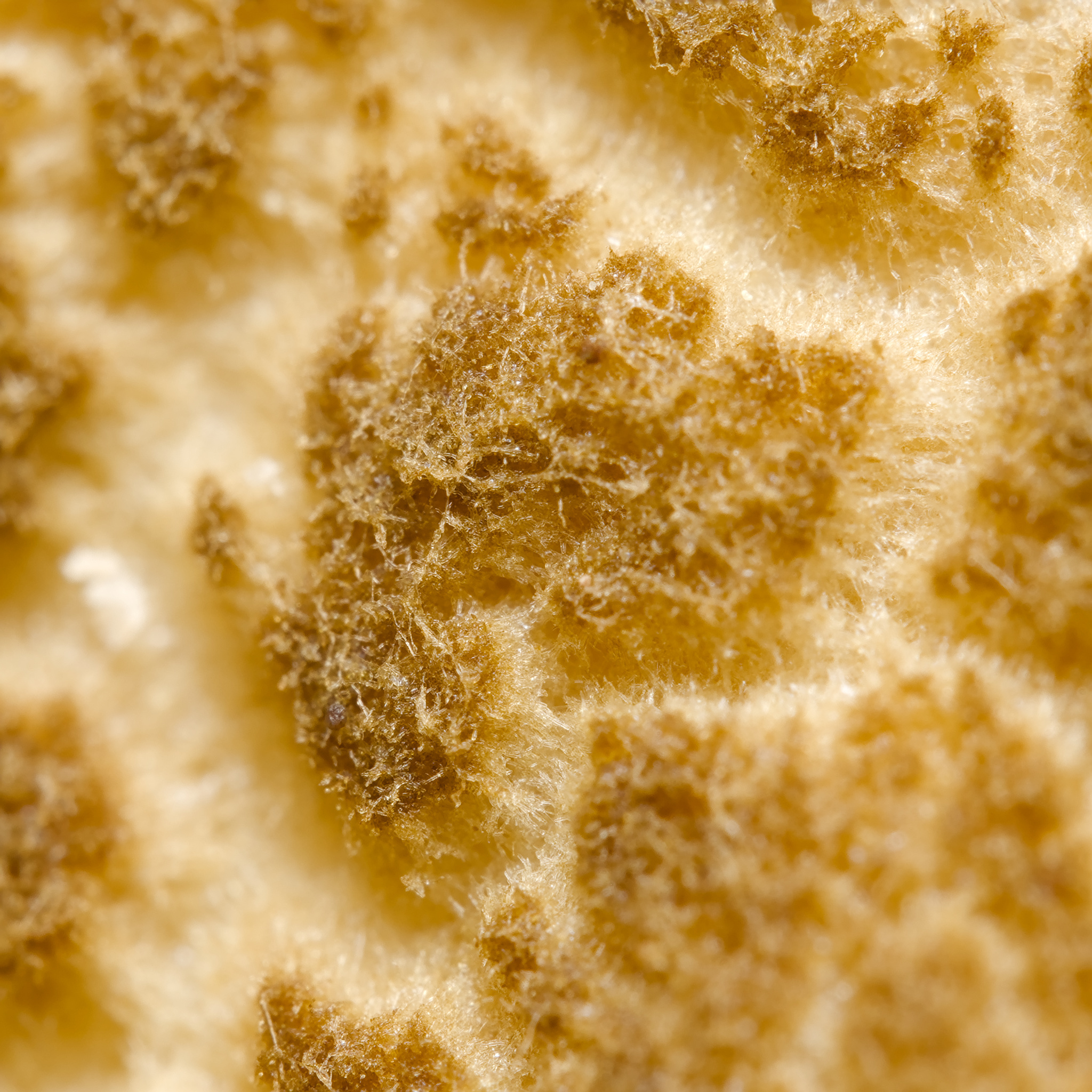
Doing what we feel is our obligate duty to provide some more genuine diversity to the study, we have continued to collect on less familiar xerocomelloid boletes. I should probably say, less familiar to us, because if our ID is correct here this one is fairly common. We will be adding a few additional
Xerocomellus and friends as our study continues. It would be nice to have a good selection of cap texture, and the wonderful range of color these species have, included in general survey.
Would have to agree with the ID Andrew has provided of
I. lanuginosa, or at least a similar
Inocybe. Texture does not really line up with much else, other morphology combined seems to confirm genus. I would note that I am seeing maybe lightly serrated gills here. Yet again, probably a good candidate for micro. Our only hold up there is getting both half decent photos and good measurements. In the works, we can hold collections that we want to analyze until both sequence and any microscopy are complete.
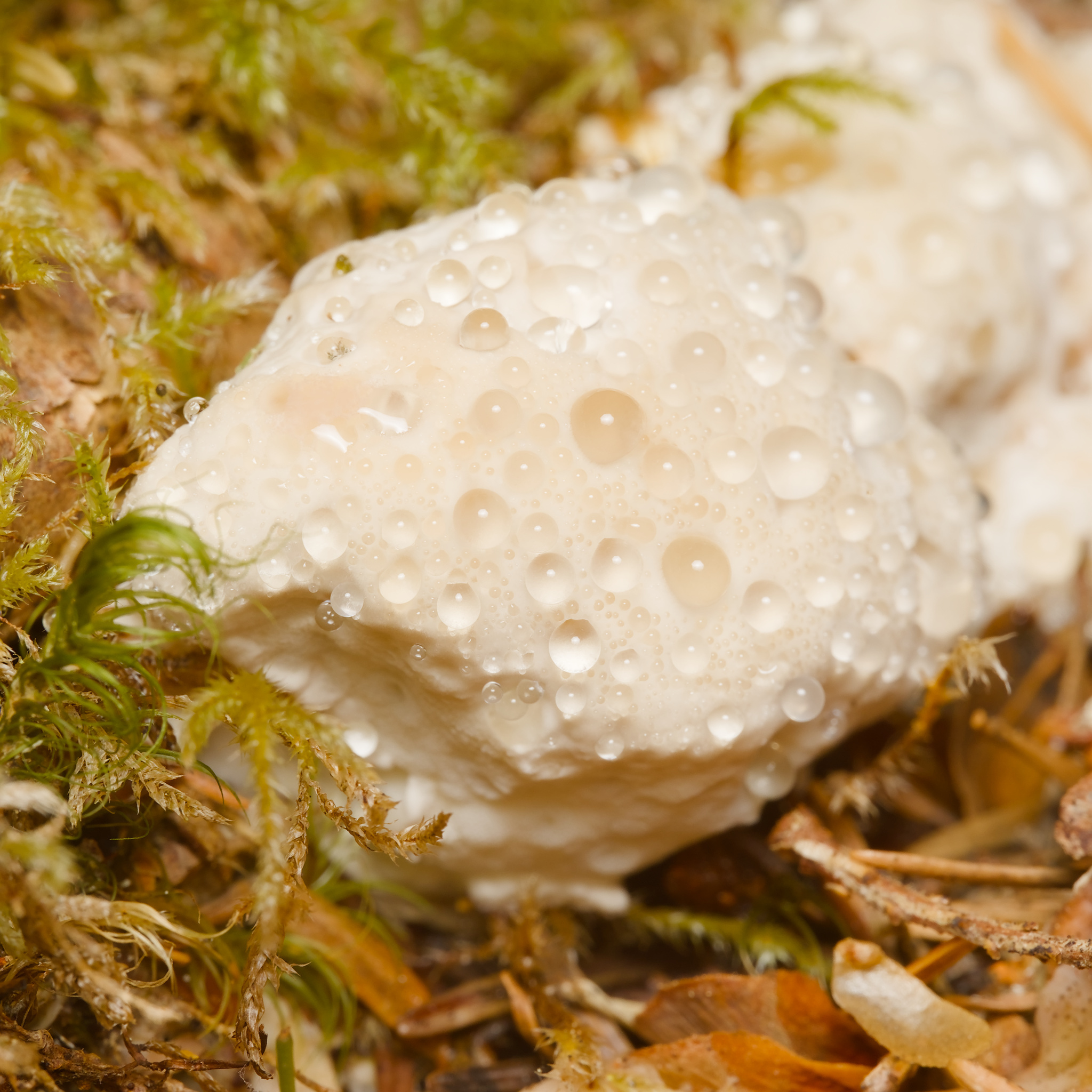
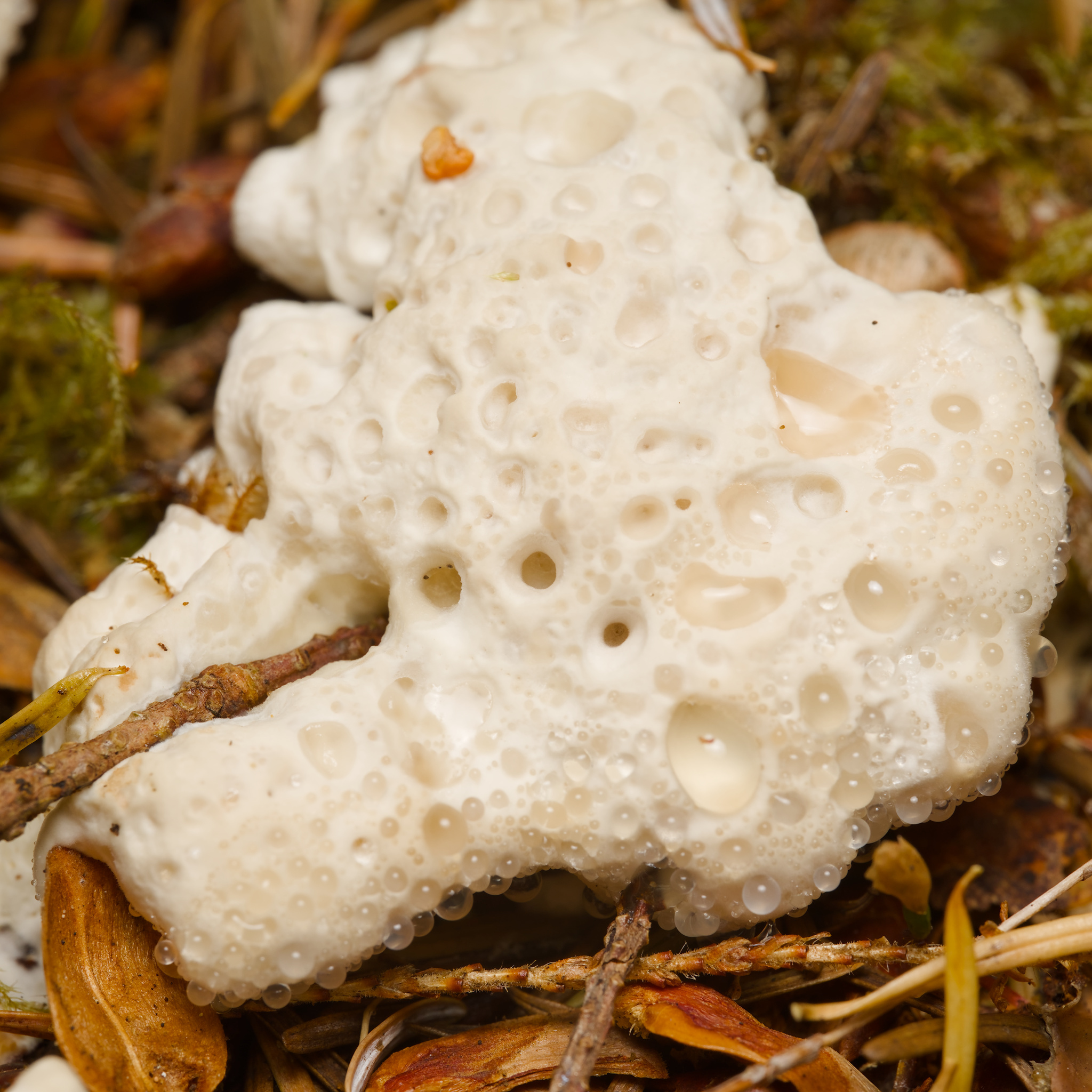
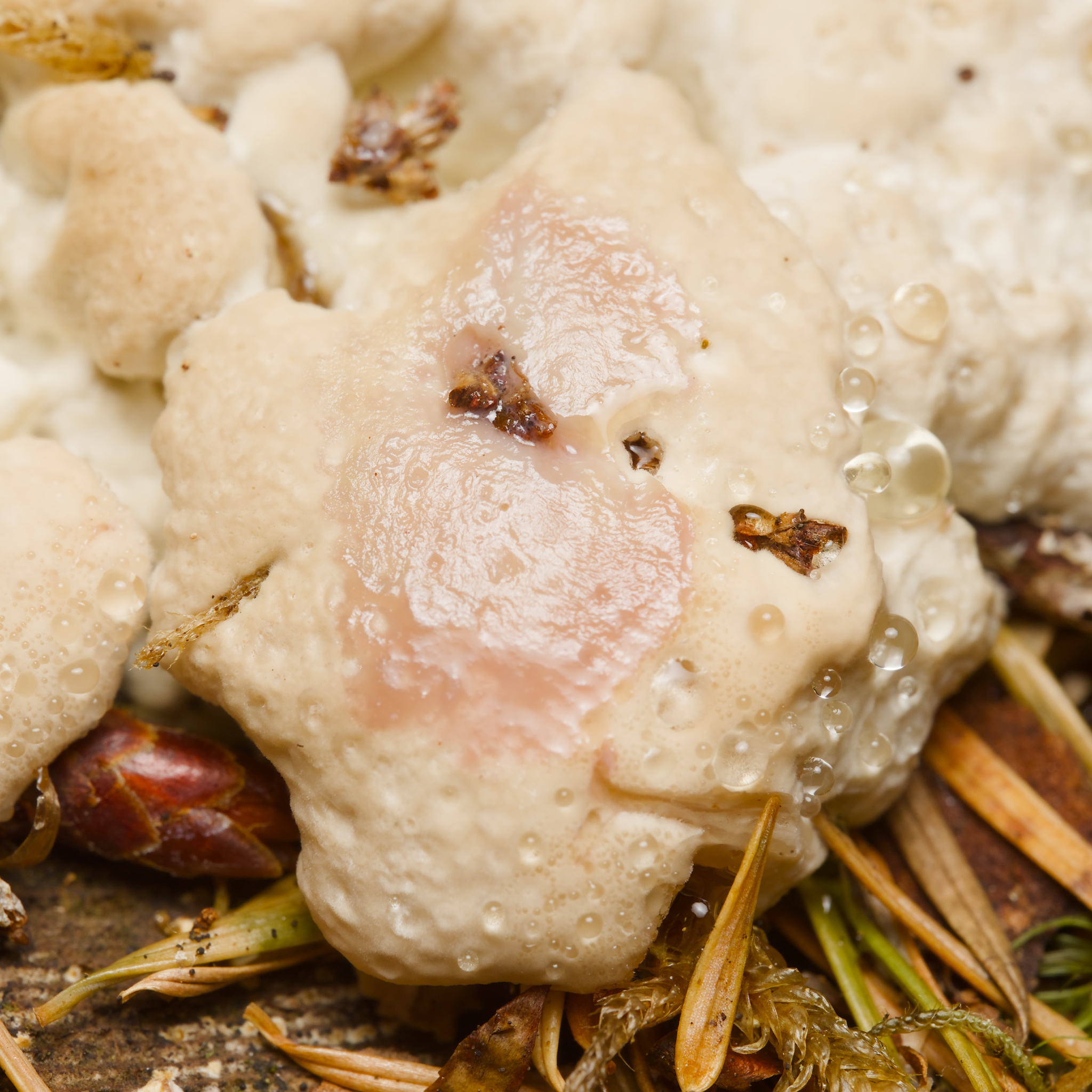
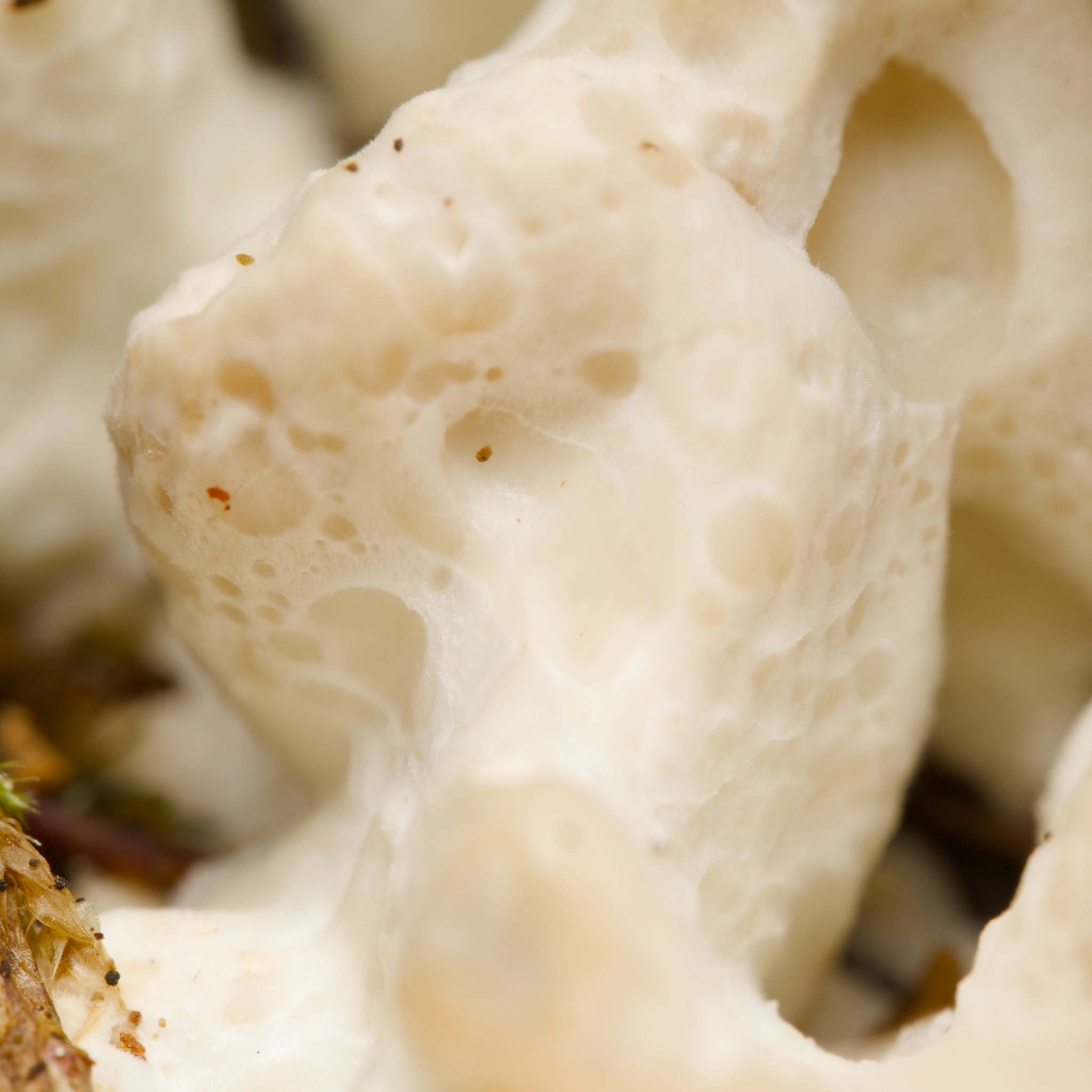
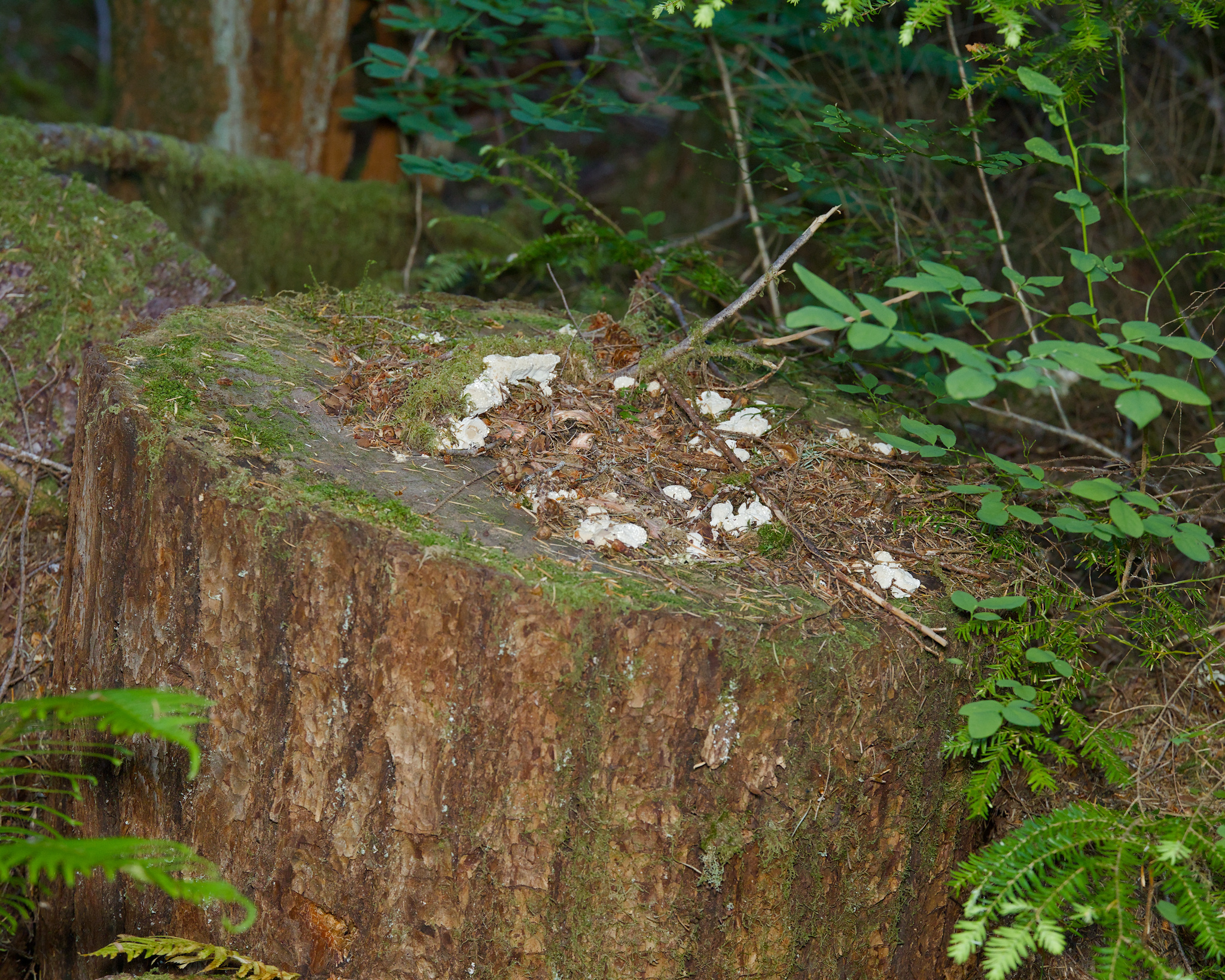
This soft, often grossly textured and profusely guttating polypore is almost certainly
Calcipostia. There are a couple other soft white polypores that we may be interested in collecting, so this more common species will be good to have for survey and comparison.
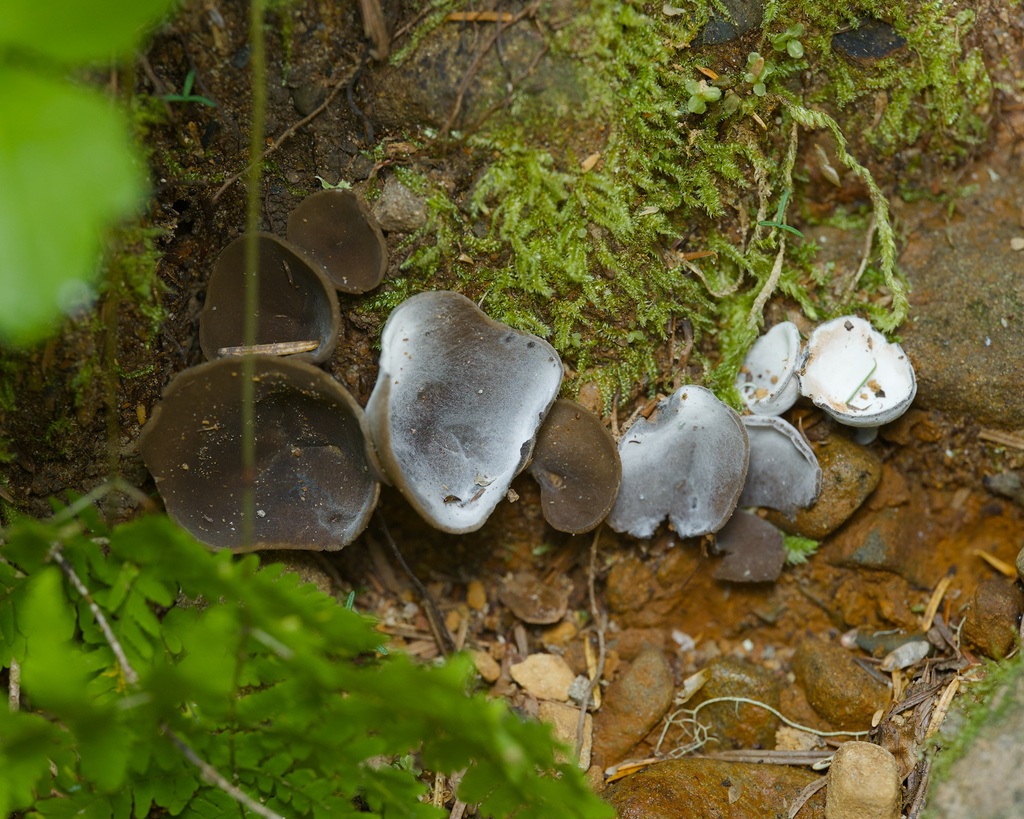
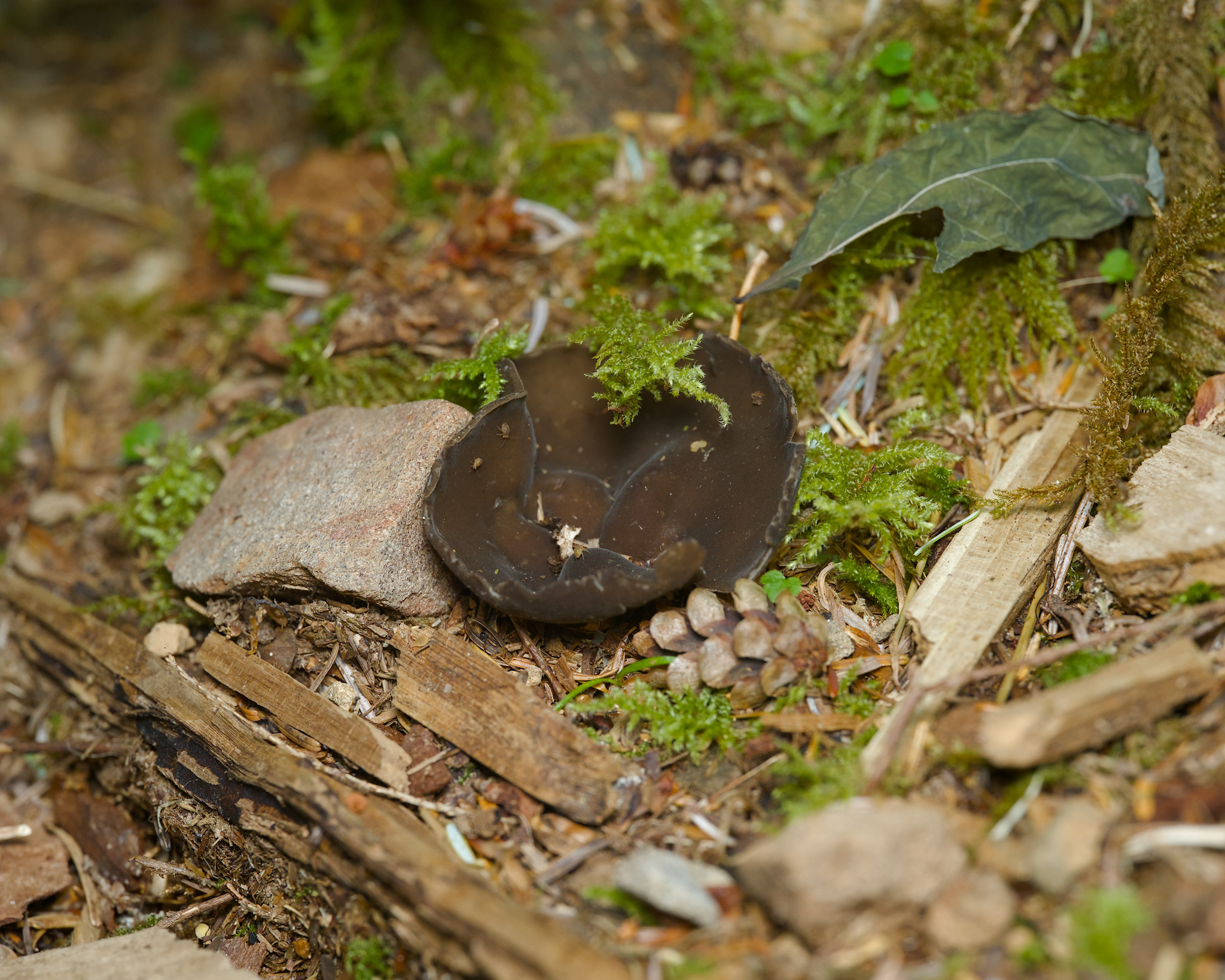
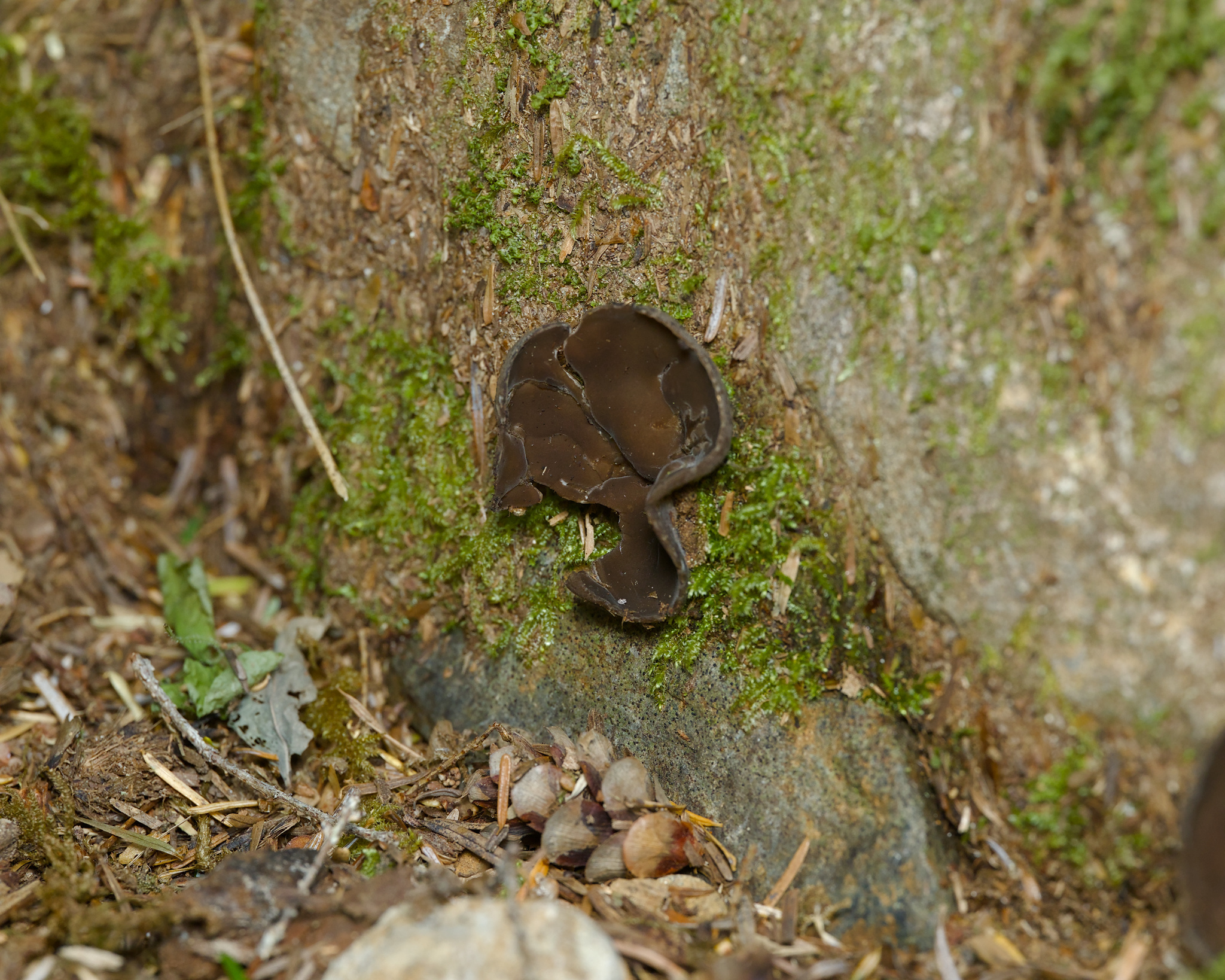
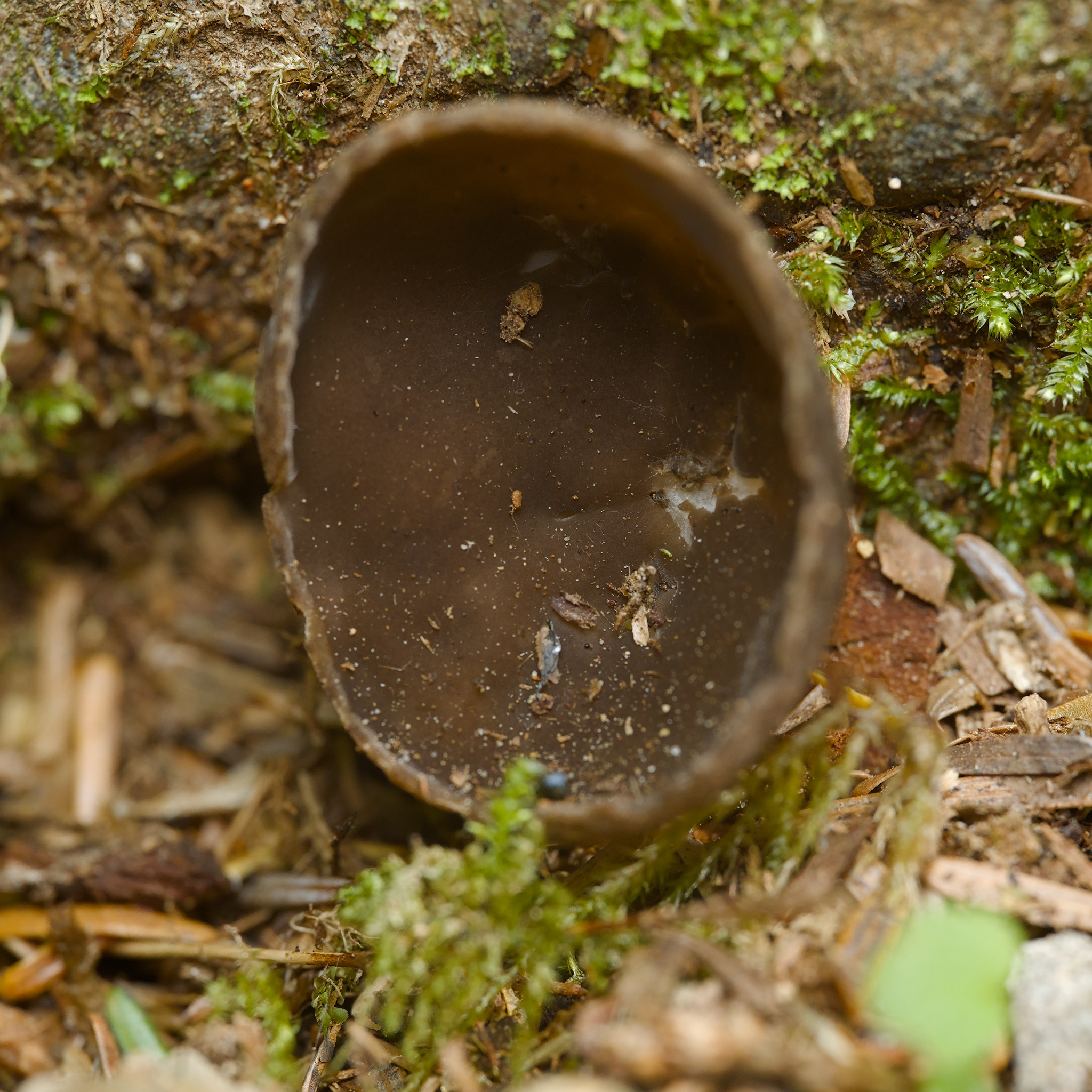
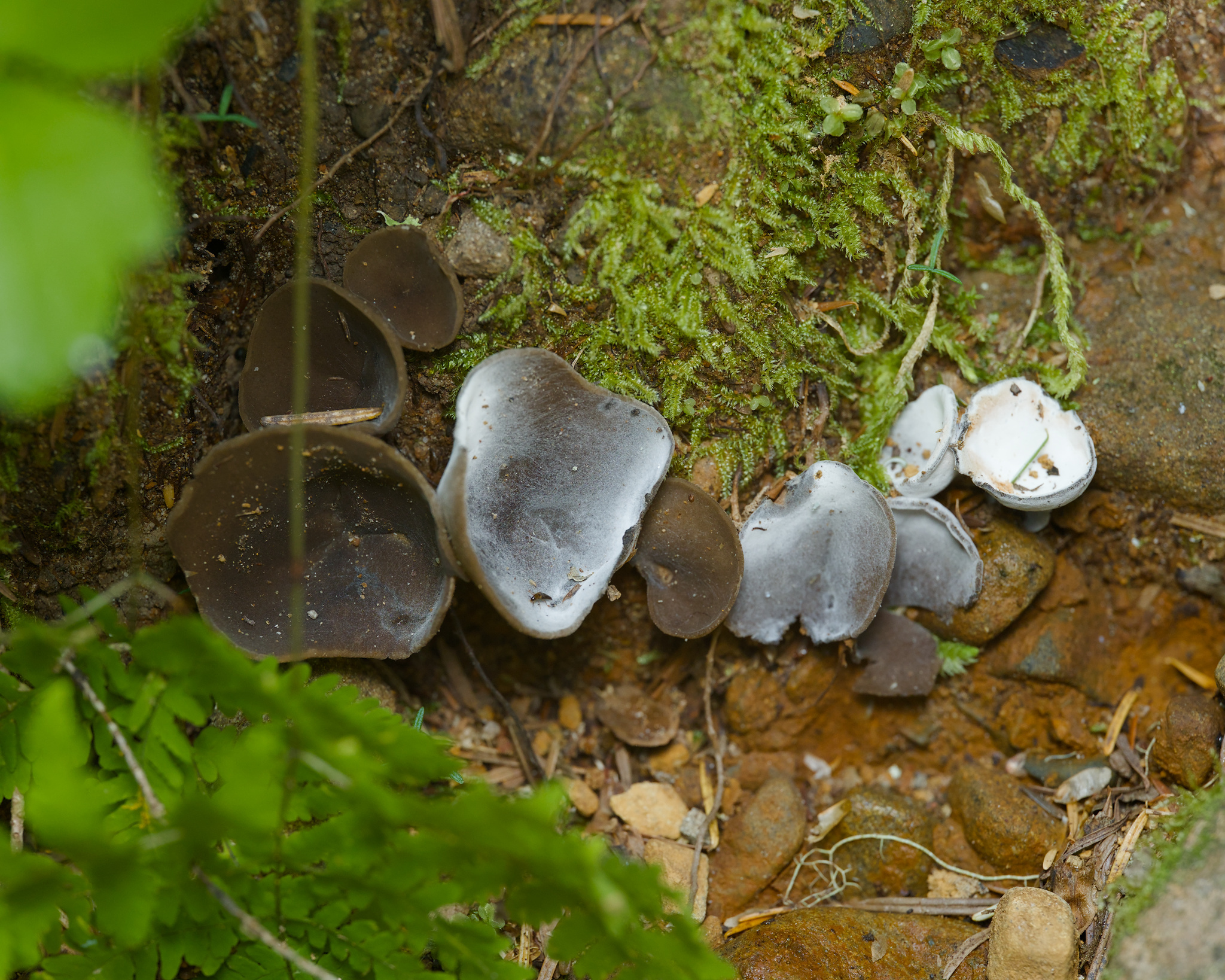
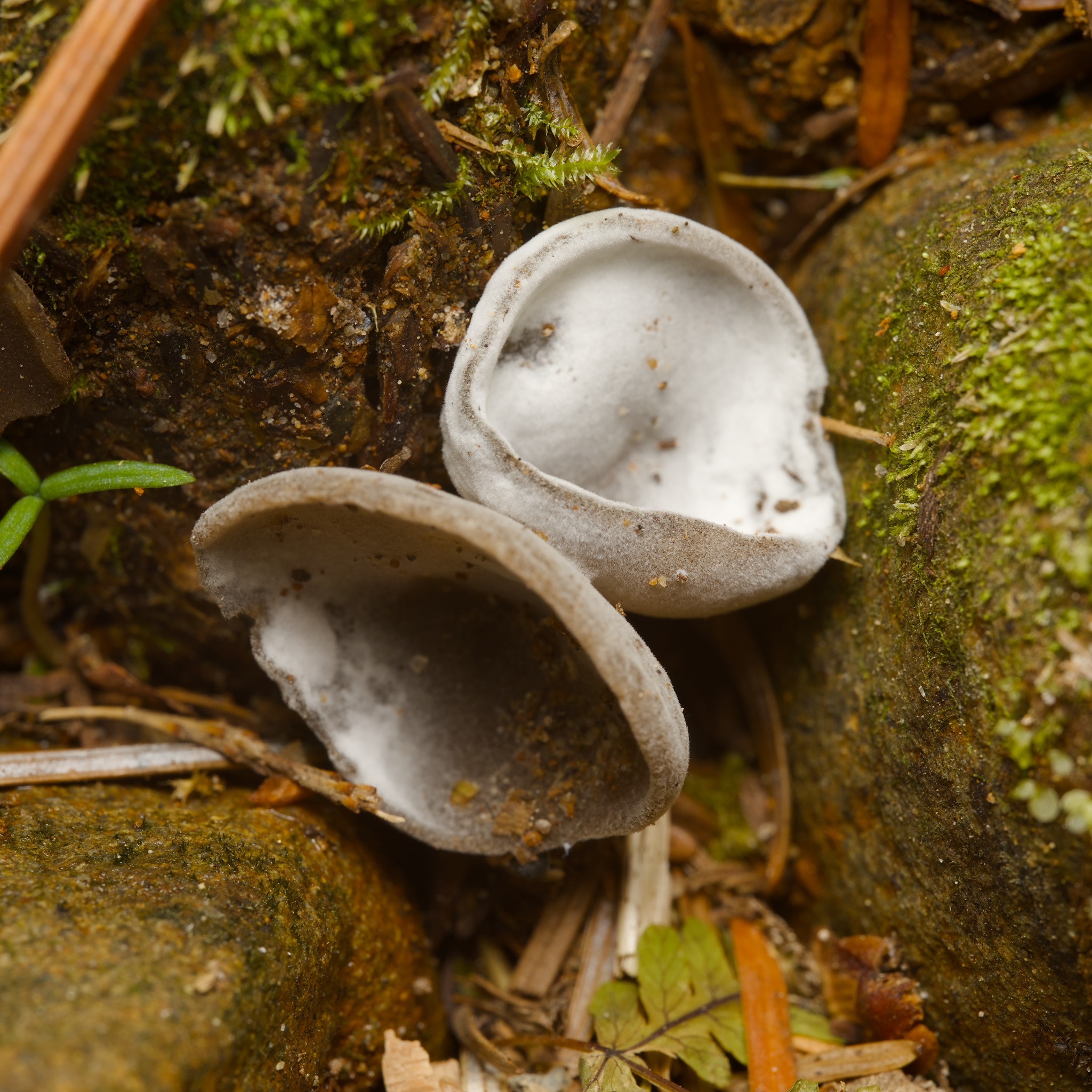
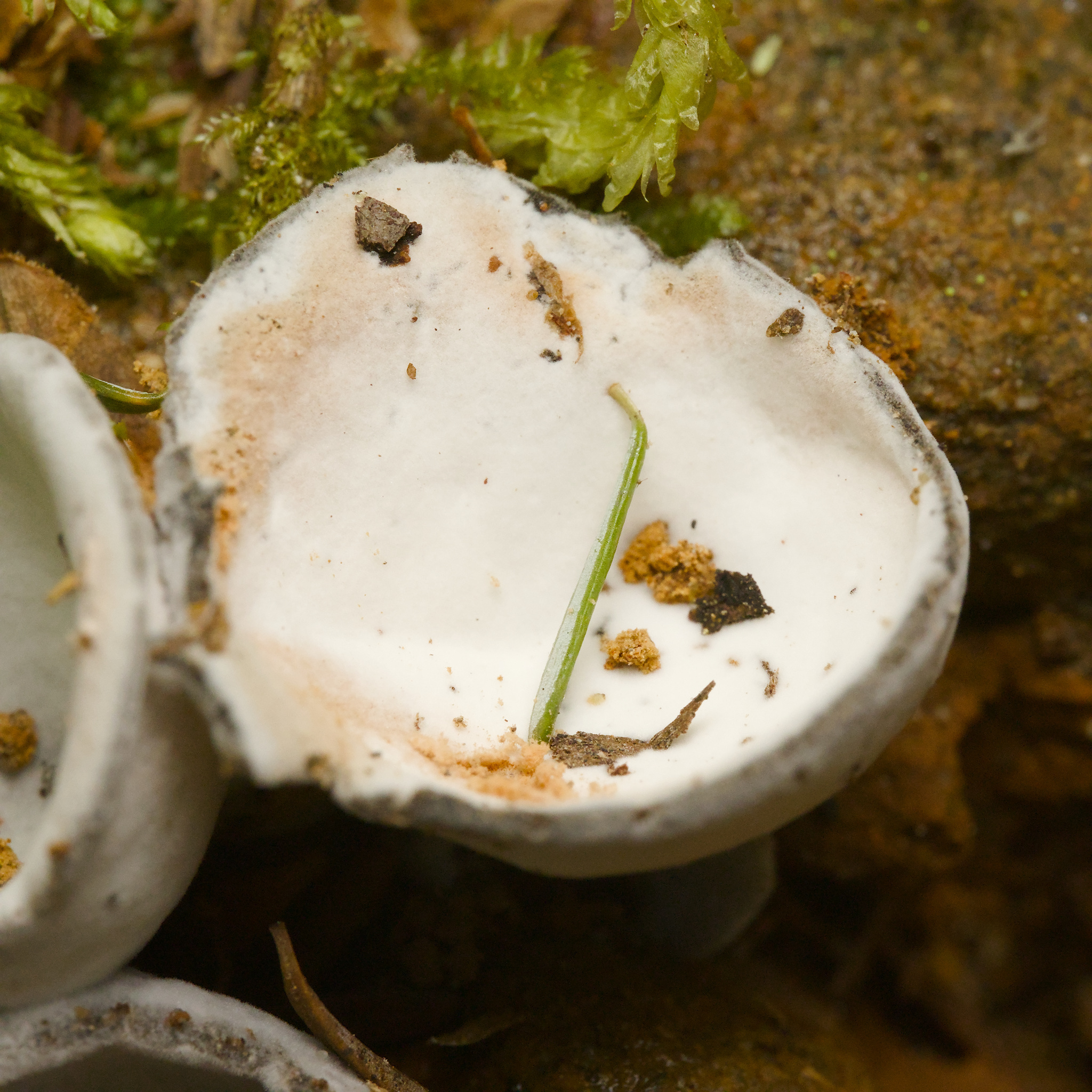
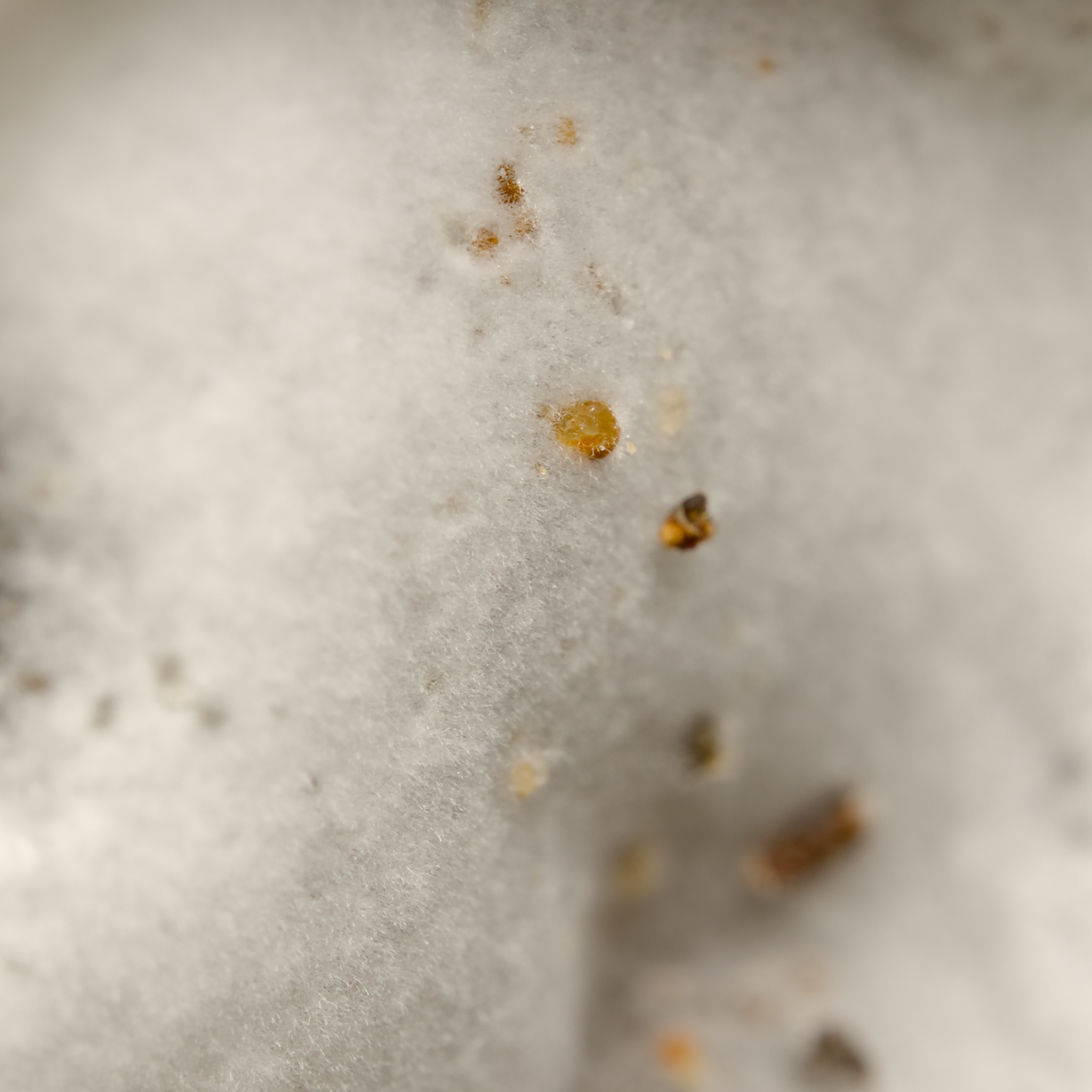
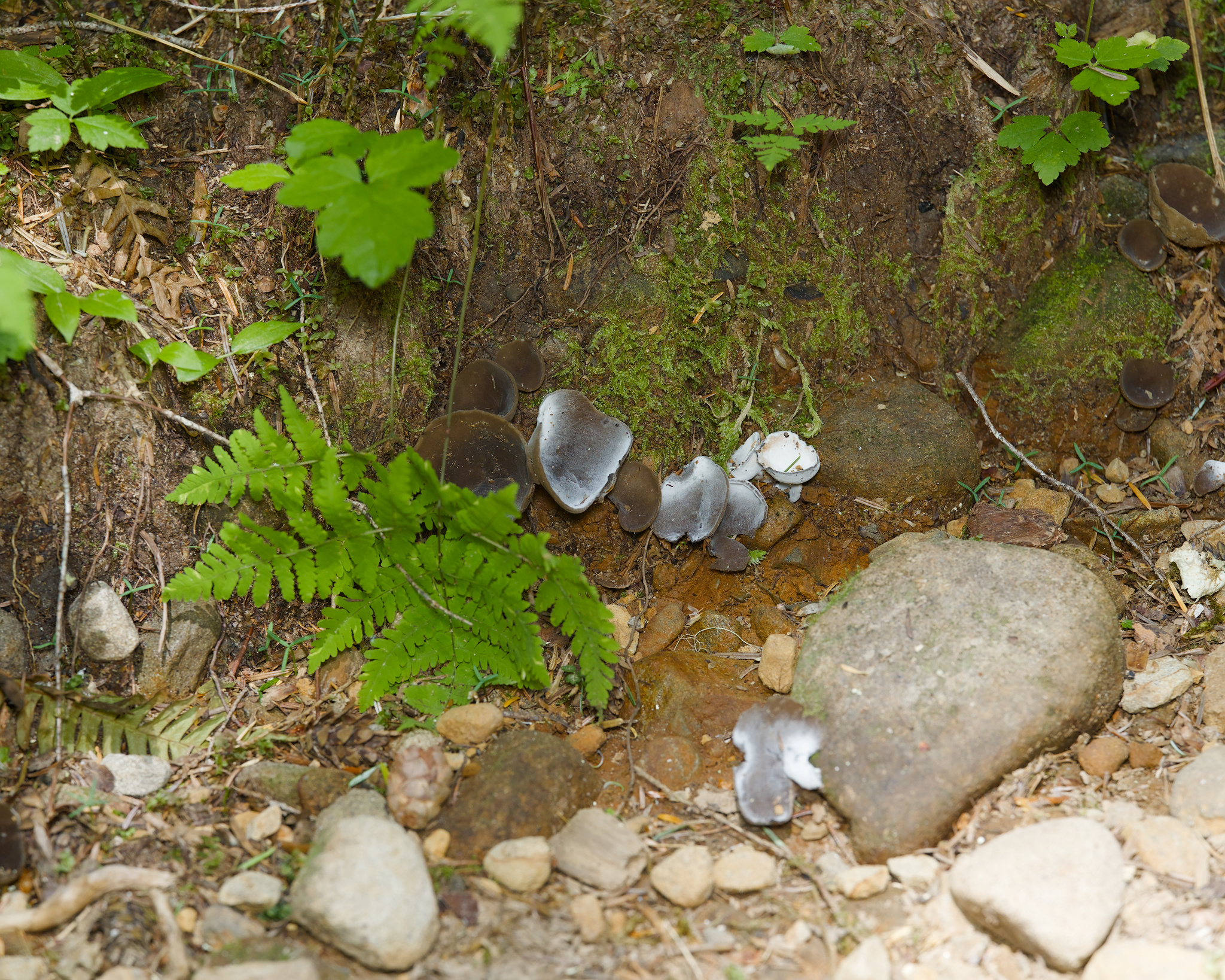
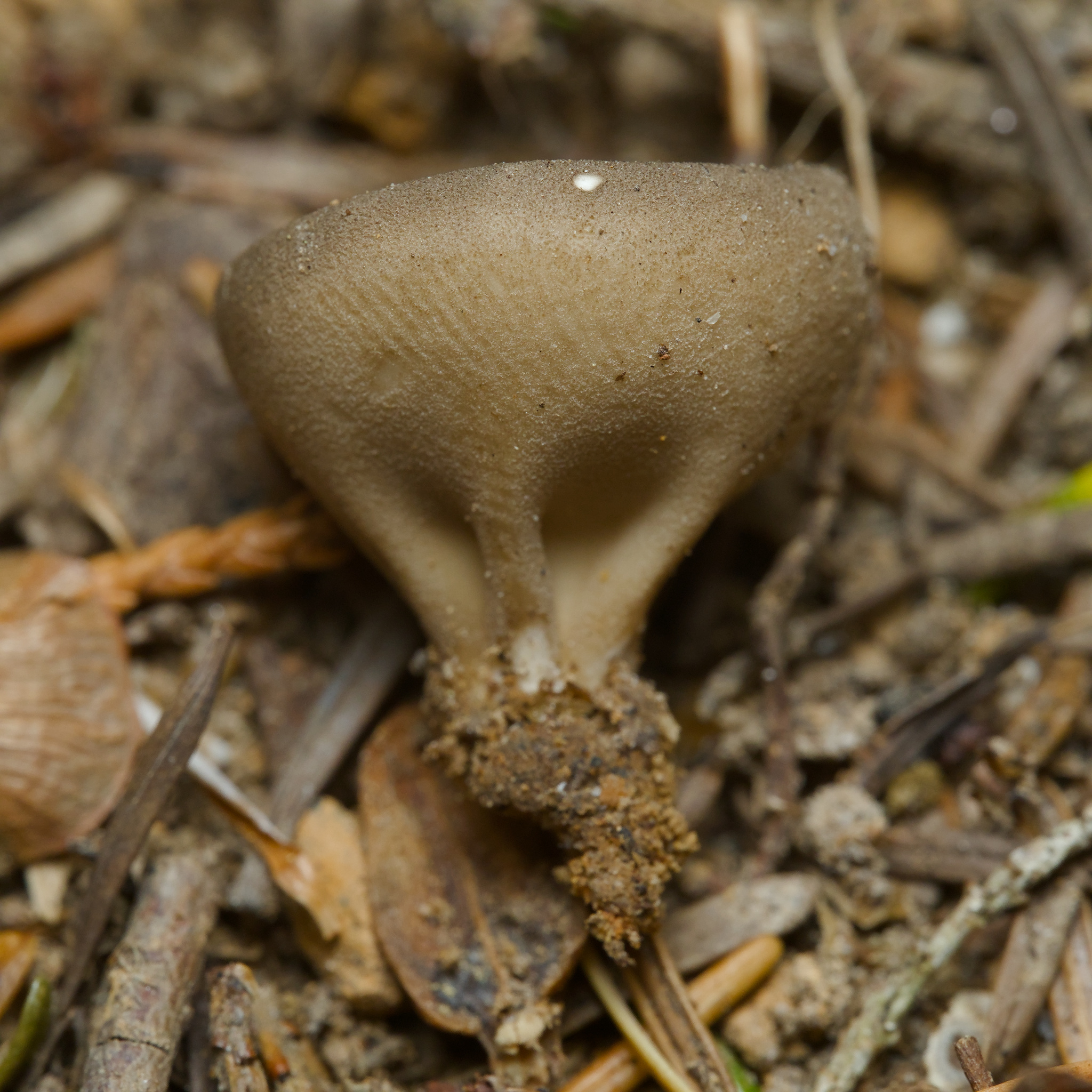
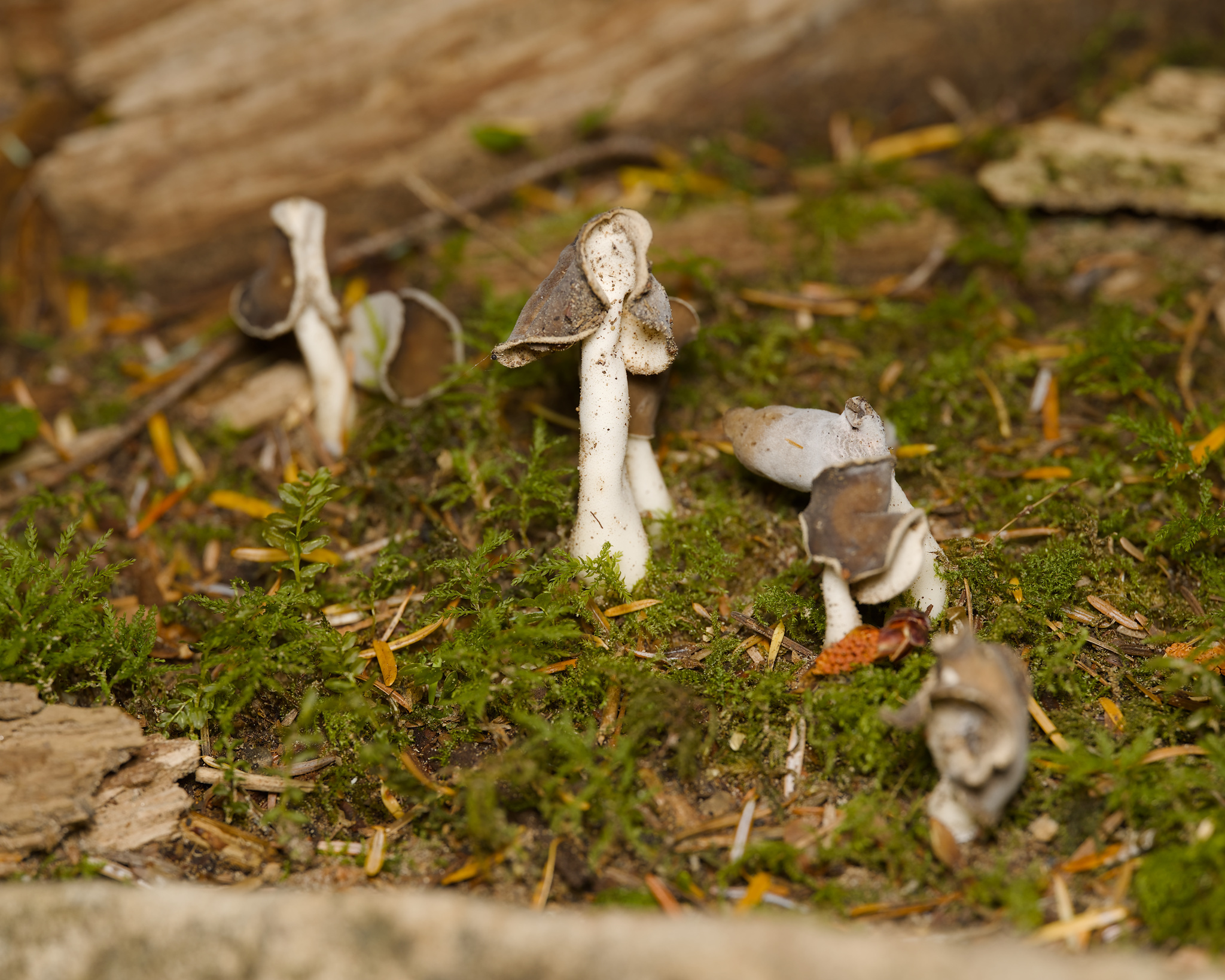
This set of cup shaped helvelloids is not like the other! Color, texture, shape, stipe, and even regional sequences seem to confirm this is probably
D. crassitunicata. A different member of
Helvellaceae, the genus
Dissignia was confirmed separate from
Helvella in 2024 along with the description of a few new species around the same time. This species was described in 1997 as Helvella but moved in 2025. In Ascomycetes of North America, Beug and co-authors label this species (D. crassitunicata) as being distributed from here to Alaska, and containing the largest spores of similar species. They seem to acknowledge papers written around or before the time of release of their lovely book, but still use the name Helvella, as Dissingia was confirmed later with this species. Being that this species appears to be somewhat endemic and the papers confirming the genus split (2023-24) are from Turkey and elsewhere, it makes sense that this species joined the genus after the type and a few others.
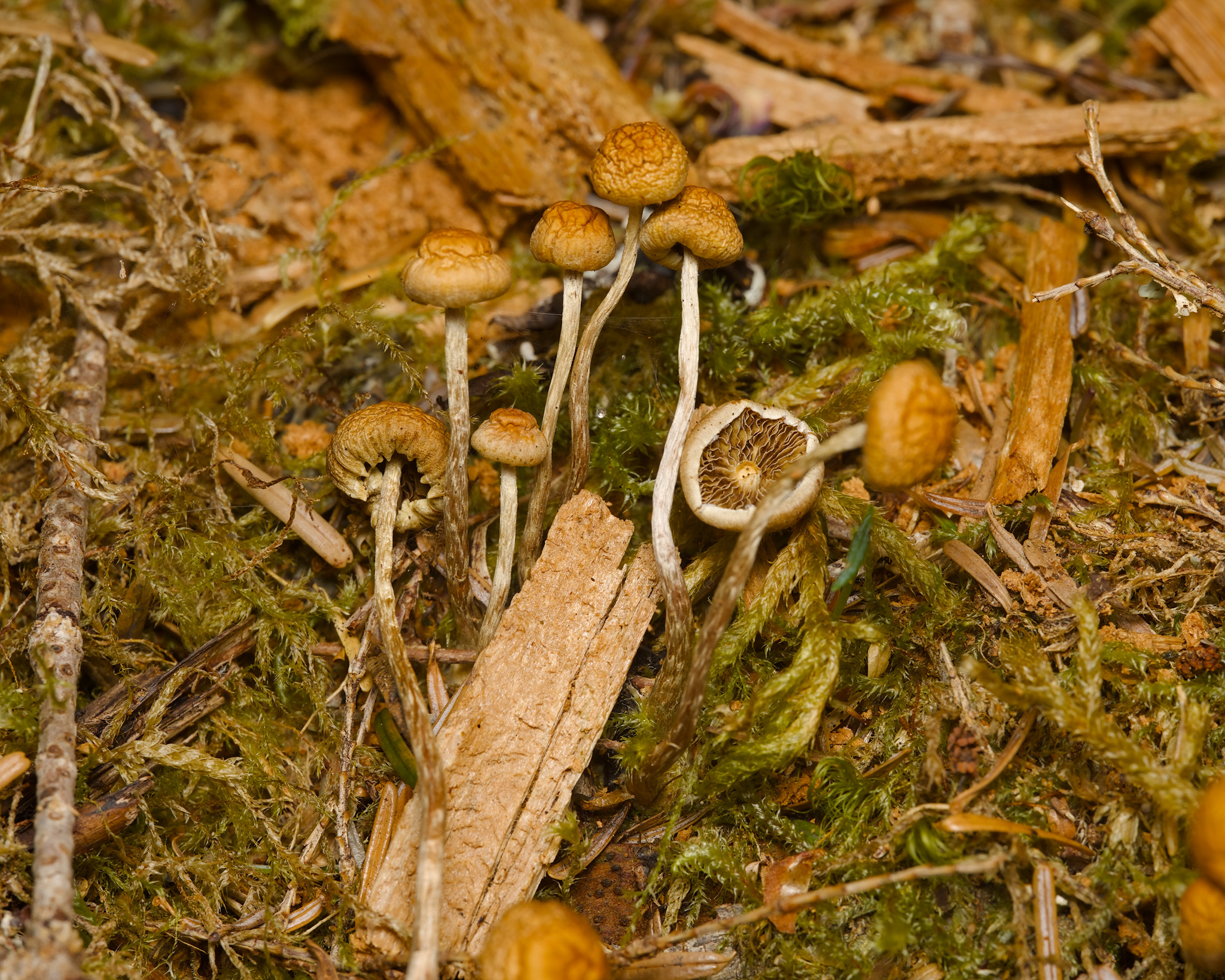
I think while I don't always agree with Andrew, that this ID is also likely. I think stipe texture, especially at the base of the stipes, along with apparent darker spore, puts us towards smaller
Hypholoma. I am not sure that species suggestion is correct, these are also a bit aged and dry.
This whole order is less familiar to me but I think this collection serves as a good start in including some of these species in our study.
Coltricia are fairly common but a bit lesser studied, I think this may return a CA temp. code.
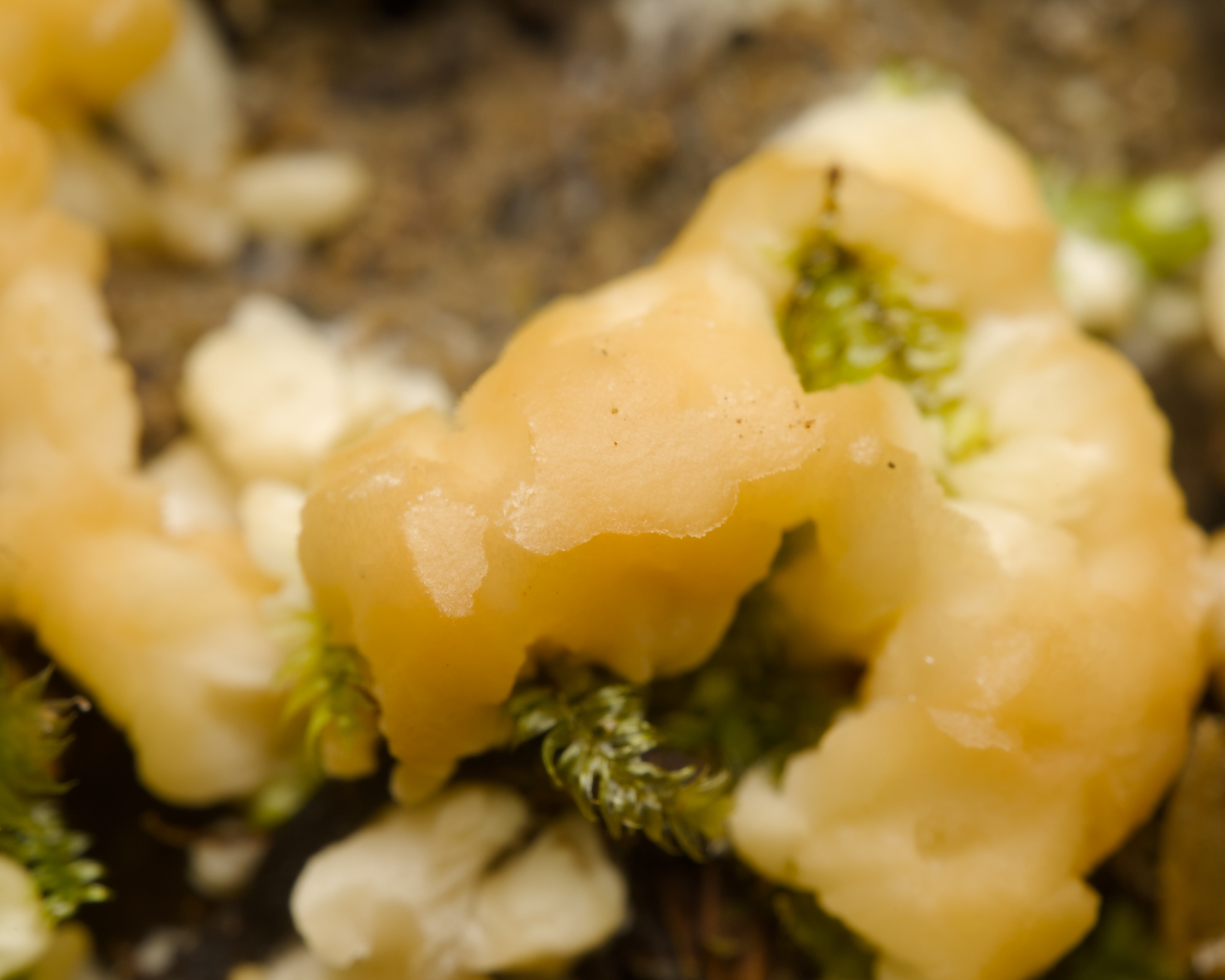
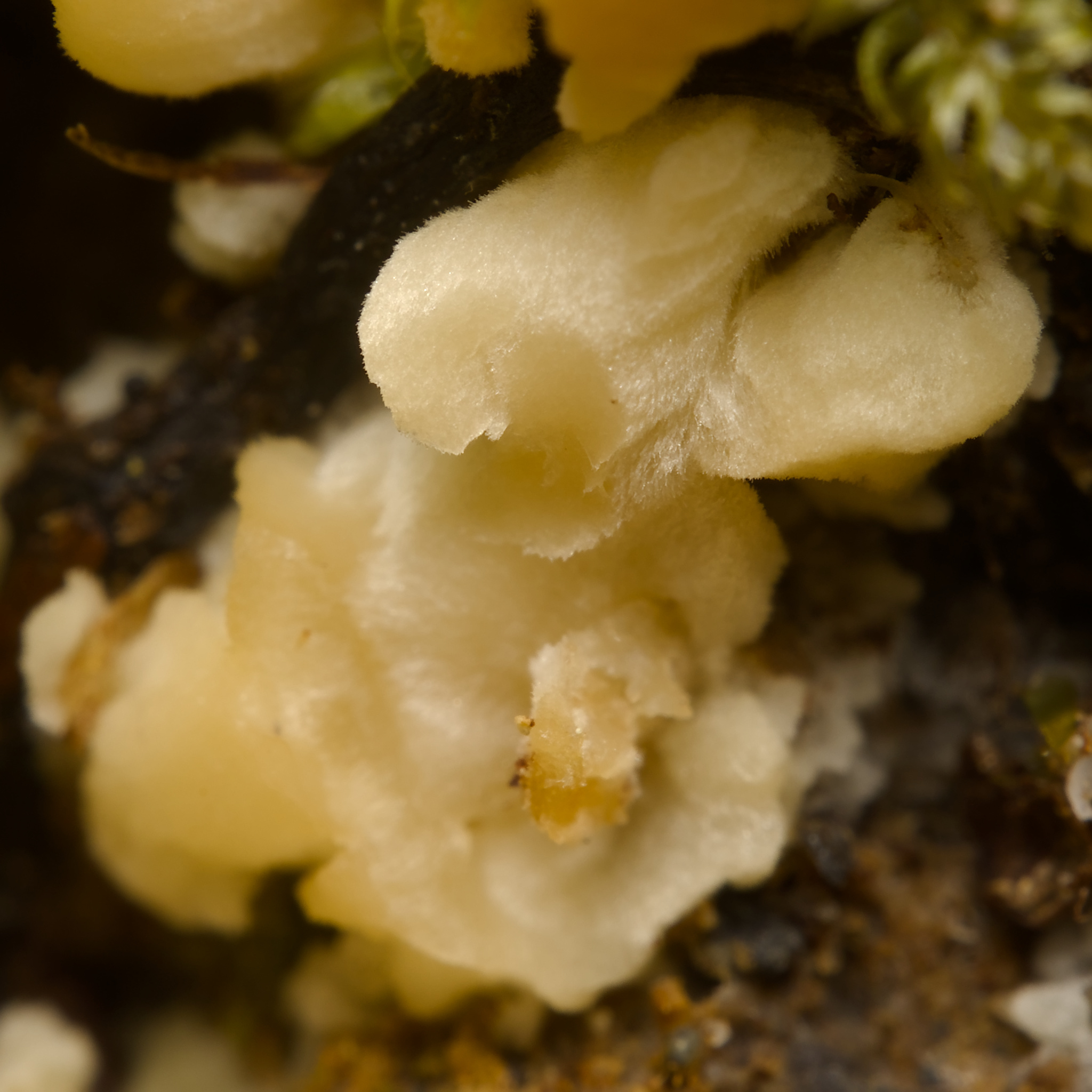
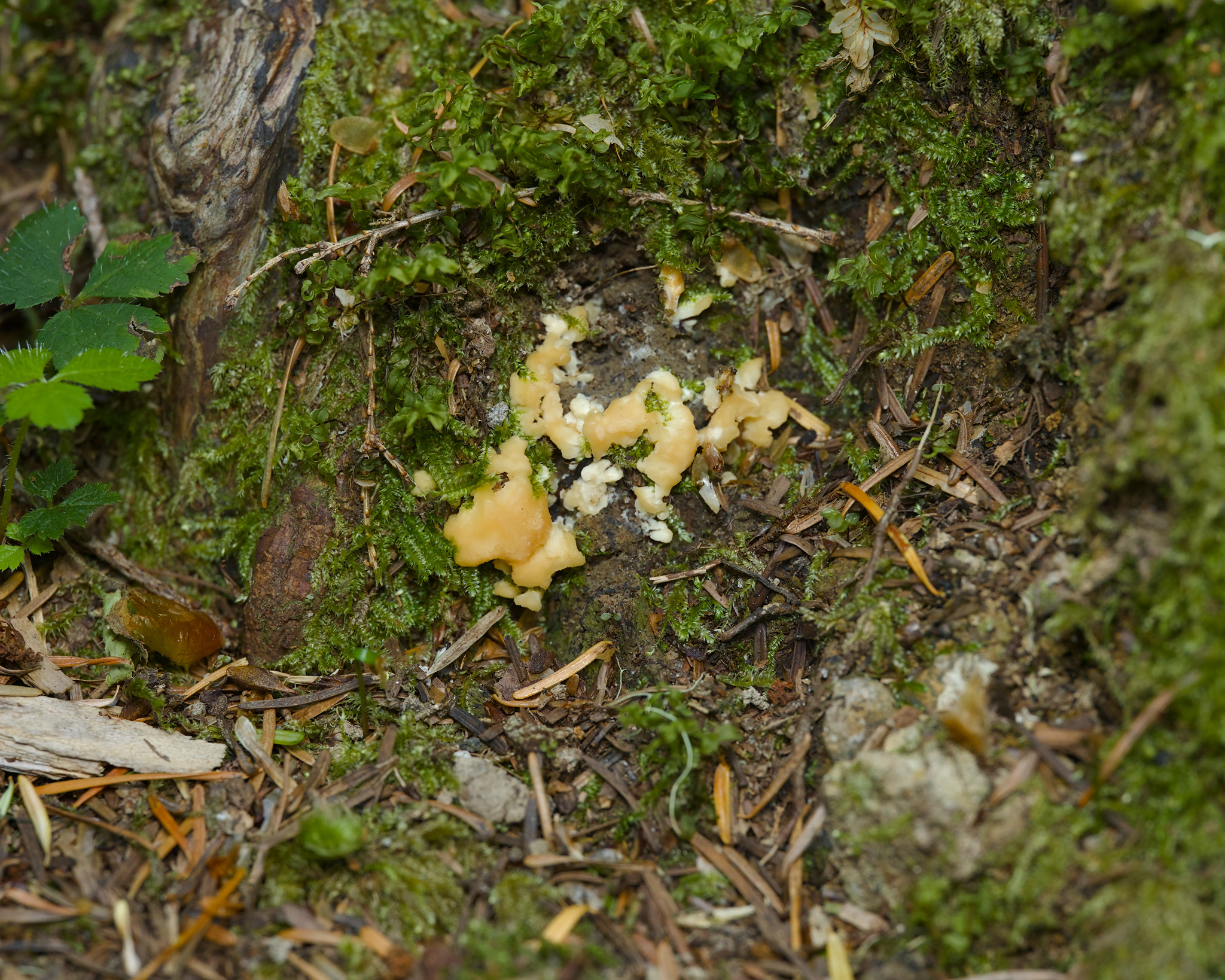
This is a really cool collection of what appears to be
Hypomyces cervinigenus on what we have IDed as probably
Dissingia crassitunicata. That Hypomyces species is also less host-specific than other members of the parasitic genus, which typically host on one or a few species, as opposed to a more broad sweep of the host genus. I am excited to see if the sequencing result can return the parasite's ID, hoping that is the case instead of receiving a host-only result. I think this is potentially the first observation of this Hypomyces species on a host, now outside of the genus Helvella. Of course there are a couple species in the genus which target a variety of Russulaceae as separate hosts, and also H. chrysospermus being more of a generalist. However, I think we still tend to see those species associating with one or two primary hosts in any given area, whereas H. cervinigenus I have seen on a broad range of species in the host genus Helvella, in the same area. Which, gives me the assumption it may be the most general in the genus, especially when compared to species like H. lactifluorum, which is said to host on multiple species
but in this area almost exclusively hosts on R. brevipes group, maybe even one species. The most comparable generalist behavior I am aware of in the genus is probably the pair of bolete targeting species, H. chrysospermus and/or H. microspermus. Even then when we observe those species it is primarily on a couple of different bolete hosts, usually exclusive to one host in any given habitat. Of course there will be exceptions there, maybe some equally as exciting as the one I believe we have observed here.
As stated later in this reporting, my understanding of this very diverse genus is a bit limited. There are many known species and probably loads of unknown or lesser known species. Thankfully here the genus is one of the more thoroughly described within Ascomycete Fungi of North America and other available general work, so I will have to do some reading and come back with updates. I will seek a better understanding of both how these species work, and their host distribution, which other known species are more general, etc.
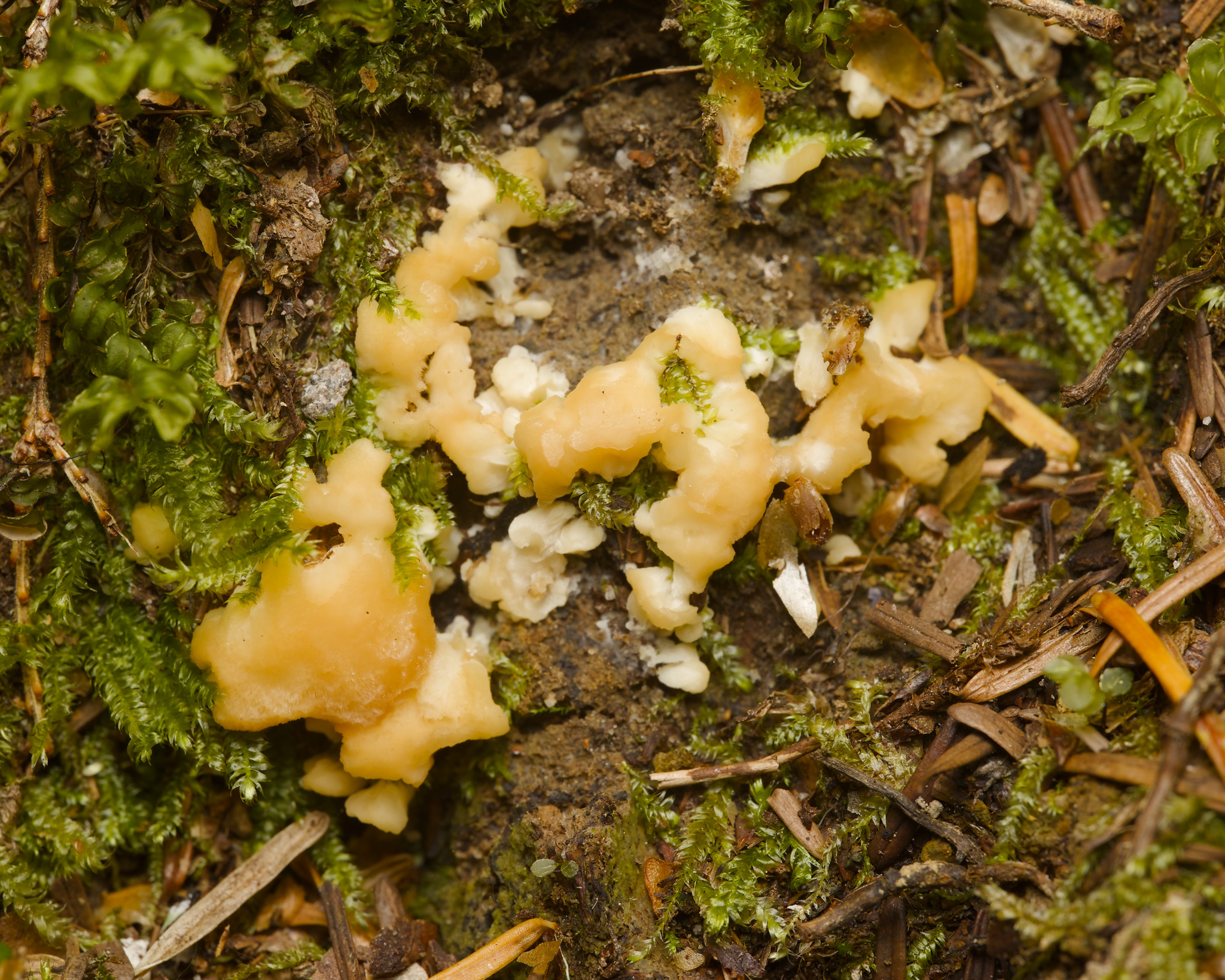
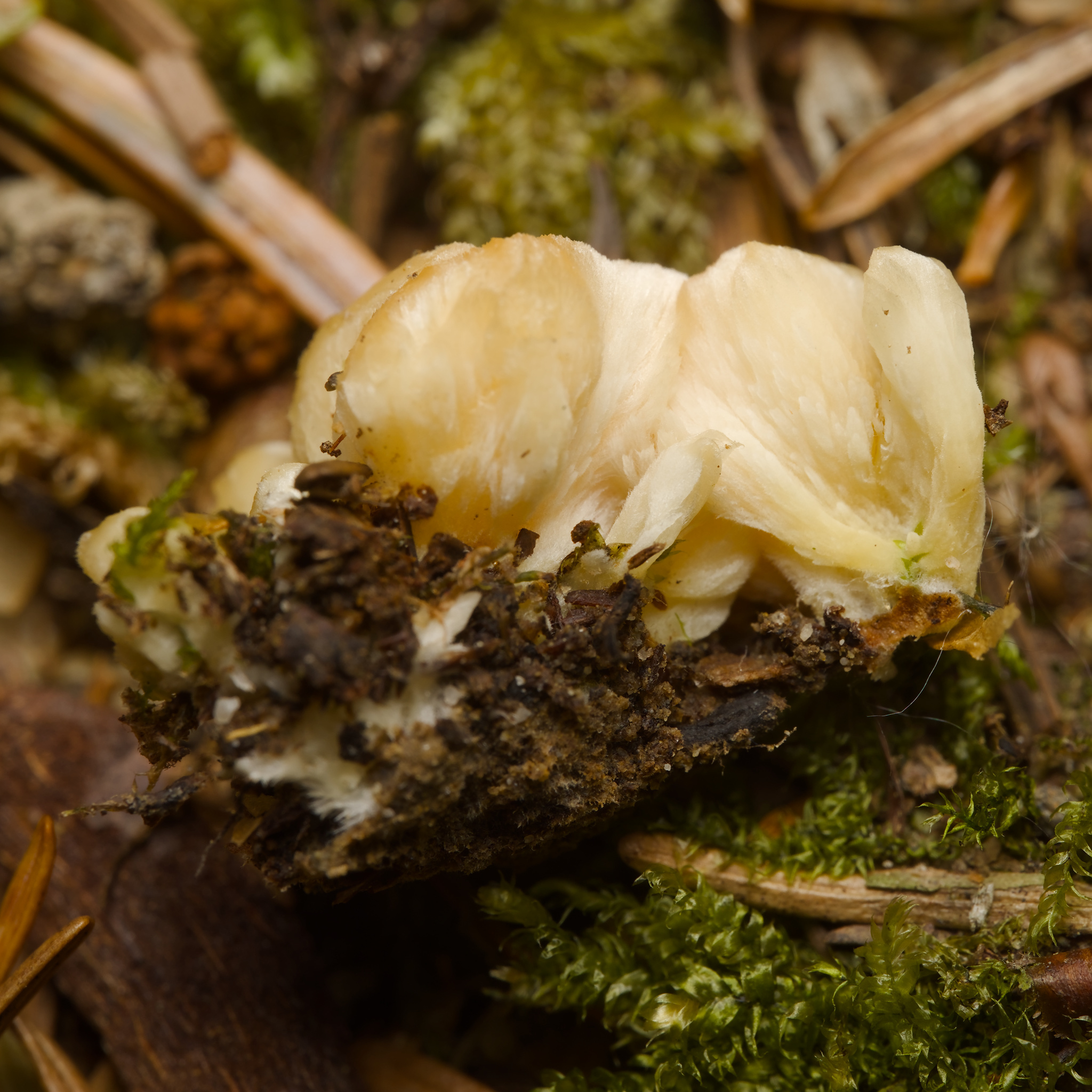
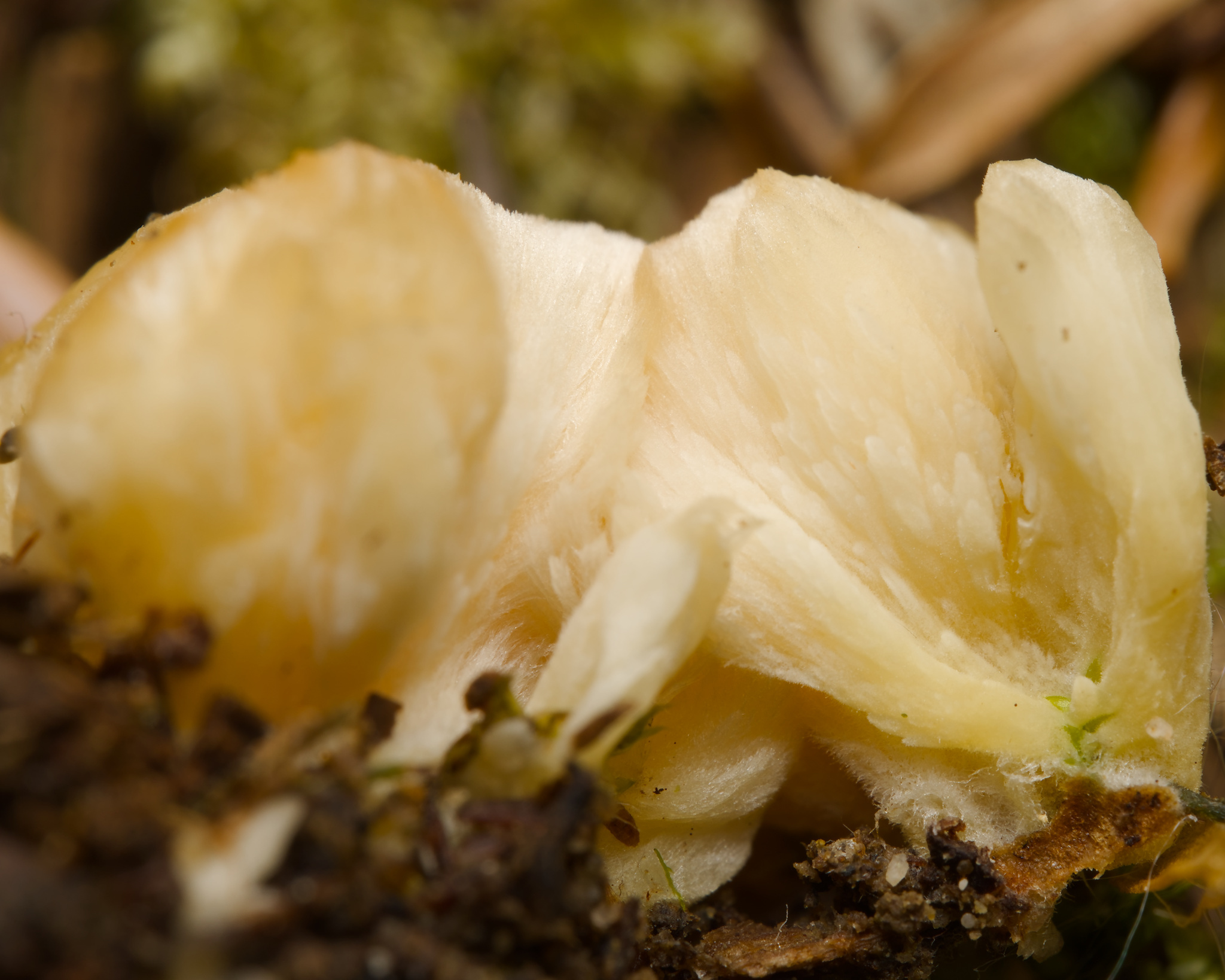
We are really not sure what this is. My vote is currently for maybe
Pezizomycotina, which is of course, also very general. We have shopped this around for opinions and nothing seems good to me. I think we are certain it is fungal, at least.
I am going to assume this is is the same
Dissingia that Brodie has collected previously in this report.
This pretty woodland Stropharia is probably
S. hornemannii, but I would be happy to see a different result also! It would be nice to add any not-S. ambigua collection to the survey work.
I believe this will be an older example of the R. maculata group, which we have documented before. I would assume it may even be the same temp. code, but will simply confirm
Rhodocollybia for now. I appreciate collybioid mushrooms, and their reference remind me that we are also working on a better field data sheet, so that we can include more accurate and descriptive notes more consistently. Like scent! Which Brodie and I both sometimes overlook.
Based on our previous sequences of pubescent saddle-shaped Helvella with this color, in this area and habitat, I am assuming this is
H. compressa. Recently confirmed to be synonymous with temp. code 'CA12'.
Another example of what we believe is this same Hypomyces on a variety of hosts in the same habitat, let alone same general area. The host here appears to be a different, potentially stipitate and/or sadddle-shaped Helvella. Which H. cervinigenus is common on. It would be truly fascinating for me if we could get both parasite and host sequences back for both collections, but I won't get my hopes up. As long as one comes through with Hypomyces, preferably the former, we can at least begin to try to confirm its presence on both hosts that we are seeing here. However related they may be, the recent split in the host genera still provides some interesting implications for this one or multiple parasitic species. I'm assuming there are other examples of host genus splits causing some host species to be reclassified, therefore affecting our complete understanding of parasites, probably multiple examples in Hypomyces alone!
Thinking about it now my understanding of these somewhat common species, and less common, is lacking all around. I will review available information here and continue to form new updates to this initial commentary, especially when sequences are returned. I have also added a note above, in the prior observation on a different host.
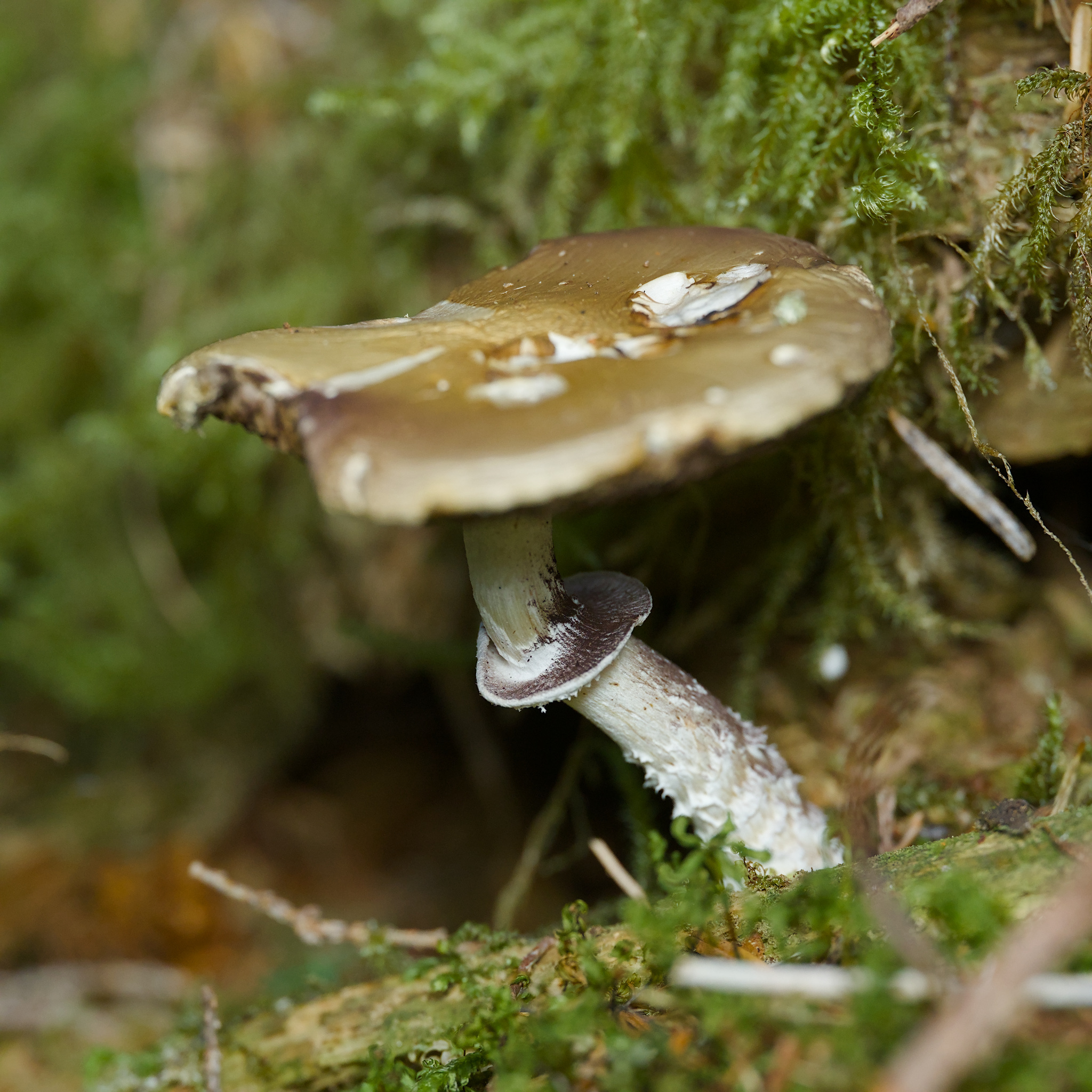
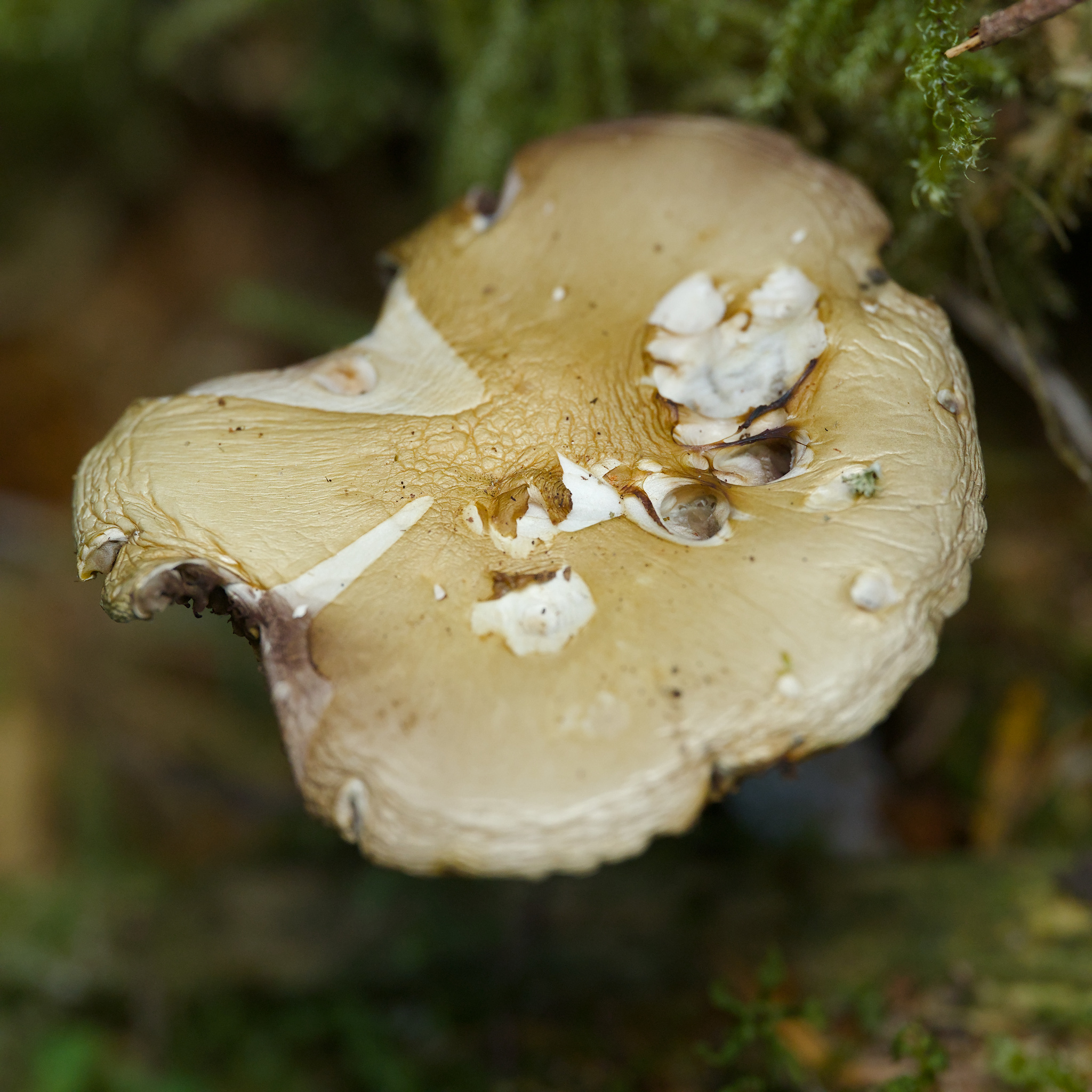
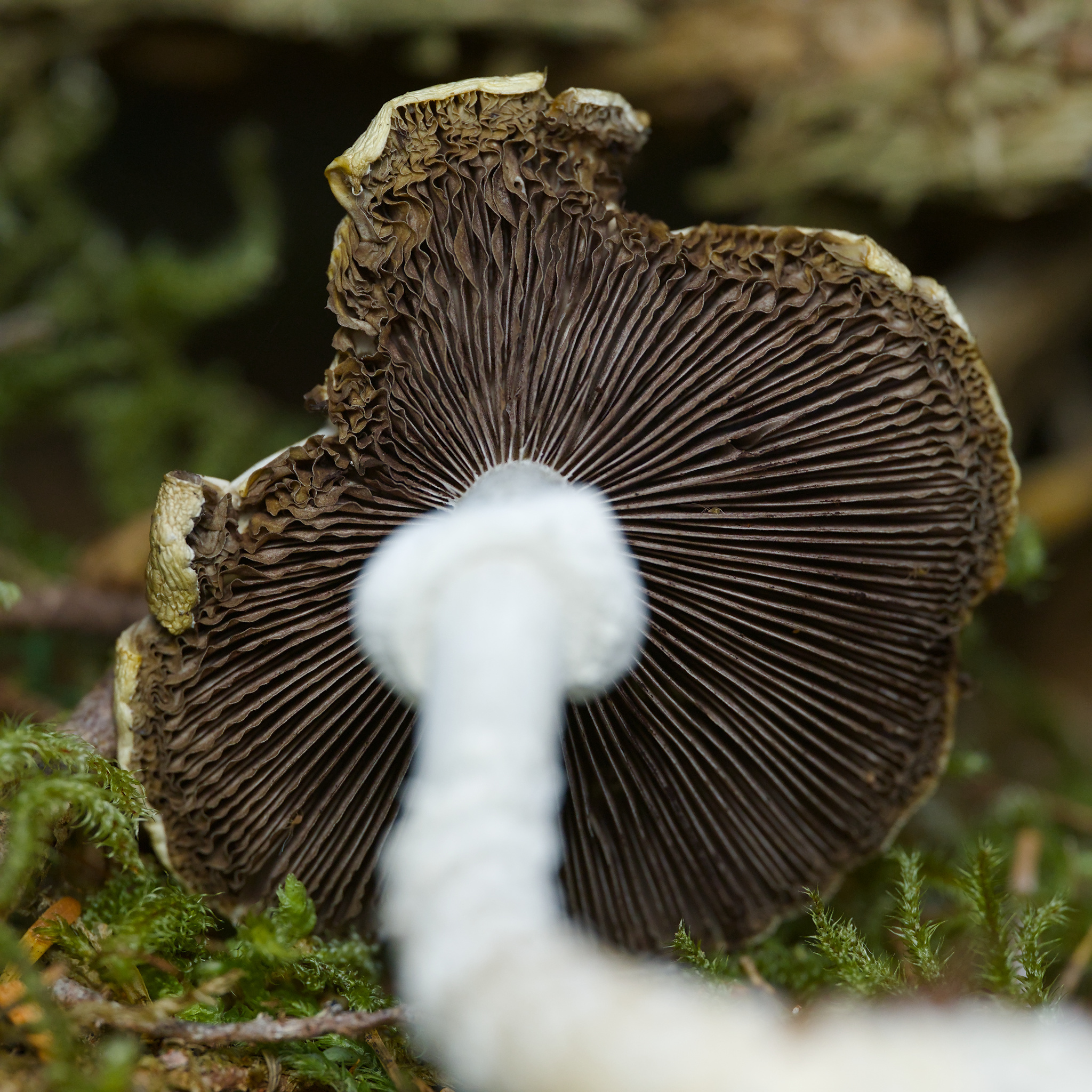
We've made a habit of collecting less urban observations of this genus that is notorious for being a woodchip and city garden lover. We have a few less typical of
A. praecox group, but this is not one. It more resembles that species in the strict sense to me, which is indeed quite variable. I guess the best way to compare is to make small comparisons between our own observations. I would note the previous months include some collections of the genus that were more pale, slender, some with a more persistent annulus. Habitat seems relatively similar and I think we should compare elevation.
×
‹
![Expanded report image]() ›
›