GSM-CRLA Progress Report June 2026
Burt J.
intoishun
Crater Lake National Park
Washington State, USA
*This report will be updated as sequencing data is received. Results will be added along with additional comments. Last updated September 12, 2026.
Hey there all and welcome to the CRLA portion of this scientific study. Our goals for Crater Lake will be similar, however most of this work will be conducted by me solo. That and the later start of this permit, will provide for a slow start here. As I write this in August/September I can confirm I only collected a few things for CRLA this month and in July, and then made two failed collections in August. Those collections were forgotten and thus destroyed by contamination, i.e. smelly mush.
In the future though, especially throughout this fall, I plan to continue to bulk up this reporting to match our ONP survey limits. The park up there has us limited to 30 collections a month currently so if I can match that or exceed that amount, I would be satisfied. My goal for September will be affected by the onset of more rain, in the positive way, meaning I want rain. So for now, I'd say I expect this section of the site to be up to snuff by the end of October, or maybe my birthday at the start of November.
Either way, thank you for reading. We will continue to host additional work and resources related to these studies as time continues.
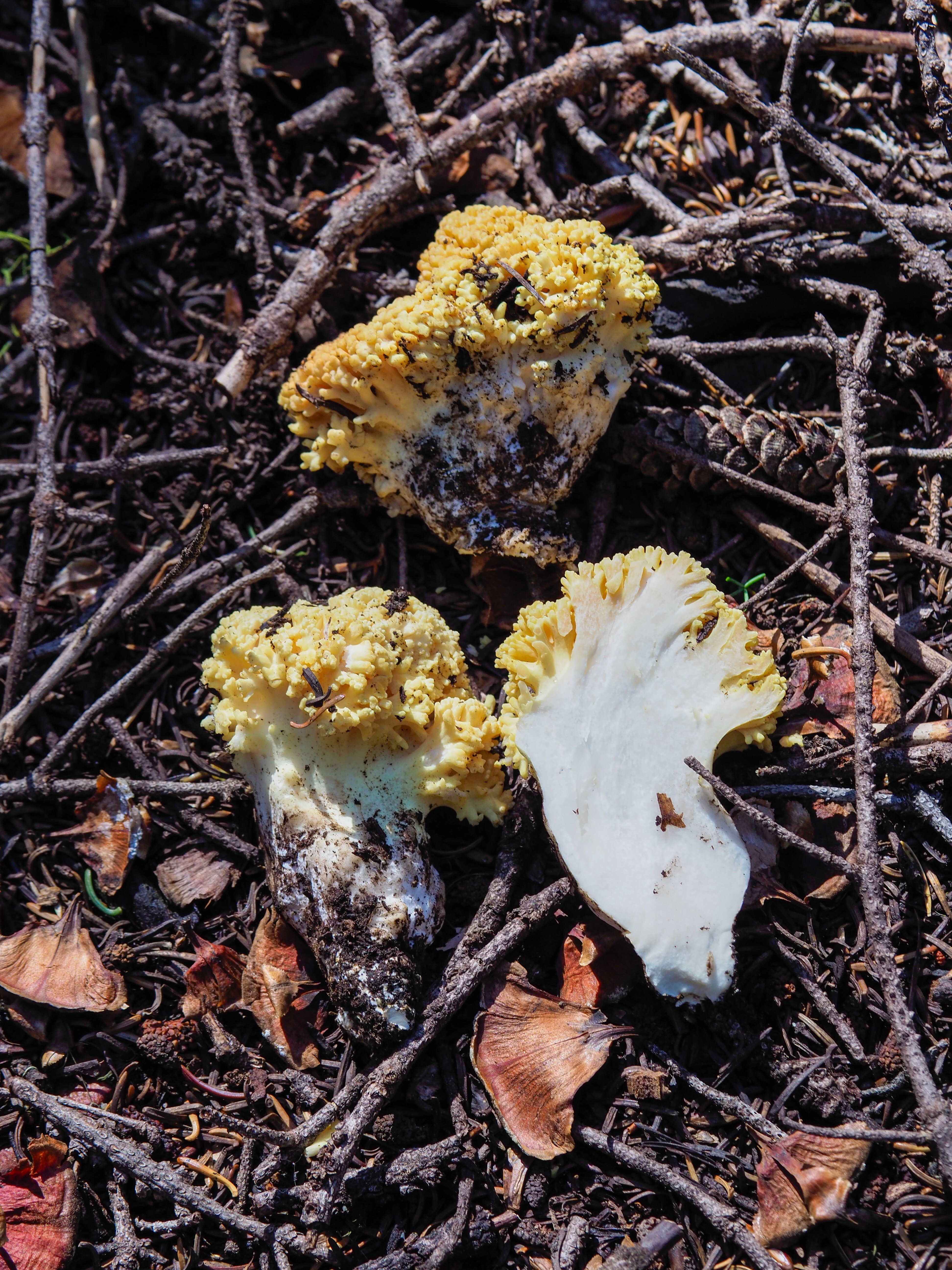
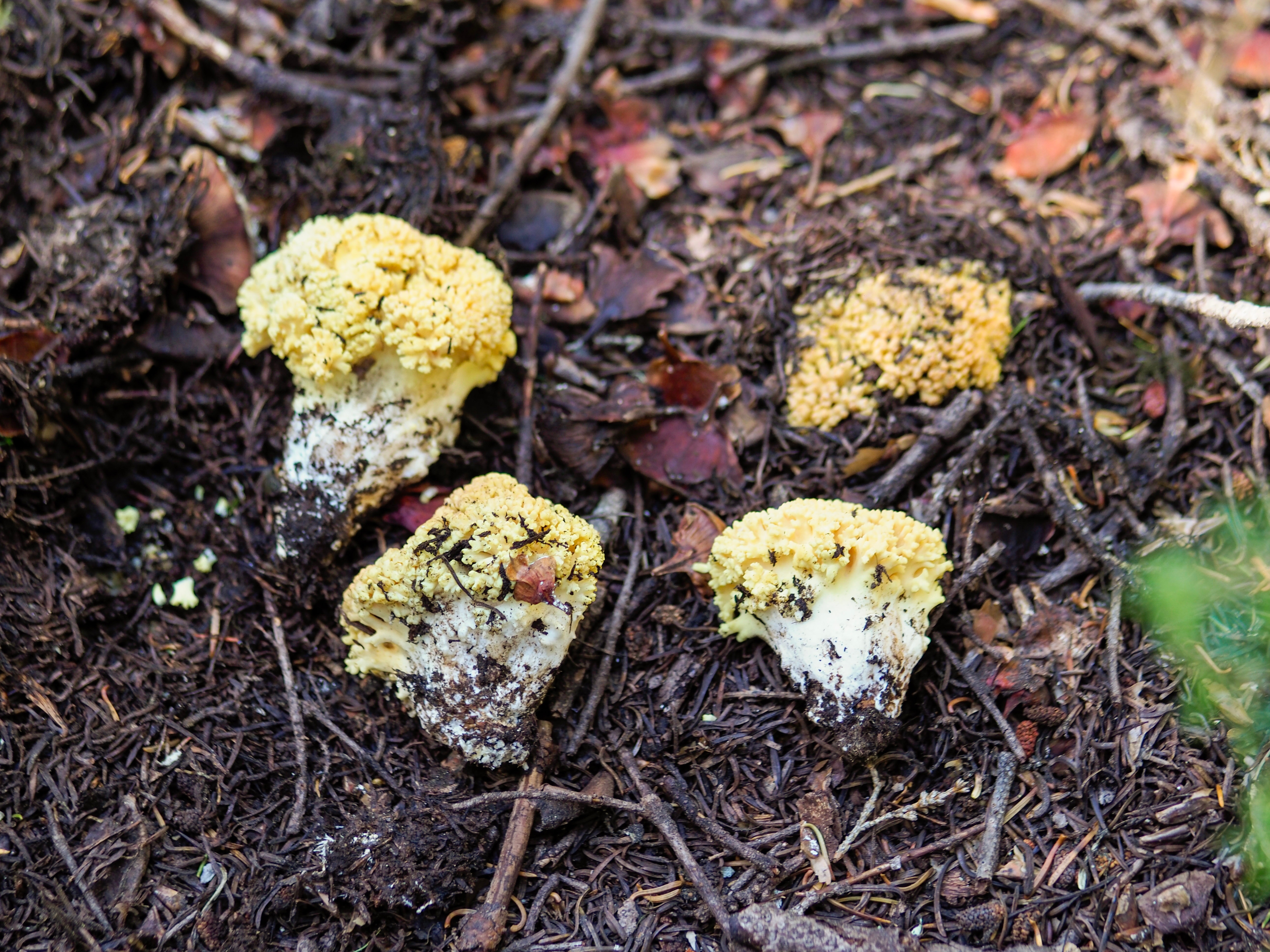
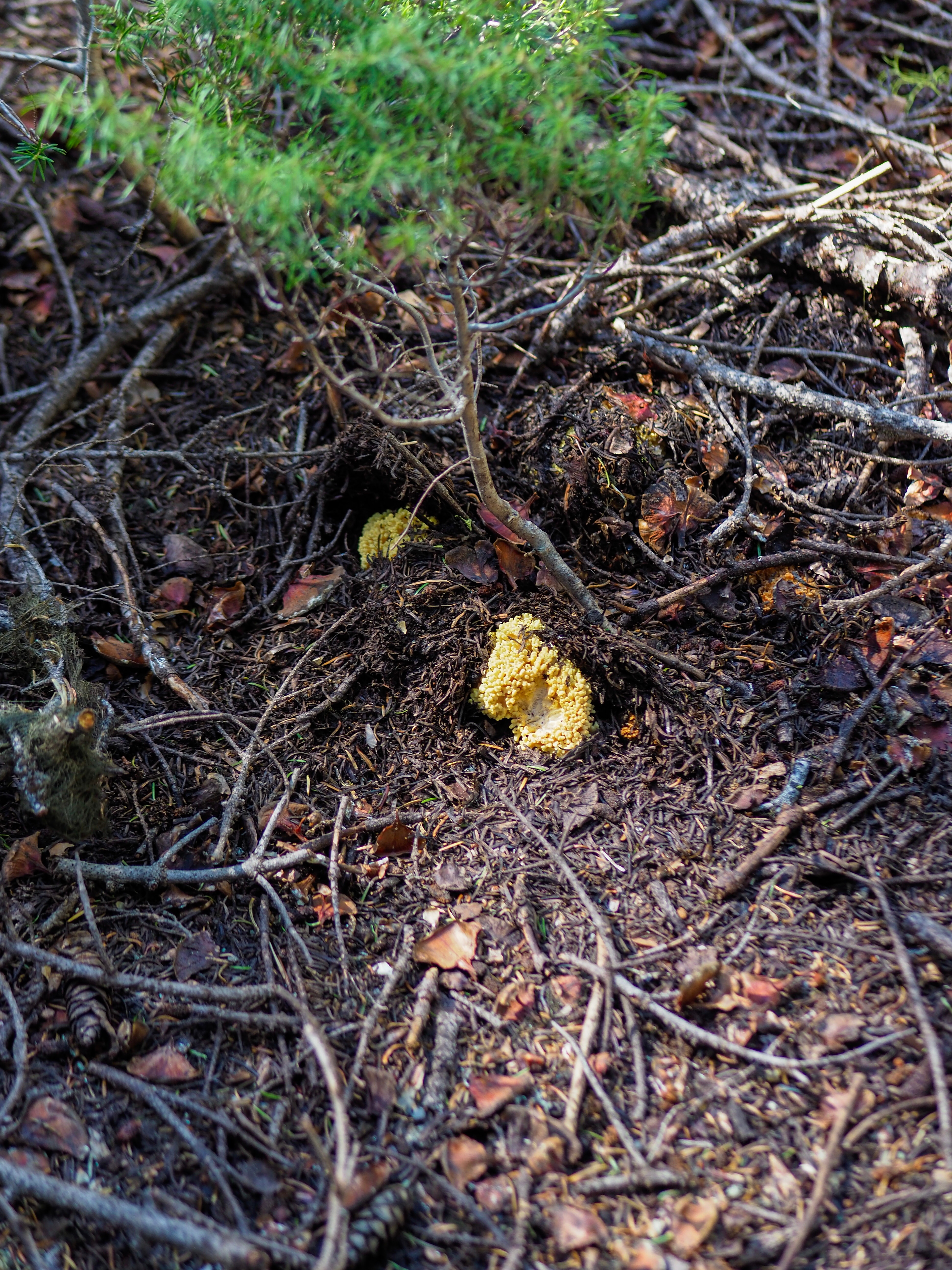
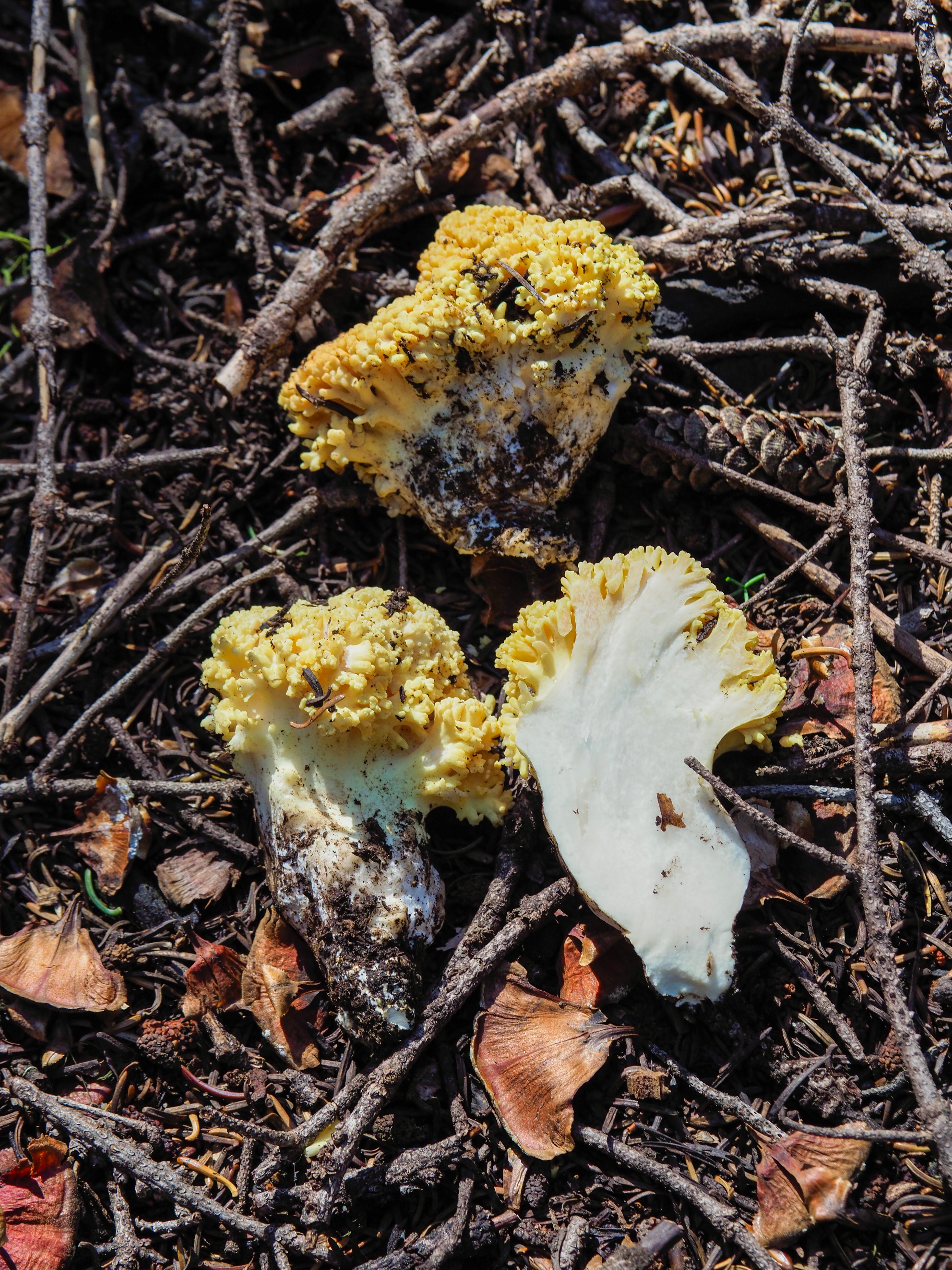
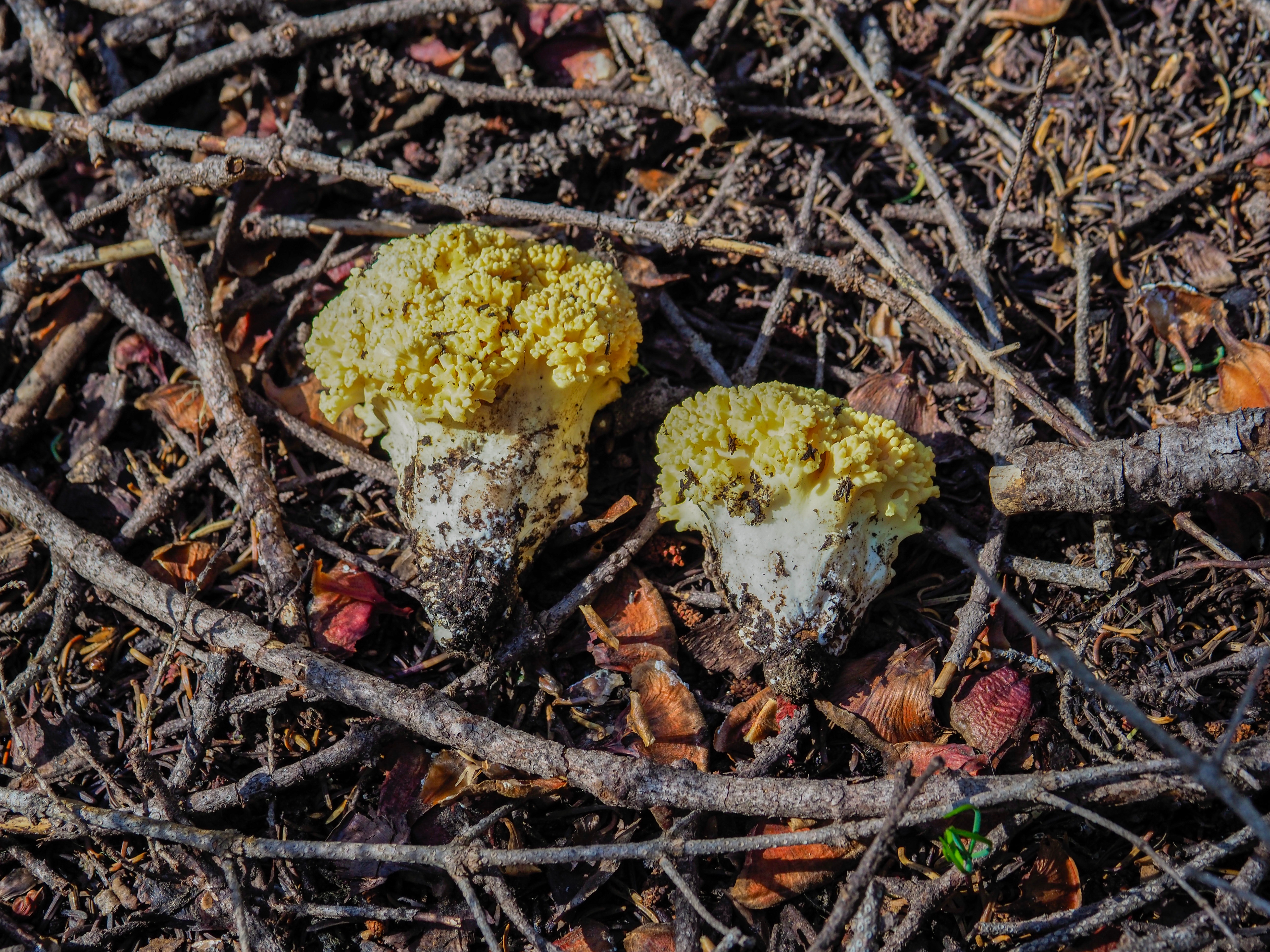
Kicking it off with a stunning
Ramaria, probably a stout species from subgenus
Laeticolora. I may have also simply found it a little bit stunted. This was not my first find of the day but being that there's only one hike and a few observations for this report I think that's okay. Excited to do a little bit of amateur microscopy here while we await sequencing.
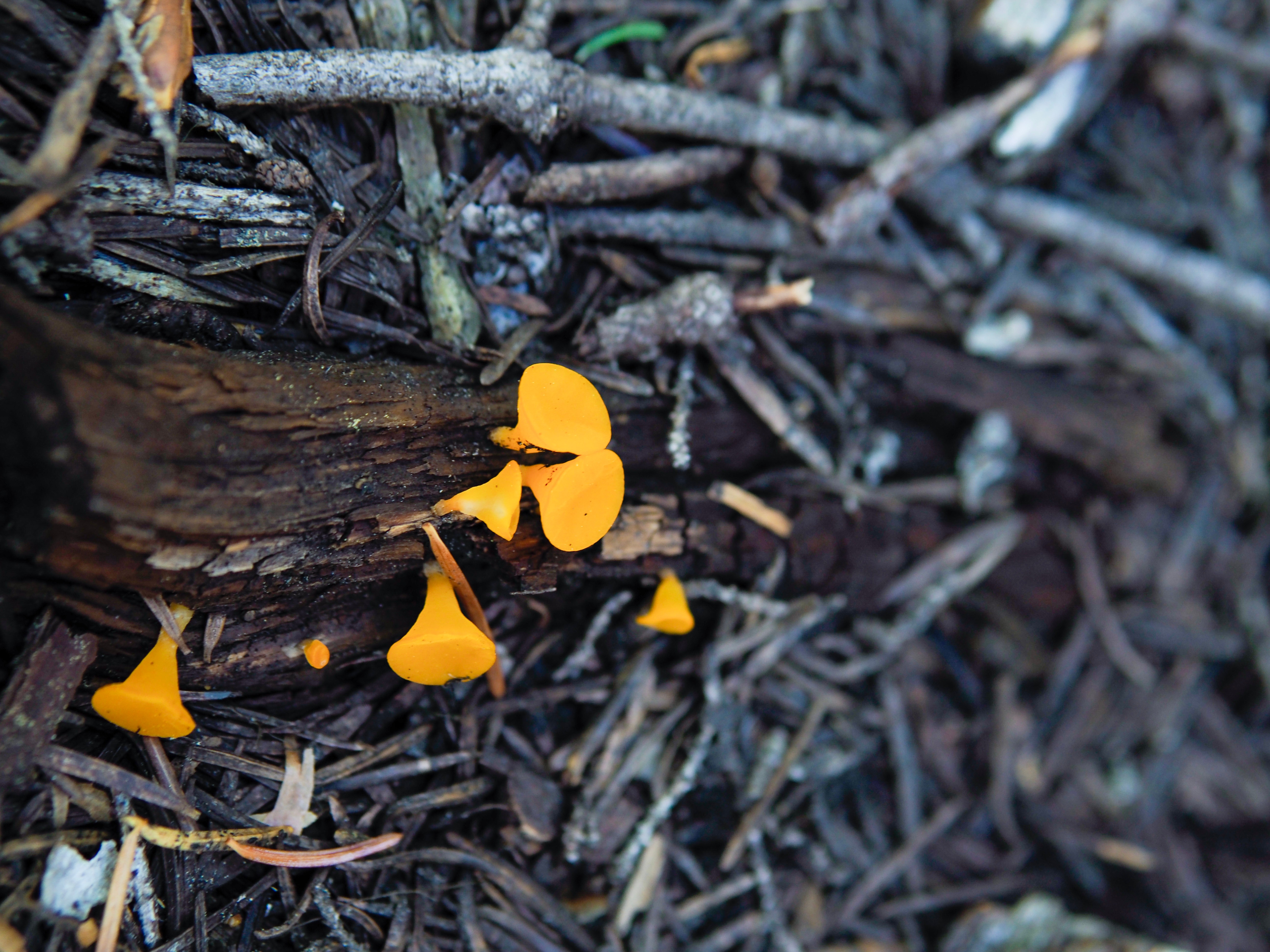
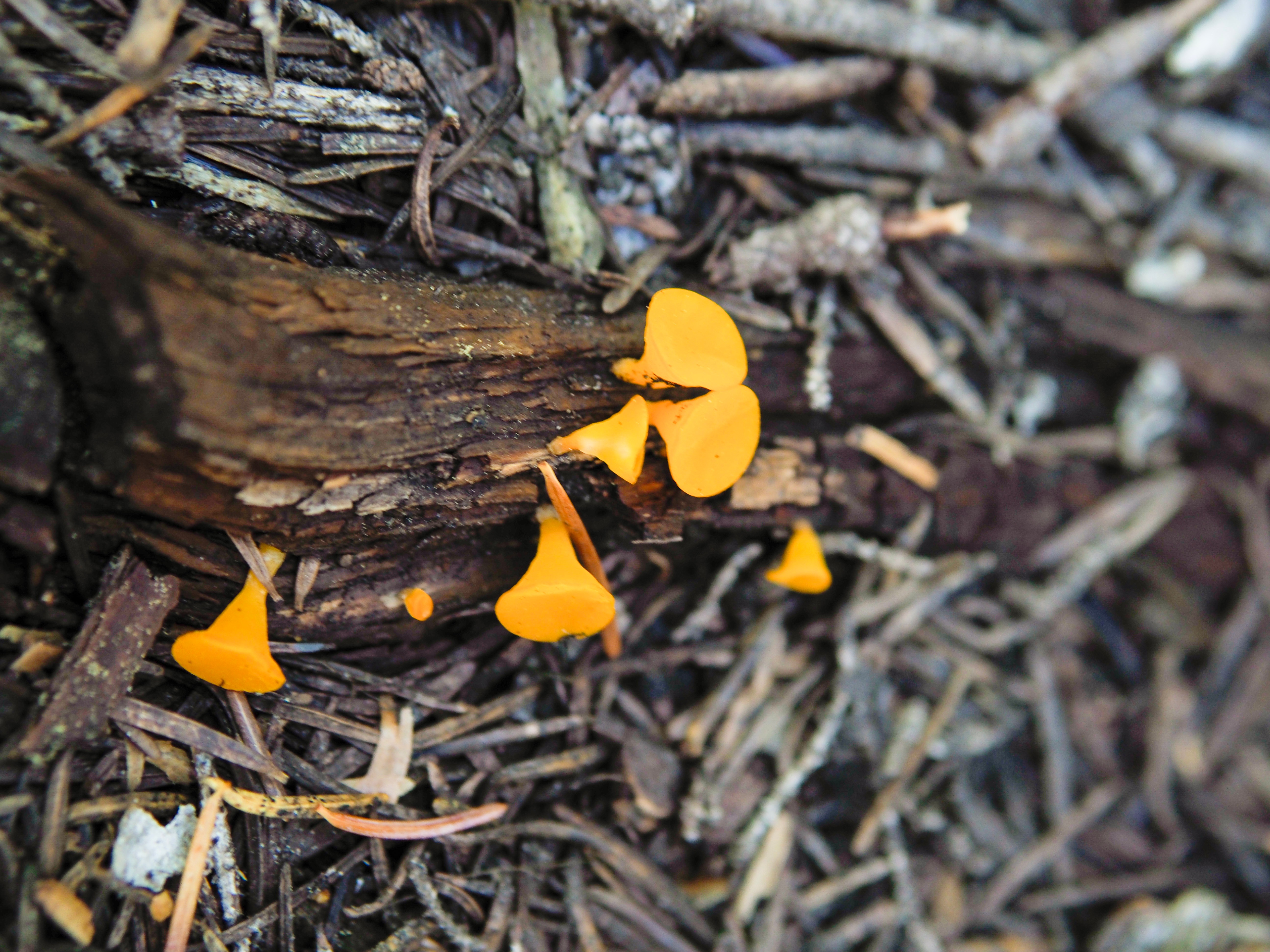
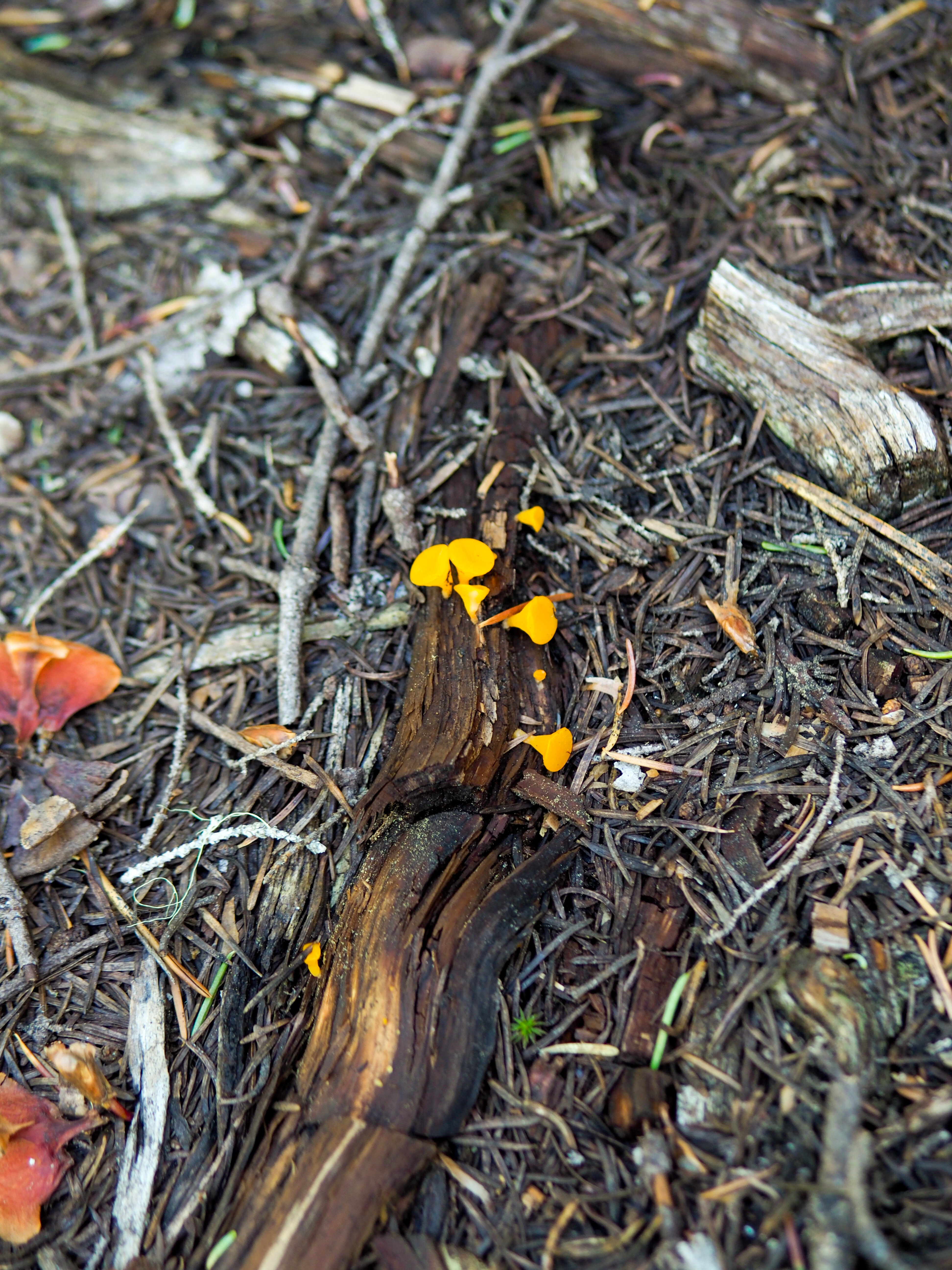
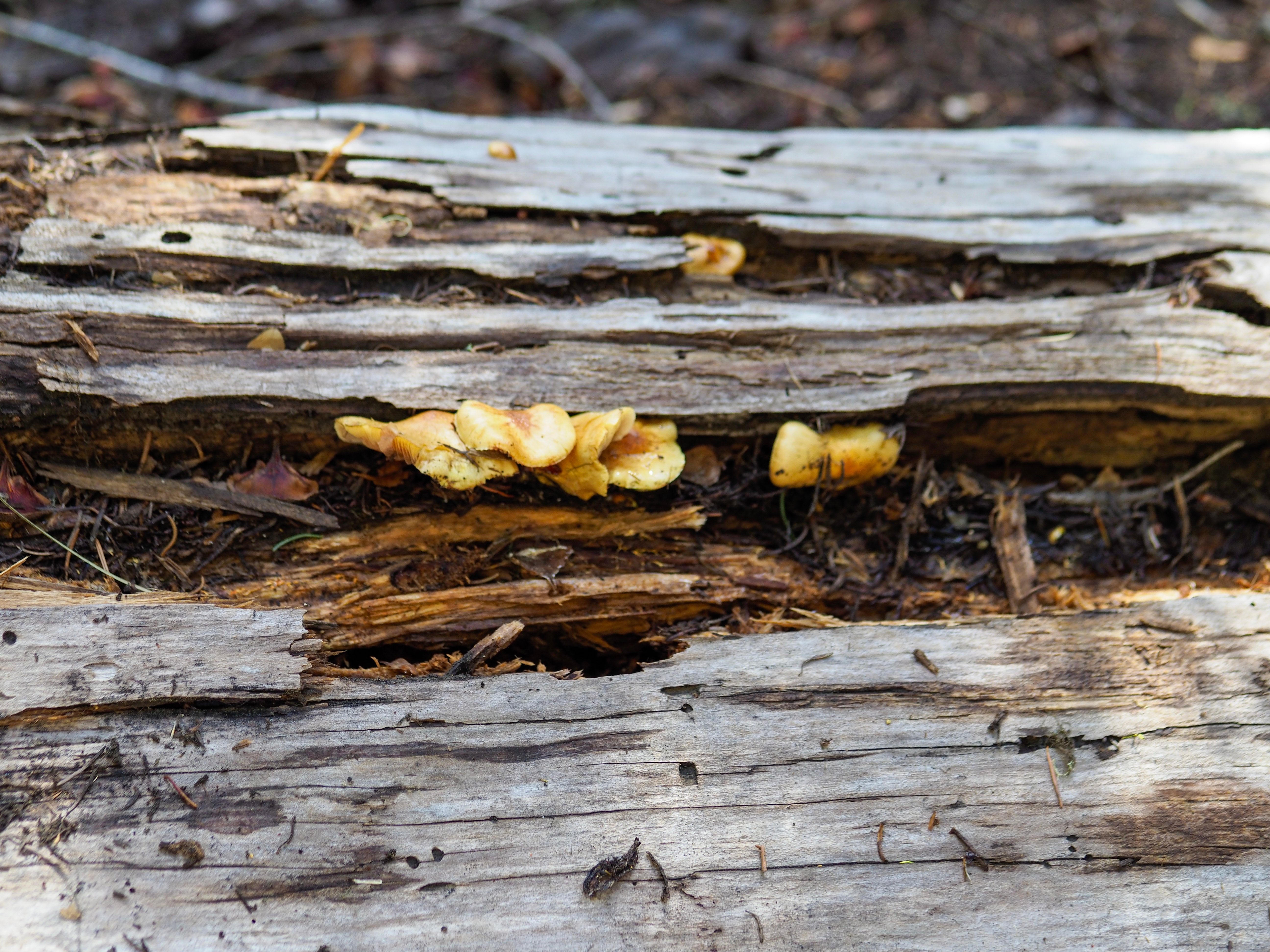
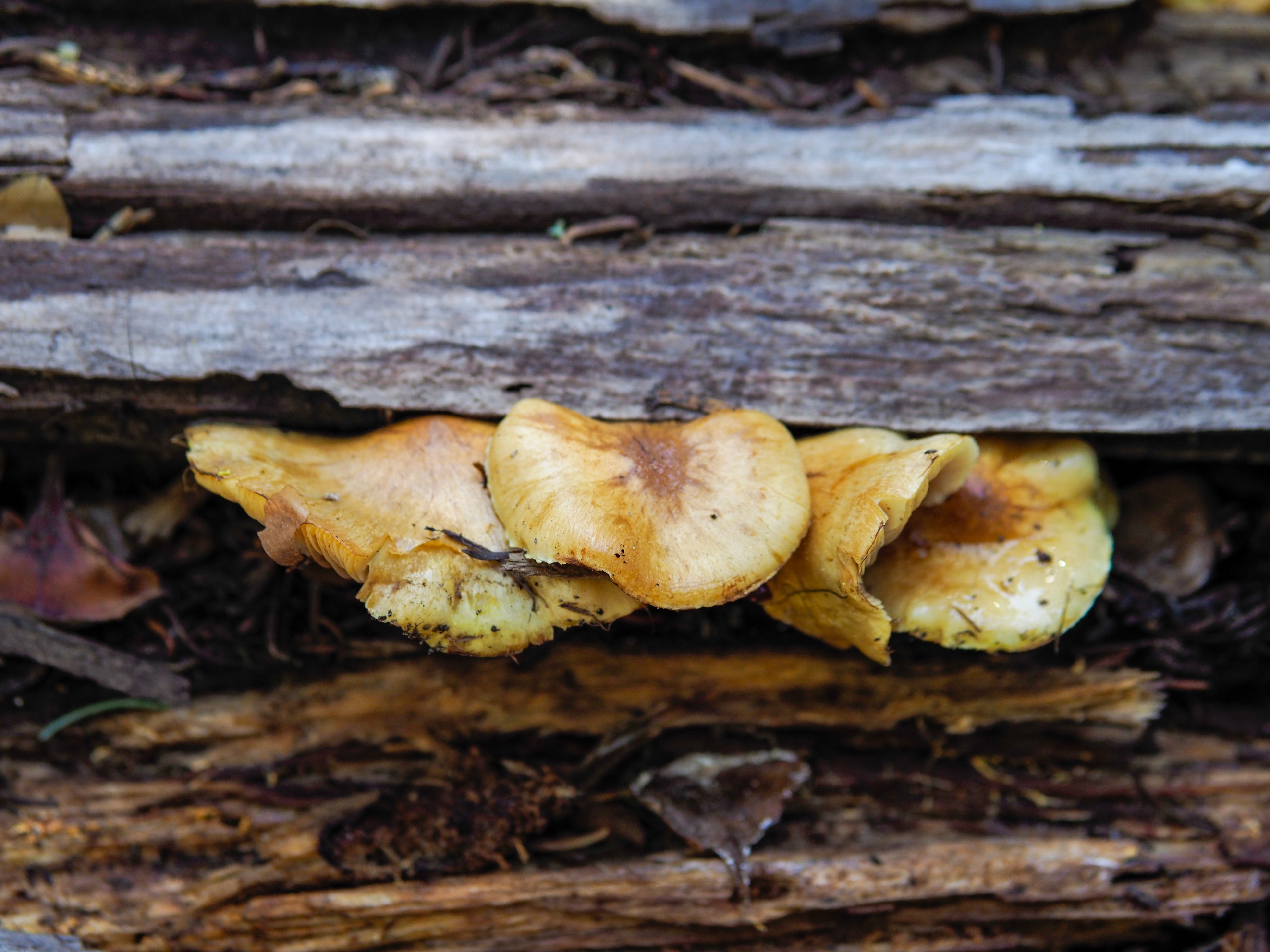
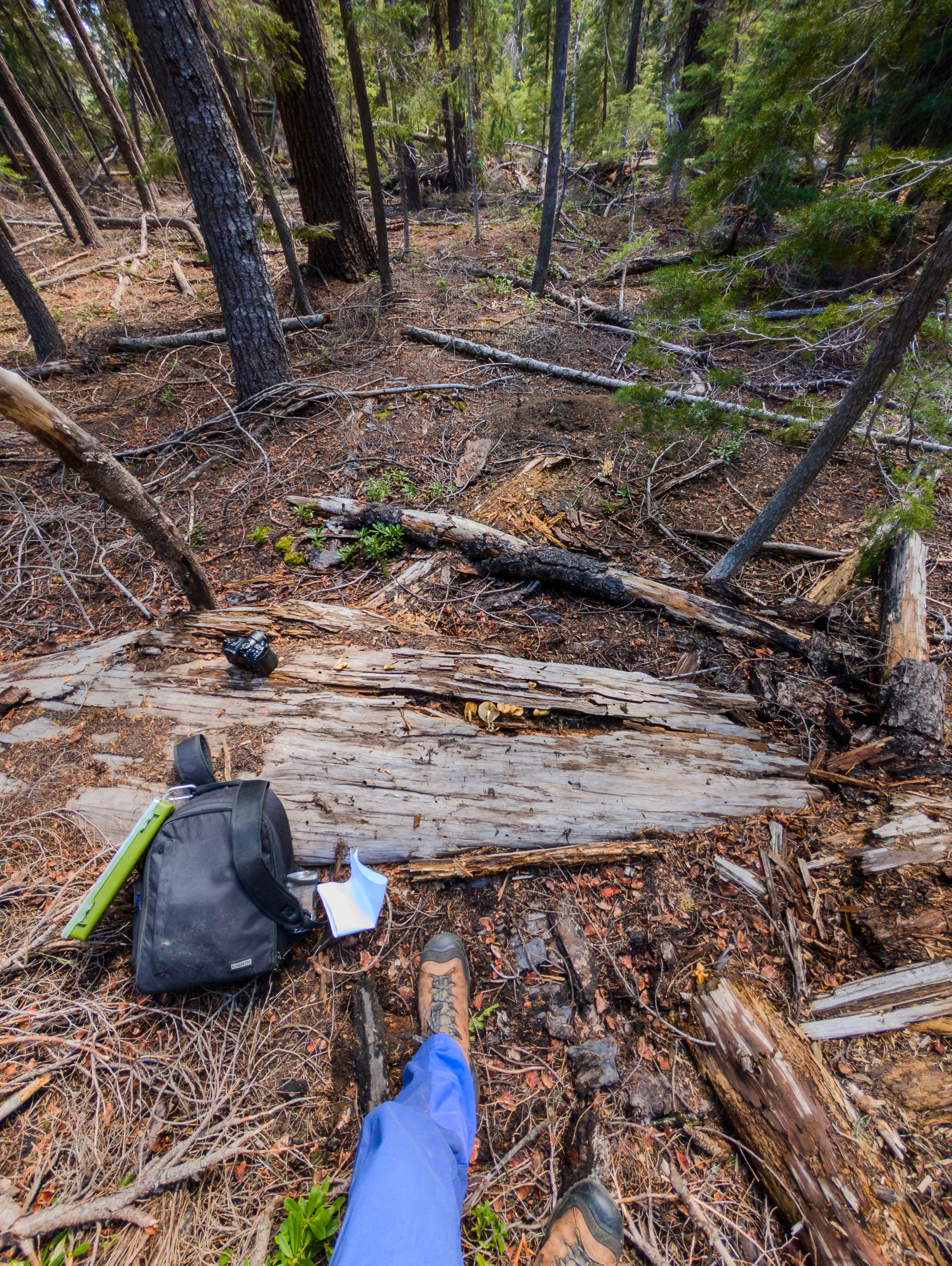
I think this is likely
G. 'alpina-CA01' again, featured in our snowmelt GSM-NONP surveying. It would be interesting if it wasn't but it seems like this morphology is pretty inconsistent but at the same time, different than similar
Heterotextus species which tend to be smaller and more "cushion" shaped. So I would say dryer habitat included, this is probably Guepiniopsis. Some authors note that attachment may be a good way of differentiating these conical or bell shaped species from each other. However, I don't know if that's really true at all and have even noticed a distinct white fuzzy attachment point in other
Dacrymyces species where it is said to be less common, or even not present. Meaning that although my photos on this hike were lacking, we can see a point of attachment here that is variable across collections of the assumed genus, and often present in other genera. We did a bit of work this early Spring season on these species in WA, without yielding the result we are looking for, which is a Heterotextus or Dacrymyces species that is harder to distinguish from the local G. alpina temp. code. There is hope though, as a new temp. coded Heterotextus observation has recently popped up in the west, indicating it may be possible to add one to our park survey. Perhaps next year.
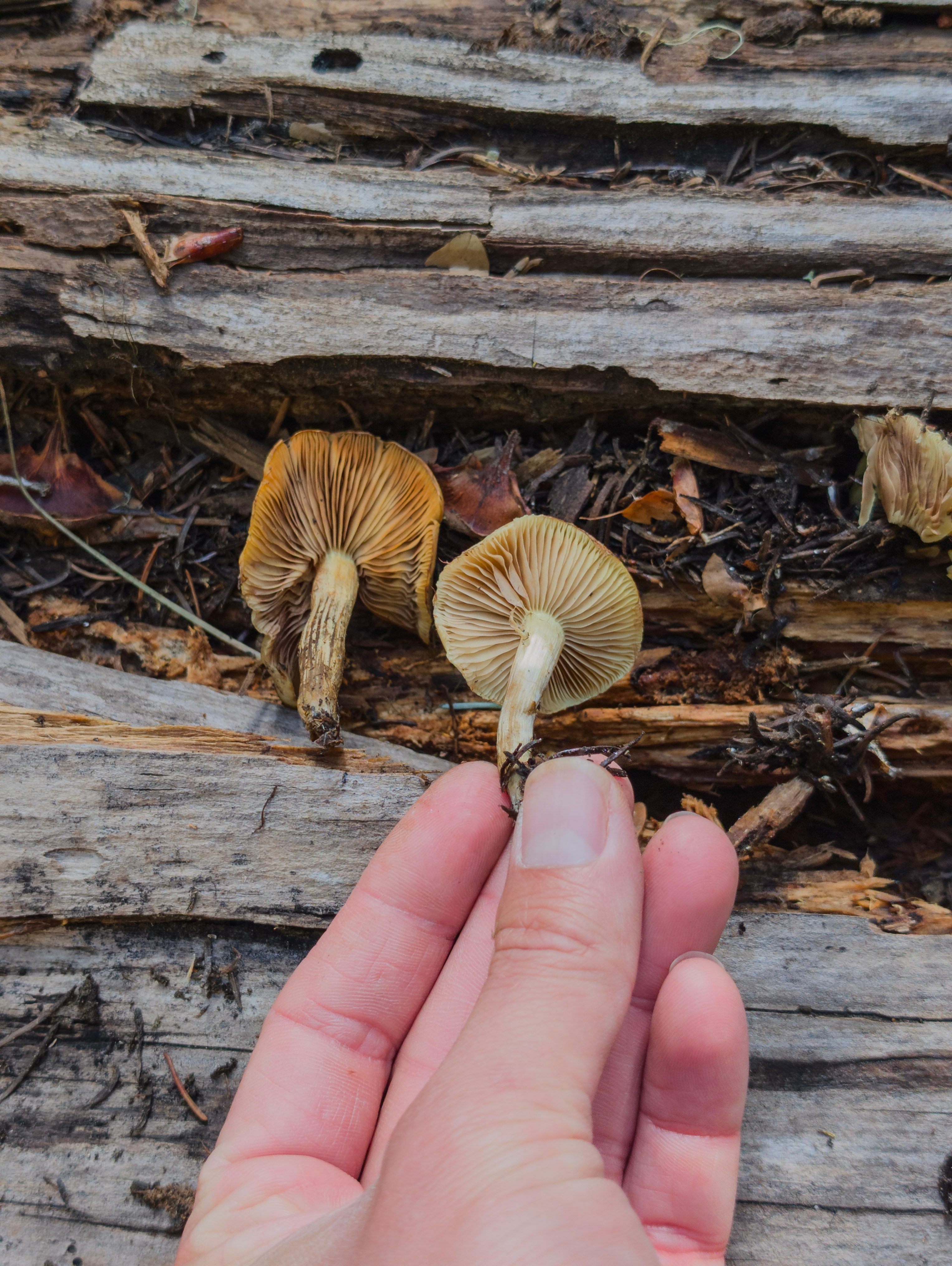
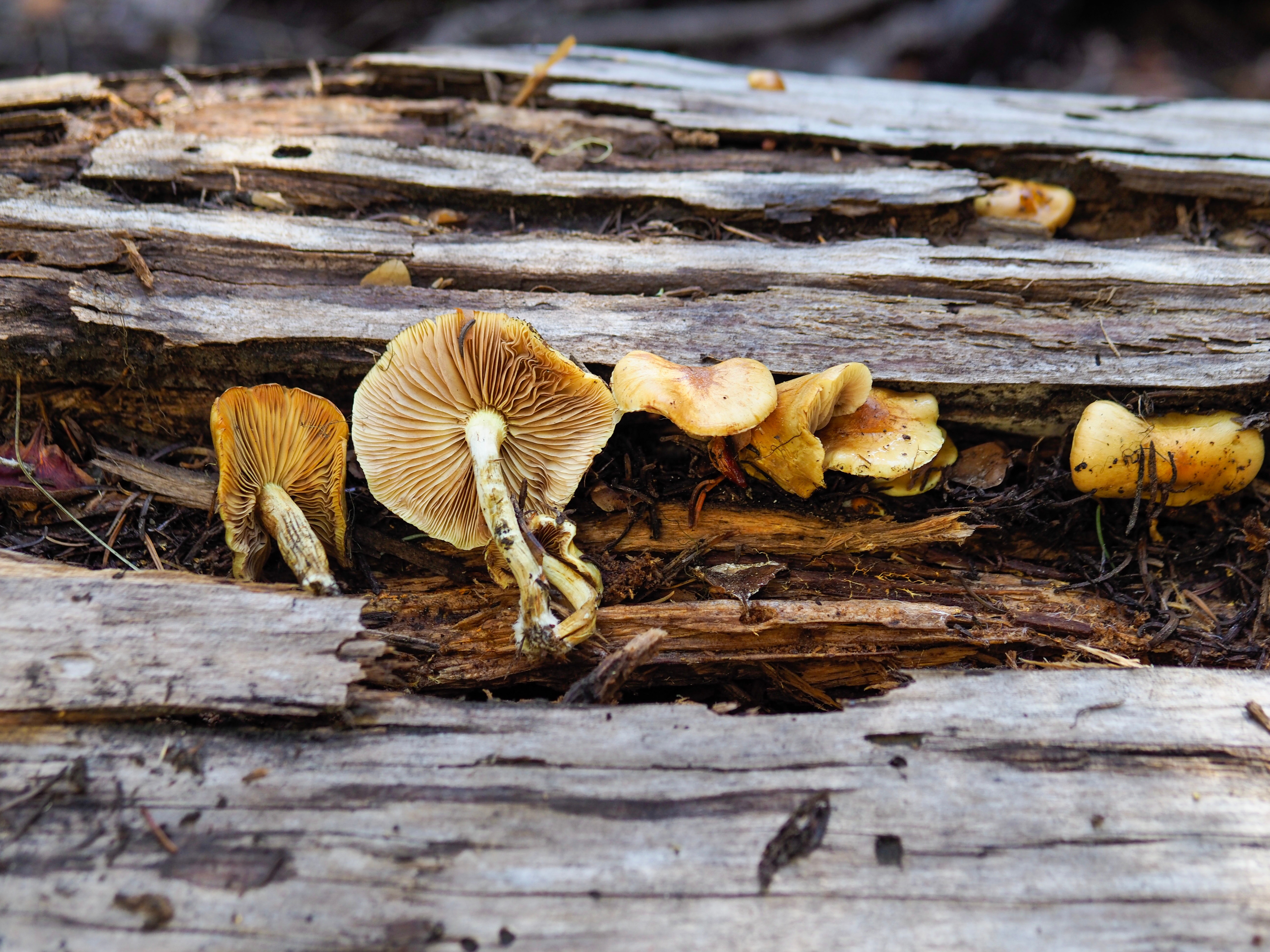
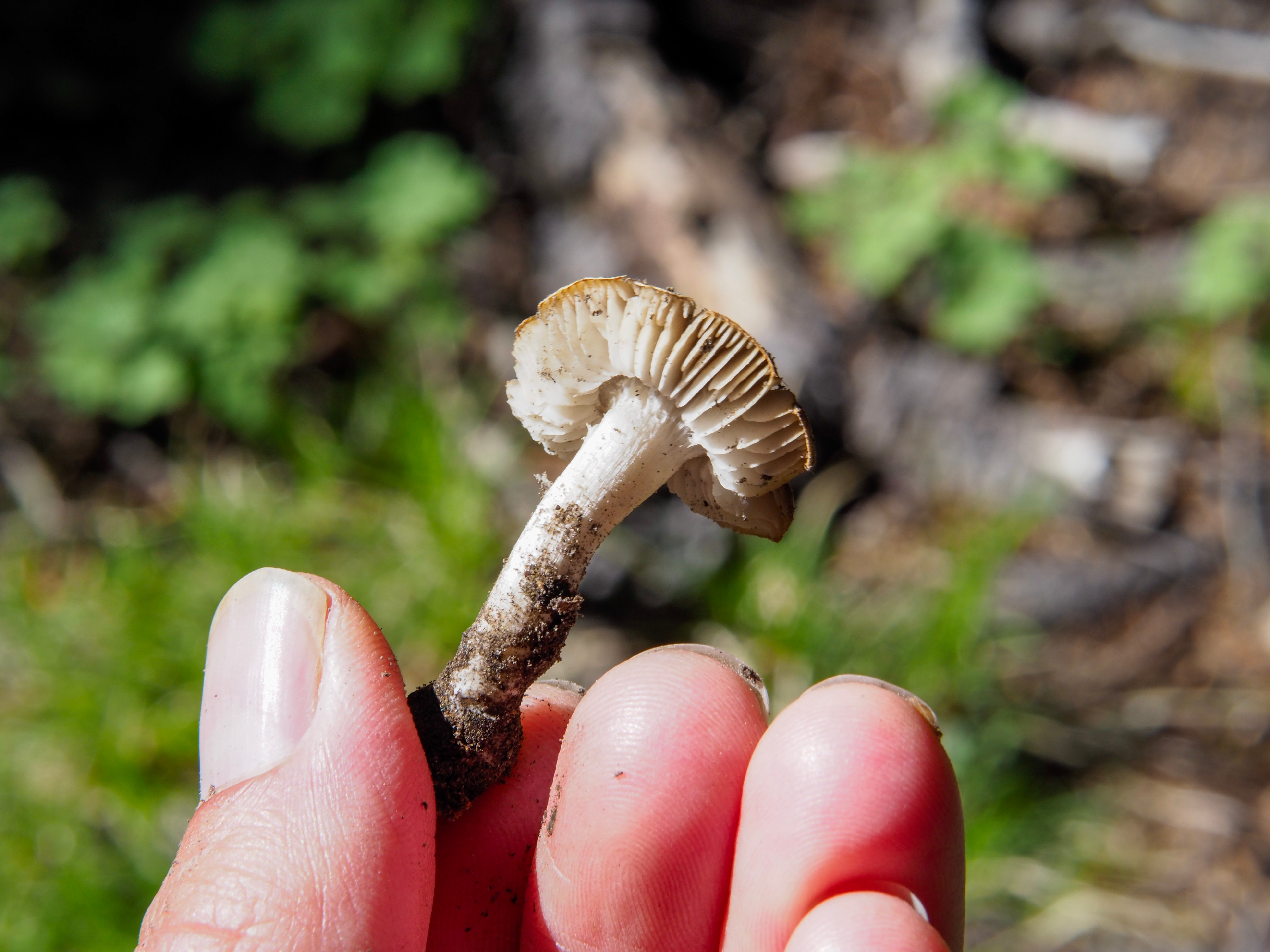
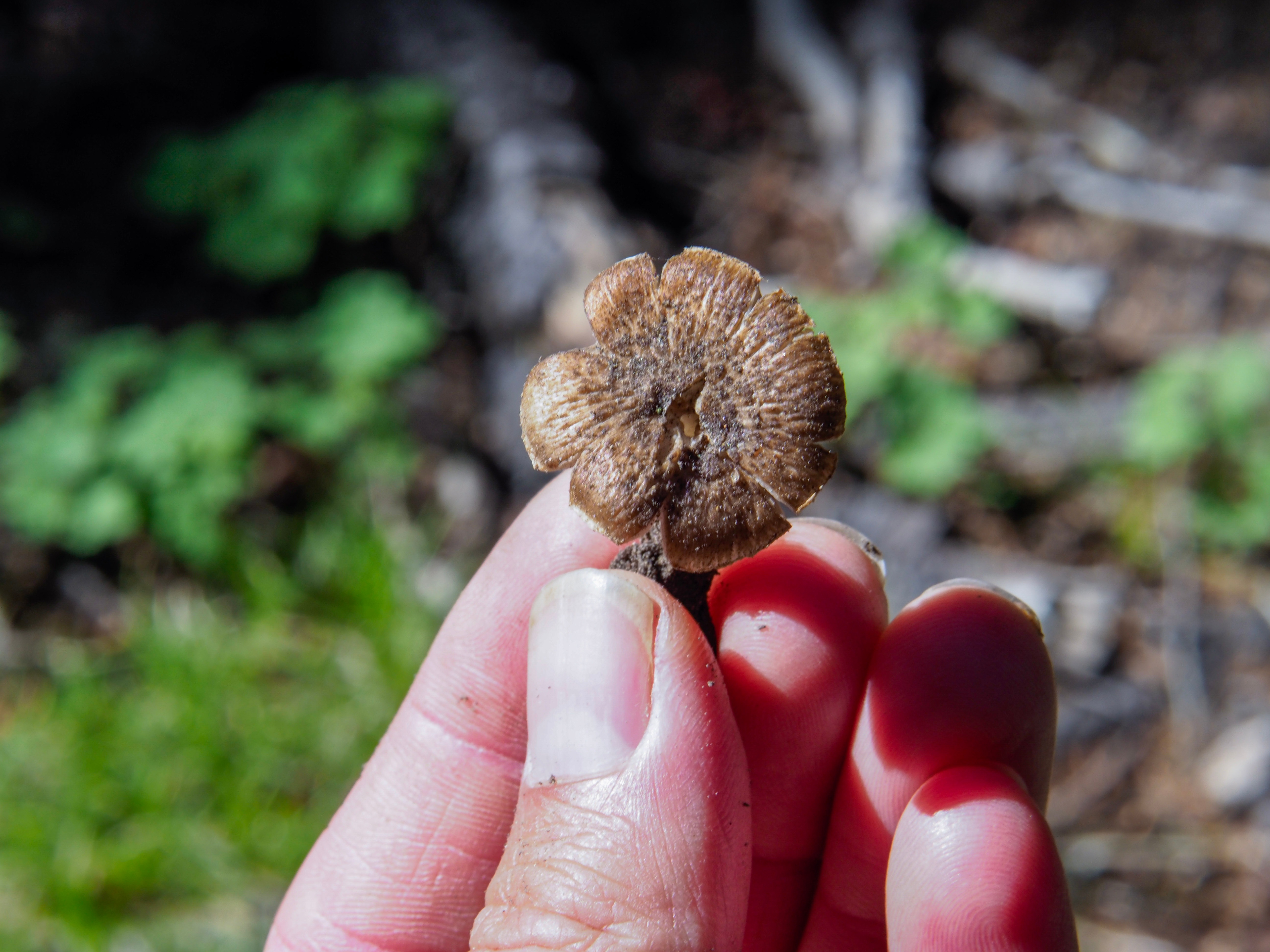
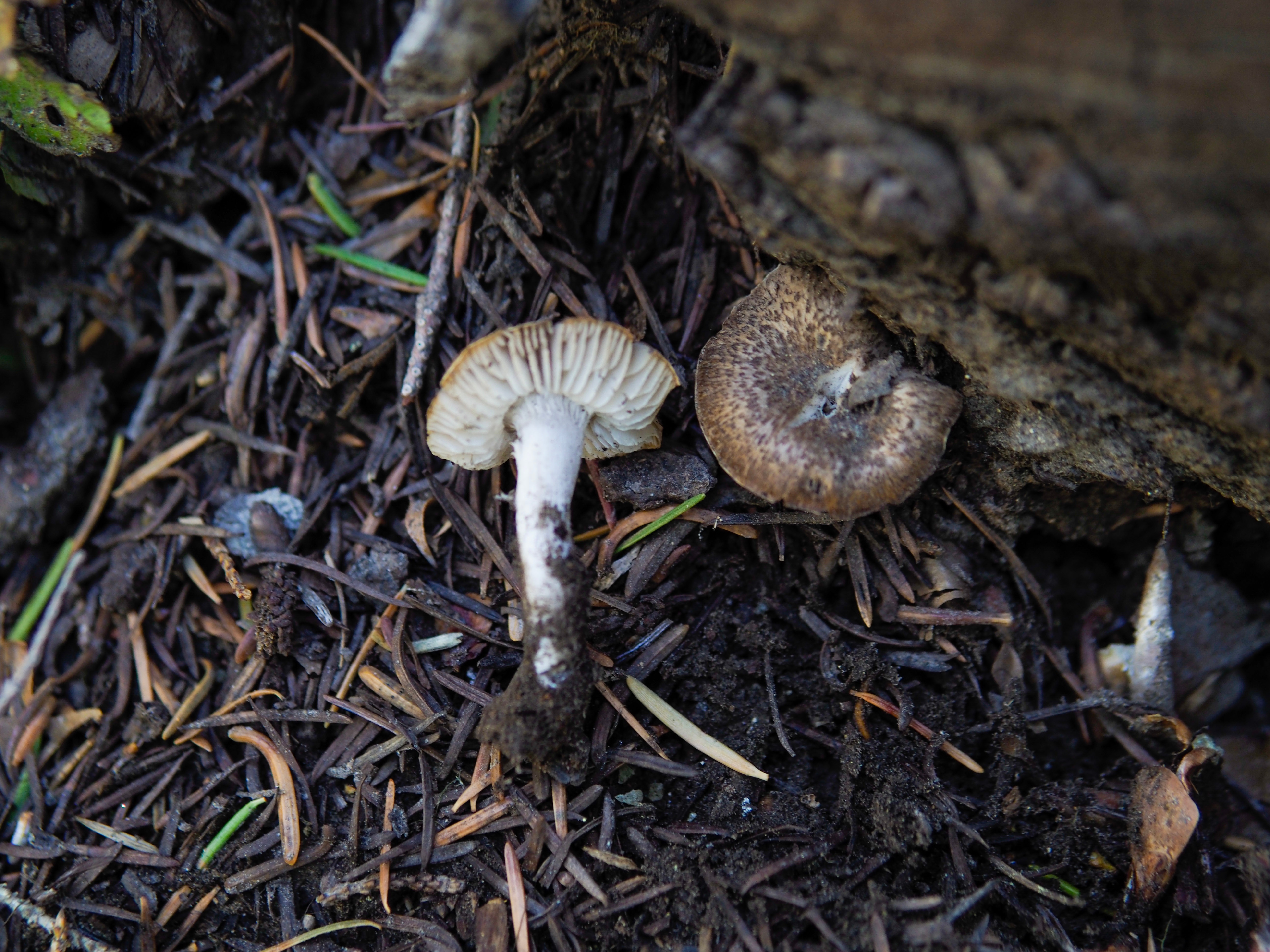
Some kind of pholiotoid, or
Pholiota like mushroom I think. I do not think these are
Gymnopilus sapineus group or similar in that genus, if not Pholotia maybe we could consider
Flammula and others. Few genuine Pholiota are smooth and also not viscid or covered in goop, but these were dry. However, I think overall morphology and even a bit of what appears to be dry formerly-viscid texture, points to Pholiota and friends. We shall see. If this is a Gym, I will eat my hat. I still have it because the last time I said that, I was correct! (re: Clavaria from May GSM-NONP)
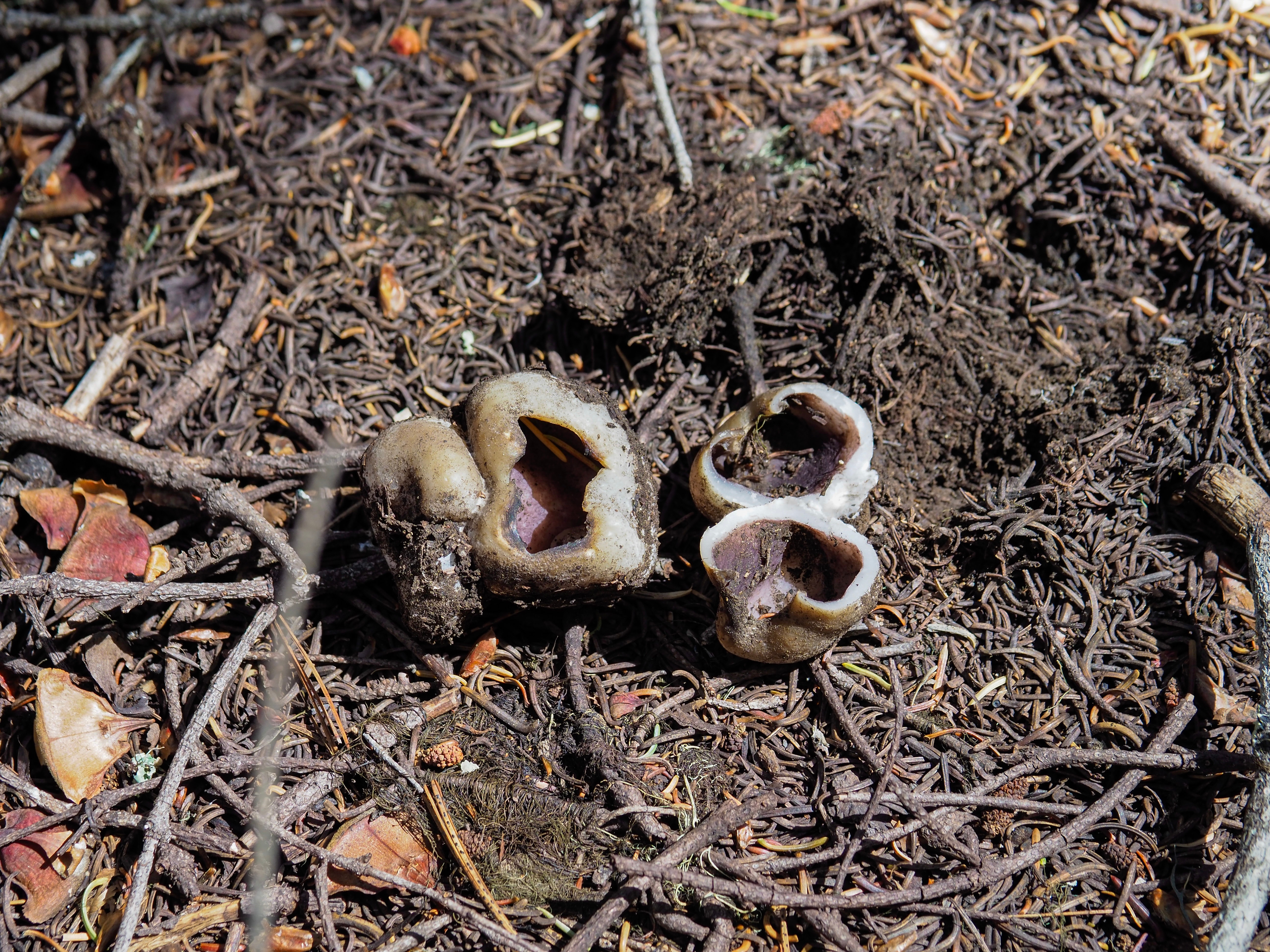
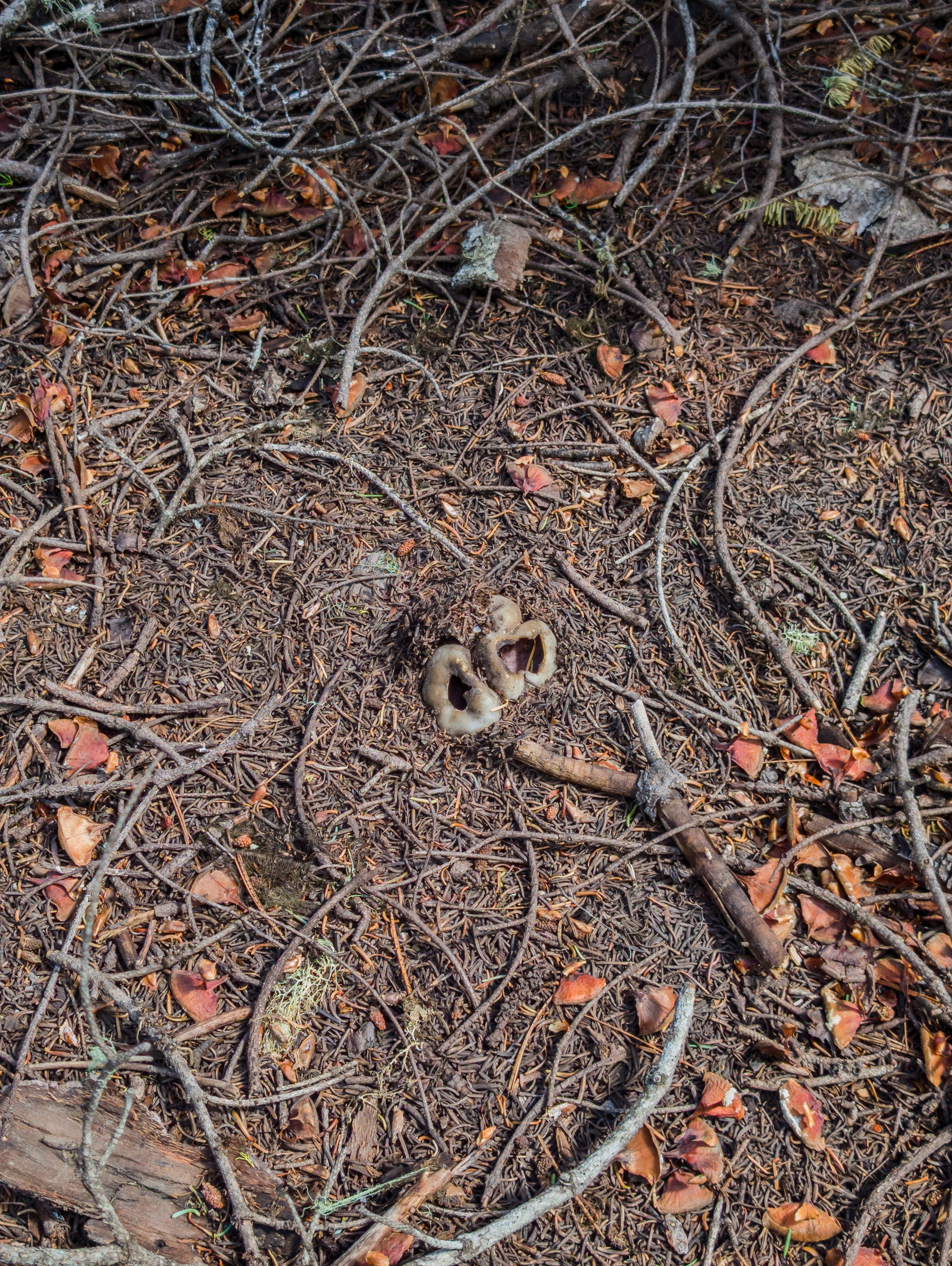
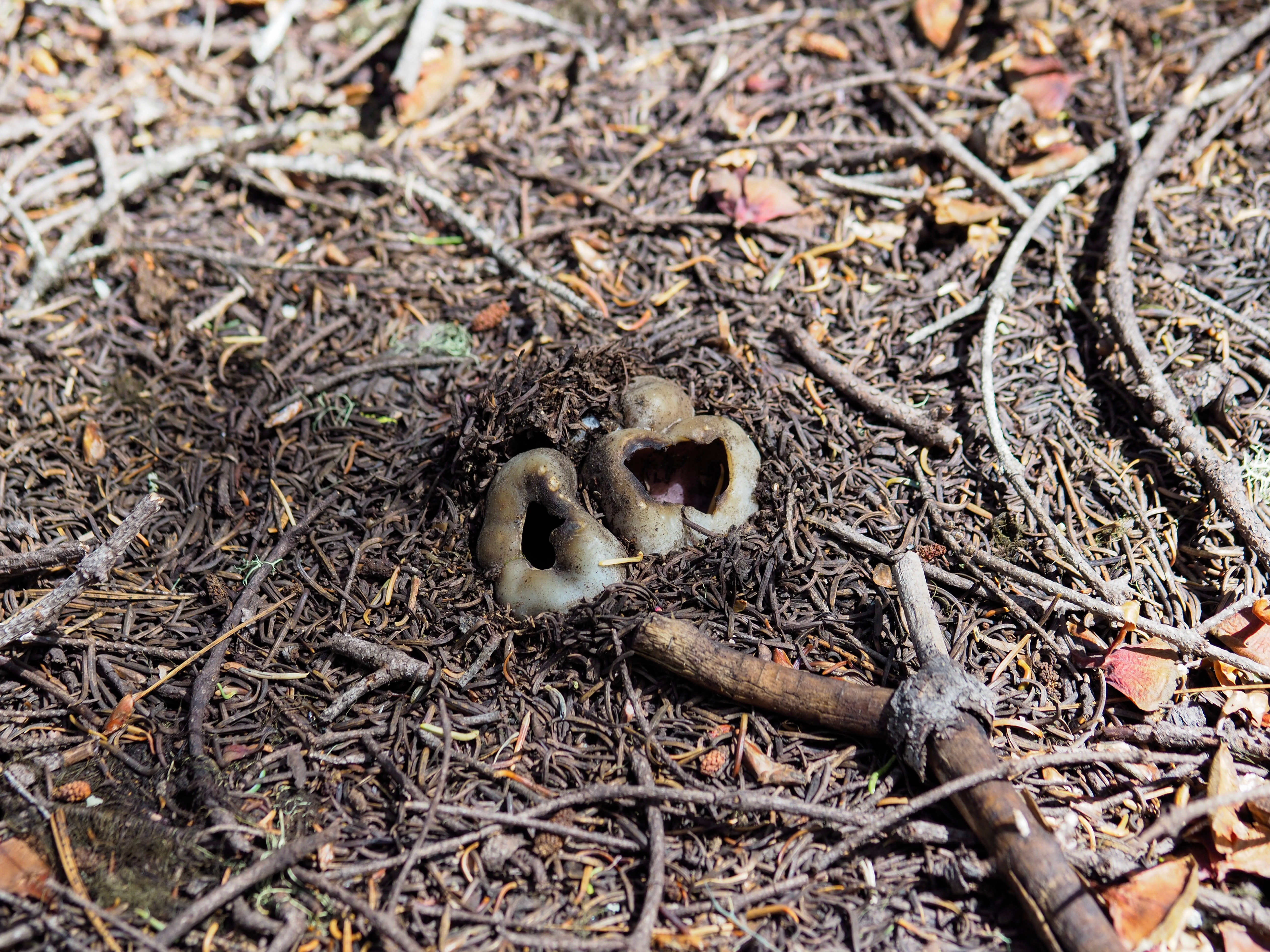
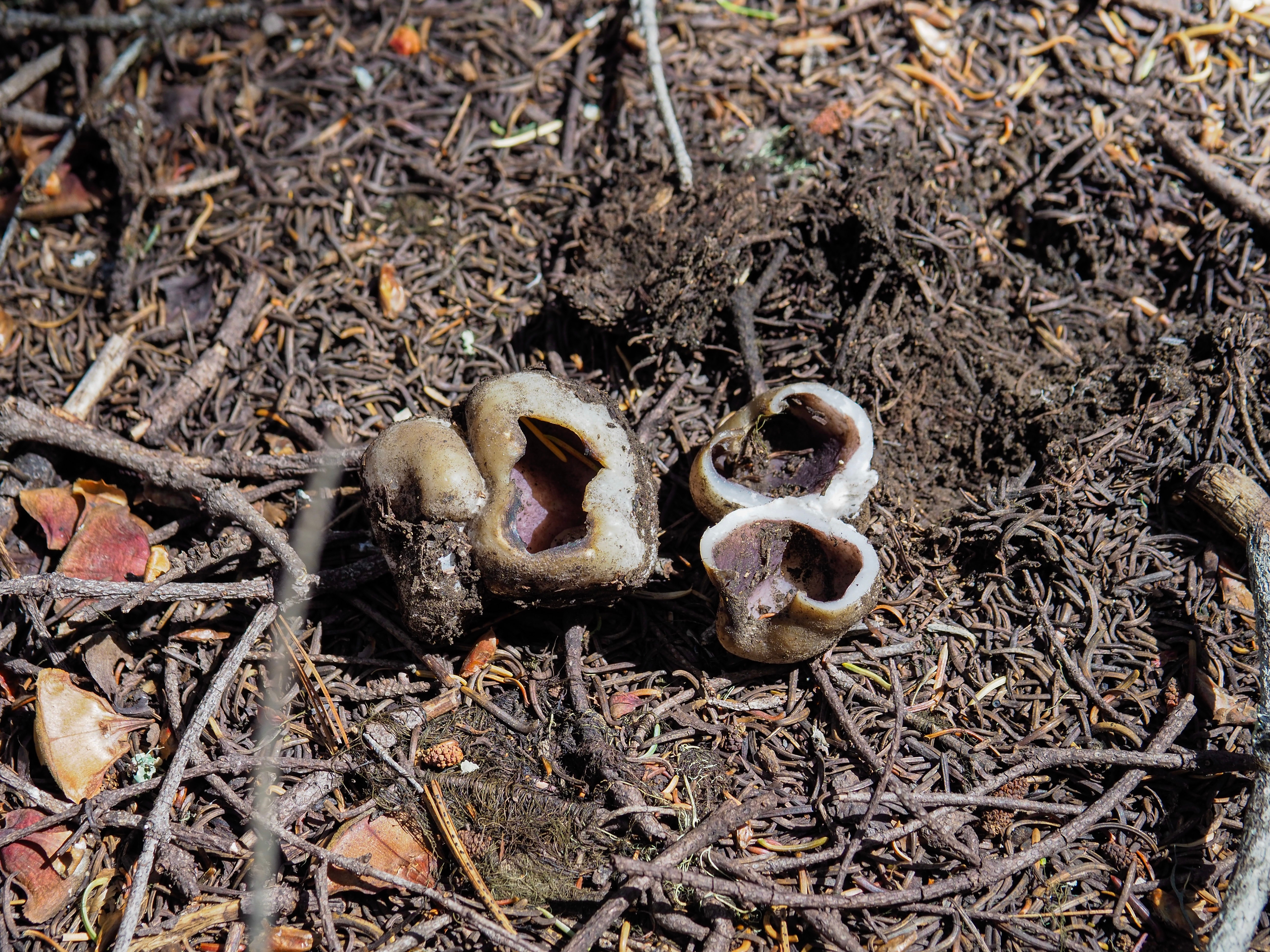
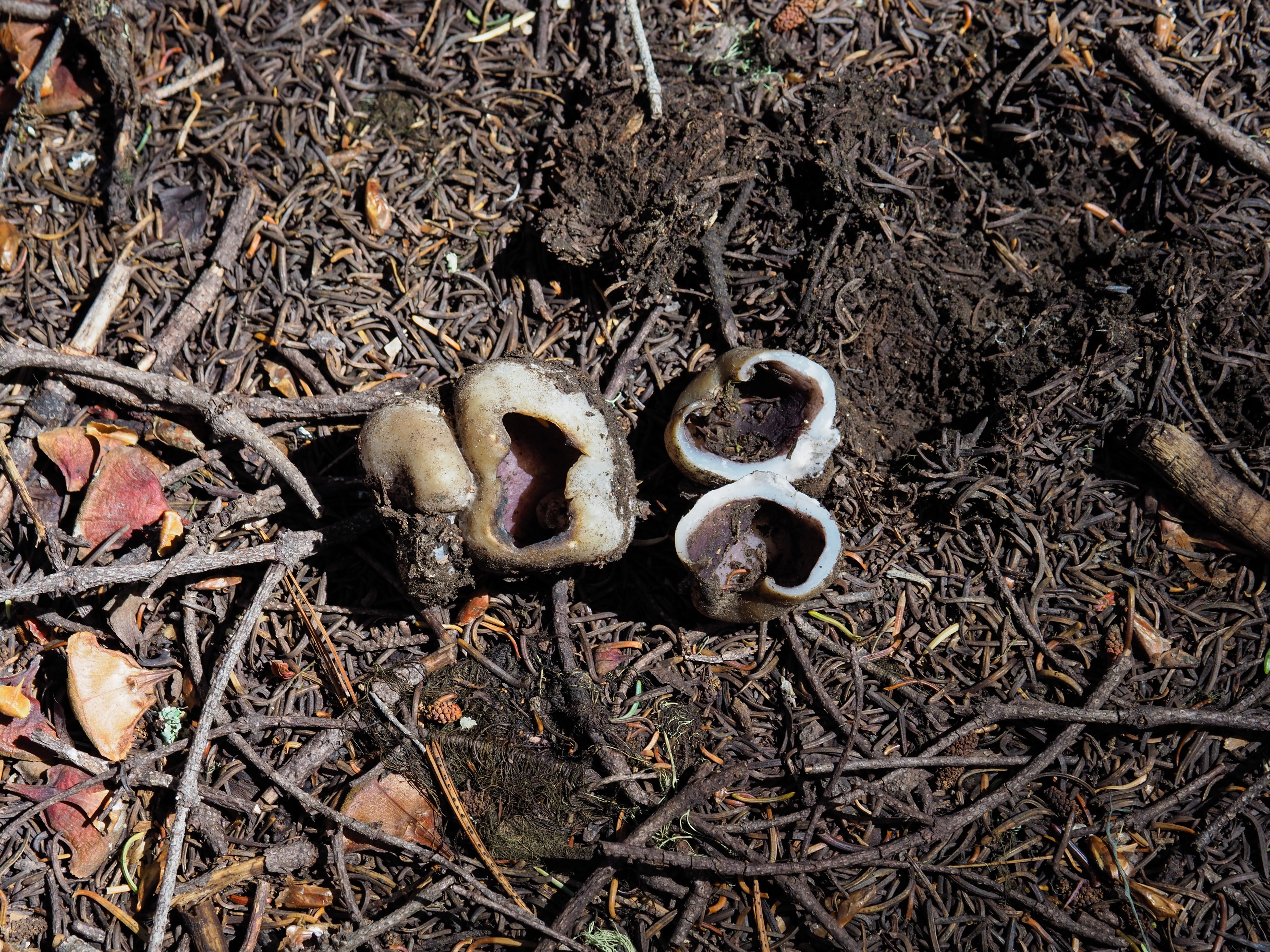
Very common, especially as you head south into this part of Oregon through Northern California's comparable or even joined forests. It seems like this species is also present in WA, during the summer when it is drier, perhaps at a bit less frequency. Despite this apparent commonality it does not appear very well known and in fact, was only recently separated from a now "old" taxon, S. coronaria. We are using the new name here because it is extremely likely that both of our OR and WA collections will sequence as it, based on its described distribution. I think the purple on the inside of these mature
Sarcosphaera, is quite lovely, old or new taxon alike.
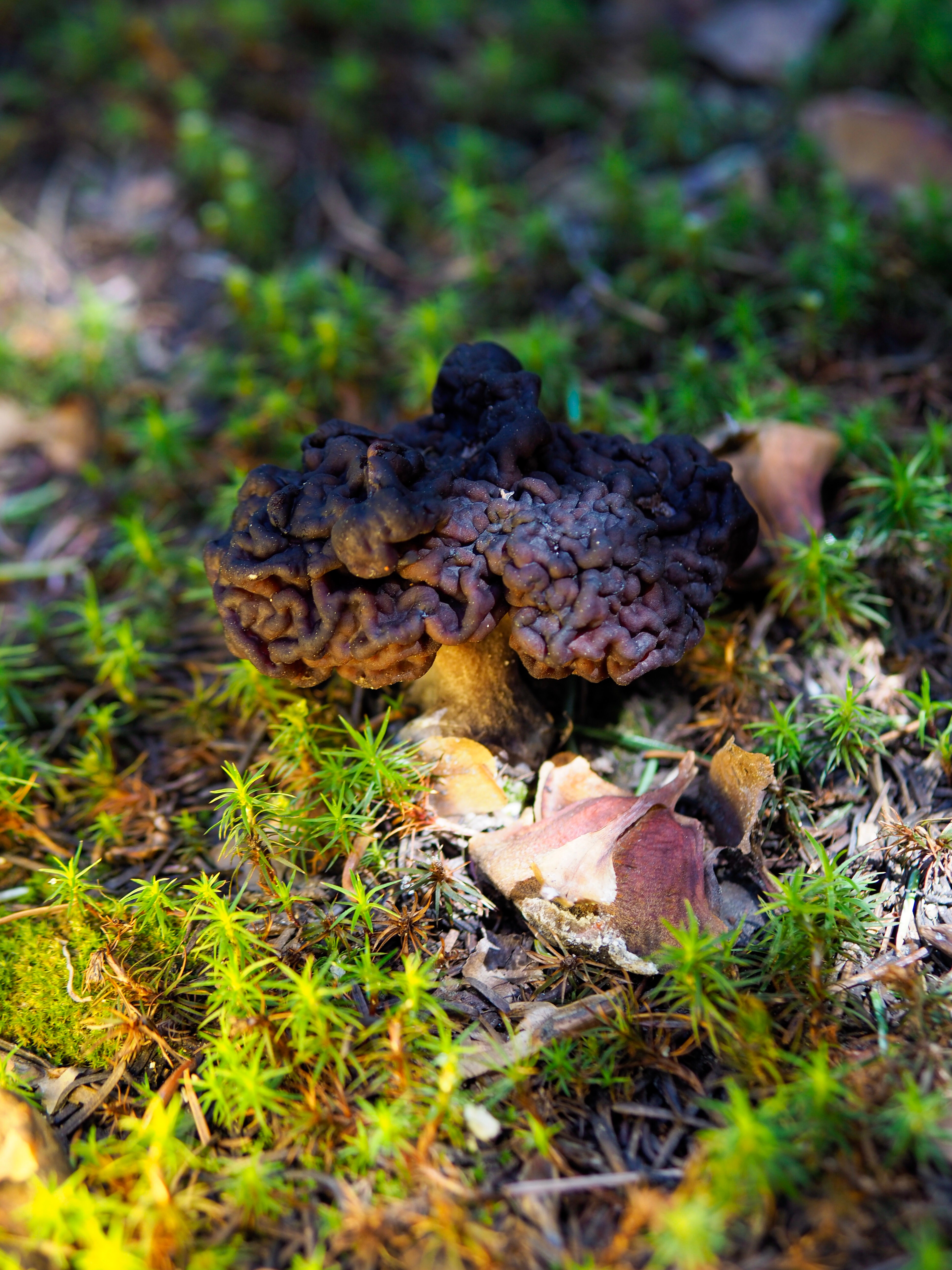
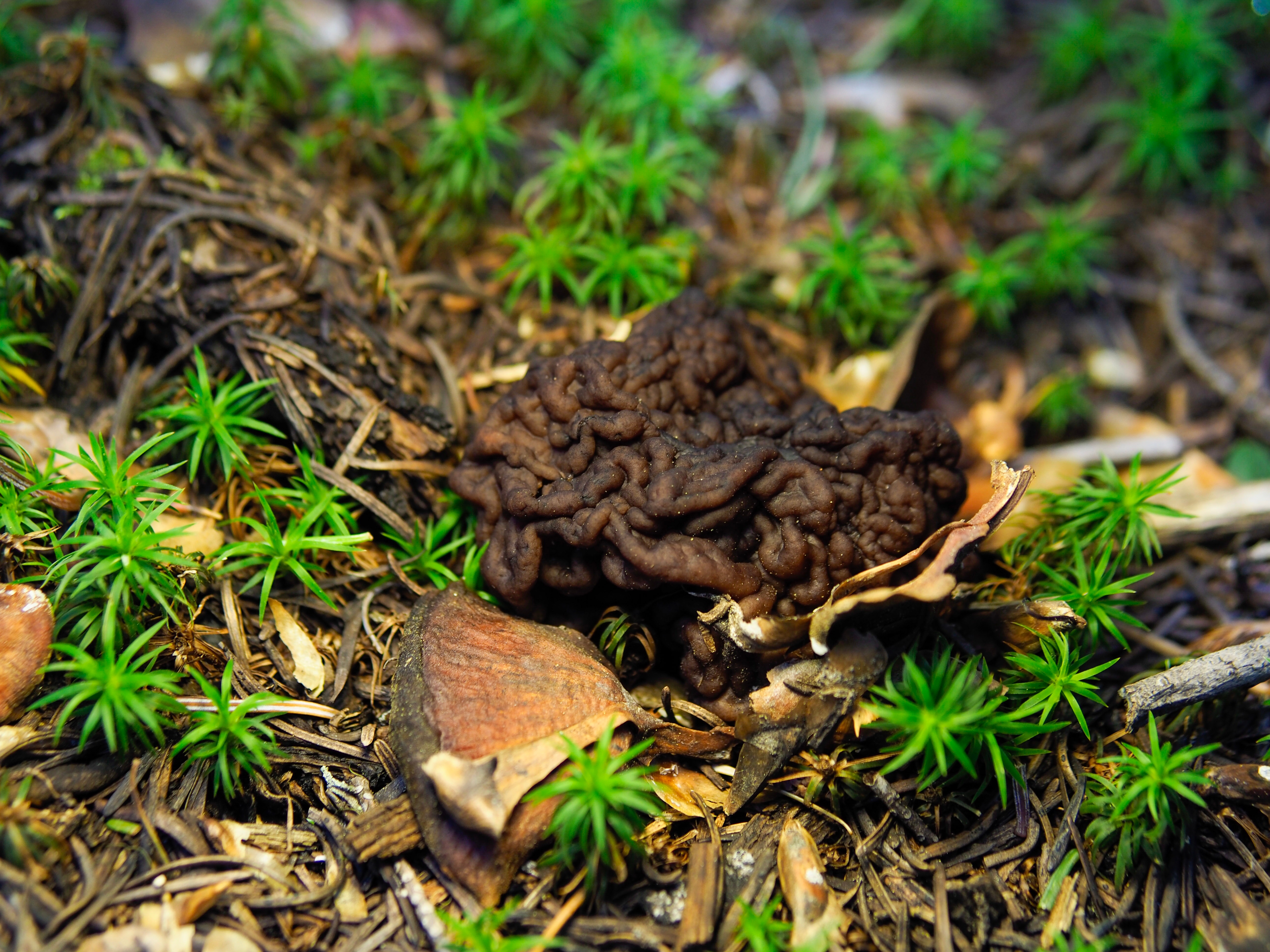
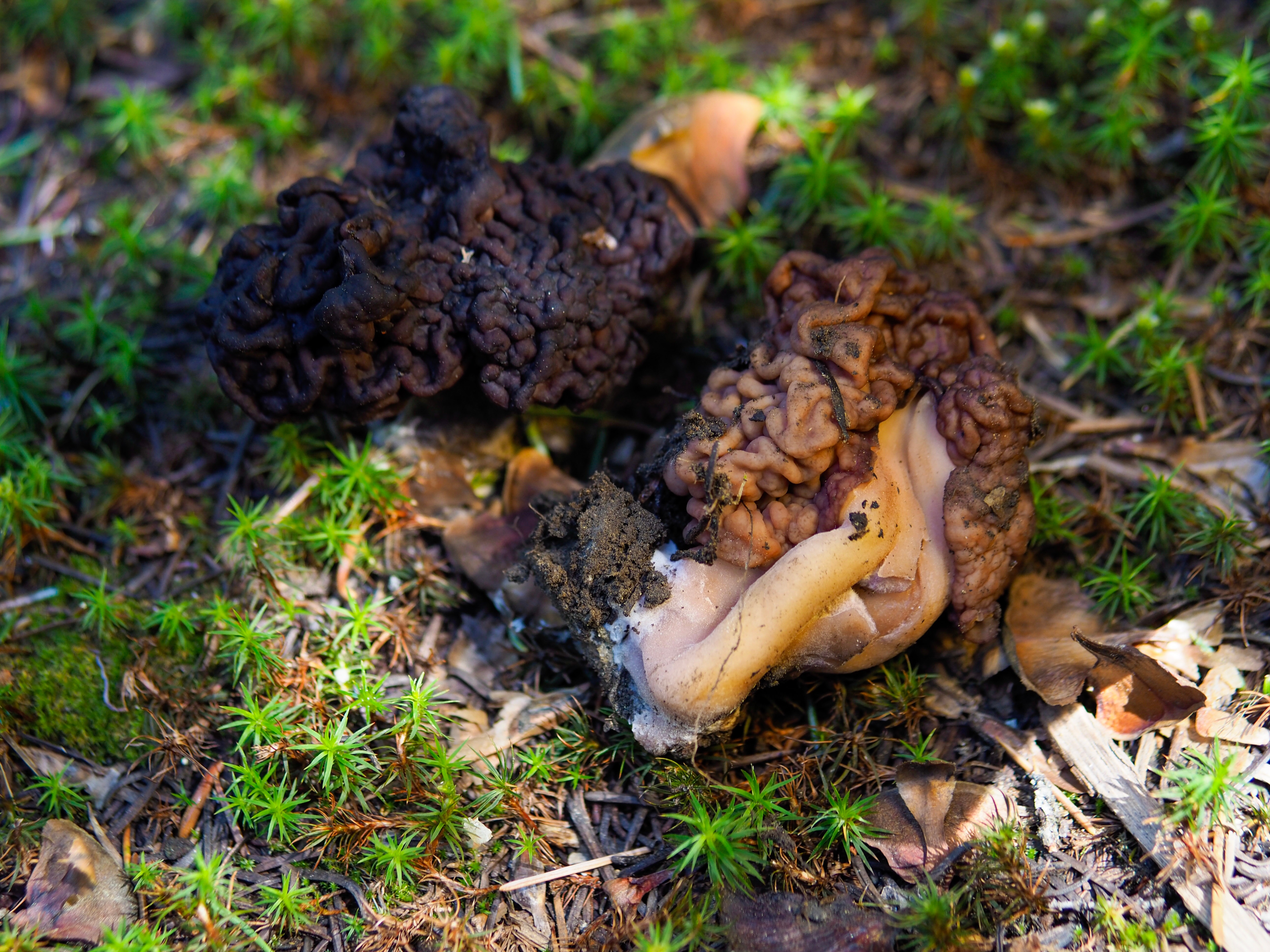
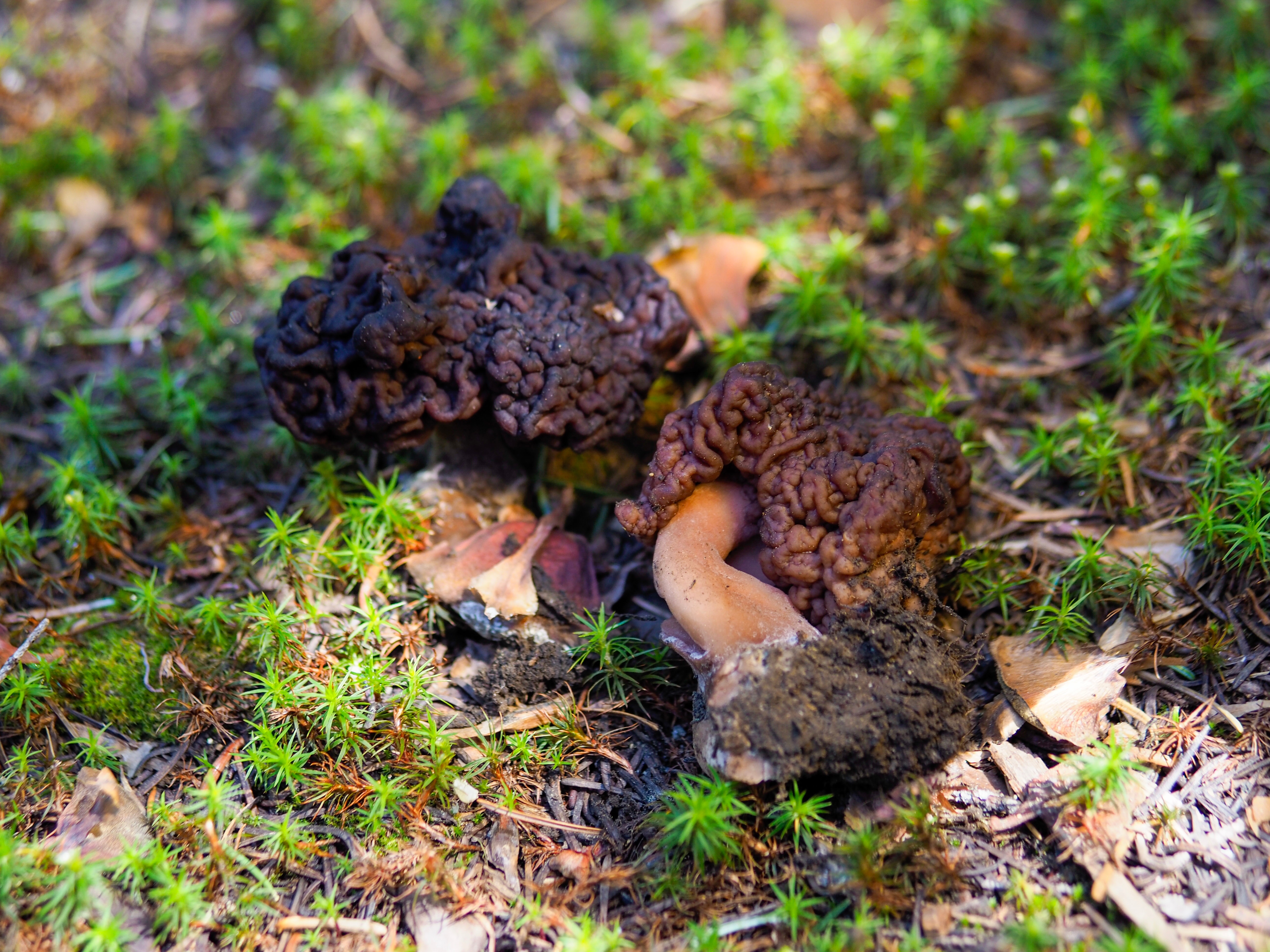
Based on prior observations in our ONP study, I am assuming this temp. code fits best based mostly on cap and stipe morphology. One of our G. esculenta group/clade species, containing gyromitrin regardless if my species ID is correct. I enjoy a good
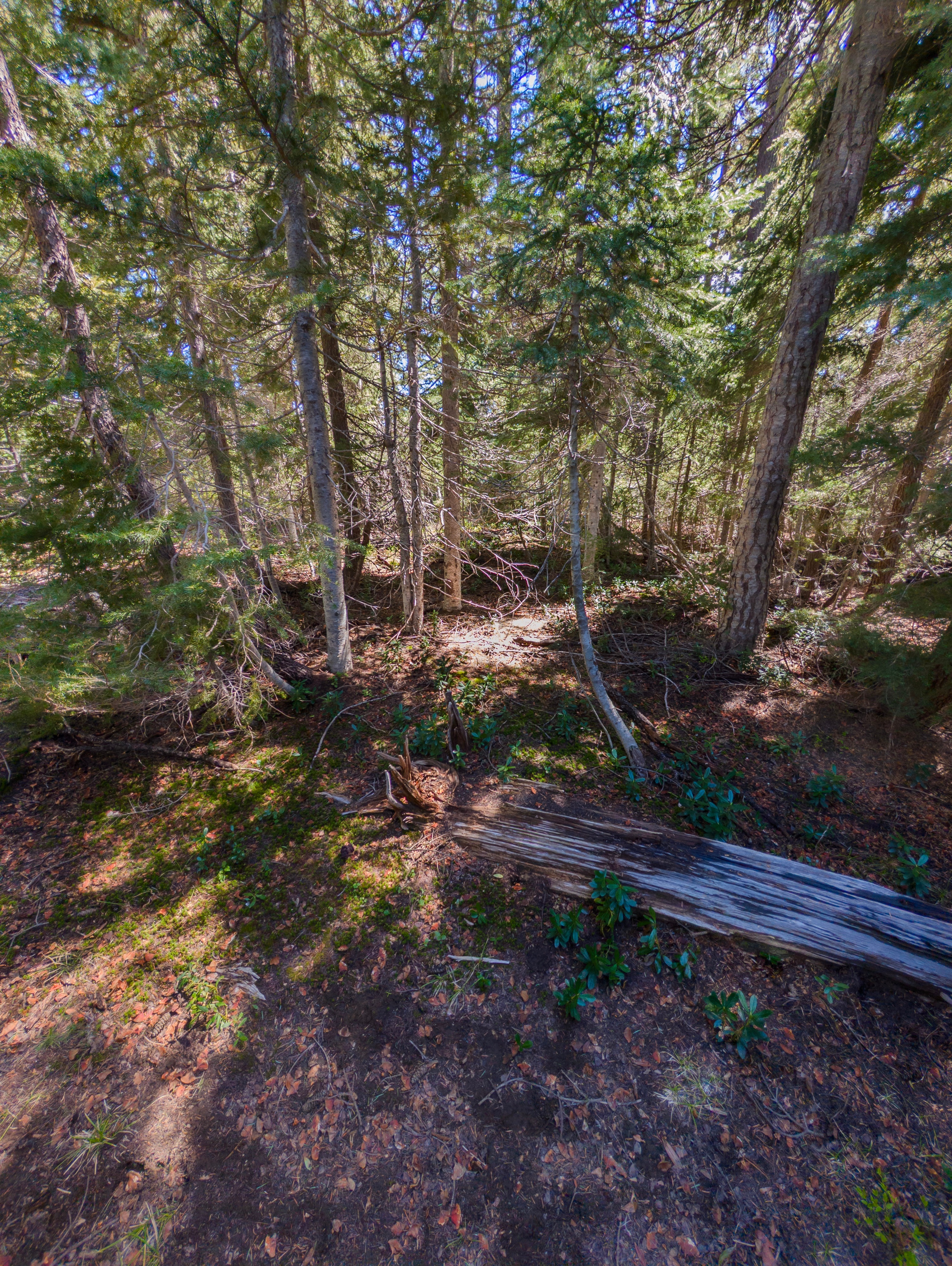
Discinaceae and this observation was also a tad out of season for this habitat, which continued to surprise me on this excursion.
Potentially just
Inocybe, I am not extremely familiar with most species in the genus but was glad to see something from the family in this slightly wetter patch of soil and woody substrate, in an otherwise fairly dry forest.
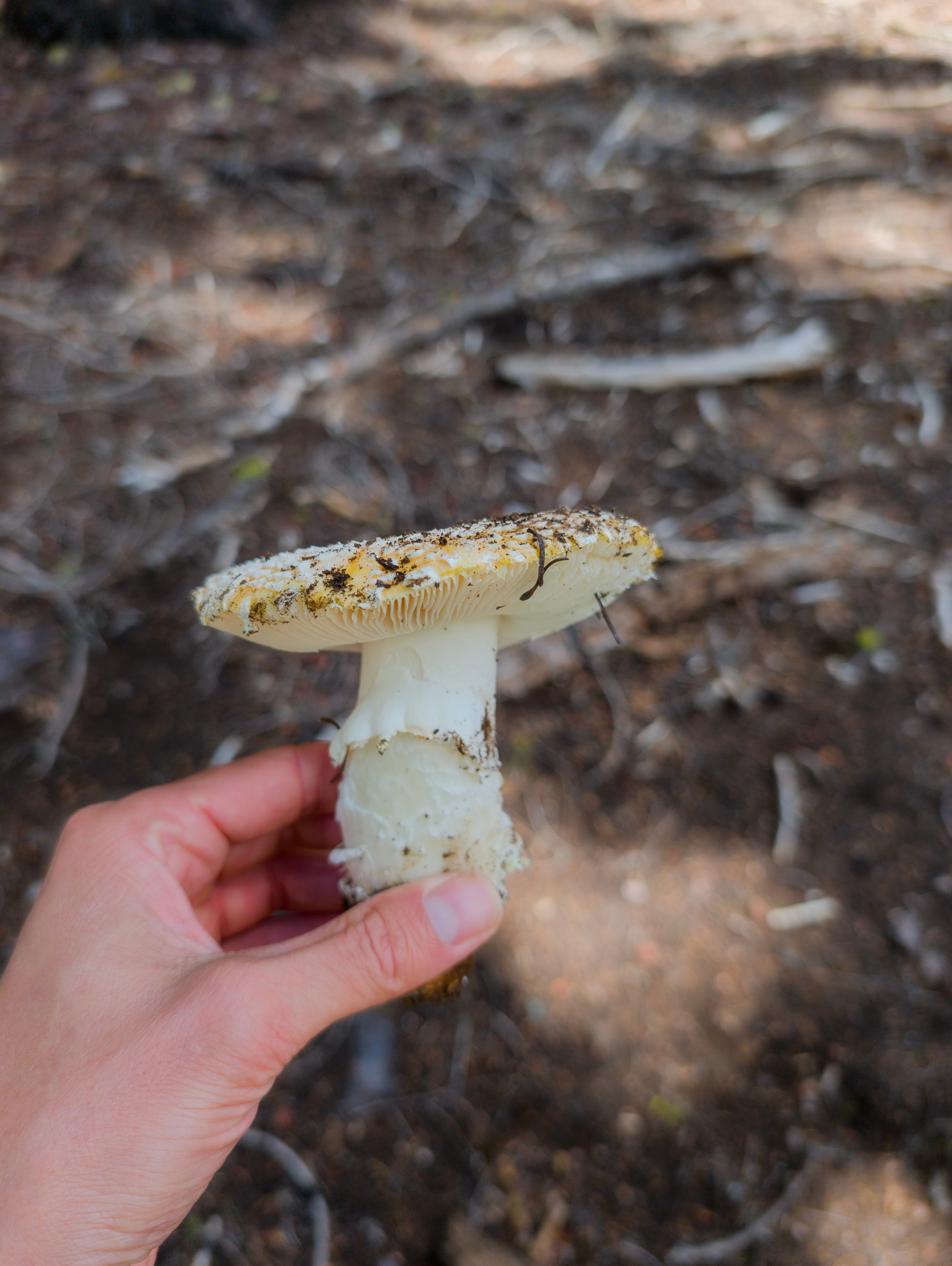
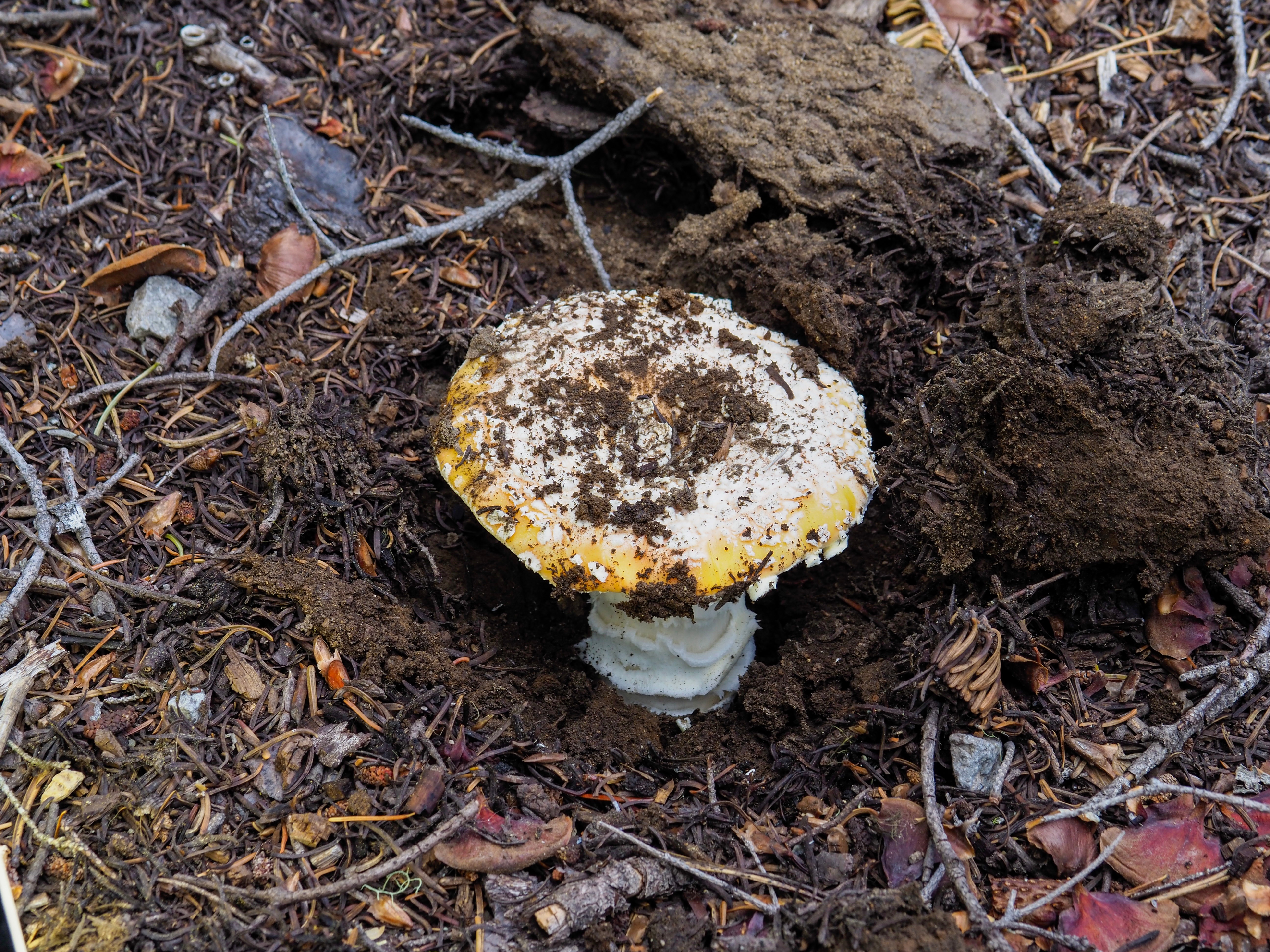
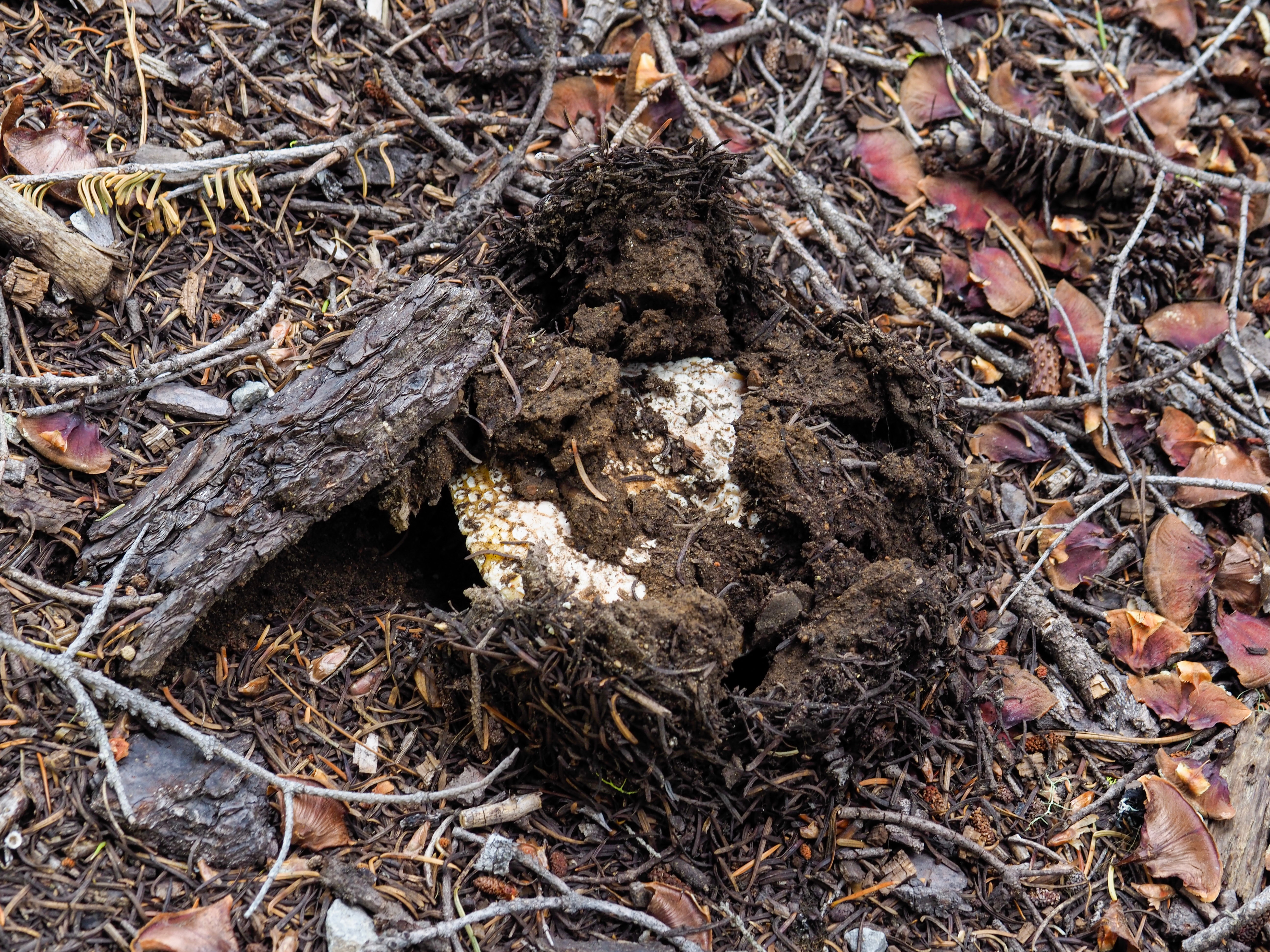
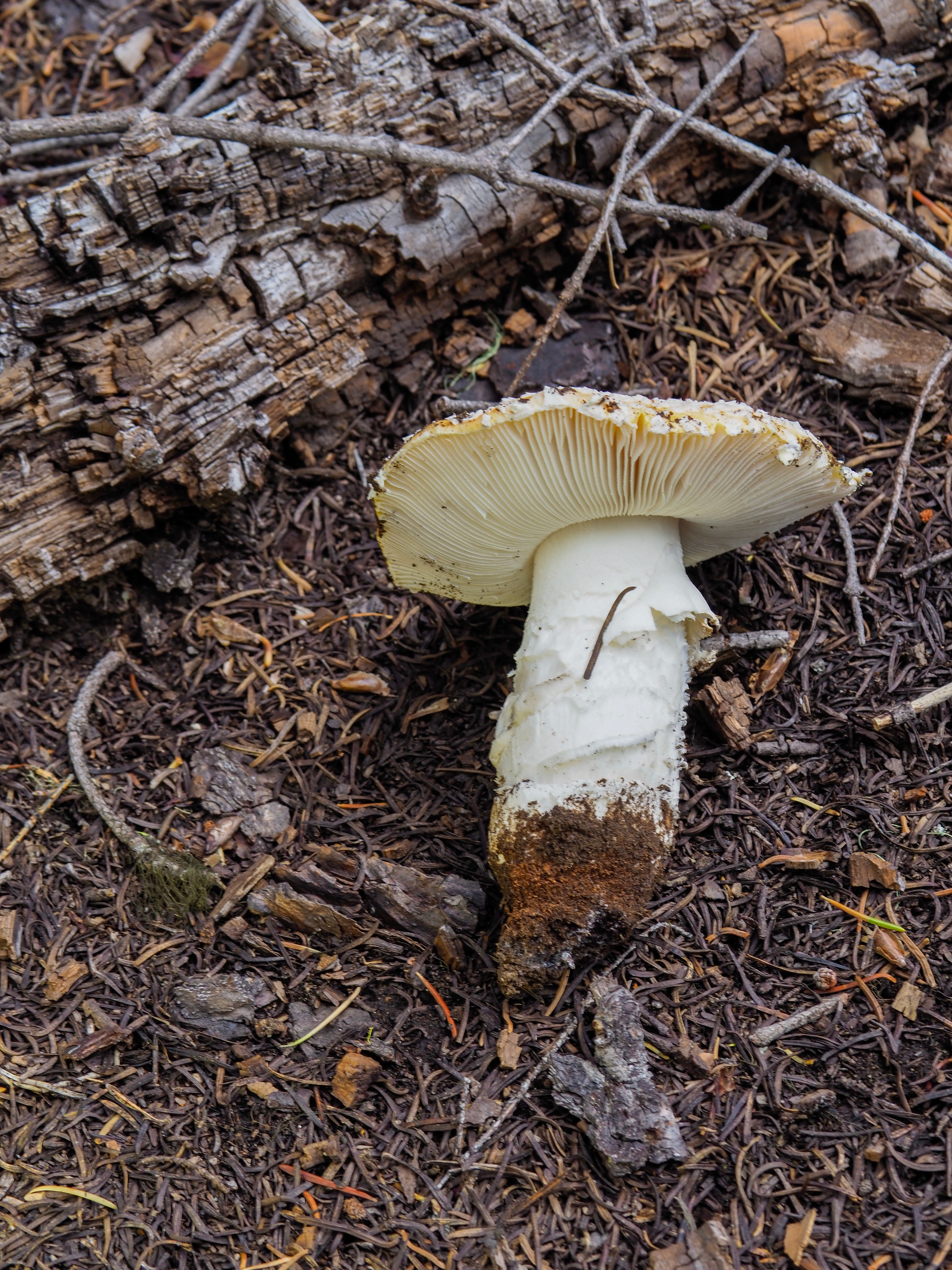
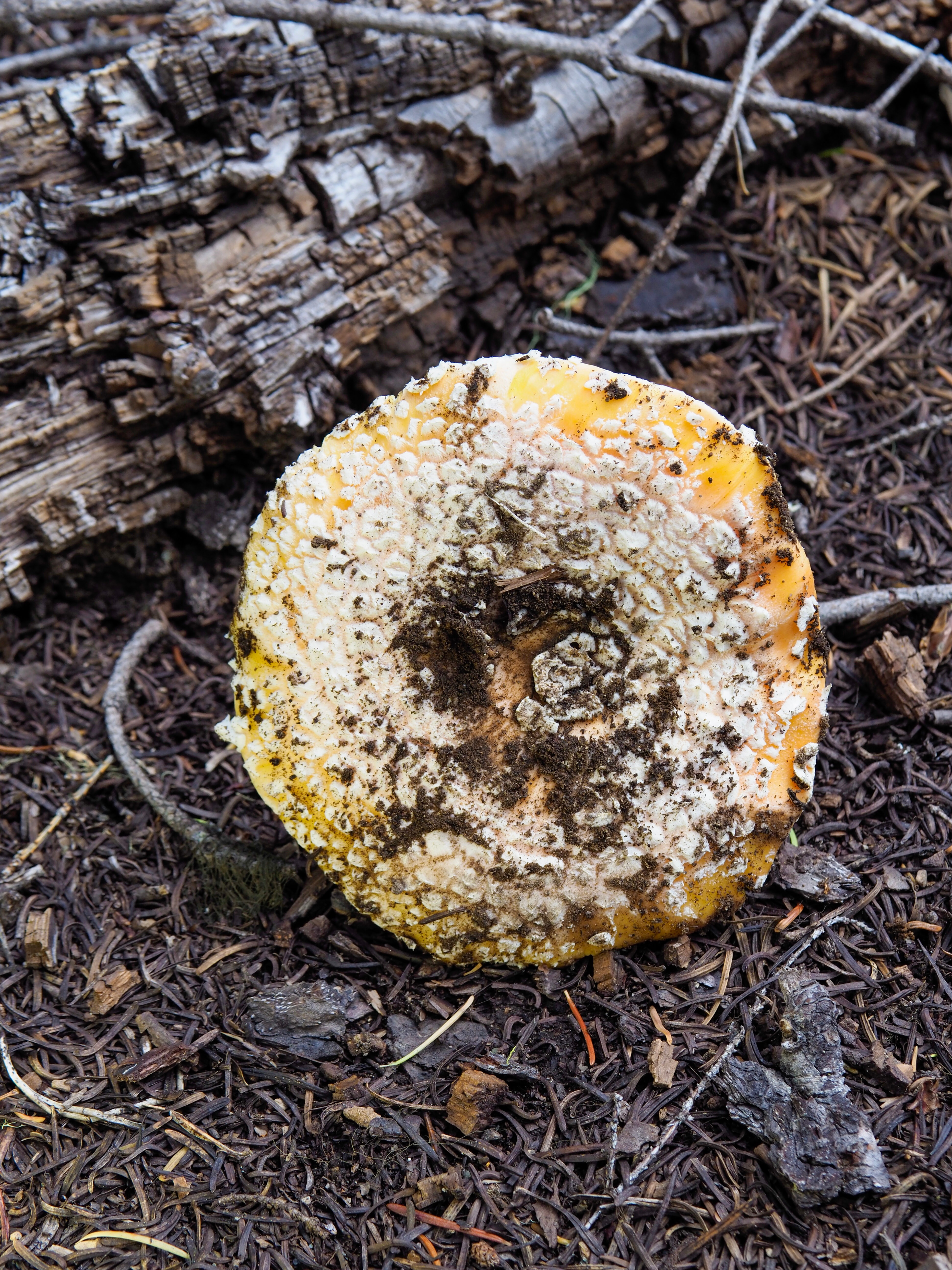
A fairly common species, especially as you reach more south towards this area. I just thought it would be nice to obtain a sequence for our survey from the genus that was not A. pantherinoides or A. pacifigemmata, I also find that this species is extremely dry weather tolerant. Was finding them on a Shasta trip prior to this CRLA survey attempt, in equally dry conditions, similar forest.
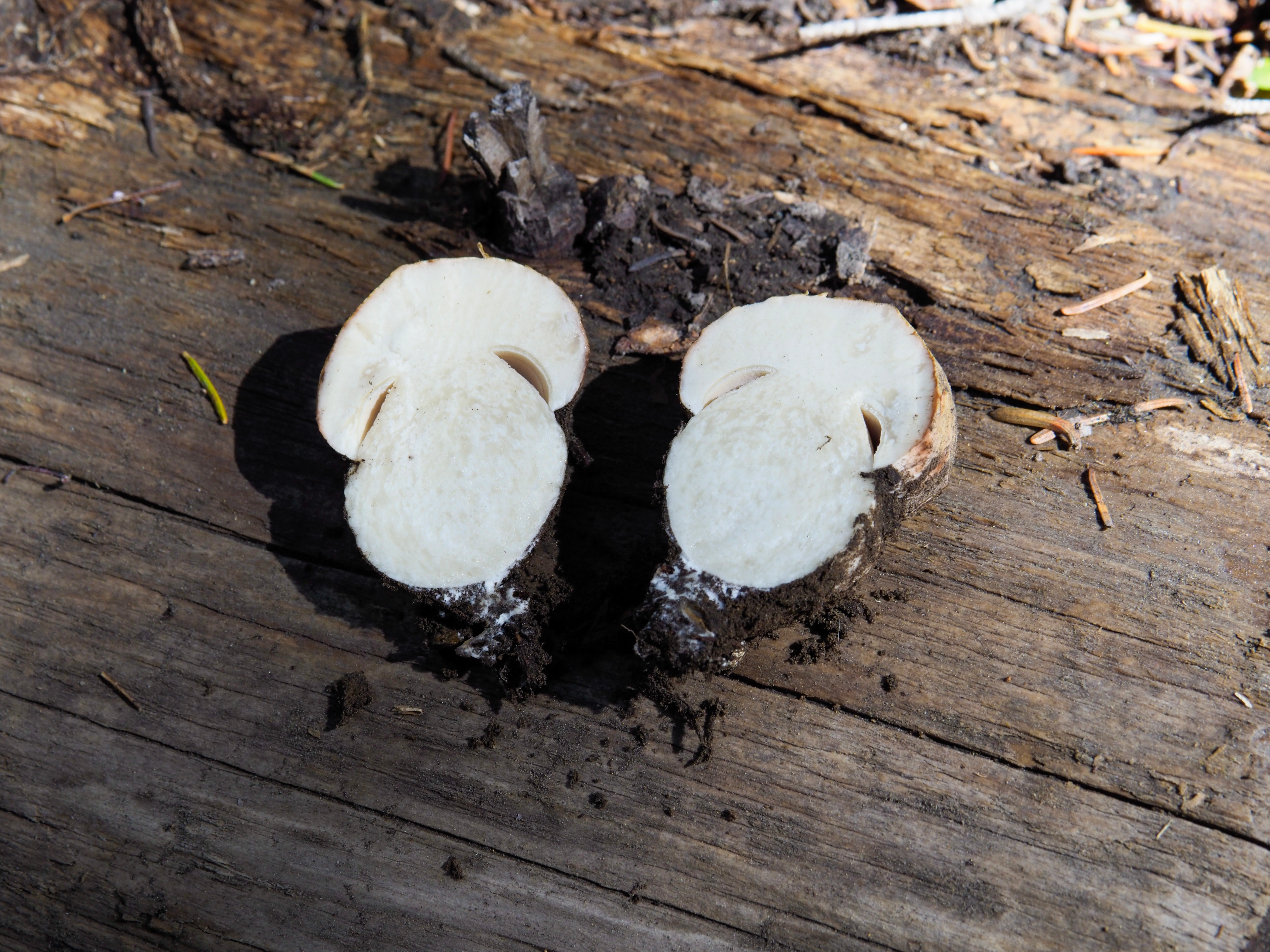
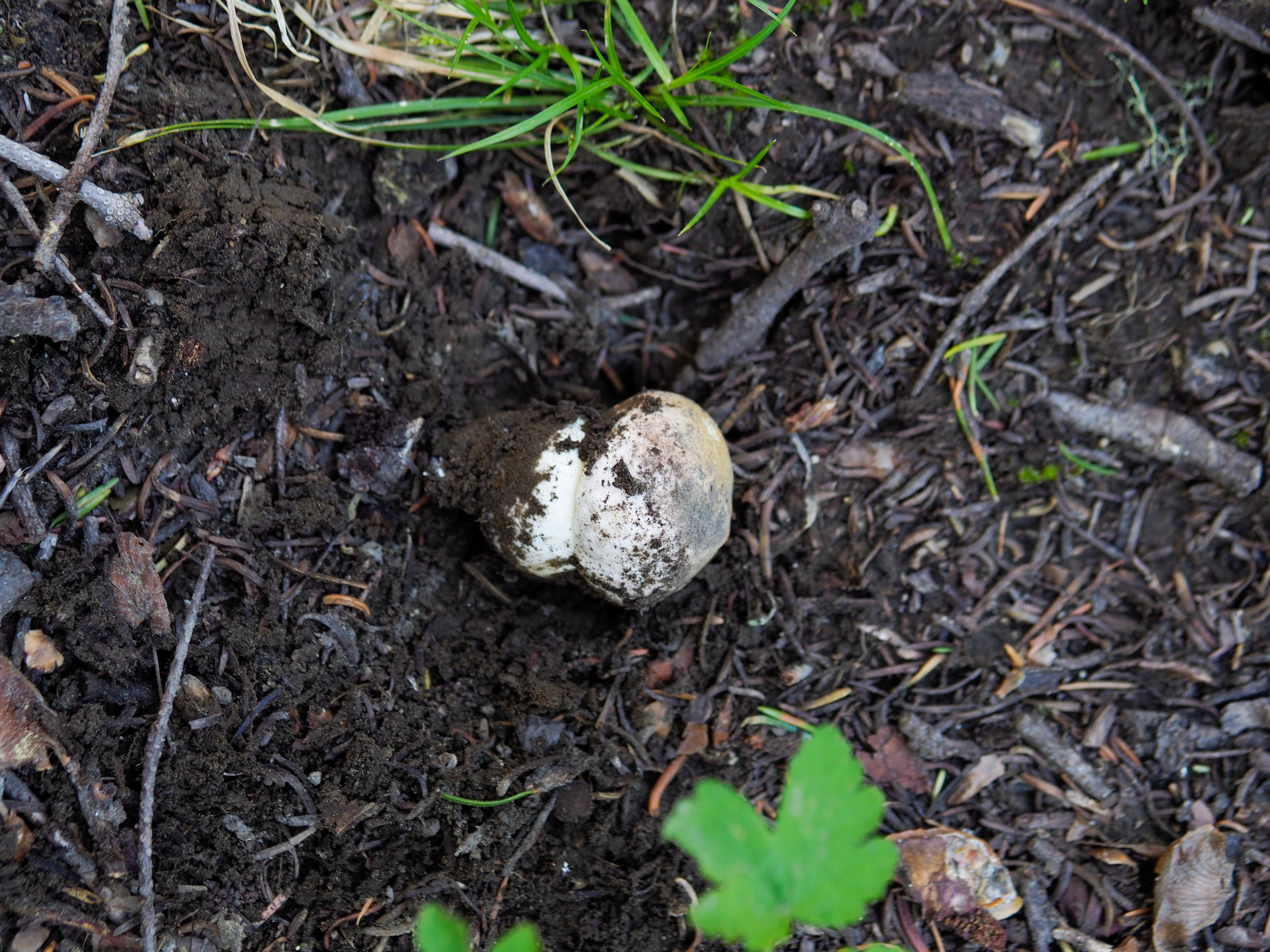
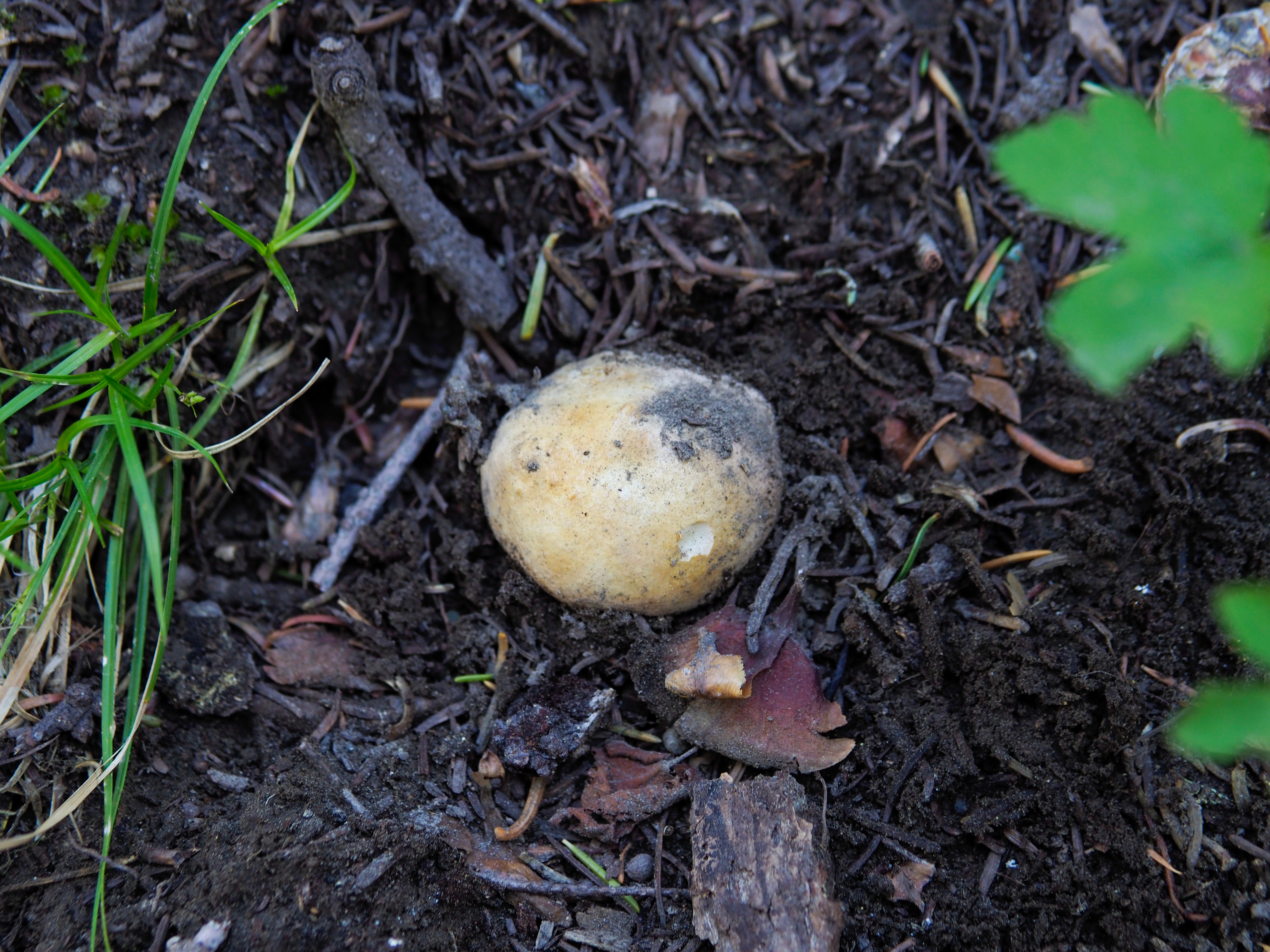
A baby bolete for my final CRLA June observation. Not much, but it will again add to our diversity in this survey work and will allow us to compare in the future. Even if it only serves as a smaller marker, like seasonality.
×
‹
![Expanded report image]() ›
›